





Edwardian Barware Accessories
Edwardian barware accessories bring elegance to hosting, offering crafted vessels and tools that reflect the social rituals of the period.
Edwardian Barware Accessories
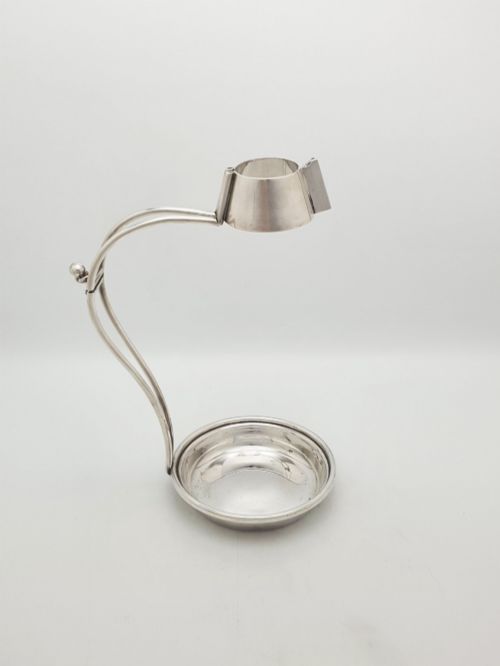
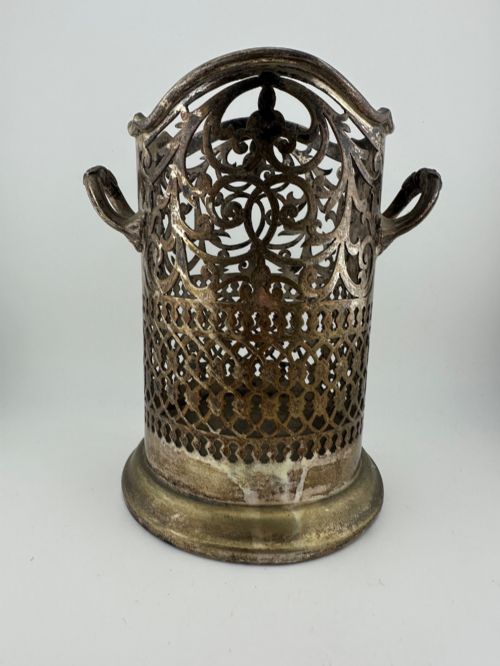
Edwardian barware accessories comprise a diverse selection of implements and vessels designed for the service of wine, spirits, and mixed drinks during the early twentieth century. Buyers seeking these items will encounter functional objects ranging from bottle holders and wine coasters to ice buckets, cocktail shakers, and decanter labels.
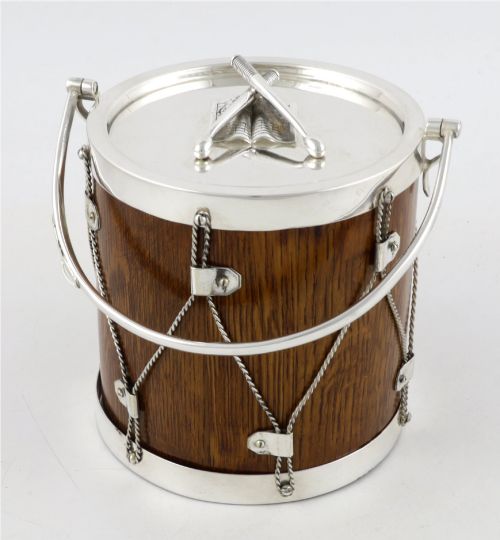
While the material record spans periods from the late nineteenth century through the Art Deco era, the core of these pieces reflects Edwardian craftsmanship and the subsequent 1920s and 1930s styles. Forms such as silver-plated wine cradles, military drum ice pails, and fitted crystal decanters dominate the selection available to collectors.
Materials and construction
The construction of these pieces relies heavily on silver plate, electroplated nickel silver, and sterling silver applied to structural forms of English oak, cut crystal, and ceramic creamware. Artisans combined metalwork with glass and wood to create durable items capable of holding ice, water, and acidic liquids during service.
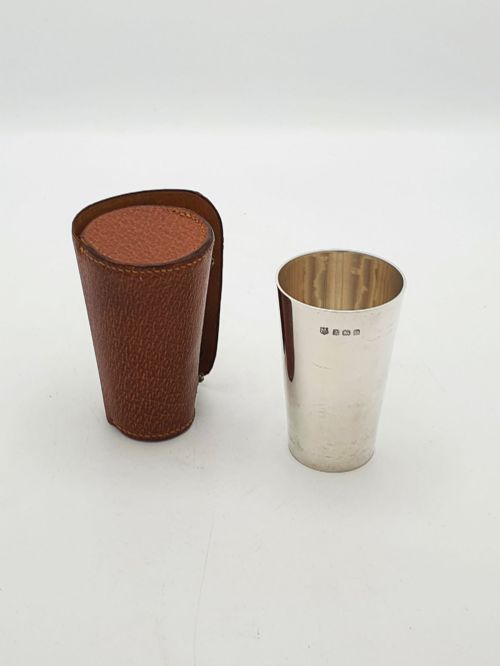
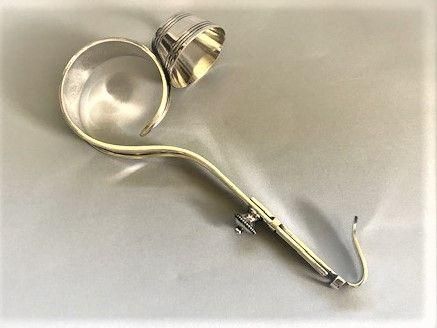
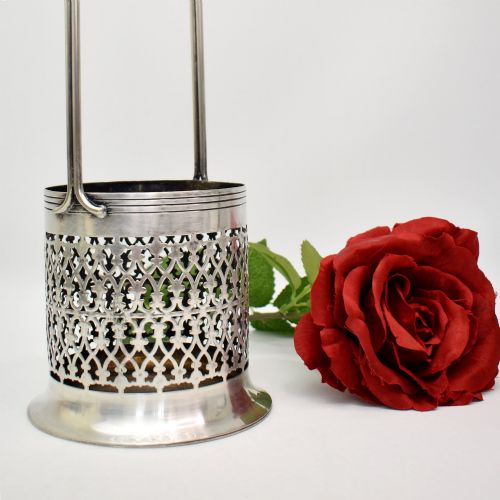
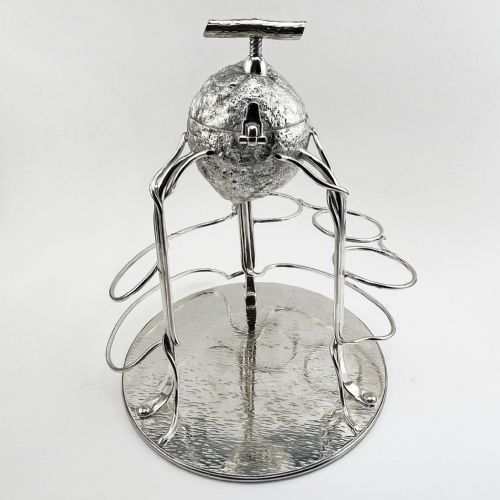
Techniques visible in the manufacturing include piercing, silver mounting, and the integration of locking mechanisms for decanters alongside fitted leather carry cases for travel beakers. Metal components are frequently shaped into novelty forms, such as military drums and fruit squeezers, demonstrating specialised metalworking skills.
Edwardian Barware Accessories Retail Price Guide 2026
Typical asking prices for edwardian barware accessories among the pieces listed under this phrase on Sellingantiques today, from the lower quarter to the upper quarter. They describe what is for sale here now, not the wider market.
Evaluating the pieces
Quality in these accessories is evident in the weight of the metal, the clarity of the cut crystal liners, and the precision of the joinery in oak containers. Pieces that retain their original tongs, ceramic liners, or matching leather cases demonstrate a higher degree of completeness.
The presence of crisp maker marks from established silversmiths and retailers distinguishes standard production items from finer workshop commissions. The integrity of the silver plating and the smoothness of any mechanical moving parts further define the standard of the manufacture.
Mappin & Webb·Hukin & Heath·Brook & Son, Edinburgh·William Suckling·James Dixon & Sons·Harrods
The Edwardian Barware Accessories Glossary
- Tantalus
- A locking wooden frame holding decanters to prevent unauthorized access to the spirits within. These typically feature metal bars secured by a key.
- Decanter label
- A small tag hung by a chain around the neck of a bottle to identify the contents such as whisky or sherry. These are frequently cast or pierced in silver plate.
- Wine coaster
- A small tray or dish, often with a wooden base and a silver-plated gallery, designed to hold a bottle on the dining table. They protect polished wood surfaces from moisture and rings.
- Electroplated nickel silver
- A base metal alloy of copper, nickel, and zinc coated with a layer of pure silver through electrolysis. This method provided the appearance of solid silver at a lower production cost.
Edwardian Barware Accessories: Frequently Asked Questions
What are edwardian barware accessories?
Edwardian barware accessories are functional serving items and vessels used for drinks during the early twentieth century.
They include items like wine cradles, ice buckets, decanter labels, and cocktail shakers made from silver plate, oak, and crystal.
How were ice buckets used?
Ice buckets served to keep ice cool for drinks during dinner parties and social gatherings in the home.
They often featured ceramic or cut glass liners inside oak or silver-plated metal bodies to insulate the ice.
How do I care for silver plated barware?
Silver plated barware requires gentle cleaning with a soft cloth and mild soap to preserve the metal surface.
Harsh abrasive cleaners should be avoided to prevent wearing away the silver plating over time.
What is a tantalus?
A tantalus is a locking wooden stand that secures decanters so the contents cannot be poured without a key.
Victorian and Edwardian households used them to safely store expensive spirits in entertaining spaces.