


Edwardian Wine Carafe
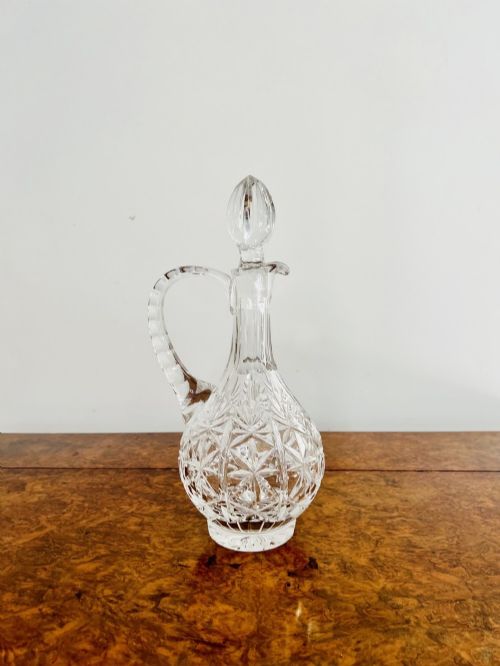
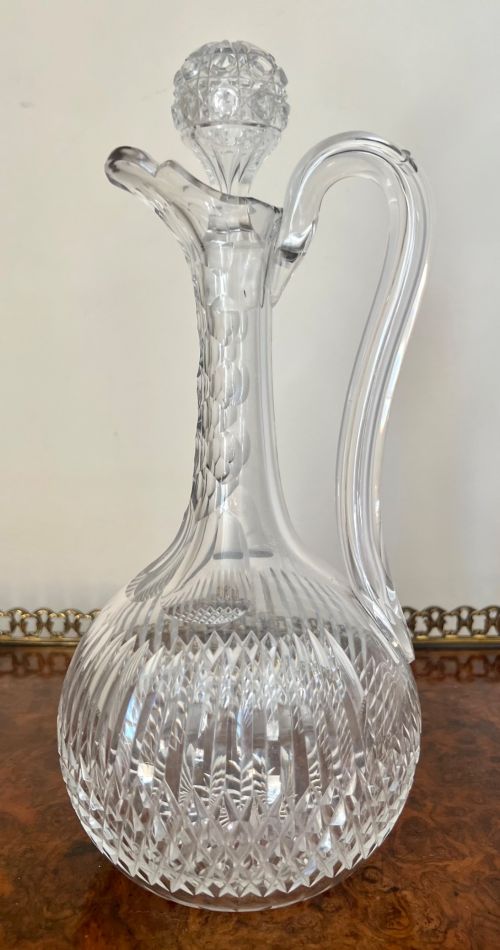
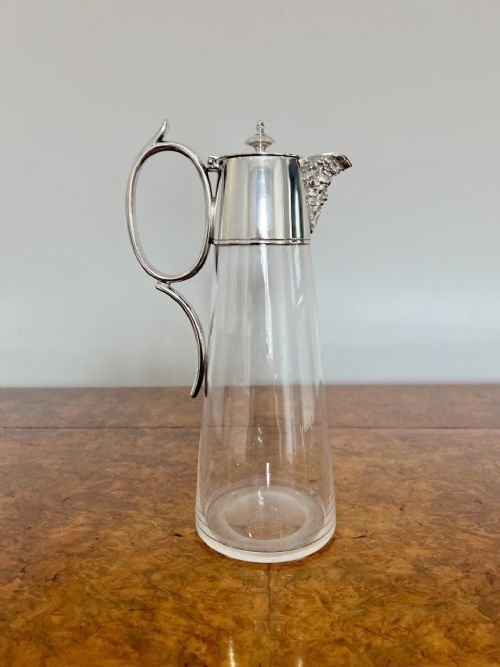
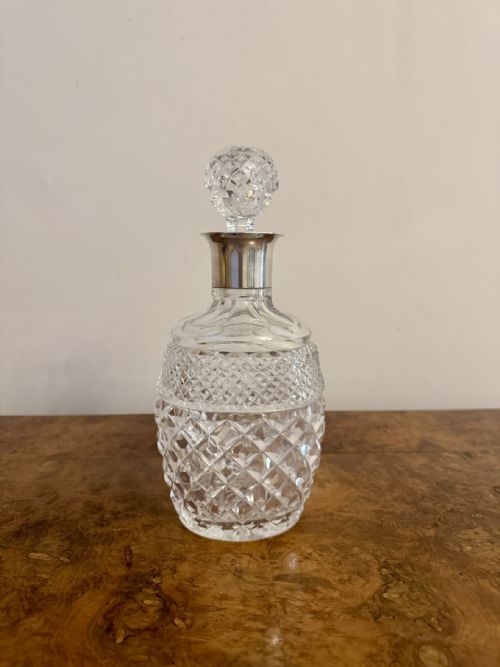
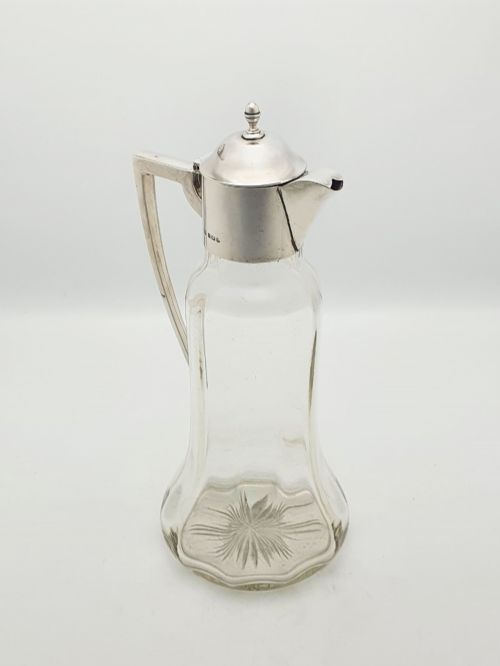
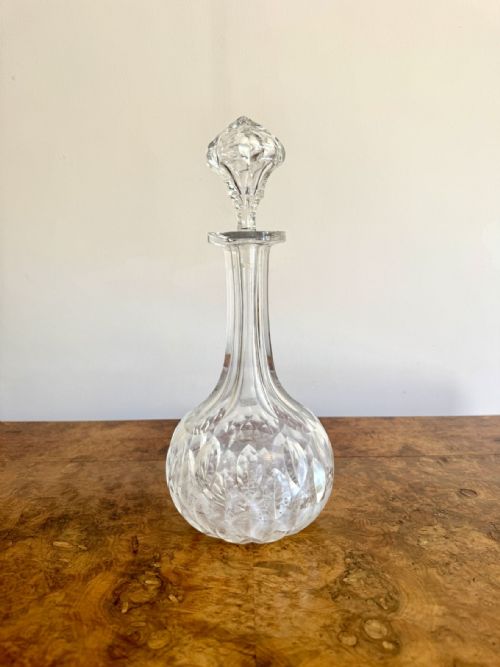
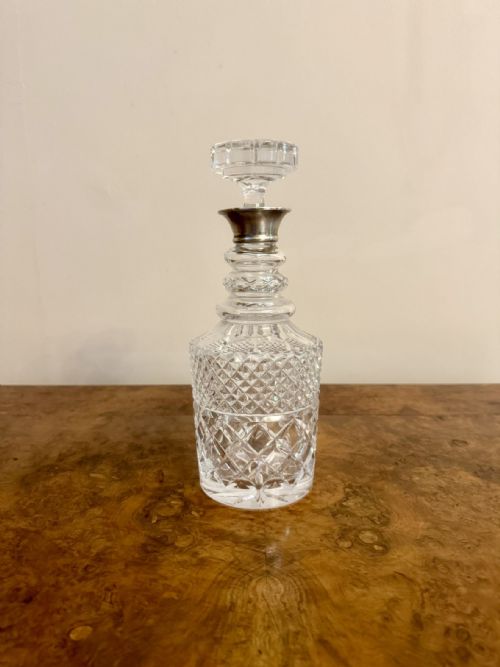
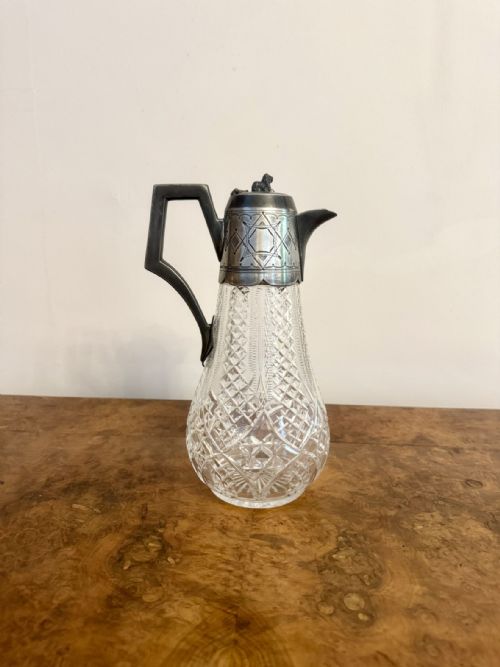
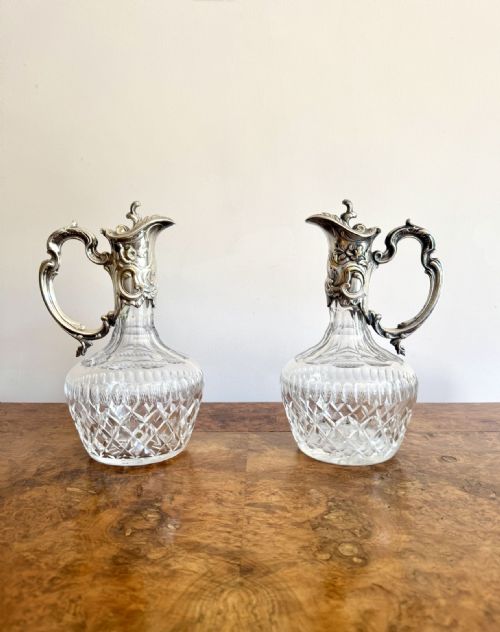
When you search for an edwardian wine carafe, you find clear glass vessels and claret jugs mounted in silver or silver plate.

Edwardian Wine Carafe
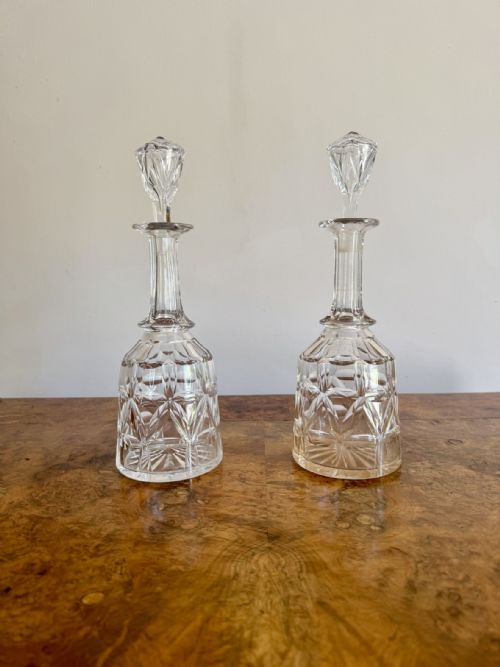
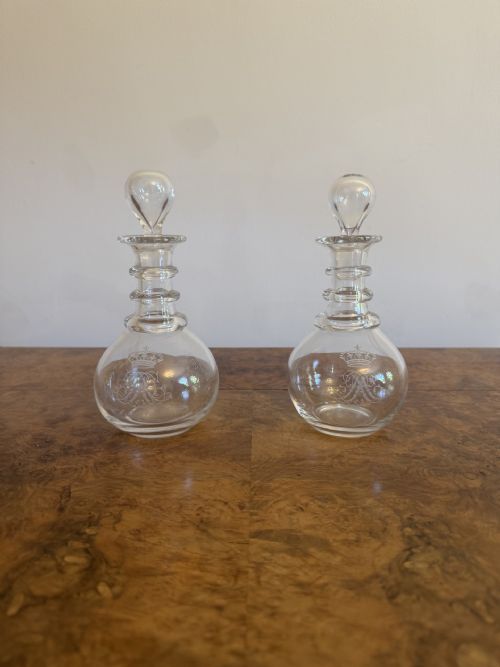
An edwardian wine carafe encompasses glass decanters, claret jugs, and ewers mostly dating from the Edwardian period, alongside related Victorian and early twentieth-century examples. The forms vary from bell-shaped decanters to spirit bottles and wine dispensers designed for the table.
Most pieces on this page originate from the Edwardian era, utilising materials such as cut glass, lead crystal, and clear glass combined with sterling silver or silver plate. Makers applied styles ranging from Edwardian and Victorian to Art Nouveau and Arts and Crafts.
Buyers encounter standard decanters alongside specialised claret jugs fitted with spouts and handles. Pairs and trios appear alongside single bottles, offering distinct options for table service.
What varies in quality
Depth and crispness of the cut glass separation lines distinguish finer vessels from simpler production pieces. Weight and clarity of the crystal or clear glass also indicate the standard of manufacture.
Substance and detailing of the silver plate or sterling silver mounts elevate individual pieces. Heavier metal collars and engraved decoration demonstrate higher craftsmanship than plain, lightweight mounts.
Some decanters doubling as whisky noggins ensure that private drams remain close at hand during formal dining.
The Edwardian Wine Carafe Glossary
- Claret jug
- A pouring vessel designed specifically for serving red wine, typically fitted with a handle, hinged lid, and spout. These often combine glass bodies with silver plate or sterling silver mounts.
- Ewer
- A large jug with a wide spout and circular base, used historically for water or wine. In this selection, ewers function as decorative wine dispensers.
- Cut glass
- Glass decorated by grinding facets and patterns into the surface using wheels. This technique catches the light and adds texture to the body of the decanter.
- Silver plate
- A layer of silver fused to a base metal such as copper or Britannia metal. This technique provided the appearance of solid silver at a lower production cost.
- Cranberry glass
- A type of transparent red glass produced by adding gold chloride to the molten glass batch. It yields a distinctive pinkish-red hue popular in decorative tableware.
Edwardian Wine Carafe: Frequently Asked Questions
What is an edwardian wine carafe used for?
These vessels were designed to hold and serve wine at the dining table, particularly claret and fortified wines. They allowed the wine to breathe before pouring into glasses.
Today, collectors use them for serving wine or display them as decorative dining room accessories.
How do I clean an old glass decanter?
Fill the vessel with warm water and mild detergent, avoiding harsh abrasives that might scratch the interior or damage silver collars. Specialised bottle brushes help reach the bottom of bell-shaped bodies.
Dry the metal mounts thoroughly after washing to prevent tarnish and protect silver plating.
Are these pieces made of solid silver?
Mounts, collars, and lids on these vessels are constructed from either sterling silver or silver plate over a base metal. Hallmarks on the metal help determine the specific silver standard and date of manufacture.
The main body of the vessel consists of glass, crystal, or cut glass.
How can I tell an Edwardian piece from a Victorian one?
Edwardian items date from the reign of Edward VII between 1901 and 1910, often displaying lighter forms and Art Nouveau influences. Victorian pieces originate from the earlier nineteenth century and frequently feature heavier, more ornate etching.
Examining silver hallmarks provides precise dates for the metal mounts attached to the glass.