



Edwardian Wine Bucket
An edwardian wine bucket brings practical elegance to the dining table, combining sturdy timber or gleaming plate to keep bottles chilled.
Edwardian Wine Bucket
When you search for an edwardian wine bucket, you encounter functional vessels designed to chill champagne or wine during formal dining. These pieces emerge primarily from the Edwardian period and adjacent decades spanning the late nineteenth and early twentieth centuries.
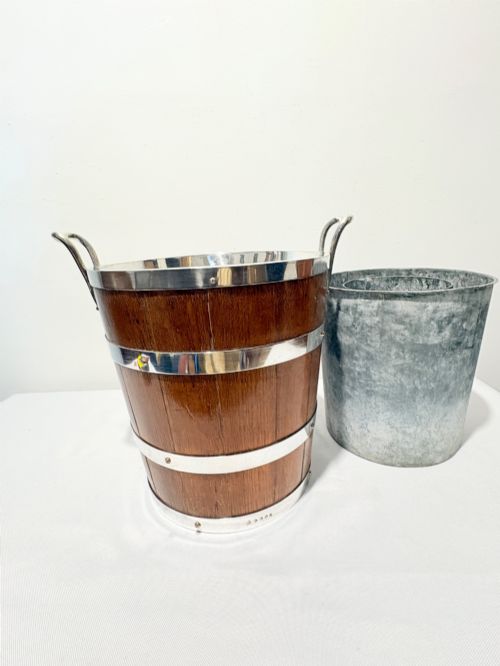
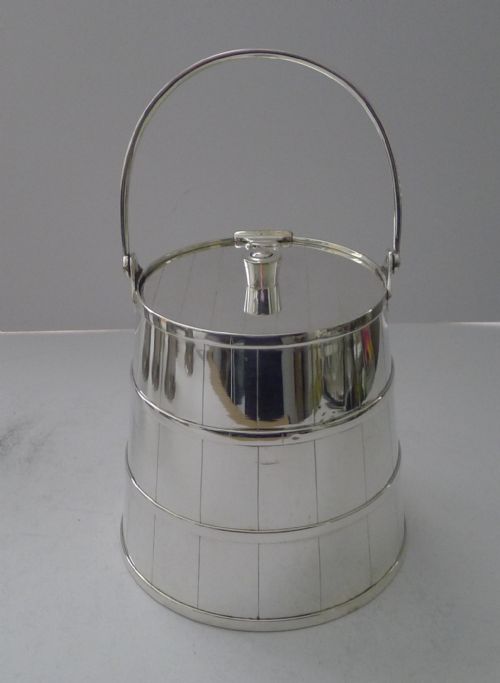
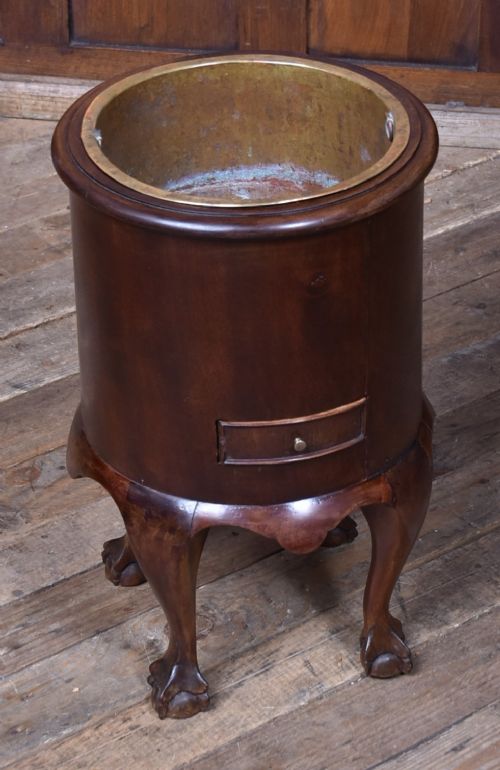
The selections available range from coopered oak and mahogany containers bound in brass to silver-plated ice pails and coolers. Many pieces double functionally as planters, jardinieres, or biscuit barrels depending on their internal liners and mounts.
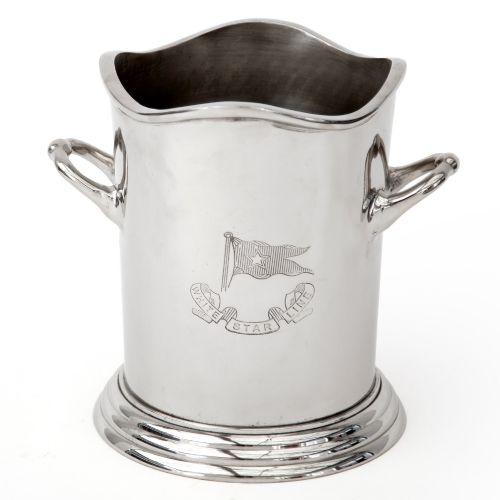
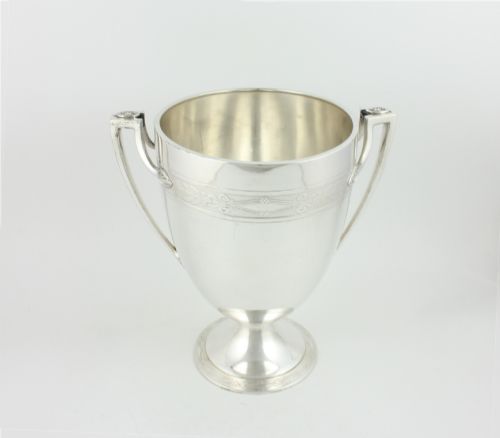
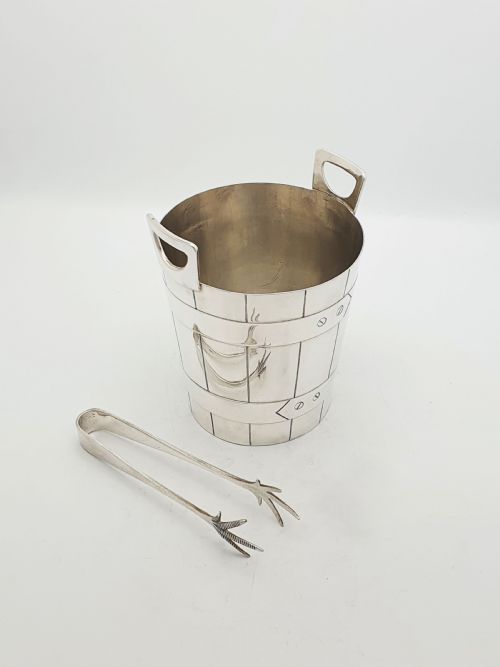
The forms vary from simple barrel shapes on stands to twin-handled vessels and presentation bowls. Silver-plated metal versions often feature glass or ceramic liners to hold ice alongside the bottle.
Materials and Construction
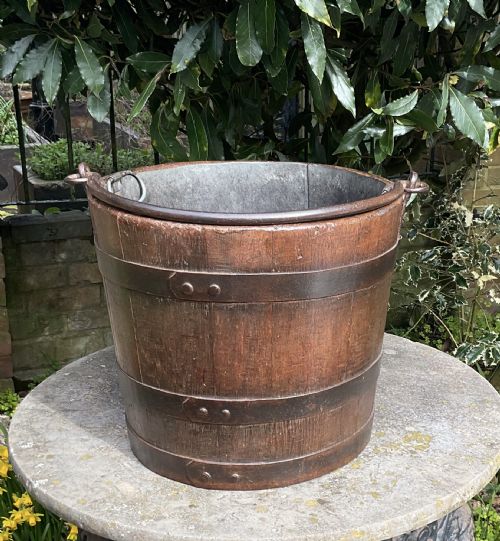
Coopers constructed wooden buckets from solid staves of oak or mahogany, holding the structure tight with heavy bands of brass or iron. This traditional woodworking method ensured the vessels could hold moisture without leaking.
Metal versions rely on silver plating, copper, or brass, often utilising electroplating on nickel silver (EPNS) to achieve a bright, durable finish. Handles, claws, and rims are securely soldered or riveted to the main body.
Internal elements such as cut glass or creamware liners were fitted to protect the timber or metal from standing water and ice.
Some sturdy oak champagne buckets spent a second life holding knitting wool or peat by the fireplace.
Judging Quality
Quality rests heavily on the weight and gauge of the metal used in silver-plated examples, where thicker plating resists wear and polishes more evenly over decades. In wooden pieces, the tightness of the coopered staves and the robustness of the brass bindings dictate longevity.
Maker attribution separates standard production items from those bearing marks of notable silversmiths or firms. Superior examples display crisp detail in handles, mounts, and any engraved presentation inscriptions.
Christofle·Dawson·James Dixon and Sons·Lister and Co
The Edwardian Wine Bucket Glossary
- Coopered
- Constructed from wooden staves bound together with metal hoops, much like a traditional cask or barrel. This technique provides natural structural strength for holding liquids or ice.
- EPNS
- Electroplated Nickel Silver, a base metal of nickel brass coated with a thin layer of pure silver. It became the standard method for producing affordable yet lustrous tableware.
- Jardiniere
- An ornamental pot or stand designed to hold plants or flowers, sharing similar forms with wine buckets of the period. Many vessels served dual purposes in Edwardian interiors.
- Cellarette
- A lockable container or cabinet used to store wine bottles near the dining table. Coopered wooden versions frequently overlap in design with large wine coolers.
- Creamware
- A type of fine earthenware perfected in Yorkshire, featuring a pale yellowish-white glaze. It appears as a protective liner inside certain silver-plated ice buckets.
Edwardian Wine Bucket: Frequently Asked Questions
How were these buckets used originally?
Hosts placed these vessels beside the dining table or on sideboards to keep champagne and wine at the correct temperature throughout a meal. Some designs accommodated ice and tongs for individual glass service.
Alternative domestic uses included housing indoor plants as jardinieres or storing biscuits.
Do silver plated buckets require special care?
Silver plate requires gentle cleaning with non-abrasive polishes to preserve the thin metallic layer over the base metal. Regular wiping prevents tarnish buildup from tarnishing the decorative surface.
Wooden staves benefit from occasional conditioning to prevent the timber from drying out in heated rooms.
How do I identify an edwardian piece?
Edwardian items often display characteristic stylistic markers from the early twentieth century, blending late Victorian mass production capabilities with emerging Arts and Crafts simplicity. Maker stamps and hallmarks on silver plate provide definitive dating clues.
Construction details, such as the type of brass banding and liner materials, also help distinguish this era from earlier Georgian or Victorian examples.