



Edwardian Whisky Glass
An Edwardian whisky glass brings a touch of period charm to a home bar, offering tangible connections to early twentieth-century drinking traditions.
Edwardian Whisky Glass
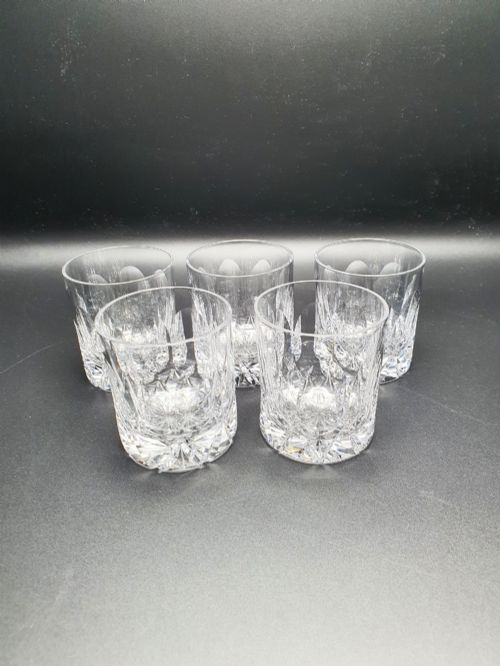
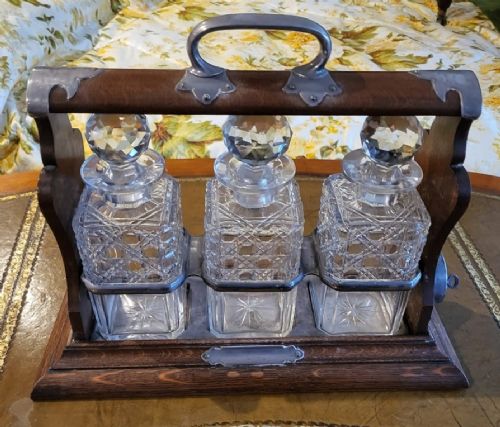
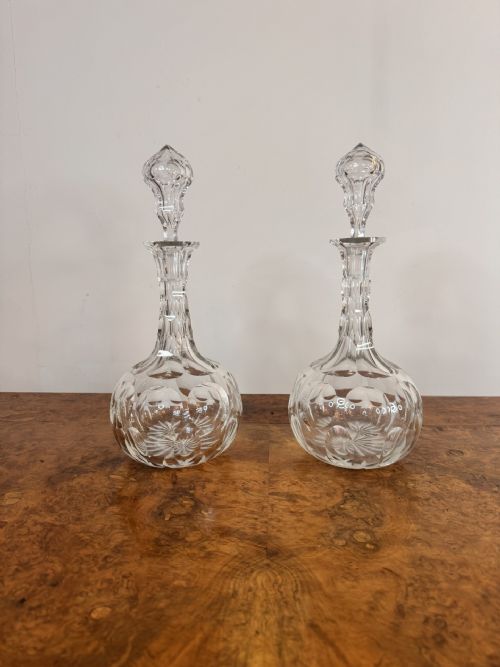
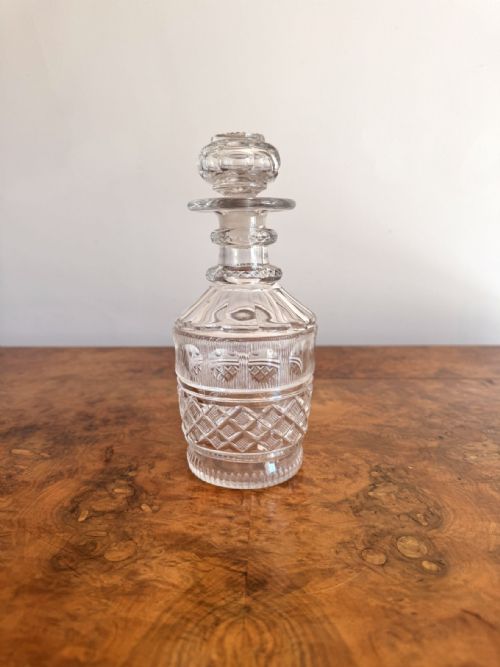
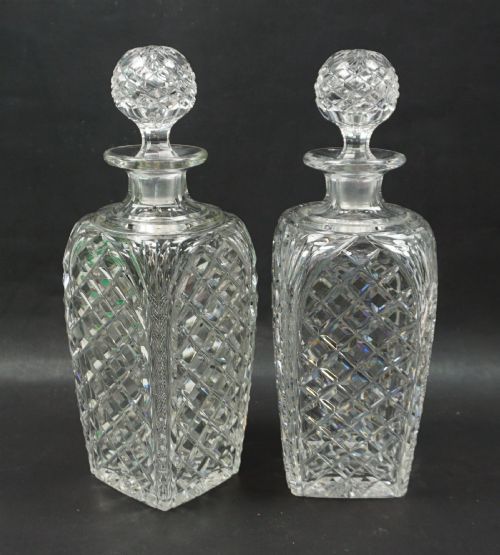
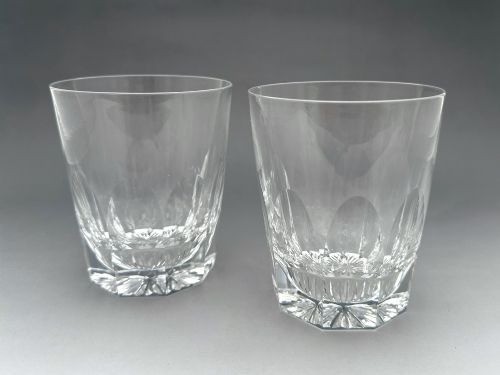
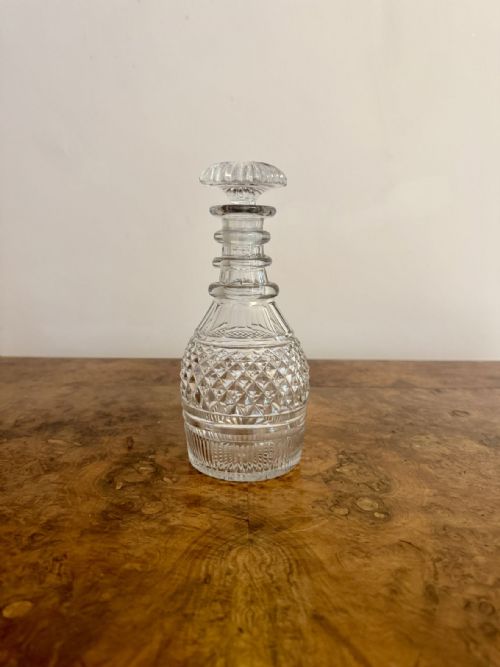
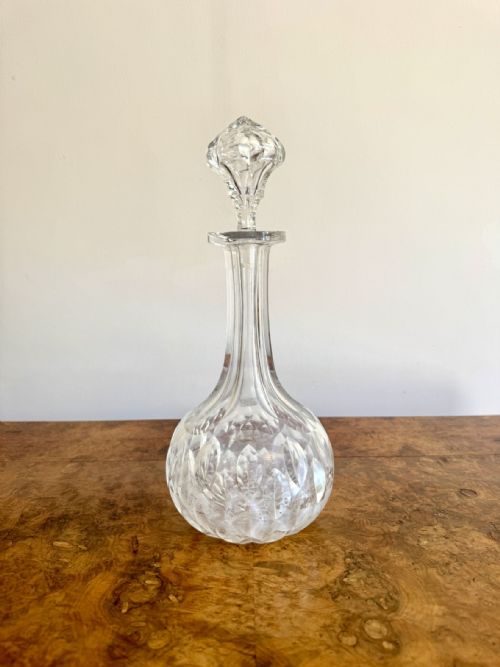
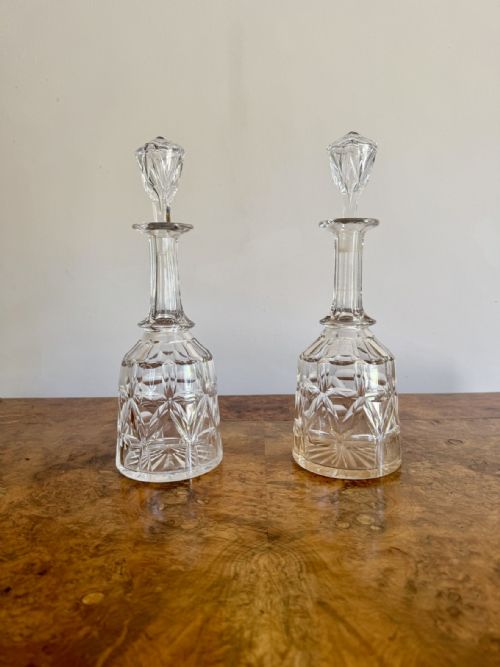
An Edwardian whisky glass typically manifests as a sturdy tumbler or a small noggin designed for serving spirits during the early twentieth century. These drinking vessels often appear alongside cut crystal decanters and silver-mounted barware within the broader category of Edwardian whisky glass items.
The selections span simple square-section vessels to intricately cut specimens produced across the Victorian, Edwardian, and George V periods. Makers utilised durable lead crystal and standard glass to withstand daily use while maintaining optical clarity.
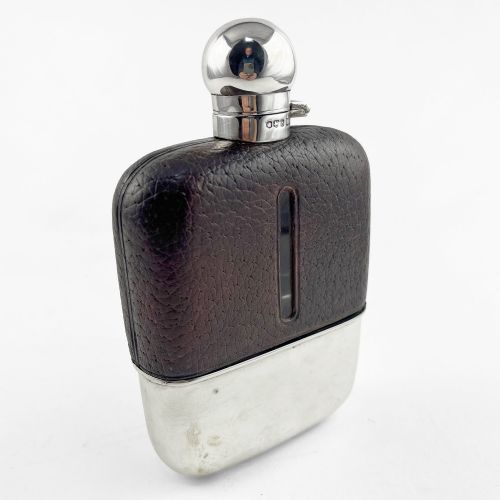
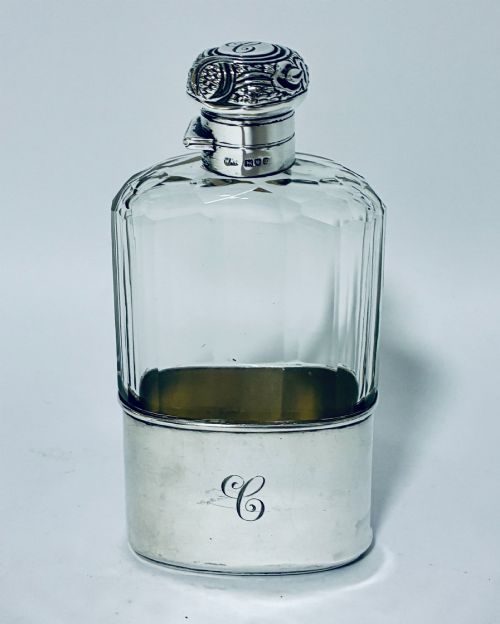
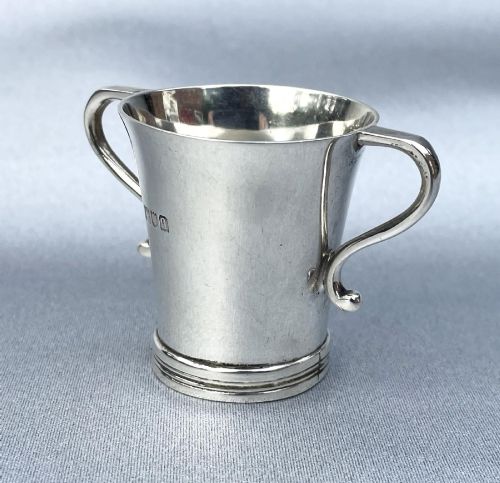
Buyers encounter these drinking vessels alongside related items such as oak tantali, silver hip flasks, and spirit measures. Such pieces reflect the social habits and hospitality customs prevalent in British homes around nineteen hundred.
How they were made
Glassmakers shaped these vessels using traditional blowing and moulding techniques, frequently employing lead crystal to achieve weight and brilliance. Optically blown examples display distinctive internal patterns formed while the hot metal expanded within a mould.
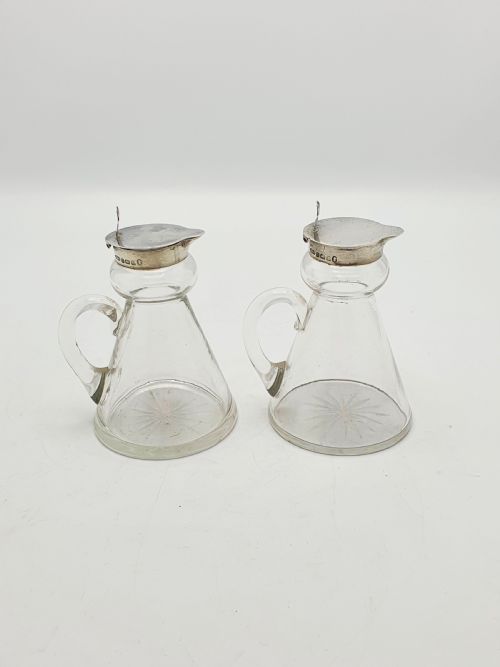
Surface ornamentation relied heavily on wheel-cutting to create geometric facets that caught the light. Craftsmen also applied sterling silver collars and mounts, securing hallmarks that recorded the year of assay and the silversmith's mark.
Edwardian Whisky Glass Retail Price Guide 2026
Typical asking prices for edwardian whisky glass among the pieces listed under this phrase on Sellingantiques today, from the lower quarter to the upper quarter. They describe what is for sale here now, not the wider market.
What varies in quality
The clarity and weight of the crystal establish the baseline for a superior Edwardian whisky glass, separating heavy lead-based pieces from lighter, common glass. Deeper, crisper wheel-cut facets indicate skilled handcraftsmanship rather than shallow mechanical pressing.
Mounts made from substantial sterling silver rather than thin silver plate elevate the overall standard of a piece. Well-preserved hallmarks and intact silver collars indicate proper maintenance and original association with the vessel.
Betjemann·Asprey London·James Powell·Hukin & Heath
The Edwardian Whisky Glass Glossary
- Tantalus
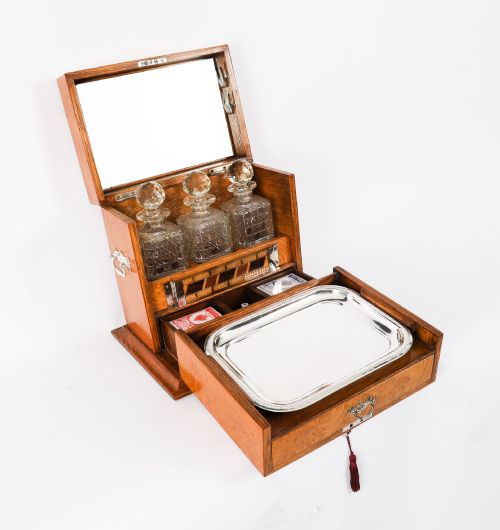
- A locking wooden frame designed to secure decanters containing expensive spirits away from unauthorised drinkers. These frames typically utilise oak or blonde oak fitted with brass or silver-plated hardware.
- Noggin
- A small mug or jug holding a single portion of liquor, often paired with a silver-mounted label. These vessels frequently accompany whisky service sets from the Edwardian era.
- Lead crystal
- Glass containing metallic oxide that increases density, refractive index, and ringing sound when struck. This material forms the heavier drinking vessels and decanters found in period barware.
- Hallmark
- An official stamp applied to precious metals indicating purity, assay office, and date letter. These marks help date silver-mounted collars and hip flasks accurately.
Edwardian Whisky Glass: Frequently Asked Questions
What is an Edwardian whisky glass?
An Edwardian whisky glass is a drinking vessel dating from the early twentieth century, typically produced from clear glass or lead crystal. These items range from heavy tumblers to small noggins used for serving spirits.
They appear alongside decanters, tantali, and silver-mounted barware in period settings. Collectors prize them for their authentic craftsmanship and utility in modern home bars.
How do I identify an Edwardian piece?
Identifying an Edwardian piece involves examining the materials, cutting styles, and any accompanying silver hallmarks. Items from this era often feature heavy cut crystal and sterling silver mounts assayed around nineteen hundred.
Design motifs reflect late Victorian and early twentieth-century aesthetics. Comparing the weight and optical qualities of the glass helps confirm the period.
Were these glasses used daily?
These glasses served a functional role in everyday hospitality and formal dining during the Edwardian period. Households utilised them for serving scotch and other spirits from matching decanters.
Their sturdy construction in lead crystal ensured durability through regular use. Today, owners continue to use them for their intended purpose during social gatherings.
How should I care for antique glass?
Careful hand washing in warm water with mild detergent preserves the clarity and surface condition of antique glassware. Avoiding extreme temperature changes prevents thermal shock to older lead crystal.
Silver mounts require occasional gentle polishing to maintain their appearance without damaging the surrounding glass. Proper storage away from direct sunlight protects the integrity of the material.