



Edwardian Walnut Display Case
An edwardian walnut display case brings warmth and polished grain to a room while holding your collection behind clear glass.
Edwardian Walnut Display Case
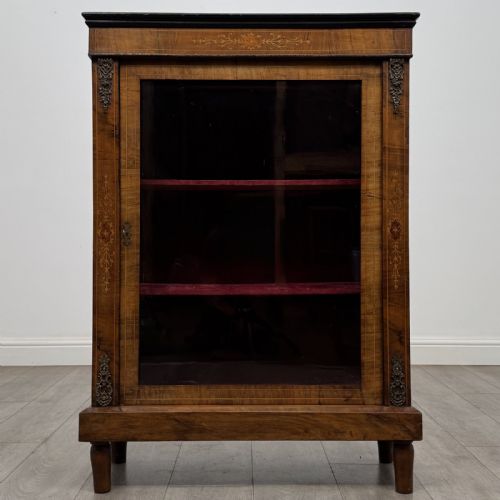
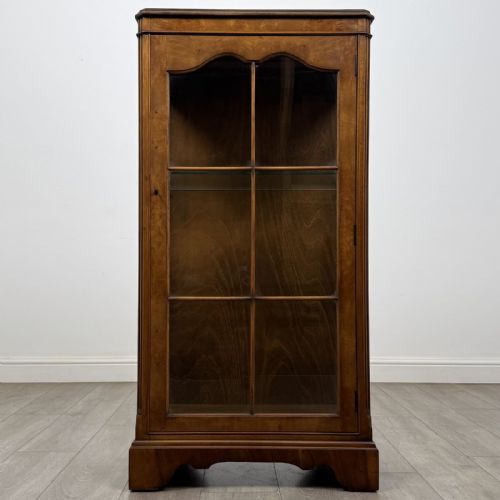
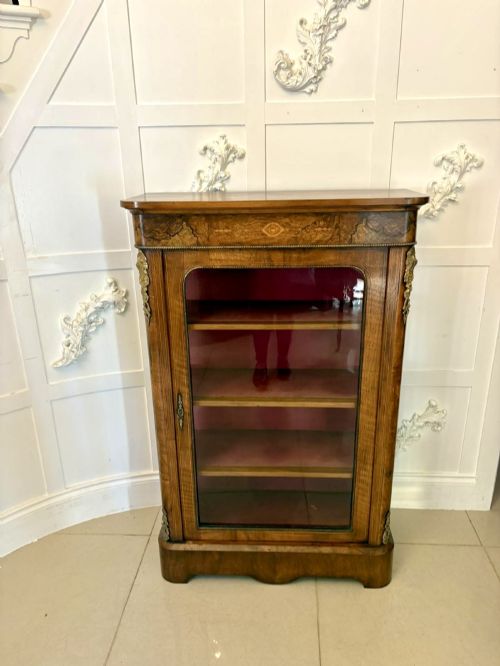
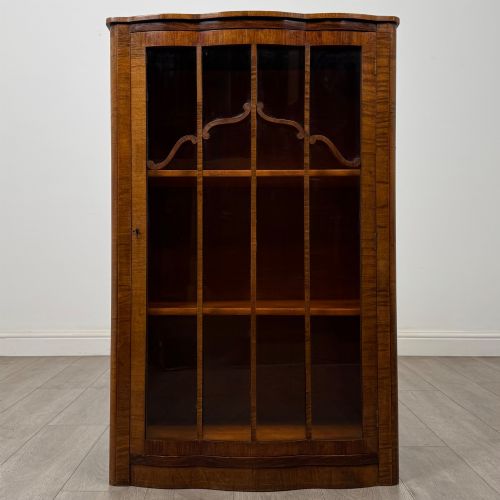
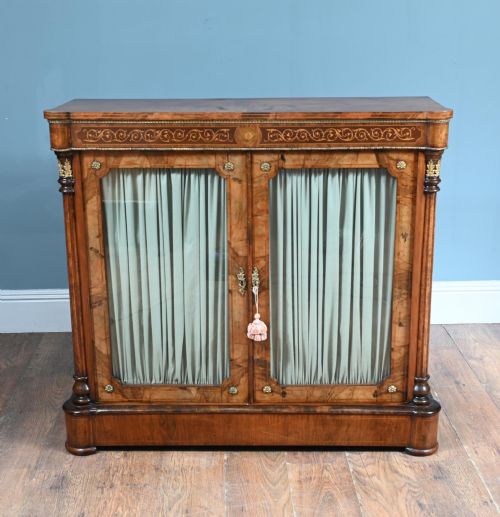
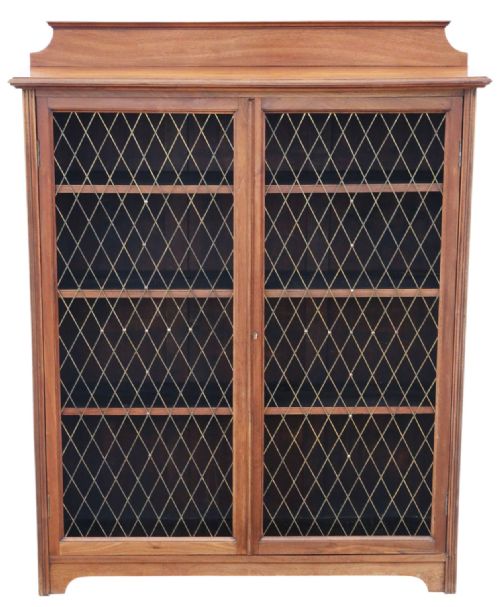
When you search for an edwardian walnut display case, you encounter refined timber furniture designed to showcase treasured possessions in domestic interiors. These pieces frequently take the form of glazed cabinets, bookcases, and pier cabinets intended for drawing rooms and parlours.
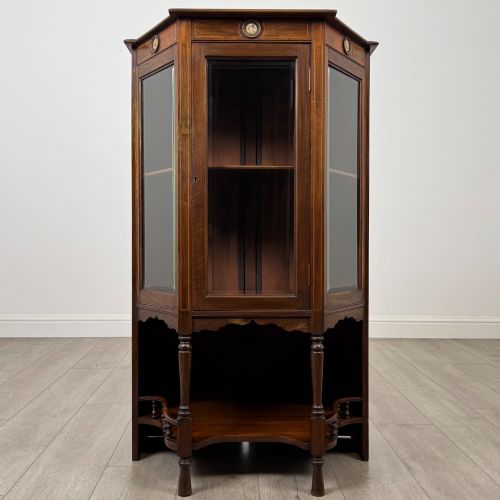
The selections span from upright single-door cupboards to break-front bookcases and corner units, often featuring glass panels that protect books and ornaments from dust. Victorian antecedents also appear alongside Edwardian examples, sharing similar timber construction and display functions.
Makers of the period utilised the natural figuring of the wood to create striking visual patterns on doors and panels. Whether standing on a floor or hanging on a wall, these enclosures organise and elevate everyday objects.
What varies in quality
The distinction between standard examples and the finest pieces rests upon the selection of timber and the complexity of the cabinet work. Highly figured burr walnut veneer and crisp crossbanding elevate a piece significantly above plain timber surfaces.
Attention to detail in the brass hardware, internal fabric linings, and the proportion of the glazed framing further separate superior examples. Refined carving and balanced proportions indicate skilled workshop production rather than routine manufacturing.
Edwardian Walnut Display Case Retail Price Guide 2026
Typical asking prices for edwardian walnut display case among the pieces listed under this phrase on Sellingantiques today, from the lower quarter to the upper quarter. They describe what is for sale here now, not the wider market.
One exceptional walnut cabinet bears hand-written advertising for Fry's Chocolate, recording its past life in a shop.
The Edwardian Walnut Display Case Glossary
- Burr walnut
- A veneer taken from the growth deformity of a walnut tree, producing swirling and mottled patterns. This figured timber was favoured for the main facade of high-status cabinets.
- Pier cabinet
- A low freestanding cabinet designed to fit the wall space between windows. These narrow pieces often feature glass doors and velvet-lined interiors for display.
- Crossbanding
- A decorative border technique where thin strips of veneer are laid perpendicular to the grain of the surrounding panel. This frames the cabinet door or top surface with a contrasting stripe.
- Ormolu
- Gilded bronze ornamentation applied to furniture for decorative accent. It provides metallic contrast against dark walnut surfaces.
Edwardian Walnut Display Case: Frequently Asked Questions
Where should I place a display case?
These cabinets suit reception rooms, libraries, or hallways where natural light illuminates the glass panels without causing fading to the contents.
Ensure the floor is level so the glazed doors hang true and latch correctly without binding against the frame.
How do I clean walnut furniture?
Dust the timber gently with a dry, soft cloth and avoid commercial silicone sprays that build up residue over time.
Feed the wood periodically with a traditional wax to maintain the moisture and lustre of the grain.
Can shelves be adjusted inside?
Many Edwardian and Victorian bookcases feature adjustable wooden shelves supported by rackwork or wooden pegs. This allows you to alter the interior height to accommodate books or taller ornaments.
Older cabinets may have fixed shelves integrated into the original carcase construction.
What is the difference between a pier cabinet and a bookcase?
A pier cabinet is typically lower and narrower, designed specifically for display against a wall pier, often featuring a single glass door and velvet lining. A bookcase is generally taller and deeper, built primarily for holding volumes of literature behind glazed doors.
Both forms utilise walnut timber and share similar construction periods.