





Edwardian Wall Lamps
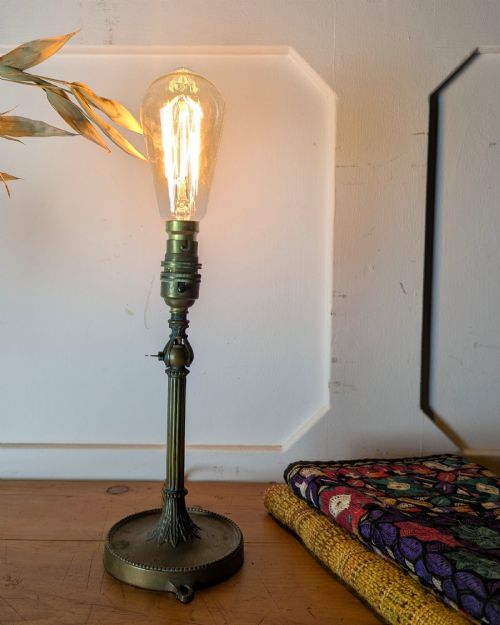
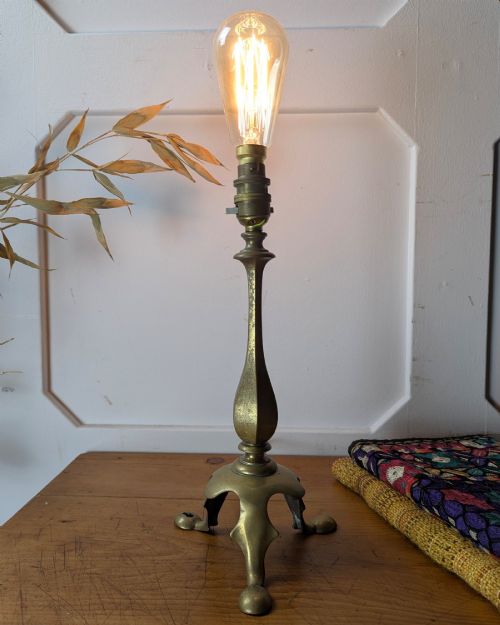
Edwardian wall lamps bring period character to hallways and living spaces through solid brass, copper, and glass construction.
Edwardian Wall Lamps
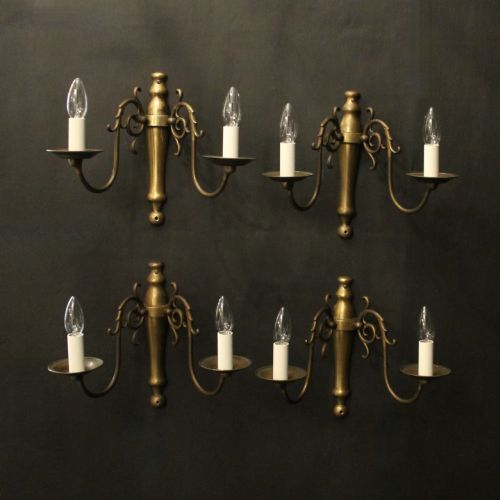
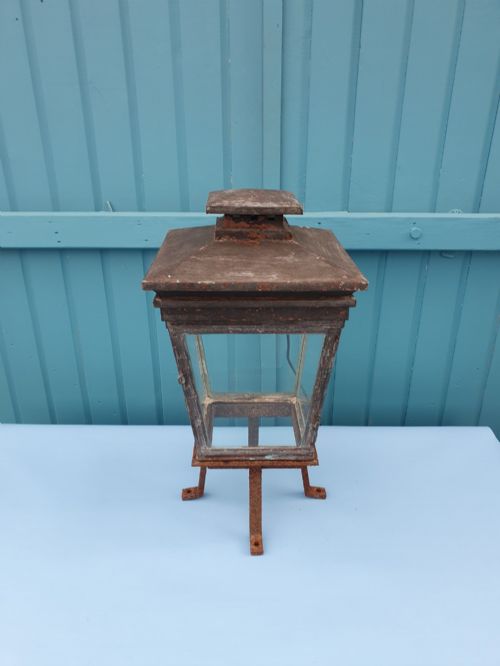
Edwardian wall lamps encompass domestic wall lights, sconces, and exterior lanterns produced around the turn of the twentieth century. The selection on this page ranges from brass interior sconces to copper and iron outdoor lanterns and porch lights.
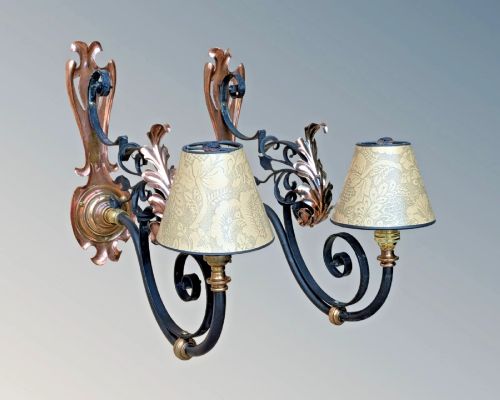
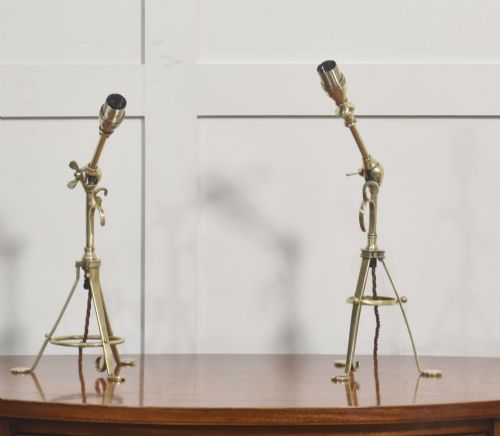
Makers and designers of the period embraced both traditional English styling and the flowing lines of Art Nouveau and Arts and Crafts movements. Buyers encounter adjustable brass fittings, twin-arm fixtures, and heavy cast metal carriage lights alongside simpler hallway lamps.
Materials and construction
Brass and copper form the primary structural metals for these wall fittings, often combined with cast iron, wrought iron, and silver plate. Many exterior lanterns and carriage lamps utilise heavy sheet copper paired with iron brackets to withstand outdoor exposure.
Glass elements range from plain panels in hexagonal baluster lanterns to delicate shades on interior sconces. Several pieces record historical conversions from earlier gas or oil illumination to standard domestic electricity.
Edwardian Wall Lamps Retail Price Guide 2026
Typical asking prices for edwardian wall lamps among the pieces listed under this phrase on Sellingantiques today, from the lower quarter to the upper quarter. They describe what is for sale here now, not the wider market.
Periods represented span from the 19th century through the Victorian and Edwardian eras into the 1920s and 1930s.
Assessing quality and form
Quality separates standard utilitarian utility lighting from sophisticated artistic production by workshops of the era. Heavier gauges of brass, refined casting detail on cherub sconces or rococo revival mounts, and integrated adjustability mark out superior examples.
The degree of original survival, particularly regarding glass panels, backplates, and conversion methods, influences the character of each piece. Matching pairs command distinct attention from single survivors.
W.A.S. Benson·Shoolbred & Co
The Edwardian Wall Lamps Glossary
- Sconce
- A wall-mounted lighting fixture designed to hold candles or electric lamps. These typically feature decorative backplates fixed directly to the wall.
- Baluster
- A vertical architectural form with a swelled base, seen here shaping hexagonal lamp bodies. This silhouette draws on classical column design.
- Silver Plate
- A thin layer of silver applied over a base metal foundation. This finish appears on refined interior twin-arm wall lights.
- Wrought Iron
- Iron beaten and shaped by hand while hot, producing decorative scrollwork and sturdy brackets. This material defines the Arts and Crafts aesthetic.
Edwardian Wall Lamps: Frequently Asked Questions
What is an edwardian wall lamp?
An Edwardian wall lamp is a lighting fixture designed to mount onto a vertical surface, produced during the reign of King Edward VII and adjacent early twentieth-century decades.
These pieces use brass, copper, and iron, taking forms from simple hallway sconces to robust porch and carriage lanterns.
Were these lamps converted to electricity?
Many surviving wall lamps and lanterns from this era began life utilising gas or oil for illumination before later conversion to electricity.
Conversion allows historical metalwork and glass to function safely within modern domestic wiring standards while retaining original exterior patina.
How do I identify Arts and Crafts styles?
Arts and Crafts lighting fixtures emphasise visible construction methods, hand-worked copper, and sturdy wrought iron frames without excessive surface ornament.
Simplicity of line and robust utilitarian forms distinguish these pieces from more ornate Victorian or Rococo Revival wall sconces.
Where should I place these wall lights?
Interior wall sconces suit hallways, living rooms, and beside mirrors where space precludes table lamps.
Exterior copper and iron lanterns function outdoors beside doorways, provided their current weatherproofing matches the intended installation site.