
Edwardian Vitrine
An Edwardian vitrine brings light and elegance to a room, designed specifically to display cherished collections behind fine glass.
Edwardian Vitrine
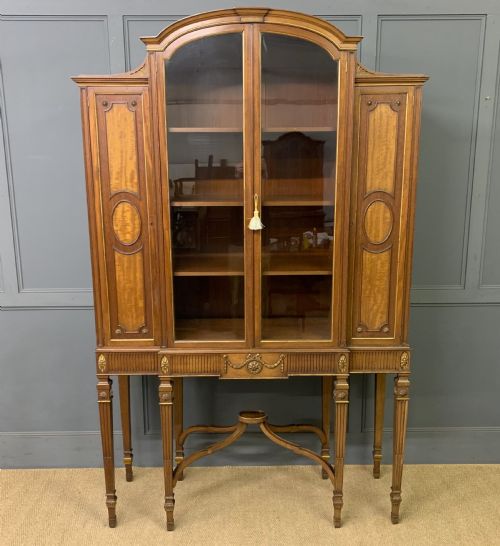
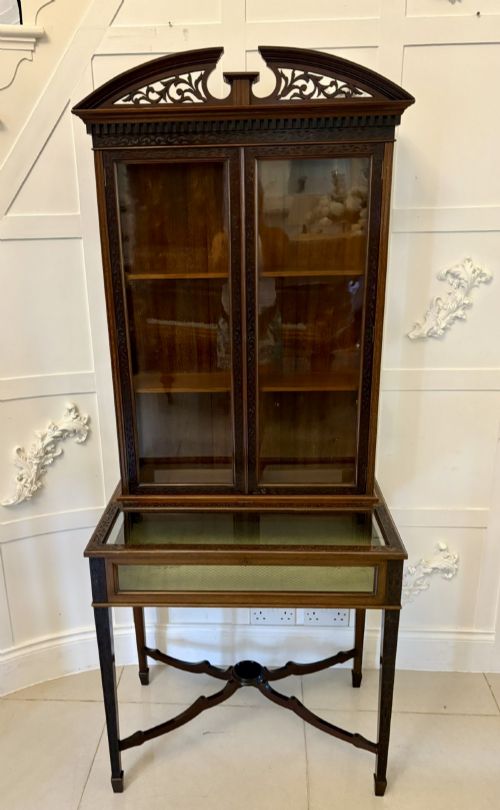
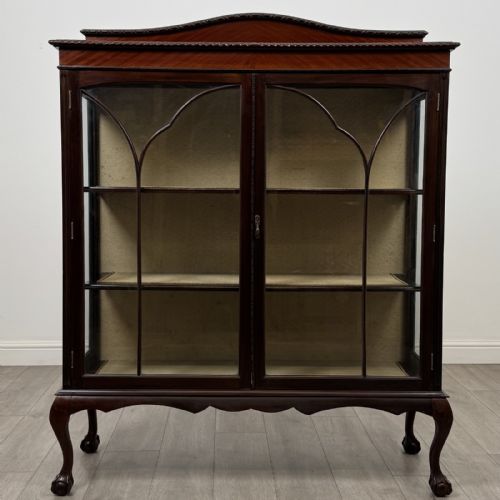
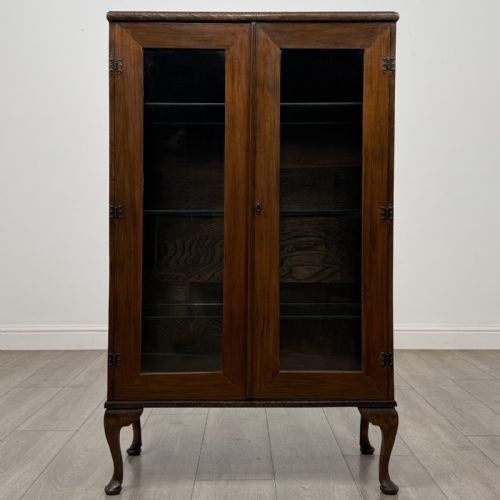
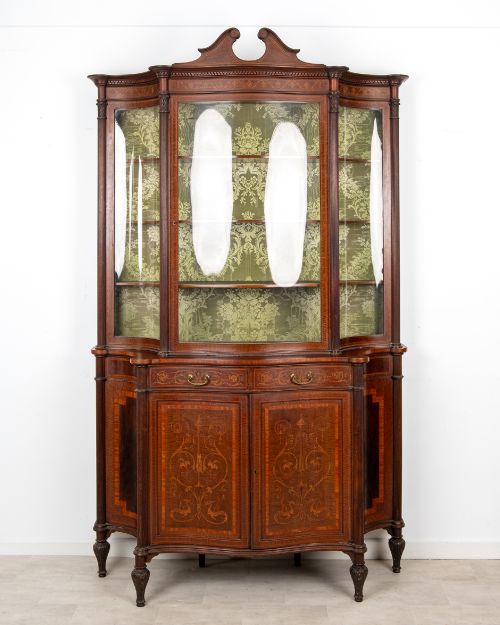
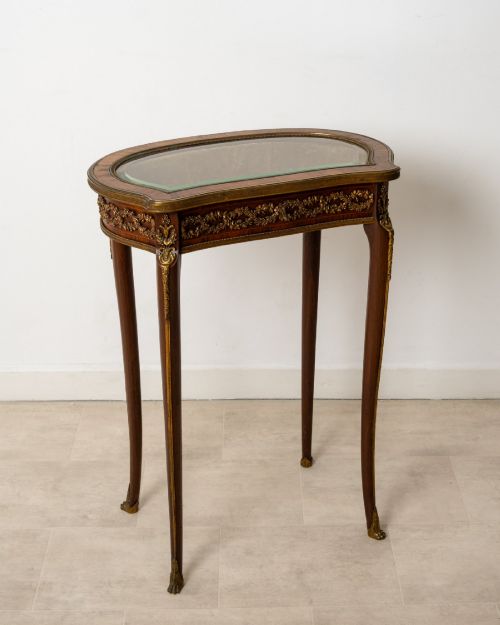
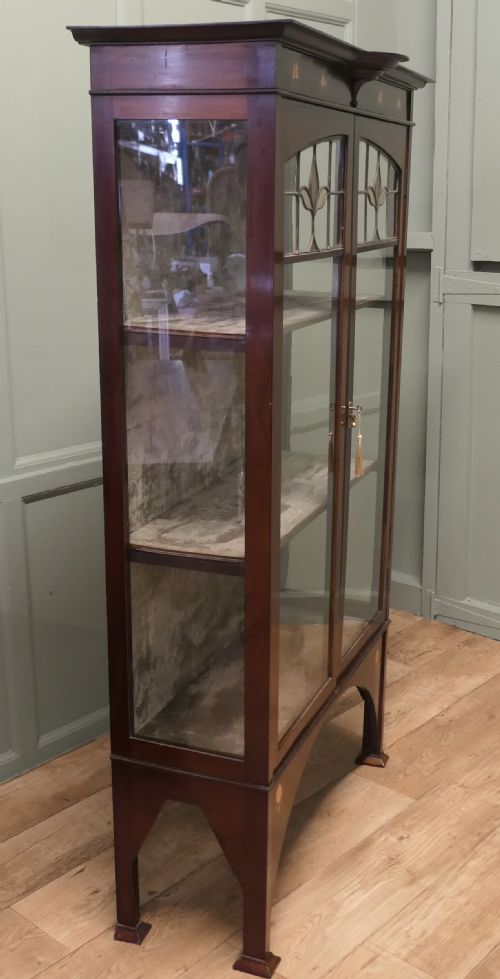
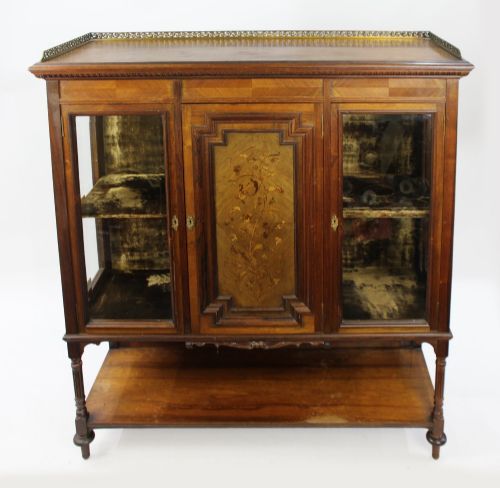
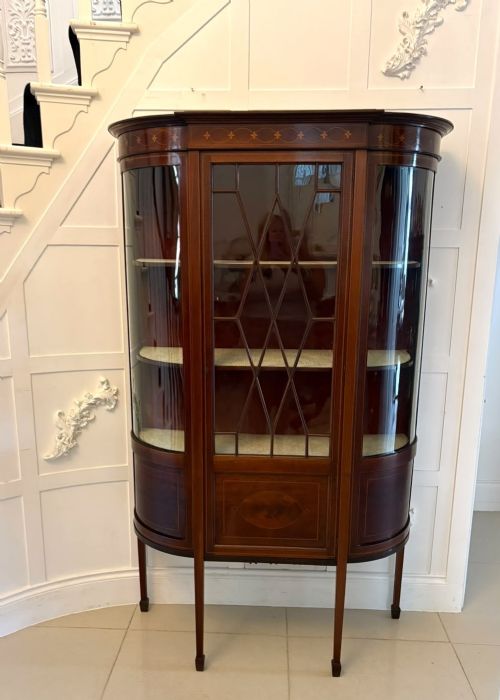
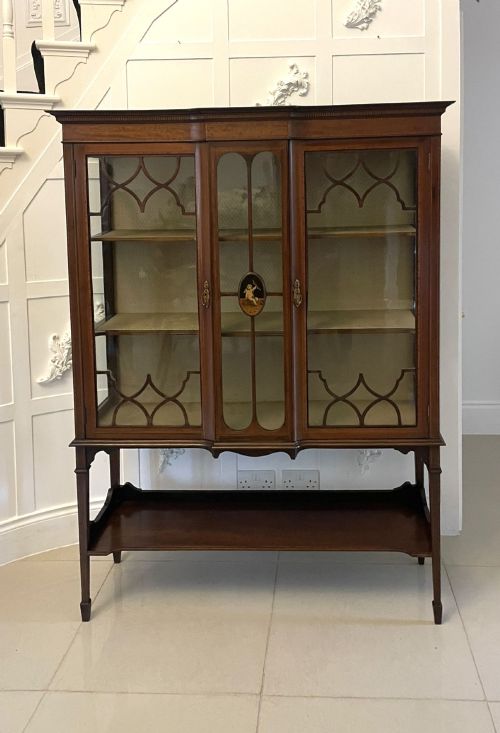
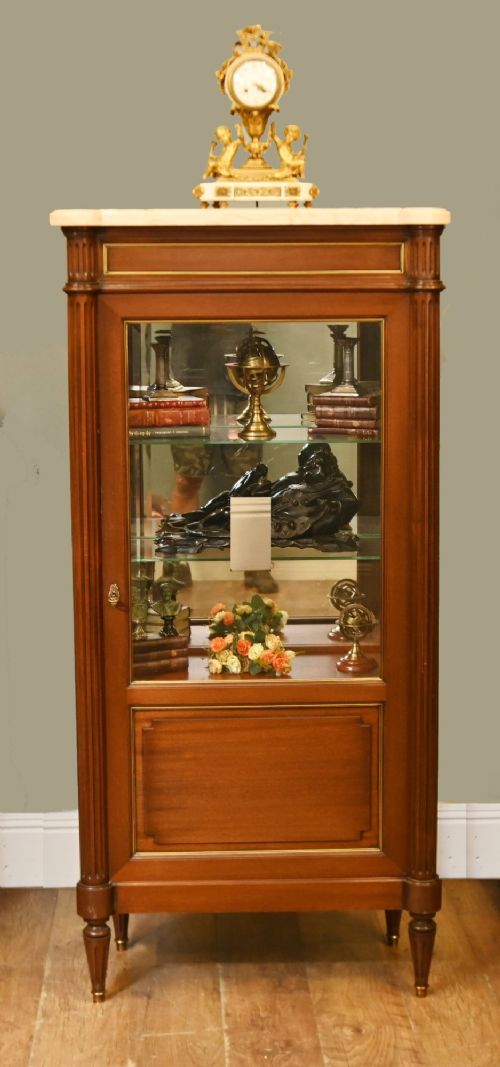
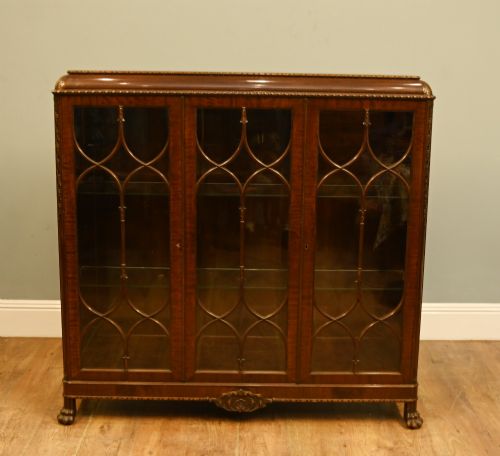
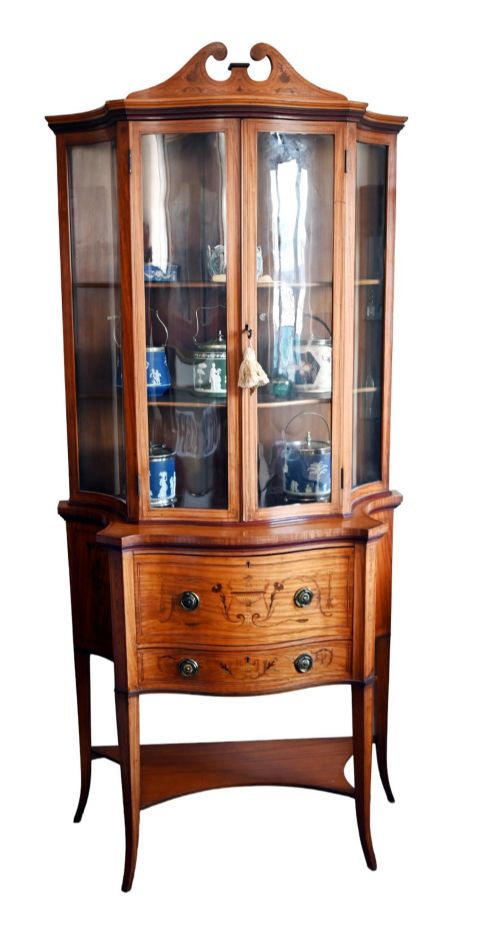
An edwardian vitrine is a glazed display piece created to showcase porcelain, silver miniatures, and curiosities within the home. Buyers searching this phrase encounter refined display cabinets, bijouterie tables, and bureau bookcases originating predominantly from the Edwardian period, alongside related examples from the late nineteenth century and early twentieth century. These furnishings range from compact bow-front cabinets to tall freestanding display furniture with glazed doors and shelves.
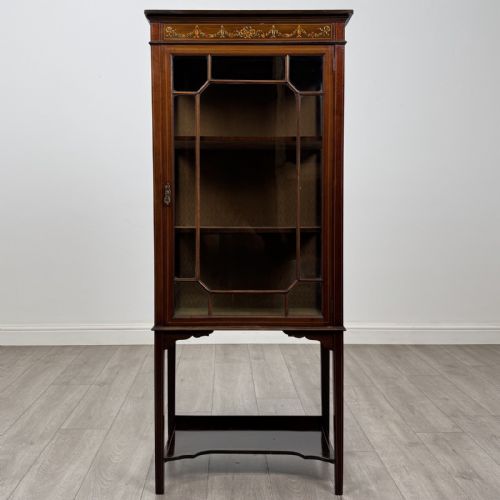
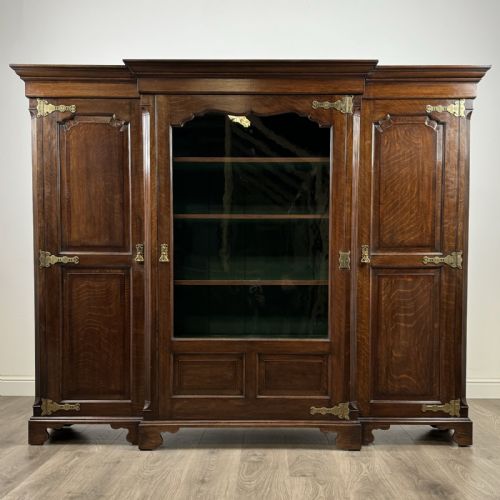
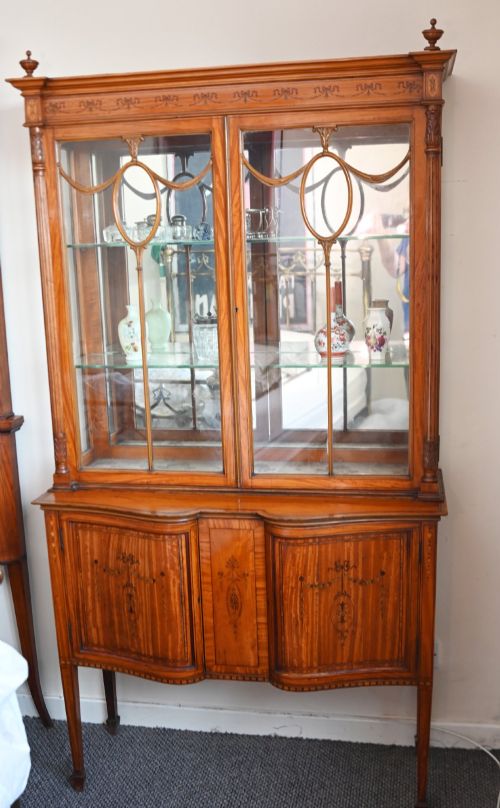
The aesthetic leans heavily towards Sheraton Revival styling, often incorporating delicate satinwood inlay, painted decoration, and classical motifs such as spade feet. Alongside these formal mahogany pieces, one finds oak alternatives with turned legs, walnut vitrines featuring porcelain plaques, and striking examples influenced by the Arts and Crafts and Art Nouveau movements. French variants in kingwood with gilt bronze mounts also appear among the selection.
Materials and construction methods
Cabinet makers relied primarily on mahogany and satinwood as the foundation for formal Edwardian vitrines, frequently enhancing surfaces with intricate stringing and marquetry inlay. Oak and walnut serve as sturdy alternatives in pieces designed for broader domestic or commercial use, while exotic woods like kingwood define continental examples. Glass forms the primary viewing panels and interior shelves, supported by brass hardware and occasionally lined with fabric interiors.
Structural joinery balances visibility with strength, utilising slender framework to maximise the expanse of glass. Cabinets rest upon various supports including claw and ball feet, spade feet, and cabriole legs, while specialised shop display pieces utilise robust oak and mahogany framing to withstand heavier commercial handling.
Among the glass and mahogany sits a tiny sterling silver soldier standing at attention, ready to guard your cabinet.
Evaluating craftsmanship and detail
Superior quality edwardian vitrine pieces distinguish themselves through the crispness of their wood inlay, the selection of figured timber veneers, and the finesse of any hand-painted decoration. Lesser examples rely on printed substitutes or minimal ornamentation, whereas top-tier cabinets exhibit meticulous joinery and balanced proportions.
The integration of materials also dictates standing, with fine brass mounts, original glass shelves, and intact fabric linings elevating a piece. Furthermore, works carrying attribution to notable makers or retailers hold greater distinction than standard mass-produced equivalents.
Maple and Co·Hampton and Sons·F Sage and Co
The Edwardian Vitrine Glossary
- Vitrine
- A glass-fronted cabinet or display case designed specifically for showing porcelain, silver, and decorative objects. These pieces often feature all-glass sides to maximise illumination of the contents.
- Bijouterie table
- A specialised display table with a glazed top and compartment designed for holding small personal treasures and jewellery. They sit at a convenient height for viewing items from above.
- Sheraton Revival
- A late nineteenth and early twentieth century design movement replicating the neoclassical style of Thomas Sheraton. Pieces typically use satinwood, delicate inlay, and tapered legs.
- Bow-front
- A convex curved cabinet front that softens room corners and adds visual movement to the furniture. This shape requires skilled carpentry to curve both the wooden frame and the fitted glass door.
- Spade foot
- A square-section tapering foot ending in a wider rectangular pad, frequently seen on late eighteenth century revival furniture. It provides a neat termination to slender legs.
- Stringing
- Thin lines of contrasting wood inlaid into the surface of a cabinet to create geometric borders. This decorative technique highlights the contours of doors and tabletops.
Edwardian Vitrine: Frequently Asked Questions
What is an edwardian vitrine used for?
These cabinets were originally designed for displaying delicate porcelain, glassware, silverware, and imported curiosities gathered during travels. The glass doors and shelves protected fragile items from dust while keeping them fully visible to visitors.
Today, collectors utilise them in living rooms, dining spaces, and hallways to exhibit ceramics, books, and treasured objects in a controlled setting.
How do I identify a Sheraton Revival piece?
Sheraton Revival furniture draws inspiration from the neoclassical designs of the late eighteenth century, translated through Edwardian manufacturing techniques. Look for pale satinwood timbers, delicate floral or ribbon marquetry, and tapered legs.
These pieces often feature painted decoration and symmetrical urn or bellflower motifs, distinguishing them from heavier Victorian styles.
Are the glass shelves usually original?
Many surviving display cabinets retain their original thick plate glass shelves, which often show minor surface wear consistent with age. Some pieces feature wooden frames holding the glass, while others rest on adjustable brass supports.
Replacement glass is occasionally fitted during restoration to ensure safety and structural integrity for modern display weights.
Where should I place a vitrine in a room?
Because these cabinets feature glass panels on the front and frequently the sides, positioning them near a natural light source enhances the visibility of the contents. Ensure the floor is level so the doors hang true and latch properly against the frame.
Avoid placing delicate mahogany or satinwood pieces in direct, strong sunlight to prevent the natural fading of the timber and inlay.