



Edwardian Vanity Glass
Edwardian vanity glass encompasses the cut crystal bottles, enamelled jars and dressing mirrors that defined early twentieth-century dressing tables.
Edwardian Vanity Glass
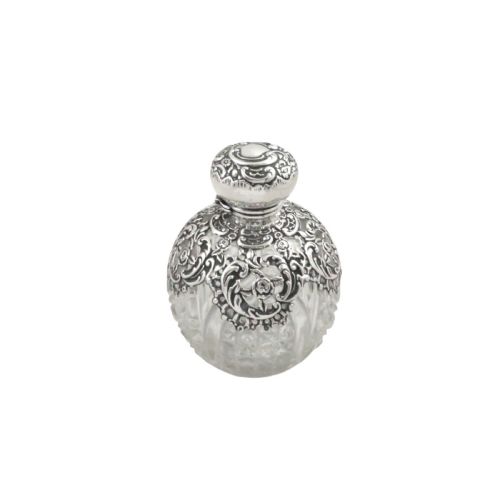
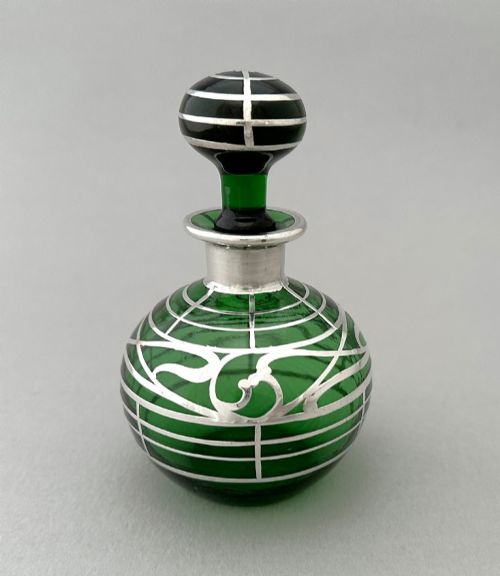
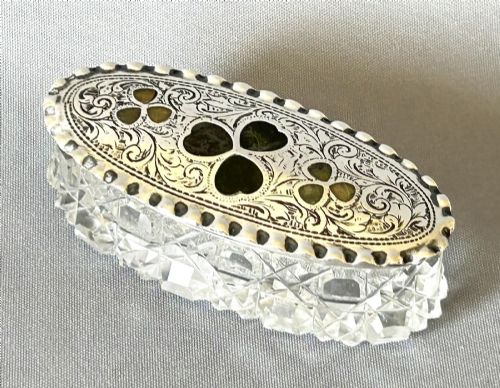
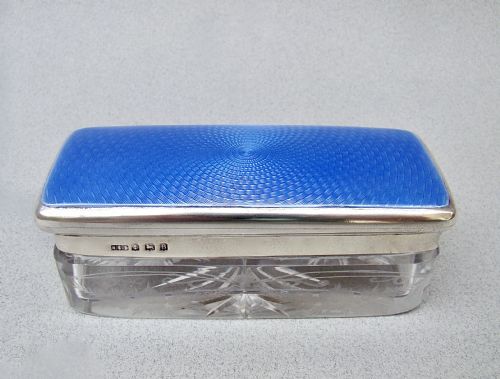
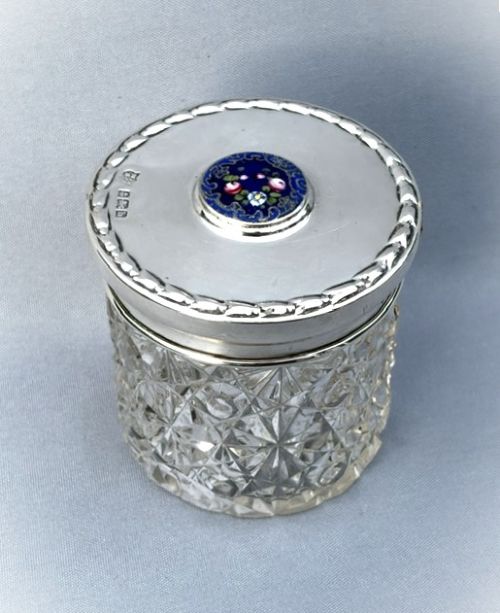
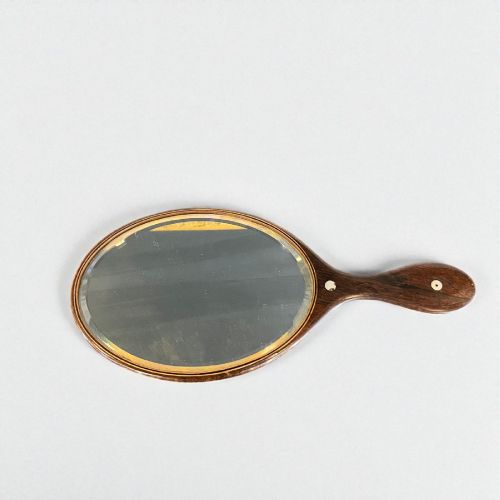
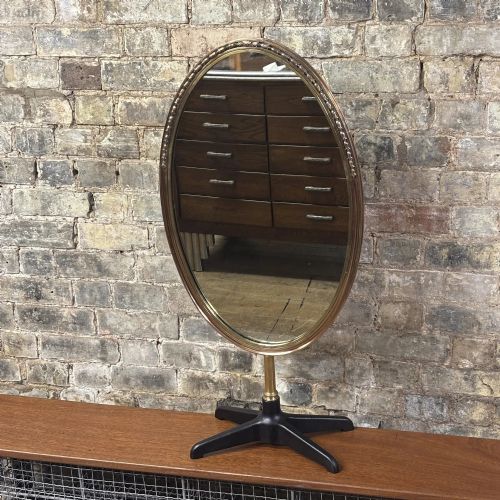
When searching for edwardian vanity glass, collectors encounter a diverse group of dressing table accessories spanning scent bottles, trinket boxes, lidded jars and mirrors. The selection on this page ranges from portable cologne bottles to large mahogany dressing mirrors, alongside distinct pieces originating from the Edwardian period and neighbouring decades.
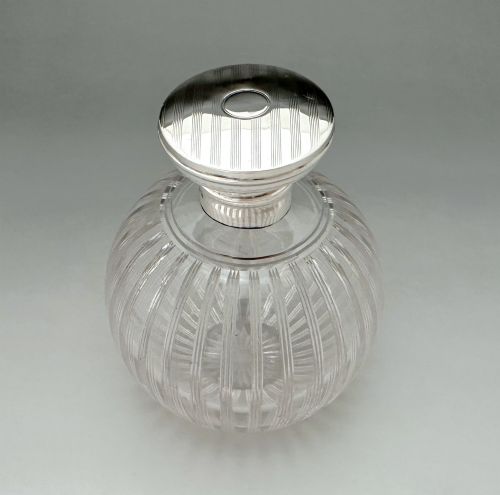
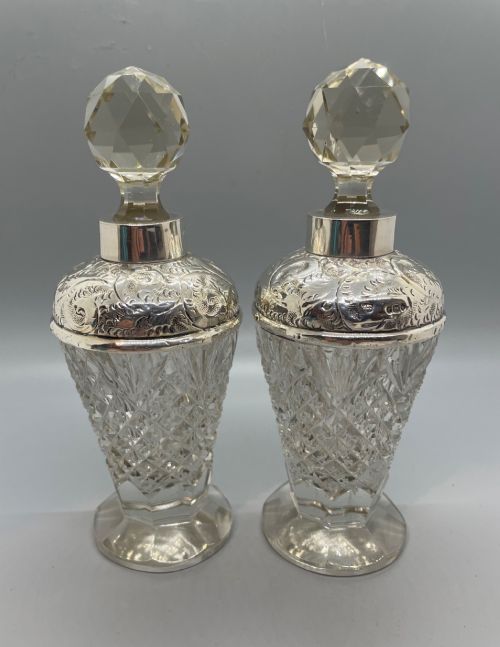
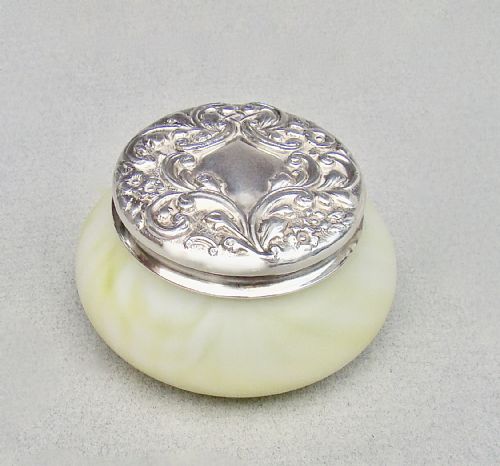
The most prevalent items take the form of cut glass scent bottles and vanity jars fitted with sterling silver mounts or enamel lids. These encompass both British hallmarked examples and continental glass from makers such as Baccarat and Bohemian glasshouses.
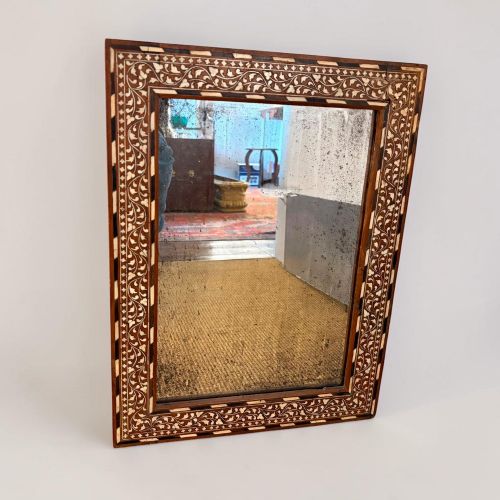
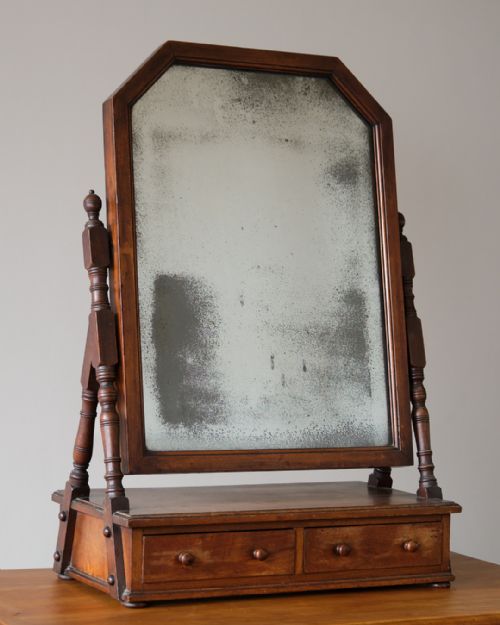
Framed mirrors in mahogany, oak, brass and walnut frequently appear alongside smaller glass containers, often featuring bevelled glass plates or adjustable table-top stands. Such objects reflect the domestic interior of the early twentieth century, where grooming accessories were displayed openly on dressing chests.
How They Were Made
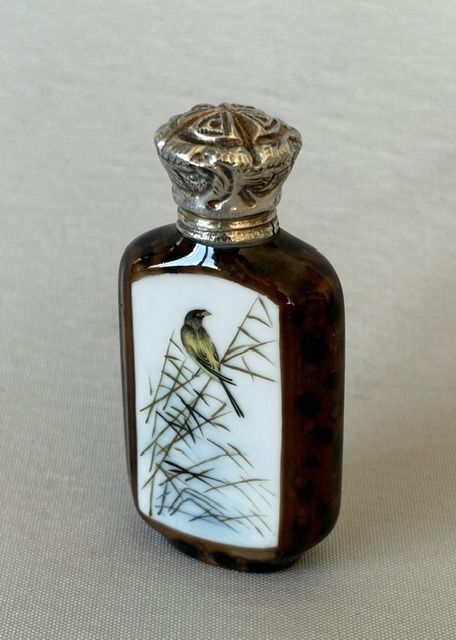
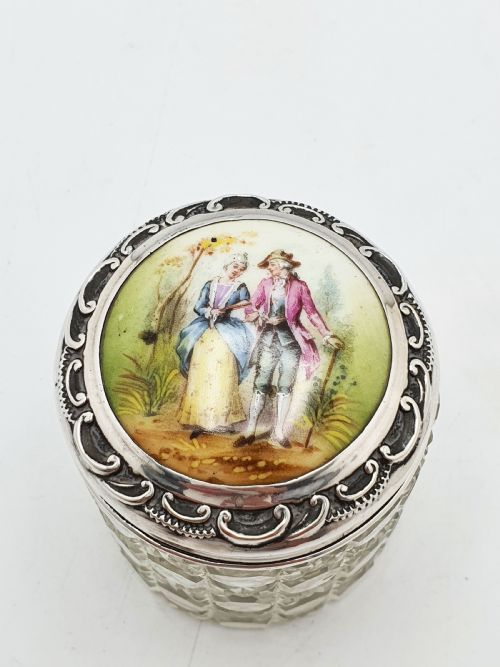
Makers shaped glass through cutting, moulding and frosting, frequently pairing clear, cranberry or amber crystal with heavy sterling silver collars and lids. Many jars and bottles incorporate guilloche enamel or tortoiseshell panels inset into the silver mounts.
Mirror frames relied on traditional cabinetmaking timbers including mahogany, oak and walnut, often shaped into oval or shield forms with pivoting brackets. Metalwork components combined cast brass with stamped and hallmarked silver elements.
Edwardian Vanity Glass Retail Price Guide 2026
Typical asking prices for edwardian vanity glass among the pieces listed under this phrase on Sellingantiques today, from the lower quarter to the upper quarter. They describe what is for sale here now, not the wider market.
Travel sets often included miniature glass funnels for decanting perfumes without spilling a drop onto the dressing table.
What Varies In Quality
Quality rests upon the depth and clarity of the glass cutting, the weight and purity of the sterling silver mounts, and the preservation of any enamel or tortoiseshell work. Finer scent bottles and jars demonstrate crisp facet-cutting on the crystal and secure, well-fitted metal lids bearing clear town hallmarks and maker marks.
In vanity mirrors, the construction of the timber frame, the presence of original bevelled glass plates, and the stability of the adjustable stands dictate the tier of the piece. Untouched original fittings and intact enamel without chipping command greater interest among collectors.
Henry Clifford Davis·A. Bromet & Co·Gorham·Harold Bushell & Co·R. Comyns
The Edwardian Vanity Glass Glossary
- Guilloche enamel
- A decorative technique involving precise mechanical engraving beneath translucent coloured enamel. This method was widely utilised on Edwardian and Art Deco silver vanity items.
- Cranberry glass
- A rich red glass coloured with gold chloride during production. It appears frequently in scent bottles and trinket jars from the period.
- Bevelled glass
- A mirror or glass plate with angled, polished edges designed to catch the light. It is commonly found on dressing table and wall mirrors of the early twentieth century.
- Cheval mirror
- A freestanding full-length or table-top mirror supported on a swivelling frame between two upright pillars. These allow the glass to tilt to various angles.
- Hallmark
- An official stamp applied by an assay office to indicate the metal standard, place of origin and year of manufacture. British sterling silver pieces typically display these marks on their mounts.
Edwardian Vanity Glass: Frequently Asked Questions
How do I care for antique glass and silver?
Antique glass requires gentle cleaning with warm soapy water and a soft cloth, avoiding harsh abrasives that might scratch the surface. Sterling silver mounts should be polished carefully with a specialist cloth while taking care not to stain adjacent glass or enamel panels.
Storing these pieces away from direct sunlight helps preserve coloured glass and prevents enamel from fading over time. Mechanical parts like mirror pivots benefit from occasional checks to ensure they remain stable.
Were these items used for travel?
Many perfume bottles and vanity jars were manufactured as part of fitted travelling cases or small leather-bound trios. These allowed owners to carry personal scents and powders safely during journeys.
Other larger pieces remained stationary on dressing chests and vanity tables. Portable examples often featured secure screw-down silver lids to prevent spillage in transit.
How do I distinguish Edwardian from Victorian pieces?
Distinguishing between Victorian and Edwardian vanity items involves examining the stylistic details of the silver mounts and glass forms. Victorian pieces often display heavier, more ornate ornamentation, whereas Edwardian objects frequently lean towards lighter lines, neoclassical revivals, or early Art Nouveau curves.
Assay office hallmarks on the silver mounts provide definitive dating evidence. Comparing these marks with period styles confirms the exact decade of manufacture.