


Edwardian Upholstered Furniture
Edwardian upholstered furniture brings together polished mahogany and walnut frames with tactile fabric, velvet, and needlework seats for comfortable domestic interiors.
Edwardian Upholstered Furniture
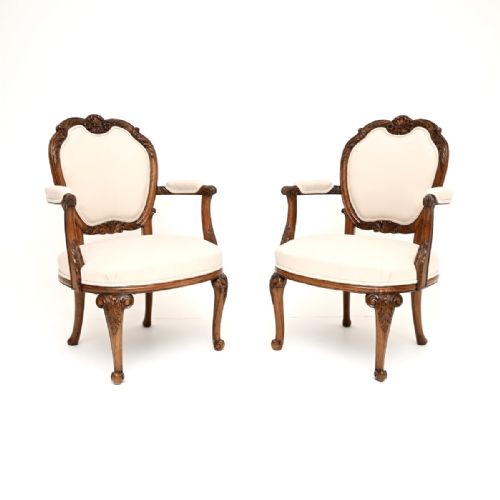
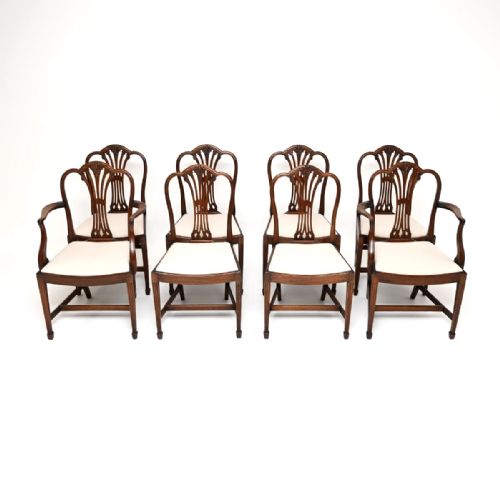
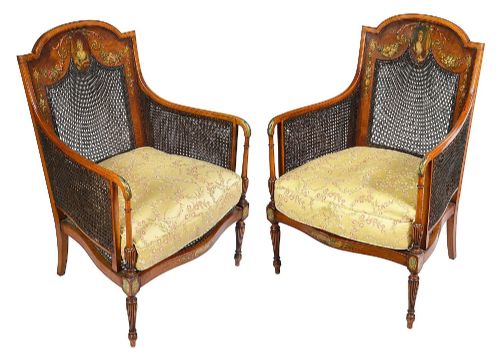
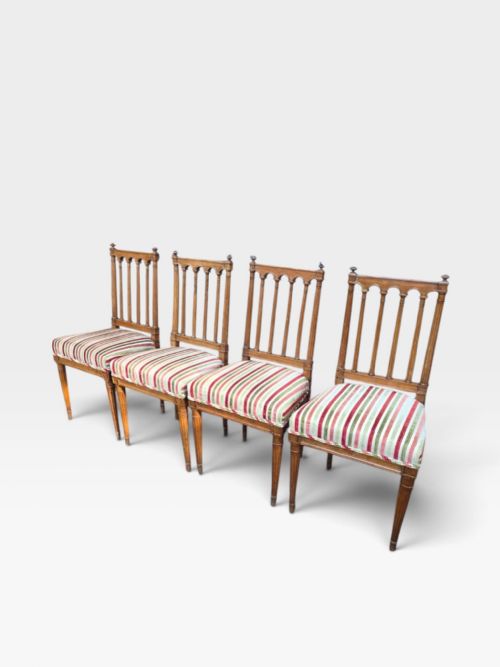
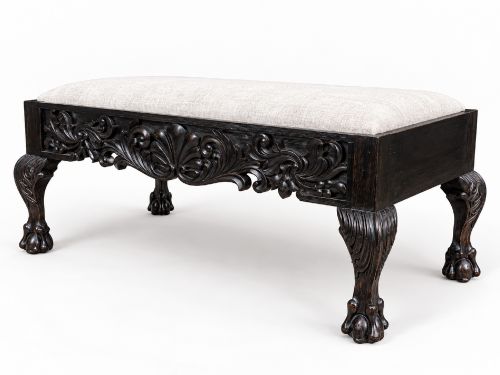
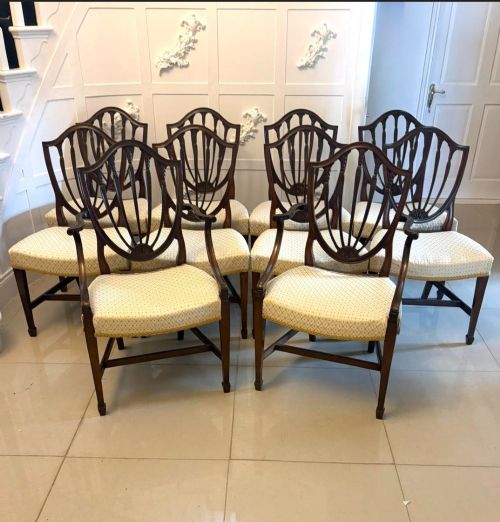
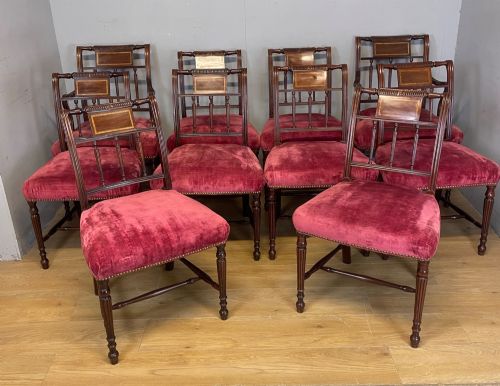
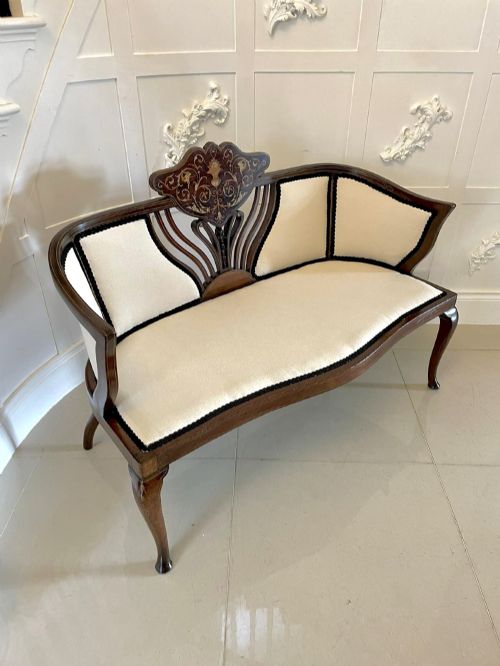
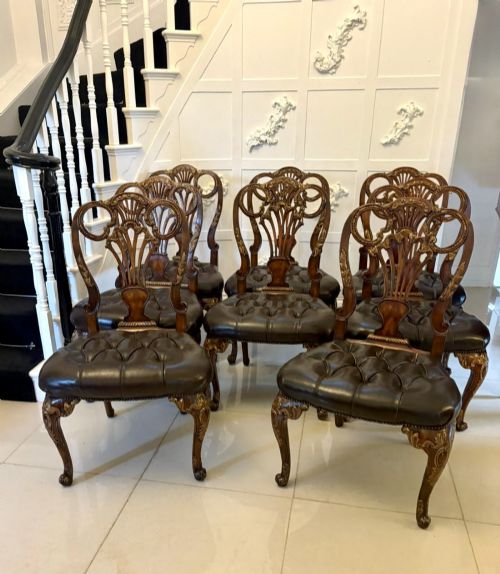
When you search for edwardian upholstered furniture, you encounter seating designed for comfort and reception rooms, ranging from dining chairs and armchairs to large settees and window seats. The forms draw on Edwardian, Victorian, and Arts and Crafts traditions, often executed in mahogany, walnut, or oak with intricate inlay and carving.
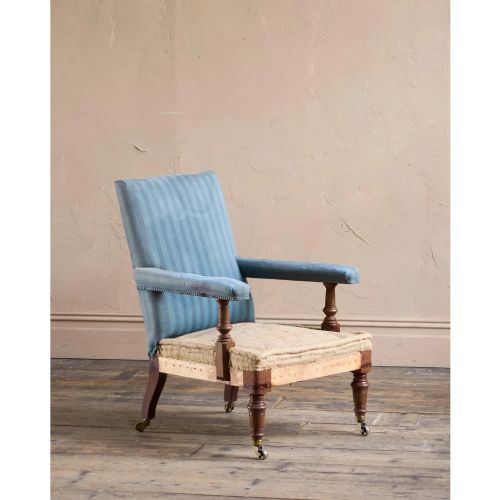
You are most likely to meet dining chairs and parlor seating carrying inlaid mahogany or carved walnut frames. These pieces incorporate upholstered pads, drop-in seats, or fully covered frames in velvet, textile, and coastal stripe fabric.
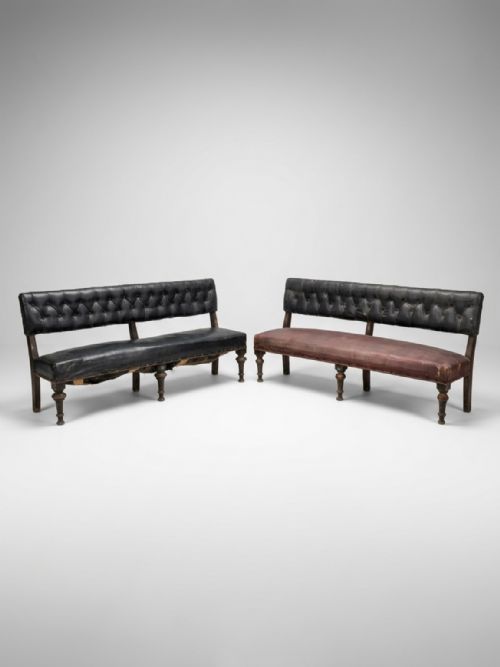
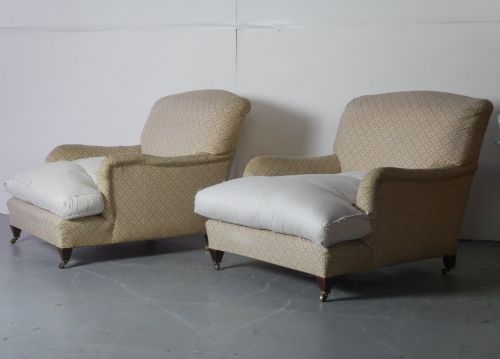
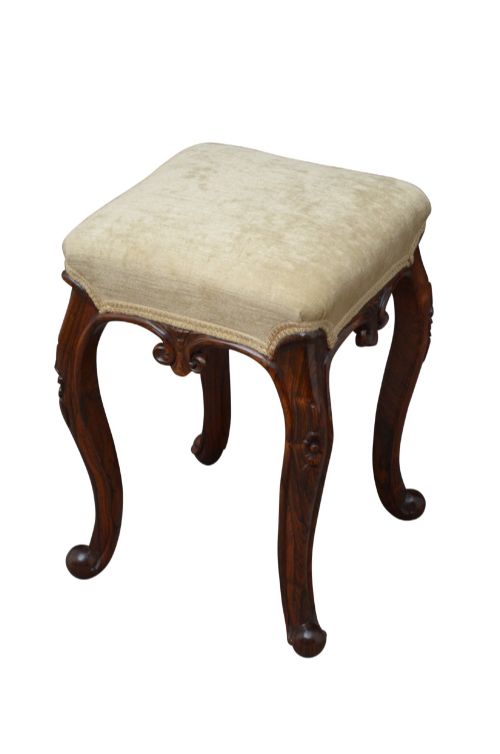
Larger seating options include multi-piece suites, conversational seats, and daybeds intended for principal rooms. Workshops of the period also produced piano stools and specialised recliners, reflecting the varied social uses of domestic spaces at the turn of the twentieth century.
How they were made
Makers constructed the structural frames primarily from solid hardwoods like mahogany, walnut, and oak, frequently enhancing surfaces with satinwood banding, marquetry inlay, or delicate gilding. Joinery relied on traditional techniques to ensure stability across load-bearing legs and backrests.
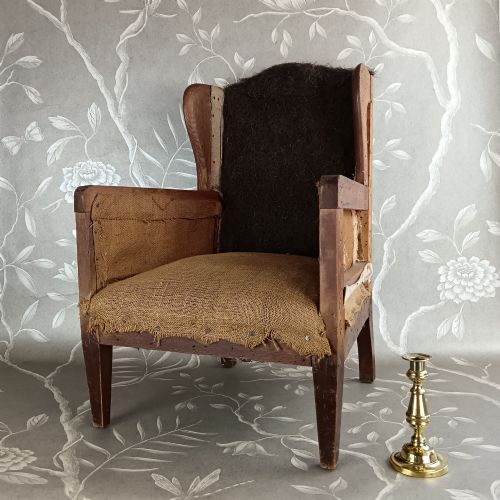
Upholstery involved supportive internal webbing and stuffing layers beneath top covers of velvet, textile, needlework, or cane panels. Brass fittings and casters often finished the feet of heavier armchairs and settees to assist movement on carpets.
Edwardian Upholstered Furniture Retail Price Guide 2026
Typical asking prices for edwardian upholstered furniture among the pieces listed under this phrase on Sellingantiques today, from the lower quarter to the upper quarter. They describe what is for sale here now, not the wider market.
Stags antler armchairs offer a striking reminder that late Victorian comfort sometimes required hunting lodge taxidermy.
What varies in quality
The distinction between standard commercial production and superior pieces lies in the precision of the woodwork and the crispness of carved details. Master workshops employed dense timbers and refined inlay work that remained tight and stable over decades of use.
Upholstery execution and frame proportions also dictate the upper tier of the range. Pieces from notable makers display balanced ergonomic curves, robust internal lining, and harmonious textile selections that elevate the entire object.
Maple and Co·Whytock and Reid·Hindley and Sons·Harrods London·Blyth and Sons·Howard and Sons
The Edwardian Upholstered Furniture Glossary
- Inlay
- The technique of embedding contrasting strips of wood or shell into the primary wood surface to create decorative patterns. This method defines much of the refined cabinetwork seen on Edwardian chairs and tables.
- Cabriole leg
- A furniture leg that curves outward at the knee and tapers inward toward the foot, echoing animal limbs. This profile appears frequently on seating from the Victorian and Edwardian periods.
- Settee
- A medium-sized upholstered wooden bench with a backrest and arms, designed for two or more people. These pieces served as primary reception room seating before the widespread adoption of large modern sofas.
- Needlework
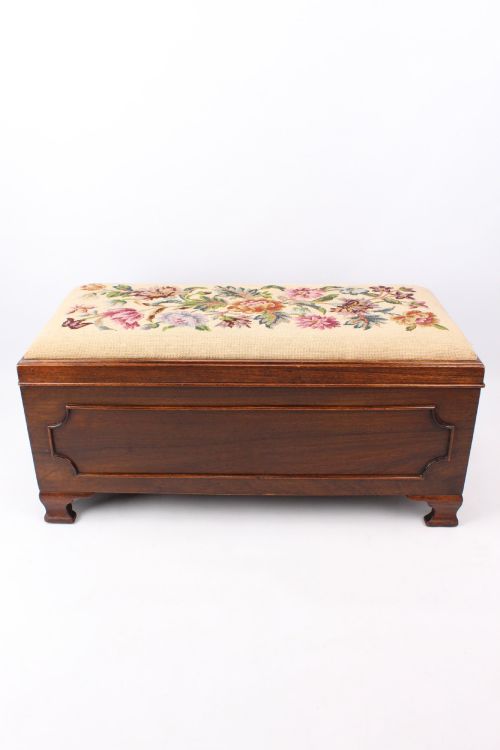
- Hand-stitched textile work utilising yarn on a canvas mesh ground, often employed for seat covers and footstools. Such panels provide tactile warmth and decorative complexity to wooden frames.
- Chinoiserie
- Decorative style employing motifs inspired by Chinese art and design, translated through European manufacturing techniques. Pieces featuring this aesthetic typically display lacquerwork and thematic painted scenes.
Edwardian Upholstered Furniture: Frequently Asked Questions
What is a window seat used for?
A window seat serves as a compact, movable bench designed to fit beneath or near a window for reading and relaxing. These low-profile pieces frequently incorporate upholstered tops and decorative wooden frames.
In period interiors, they provided flexible seating that did not obstruct natural light. Today, they function well in hallways, bedrooms, and reception rooms.
Are piano stools adjustable?
Certain piano stools feature mechanical systems allowing the seat height to be altered for the player. These mechanisms typically utilise a central wooden screw or side handles.
Fixed-height variants were also common, often incorporating storage compartments beneath hinged seats for sheet music. Both types demonstrate the specialised domestic utility characteristic of the era.
How do Arts and Crafts chairs differ?
Arts and Crafts chairs prioritize exposed structural honesty, plain oak timbers, and straightforward joinery over applied surface ornamentation. Makers emphasised hand-worked finishes and functional utility.
This aesthetic rejected mass-produced industrial excess in favor of visible craftsmanship. Consequently, these pieces present a robust, geometric silhouette distinct from polished mahogany salon furniture.