


Edwardian Turned Wood Lamp
An edwardian turned wood lamp brings warmth and steady proportion to a room, offering functional light shaped by early twentieth-century hands.
Edwardian Turned Wood Lamp
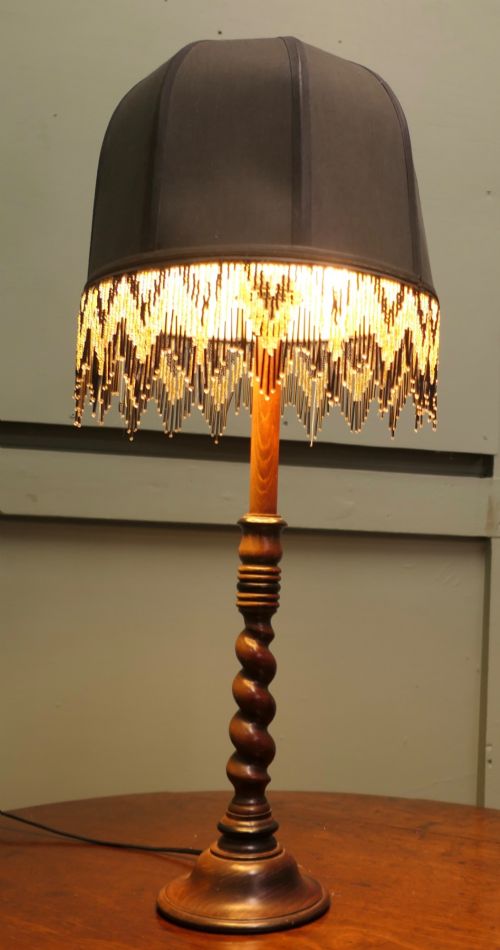
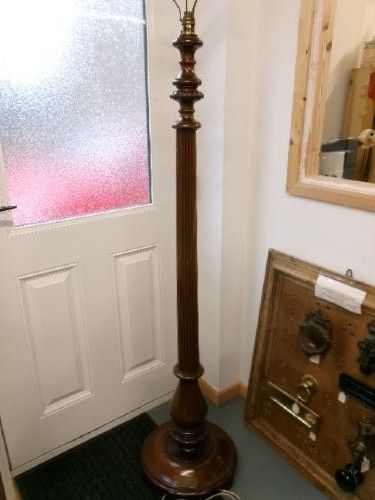
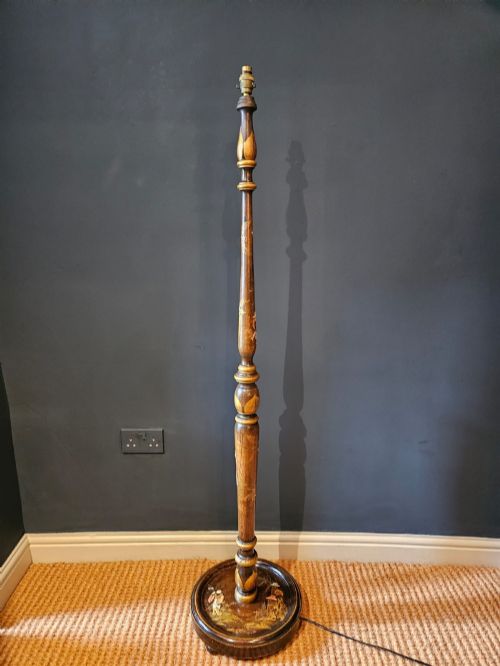
An edwardian turned wood lamp typically takes the form of a tall floor-standing standard lamp or a smaller table-height fitting designed to hold illumination. The listings on this page span the Edwardian era alongside surrounding periods like the Victorian age and the 1920s, reflecting diverse forms from slender floor columns to compact turned supports.
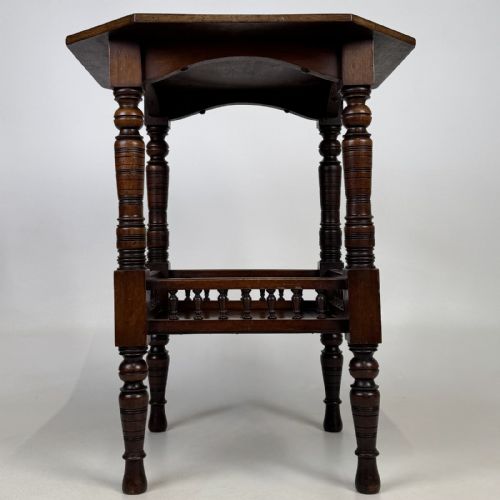
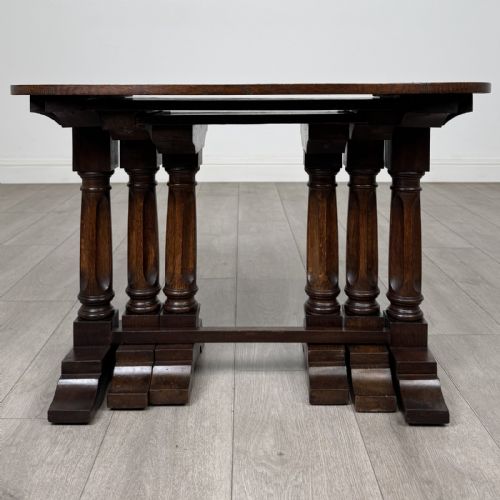
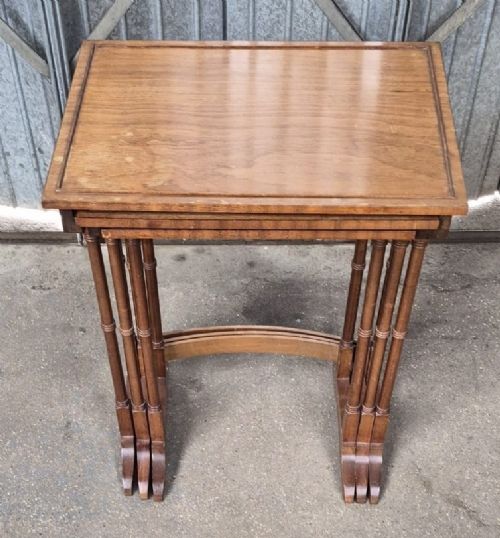
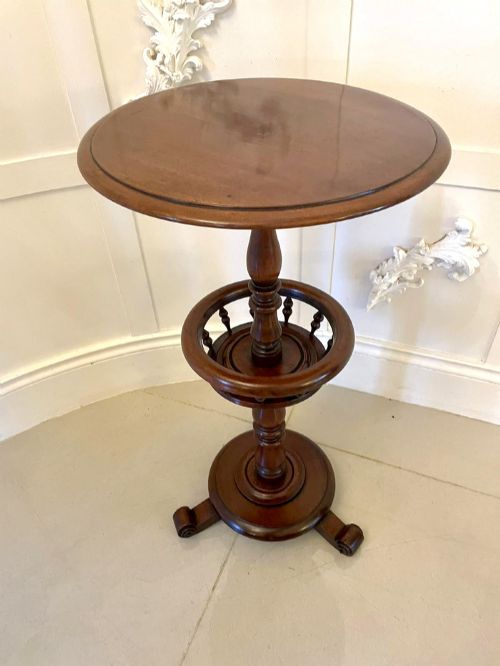
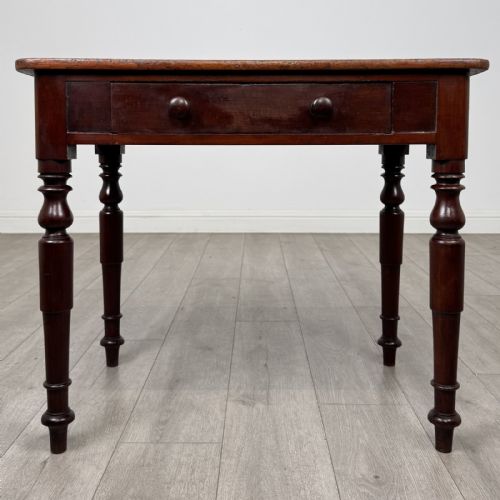
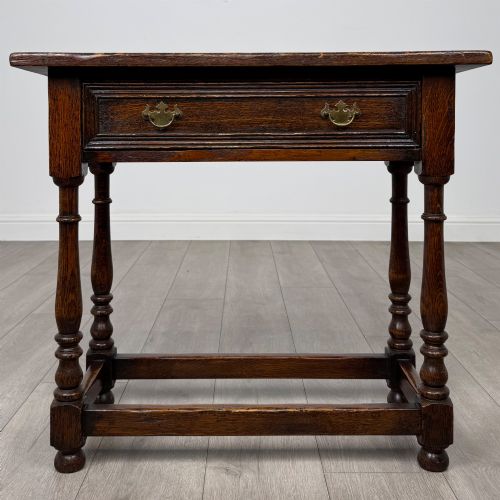
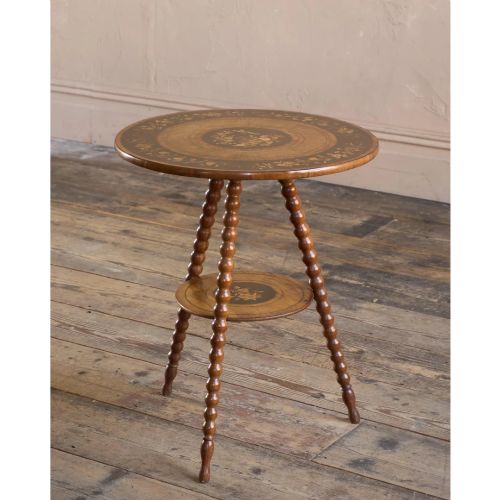
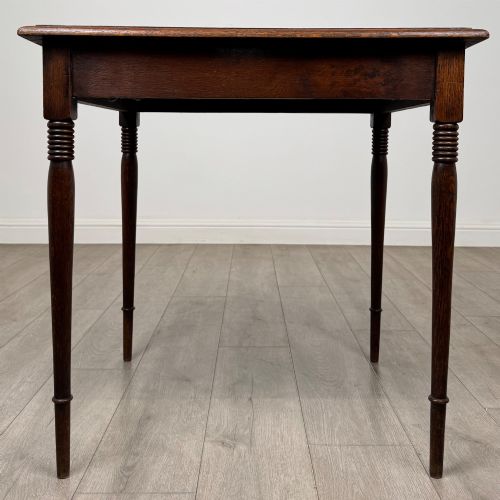
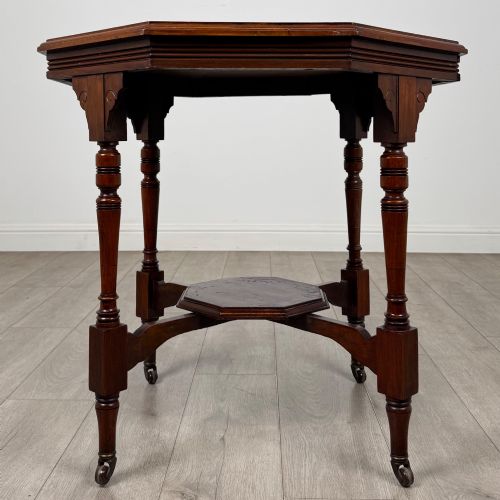
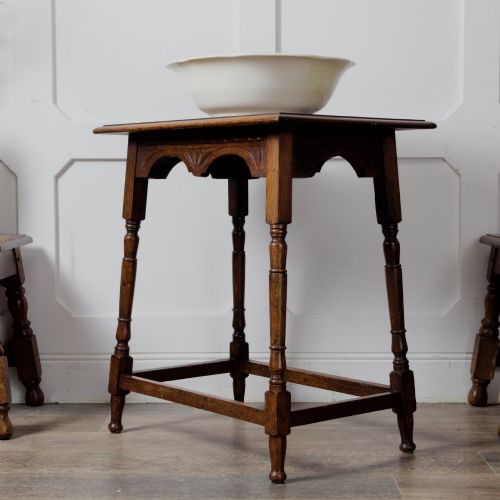
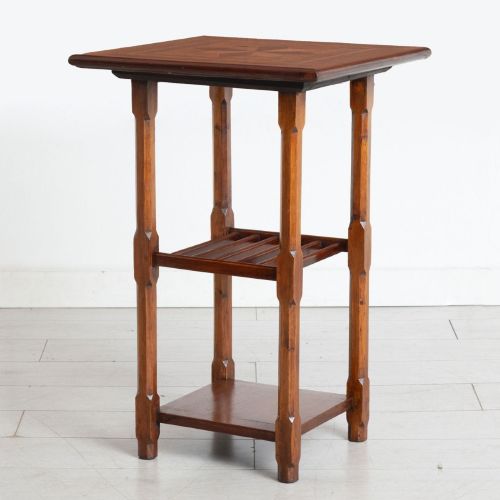
Makers and craftsmen of this period utilised sturdy timbers to construct standard lamps and smaller lamp tables intended for domestic sitting rooms. Buyers encounter standard lamps with weighted bases alongside occasional side tables built specifically to support lamps, often featuring turned legs and octagonal or circular tops.
The aesthetic leans towards functional domestic comfort, drawing on styles such as English Country, Jacobean Revival, and simple turned woodwork. These pieces served practical roles in period homes, providing localised lighting before the adoption of overhead electrical grids.
How they were made
Makers constructed these lamps and related tables using solid timbers such as mahogany, oak, walnut, rosewood, beech, and yew, shaped on a lathe to create characteristic turned profiles. Brass fittings and wiring channels were integrated into the wooden shafts to accommodate the transition to electric lighting during the early twentieth century.
Surface finishes included polished lacquers and hand-painted Chinoiserie decorations applied over wood or marquetry foundations. Joinery methods relied on traditional turning, mortise and tenon joints, and tripod bases to ensure stability for tall upright standards.
Edwardian Turned Wood Lamp Retail Price Guide 2026
Typical asking prices for edwardian turned wood lamp among the pieces listed under this phrase on Sellingantiques today, from the lower quarter to the upper quarter. They describe what is for sale here now, not the wider market.
Periods represented span the Victorian era, the Edwardian years, the 1920s, and the 1930s.
What varies in quality
The distinction between standard examples and finer pieces lies in the crispness of the wood turning and the selection of timber grain. Superior items display well-balanced proportions and dense hardwoods like rosewood or figured mahogany rather than plain secondary woods.
Execution of decorative surface work creates another divide, where hand-painted Chinoiserie or intricate marquetry elevates a simple turned standard into a more ambitious piece of furniture. Sound structural stability in the base and upright column determines practical longevity.
Druce & Co London
The Edwardian Turned Wood Lamp Glossary
- Standard Lamp
- A tall floor-standing lamp designed to illuminate a room from a corner or beside a seat. These upright columns often feature turned wooden shafts and weighted bases.
- Lamp Table
- A small occasional table built at an appropriate height to hold a table lamp. They frequently appear in octagonal, square, or circular top formats.
- Turning
- A woodworking technique performed on a lathe where timber rotates against cutting tools to form symmetrical rounded profiles and columns.
- Chinoiserie
- European decorative style imitating Chinese artistic traditions, often featuring painted motifs in gold and black lacquer on wooden furniture.
- Tripod Table
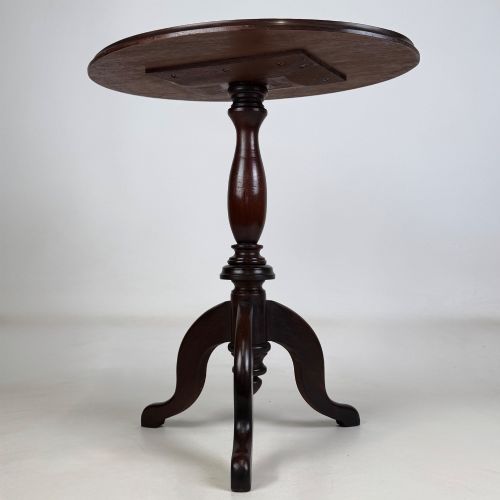
- A small table supported by three legs radiating from a central turned column, offering stability on uneven historic floorboards.
Edwardian Turned Wood Lamp: Frequently Asked Questions
How do I tell an Edwardian lamp from a Victorian one?
Edwardian lighting and furniture generally exhibit lighter proportions, simpler lines, and less heavy ornamentation compared to earlier Victorian equivalents. Timbers like oak and mahogany remain common across both eras, but Edwardian pieces often favour brighter finishes.
Examining the turning styles and structural joinery helps reveal the period of origin. Victorian examples tend to carry darker, denser finishes and heavier carving styles influenced by mid-nineteenth-century revivals.
Where should I place a standard lamp in a room?
Standard lamps work effectively in corners or beside seating areas where they can cast ambient or reading light downwards. Their vertical wooden columns occupy minimal floor space while adding height and architectural interest to an empty corner.
Pairing a floor standard with low side tables creates a cohesive arrangement rooted in period domestic planning. Their proportions suit sitting rooms, studies, and hallways seeking soft illumination.
Are these lamps wired for modern electricity?
Antique lamps frequently require rewiring to meet contemporary safety standards and electrical regulations. Buyers should expect to have older internal wiring inspected and updated by a qualified professional before daily use.
The original wooden structure and decorative surface remain preserved while the functional electrical components are safely modernised to fit standard sockets.