
Edwardian Turned Leg Chairs
Edwardian turned leg chairs are practical household seating from the early twentieth century, offering sturdy construction and classic timber frames that suit modern dining rooms.
Edwardian Turned Leg Chairs
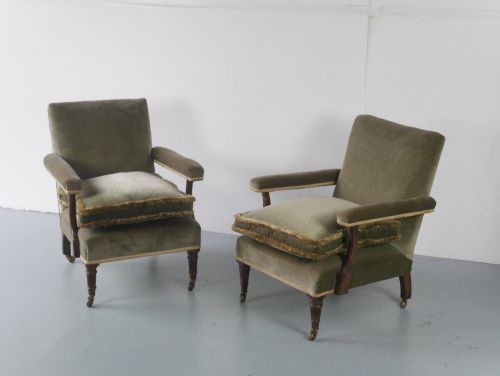
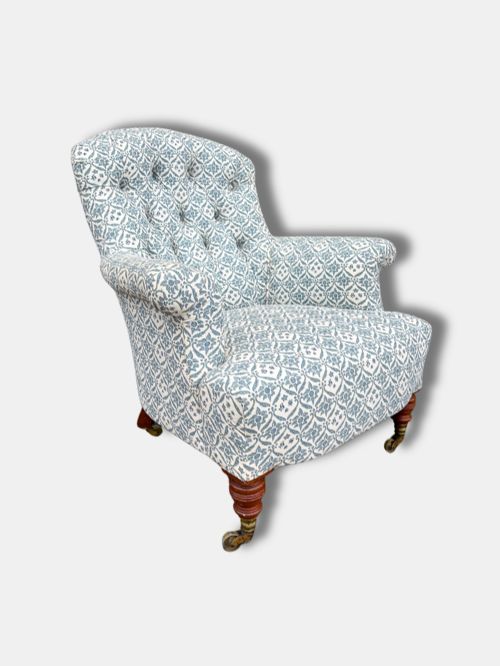
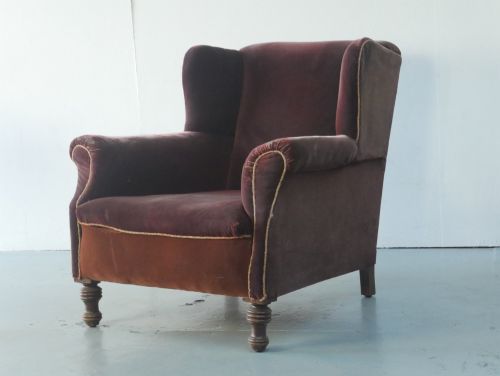
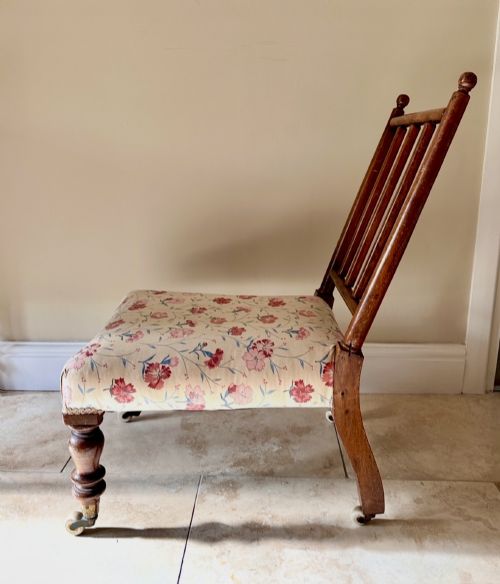
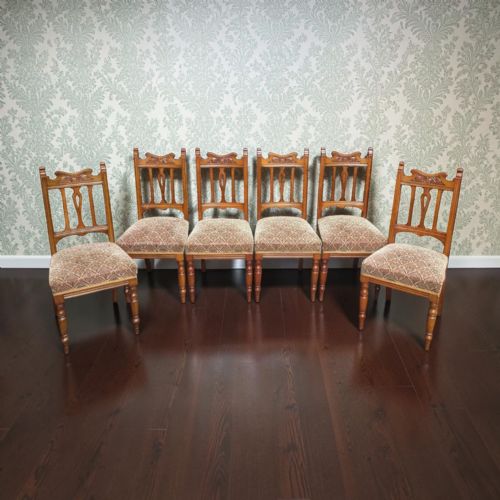
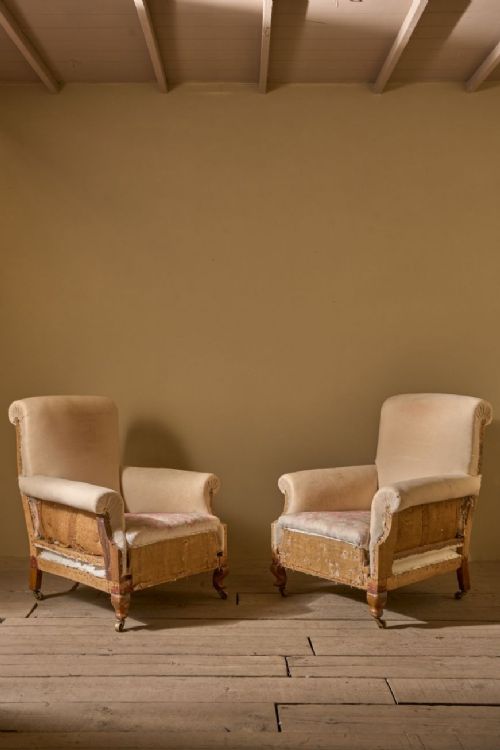
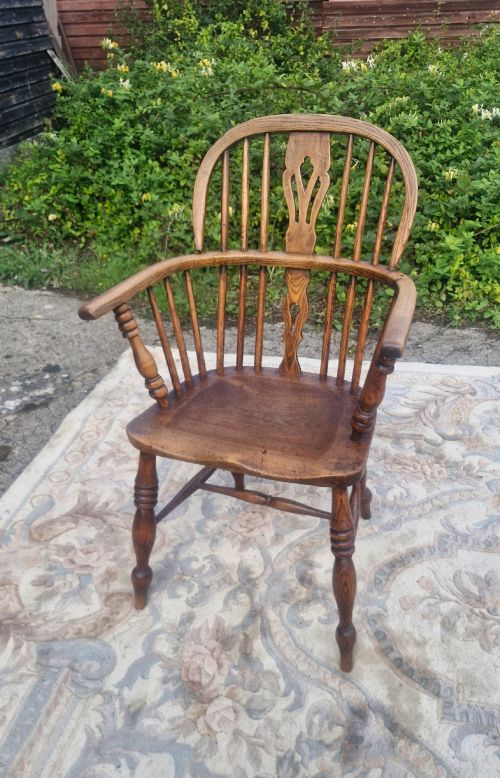
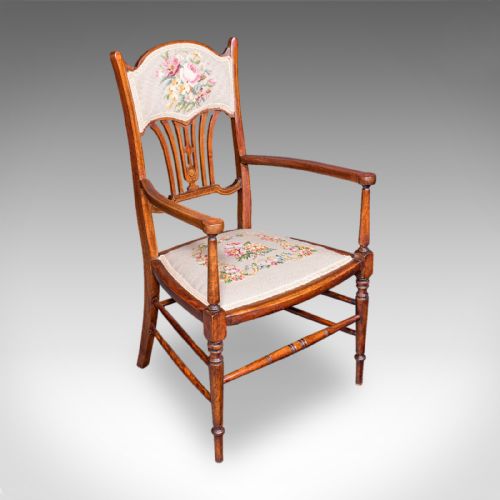
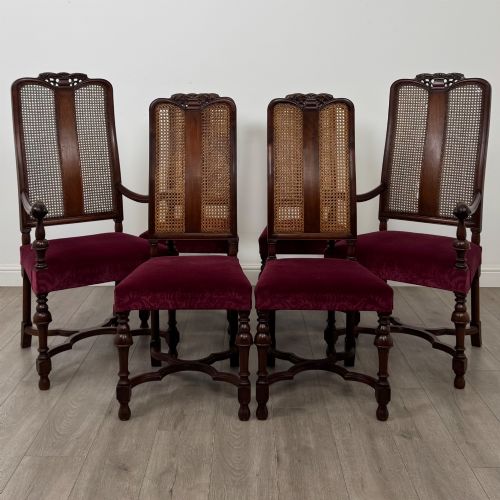
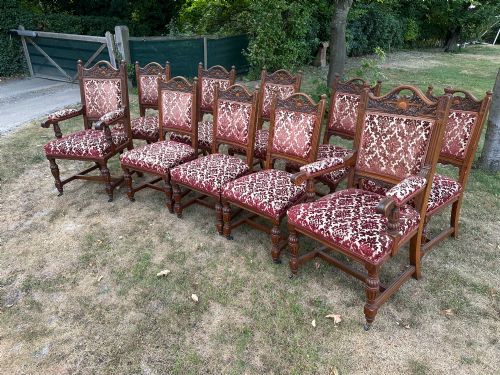
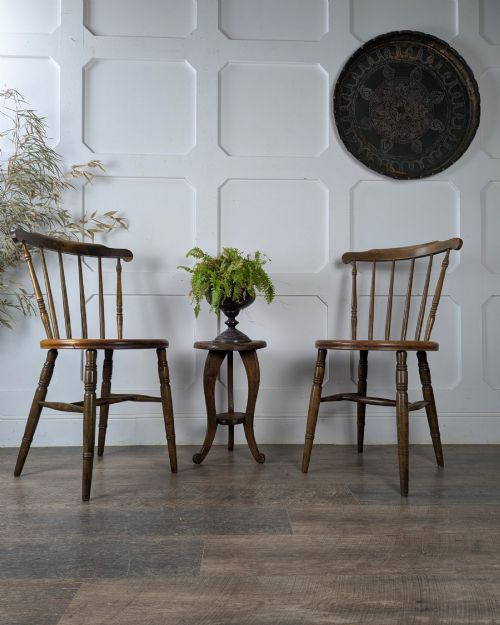
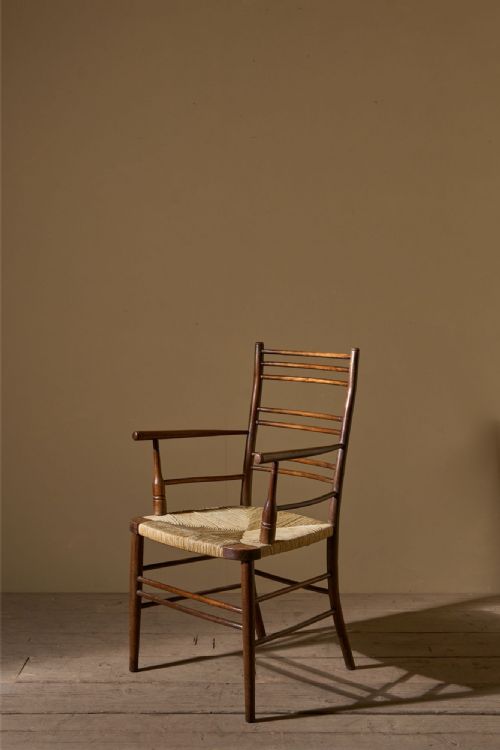
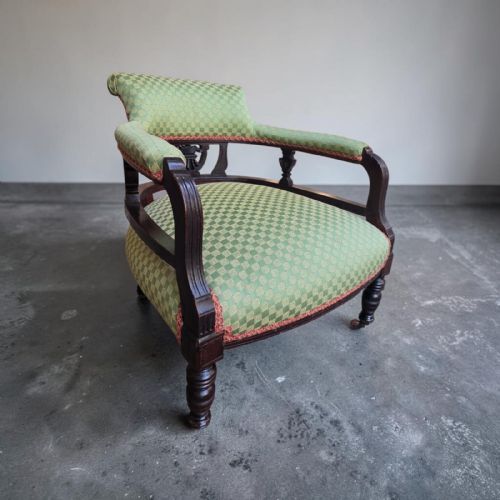
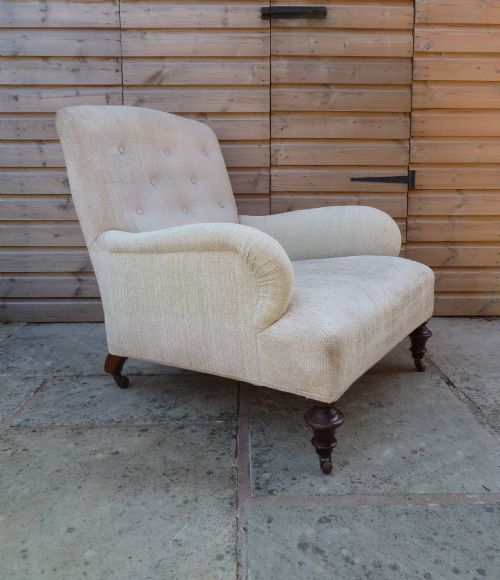
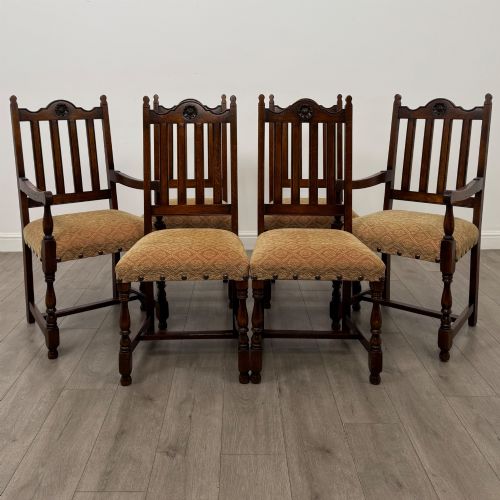
When searching for edwardian turned leg chairs, buyers encounter timber dining and captains chairs originating from the Edwardian period and adjacent nineteenth century decades. The selection includes sets of mahogany and oak dining chairs alongside individual armchairs featuring distinctive turned spindle supports.
The forms span dining chairs, captain chairs, and smoker bow desk armchairs built from woods such as oak and mahogany. These pieces combine functional seating with decorative woodwork typical of early twentieth-century domestic production.
Most examples reflect English country or formal dining room traditions, utilising sturdy wooden frames designed for daily domestic use. The common denominator among these seats is the turned leg profile supporting various timber chassis.
Evaluating construction and timber quality
The distinction between standard examples and superior pieces rests upon the selection of timber and the precision of the woodturning. Denser hardwoods and crisper lathe work indicate higher workshop standards during production.
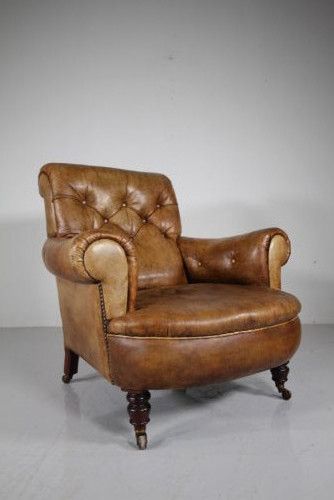
Original upholstery finishes and well-preserved frame joints elevate the status of individual chairs. Matching sets that retain uniform timber patination command greater interest among collectors compared to assembled groups.
One chair even doubled as a shop advertising board for matchless soap.
Howard and Sons·Morison and Co·Holland and Sons·Hampton and Sons·Robert Strahan
The Edwardian Turned Leg Chairs Glossary
- Turned leg
- A wooden support shaped on a lathe to create cylindrical or decorative profiles. This technique produces the characteristic legs found on many period chairs.
- Captains chair
- A sturdy timber armchair with a rounded wooden backrest supported by vertical spindles. These seats were traditionally used in offices and studies.
- Smoker bow
- A low-backed Windsor-style armchair featuring a continuous bentwood rail forming the arms and back. They are typically constructed from elm and beech.
- Bergere
- An enclosed upholstered armchair with exposed wooden framing and woven cane panels on the back and sides. This style gained popularity during the nineteenth and early twentieth centuries.
- Patina
- The surface sheen and colour developed by wood and leather over decades of use and polishing. It serves as an indicator of age and handling.
Edwardian Turned Leg Chairs: Frequently Asked Questions
What defines Edwardian chair design?
Edwardian chairs often combine lighter timber frames with influences from earlier Victorian and Regency styles. They frequently utilise mahogany and oak with turned legs for domestic settings.
Makers of this era focused on practical comfort combined with traditional cabinet-making methods, resulting in versatile seating for dining rooms and studies.
How should I clean leather upholstery?
Leather seat pads and button-backed upholstery benefit from gentle dusting with a soft cloth. Avoid harsh chemical cleaners that can dry out the historic material.
Applying a specialist leather conditioner periodically helps maintain the flexibility and natural appearance of the hide without damaging the surface.
Are these chairs suitable for daily dining?
Solid wood dining chairs from this period are built for regular household use. Their sturdy timber frames provide reliable support around the dining table.
Buyers should check that the leg joints remain secure and that the timber shows no structural splitting before placing them into active service.