

Edwardian Trinket Table
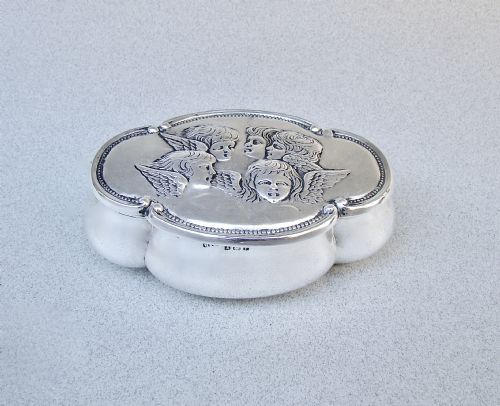
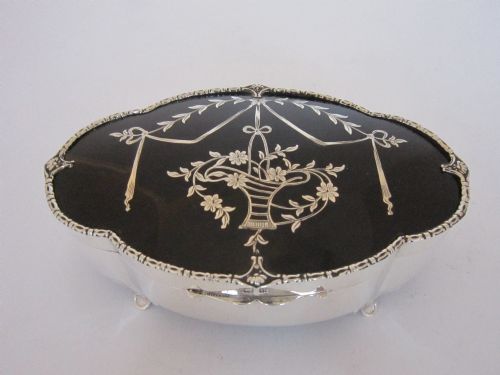
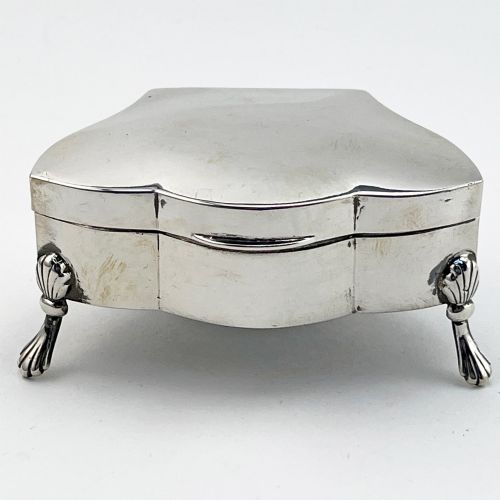
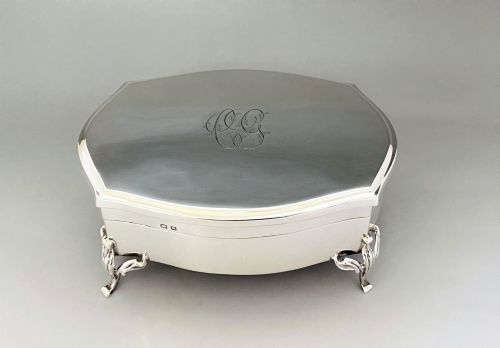
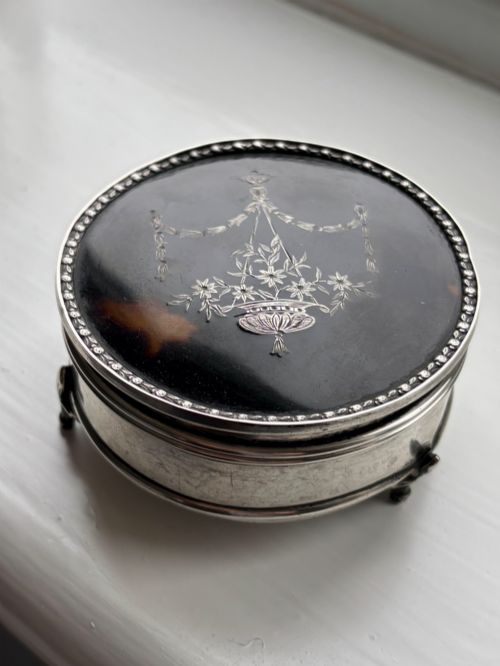
An Edwardian trinket table or box holds small daily treasures, combining sterling silver, glass and tortoiseshell to sit upon a dressing surface.
Edwardian Trinket Table
When you search for an Edwardian trinket table, you find small receptacles designed for dressing tables, including lidded boxes, vanity jars and vanity caskets. These pieces date principally from the Edwardian period and the early twentieth century, alongside Victorian and George V examples.
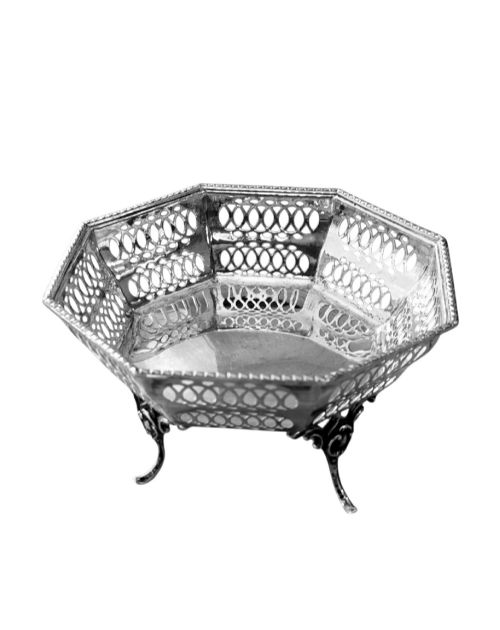
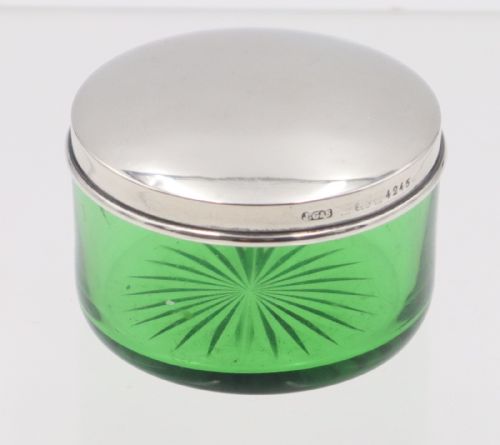
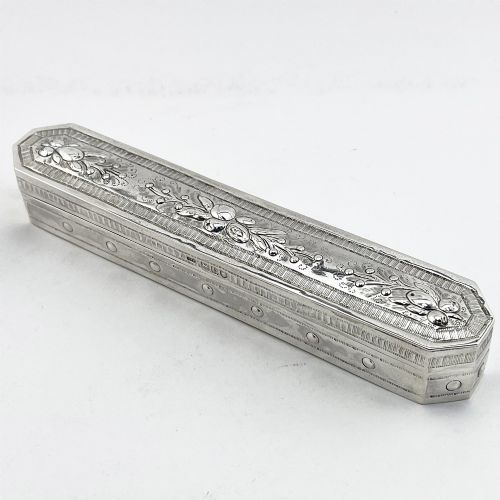
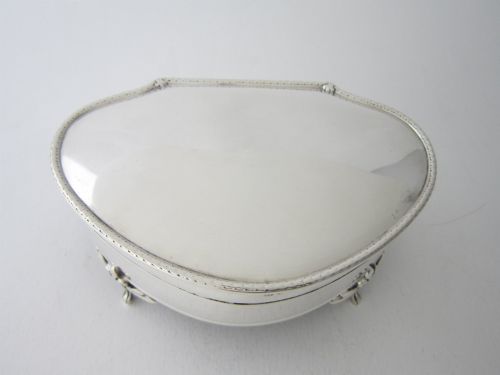
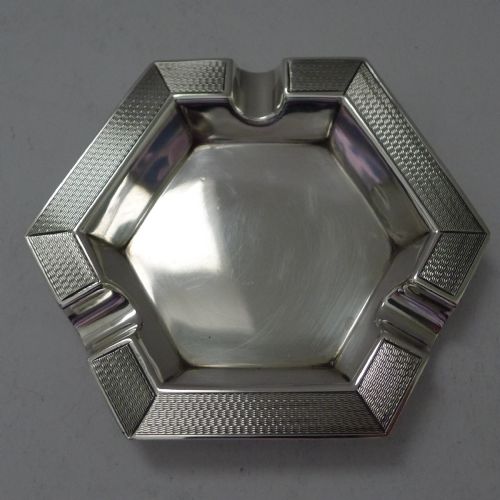
The objects span varied forms such as ring boxes, bonbon dishes and hinged caskets intended to hold jewellery and small personal items. Many incorporate glass bodies with silver mounts, while others utilise solid silver, mahogany or brass.
Materials and Technique
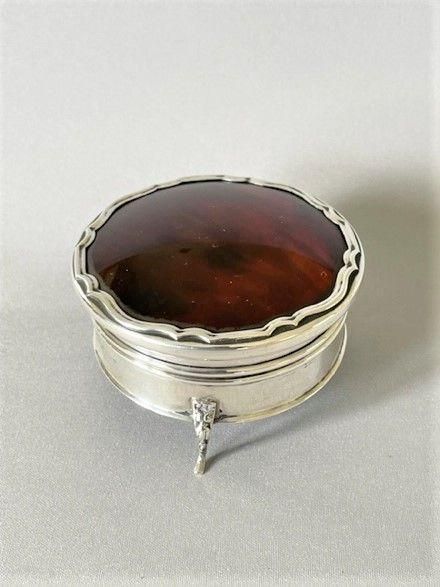
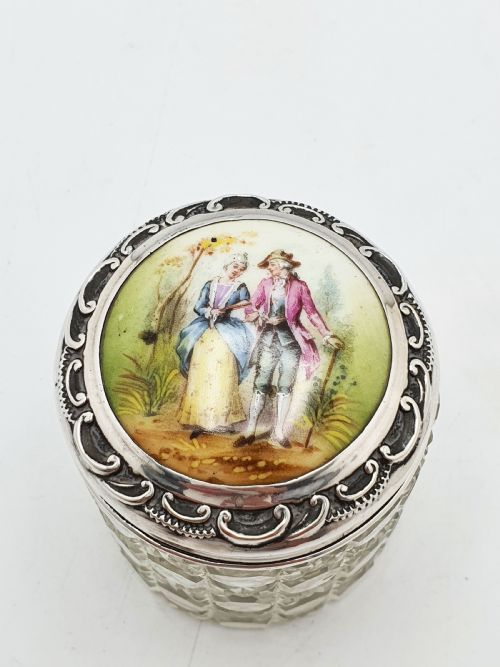
Makers combined sterling silver with cut glass, satin glass, and crystal to form the bodies and lids of dressing table jars. Tortoiseshell, pique work and hand-painted porcelain plaques frequently decorate the silver mounts.
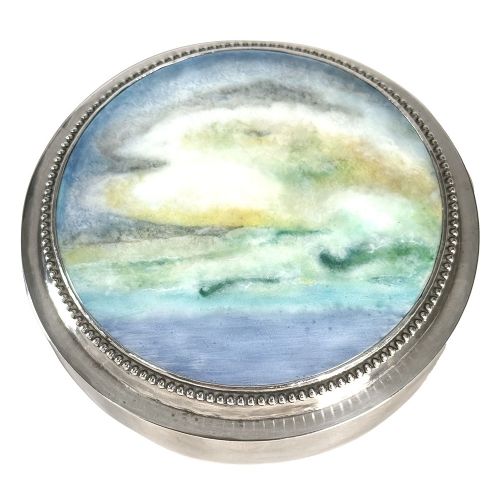
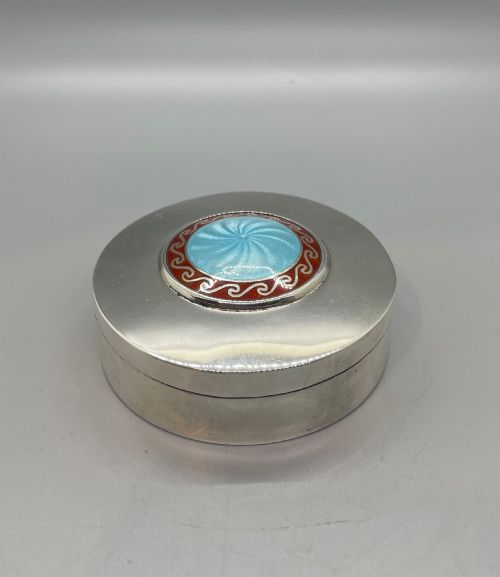
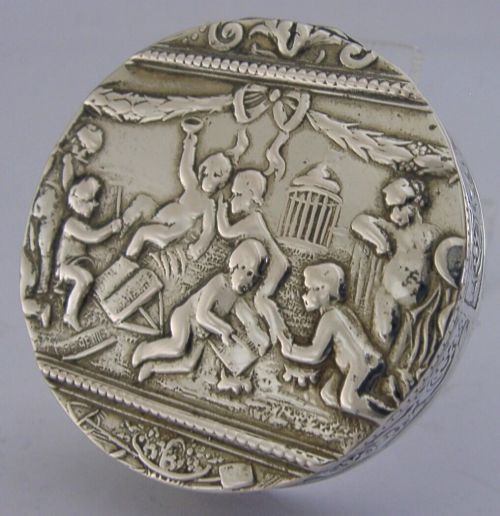
Silversmiths employed techniques such as repoussé, casting, and guilloche enamel to ornament the surfaces. Floral motifs, cherub scenes, and landscape enamel plaques appear across the metalwork.
Edwardian Trinket Table Retail Price Guide 2026
Typical asking prices for edwardian trinket table among the pieces listed under this phrase on Sellingantiques today, from the lower quarter to the upper quarter. They describe what is for sale here now, not the wider market.
Listings feature periods spanning from the late Victorian era through the Edwardian years and into the 1920s George V period.
Quality and Construction
The thickness of the metal gauge and the weight of the solid silver distinguish sturdier containers from lighter alternatives. Heavier boxes maintain structural integrity at the hinges and corners.
The crispness of repoussé chasing, the clarity of the hallmark, and the preservation of delicate enamel or tortoiseshell panels determine the distinction of the workmanship.
Synyer & Beddoes·Guild of Handicrafts·Ollivant & Botsford·Henry Clifford Davis·A. Bromet & Co·William Neale·William Comyns·William Hutton·Elkington & Co
The Edwardian Trinket Table Glossary
- Guilloche enamel
- A decorative technique involving precise mechanical patterns engraved beneath a translucent enamel layer. It frequently appears on dressing table jars and compacts from the early twentieth century.
- Repoussé
- Metalworking method where a design is hammered into relief from the reverse side. This technique produces floral and figural ornamentation on silver boxes and trays.
- Hallmark
- An official stamp indicating the metal purity, assay office, and year of manufacture. British pieces carry marks denoting towns such as Birmingham, London, Chester, and Edinburgh.
Edwardian Trinket Table: Frequently Asked Questions
How do I date a silver trinket box?
Dating is achieved primarily by reading the hallmarks stamped onto the silver components. These marks identify the assay office, standard of silver, and a specific date letter.
Stylistic indicators such as guilloche enamel, tortoiseshell panels, or Art Nouveau motifs also help assign pieces to the Edwardian period or the subsequent George V years.
Are these boxes made of solid silver?
Many items use solid or sterling silver for the lids, rims, or entire bodies. Other examples pair sterling silver mounts with cut glass, crystal or porcelain bases.
Descriptions specify whether a piece is solid silver, silver-mounted glass, or plated metal. Hallmarks on the metal parts confirm the standard used by the silversmith.
How should I care for tortoiseshell and silver?
Tortoiseshell requires gentle cleaning with a soft, dry cloth to avoid scratching the polished surface. Keep these pieces away from direct sunlight and excessive heat to prevent warping.
Silver components benefit from occasional polishing with a specialised cloth to remove tarnish. Avoid applying metal polish directly onto enamel, glass, or tortoiseshell sections.