





Edwardian Trinket Chest
An edwardian trinket chest is a compact vessel for small valuables, bringing tactile period craft to a dressing surface.
Edwardian Trinket Chest
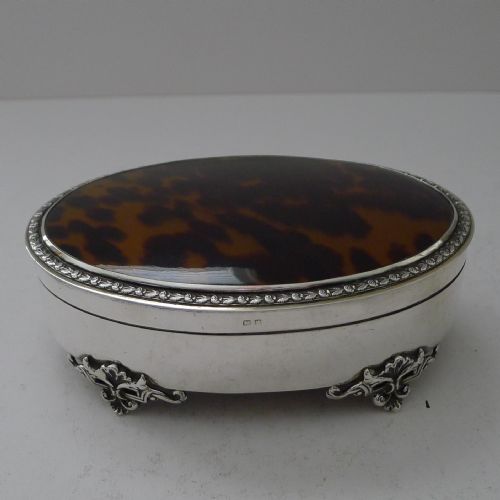
An edwardian trinket chest encompasses small lidded containers, miniature drawers, and fitted boxes designed to hold jewellery, pins, and personal valuables. These pieces emerge predominantly from the Edwardian period and adjacent years around the turn of the twentieth century, though older Victorian examples also populate the field.
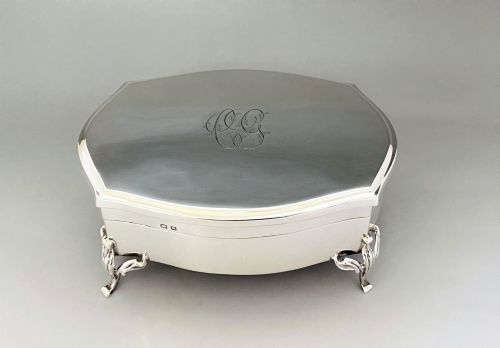
The forms vary widely from simple rectangular caskets to miniature wardrobes, tea caddies, and domed boxes. Buyers encounter numerous pieces in solid woods or mounted with sterling silver, often lined internally with velvet or silk to protect delicate contents.
How They Were Made
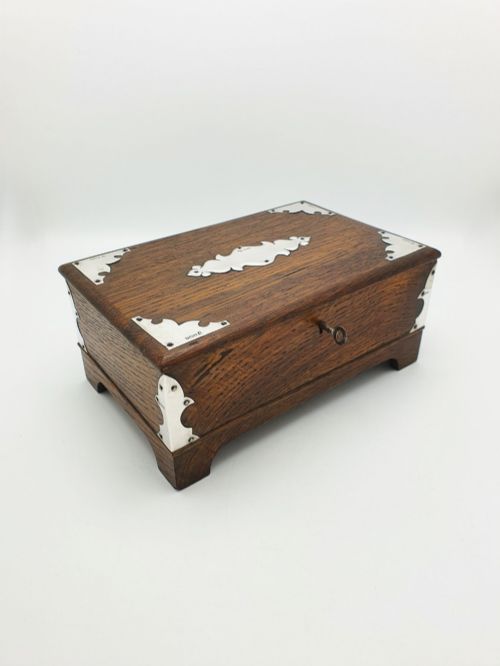
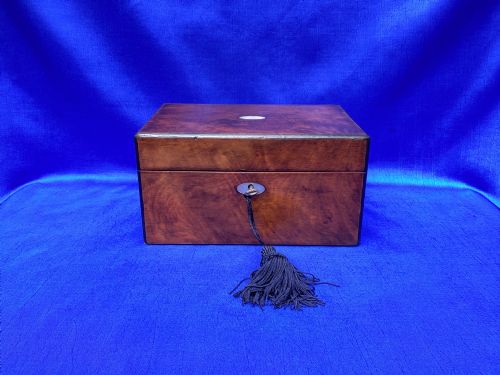
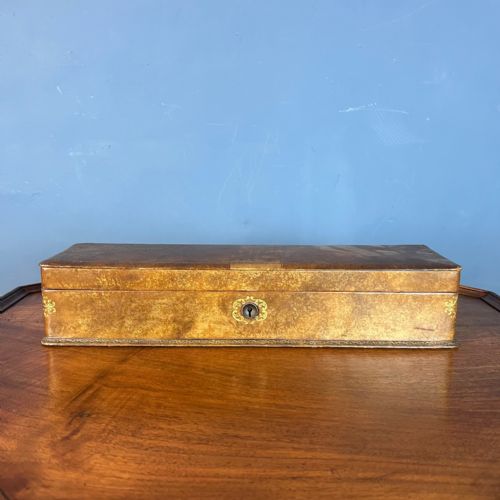
Cabinet makers utilised traditional timbers such as mahogany, oak, walnut, and laburnum, frequently enhancing surfaces with mother of pearl inlay, tooled leather, or tortoiseshell panels. Metal components rely on cast brass and hallmarked sterling silver mounts, hinges, and decorative edgings.
Interiors often feature bevelled glass, fitted compartments, and velvet linings applied with hand stitching and precise gluing. Surface decoration combines wood carving, pokerwork, and painted finishes executed in styles ranging from Art Nouveau to Arts and Crafts.
Edwardian Trinket Chest Retail Price Guide 2026
Typical asking prices for edwardian trinket chest among the pieces listed under this phrase on Sellingantiques today, from the lower quarter to the upper quarter. They describe what is for sale here now, not the wider market.
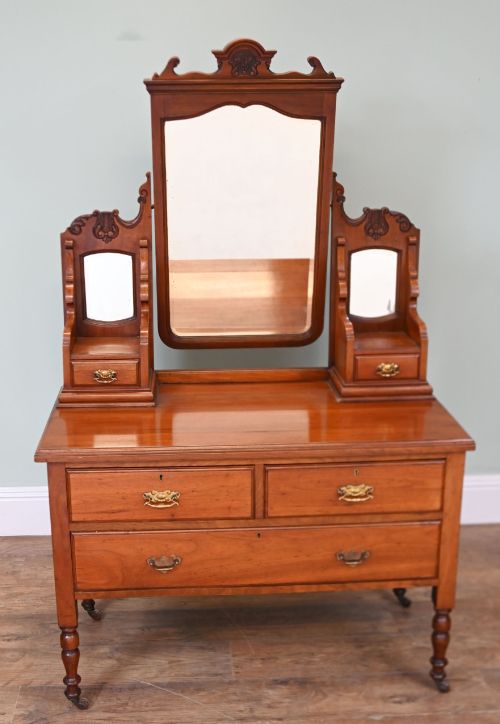
The documented forms range from miniature wardrobes and dressing tables to domed caskets and cigar boxes.
What Varies in Quality
The distinction between tiers rests upon the choice of materials and the precision of the construction. Superior examples combine dense hardwood foundations with substantial sterling silver mounts and intact internal linings, whereas simpler iterations rely on plain timber and minimal hardware.
Artistic execution dictates the upper range, where hand-tooled leather, intricate tortoiseshell panels, and specialised forms such as miniature chests elevate the object. The integration of functional elements, including operating locks and well-fitted lids, separates standard boxes from exceptional work.
Nathan and Hayes·Gnome Et Le Rhone Engine Company
The Edwardian Trinket Chest Glossary
- Sterling silver
- A silver alloy containing 92.5 percent pure silver by mass, widely used for the exterior mounts and lids of these chests.
- Tortoiseshell
- A mottled brown and amber material derived from the shell of large sea turtles, utilised for decorative veneering on luxury boxes.
- Tea caddy
- A small storage container originally designed to hold loose tea leaves, sharing construction methods with period trinket boxes.
- Mother of pearl
- An iridescent inner layer of certain mollusc shells, cut into thin pieces for geometric inlay work on wooden surfaces.
- Pokerwork
- A decorative technique using a heated metal point to burn designs into wood or leather before finishing.
Edwardian Trinket Chest: Frequently Asked Questions
What fits inside an edwardian trinket chest?
These small vessels were traditionally built to hold rings, brooches, hair pins, and delicate personal keepsakes. Their compact interiors often feature partitioned velvet or silk trays specifically arranged for jewellery.
Larger variations accommodate letters, pocket watches, and small grooming accessories. The scale remains intimate, designed for dressing tables and side cabinets rather than bulk storage.
How do I distinguish an edwardian trinket chest from a sewing box?
Sewing and work boxes typically contain deep open wells, specialised pin cushions, and wooden spools or thread holders. Trinket chests focus instead on shallow partitioned compartments and velvet linings suited to loose jewellery.
Material choices also offer clues, as silver mounts and glass lids appear more frequently on pieces designated for display and small valuables.
Are these chests made of solid wood?
Many examples utilise solid timbers like oak, mahogany, and walnut throughout the frame and lid. Other pieces apply fine decorative veneers over secondary wood foundations to create patterned surfaces.
Metal versions rely on cast brass or incorporate thick sterling silver sheets over a wooden core. Examining the interior joints and underside reveals the underlying construction method.
How do I care for the interior linings?
Original velvet, silk, and satin linings require gentle dry dusting with a soft brush to remove accumulated debris. Moisture must be kept entirely away from fabric and paper interiors to prevent staining and adhesive decay.
Avoiding direct sunlight preserves the original colour of both the fabric and the exterior wood. Keeping the environment stable prevents the timber from shrinking and pulling away from the internal lining.