




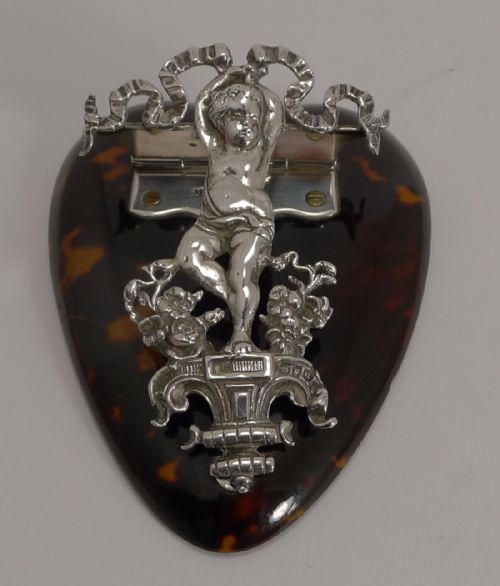

Edwardian Tortoiseshell Desk Accessory
These edwardian tortoiseshell desk accessory pieces bring tactile warmth to a workspace, combining translucent shell with bright silver.
Edwardian Tortoiseshell Desk Accessory
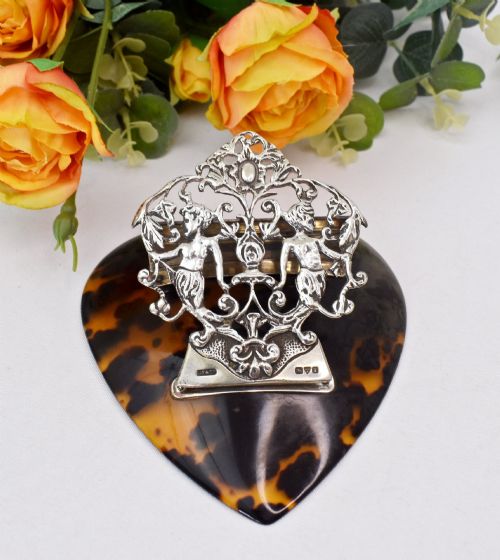
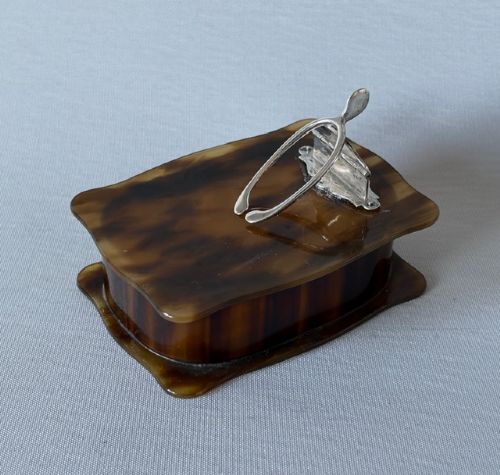
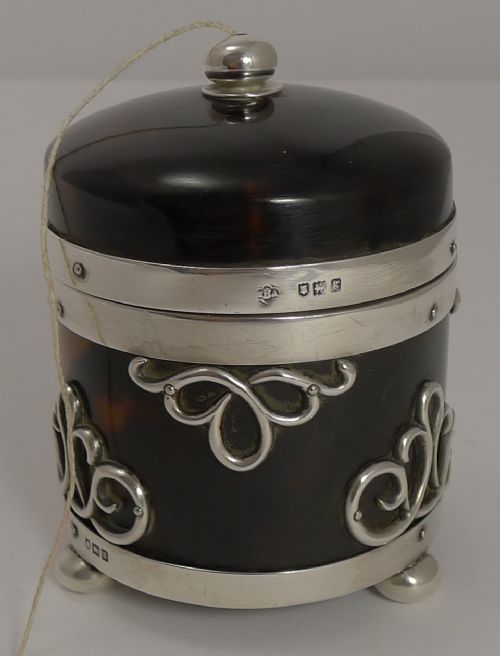
An edwardian tortoiseshell desk accessory comprises functional writing room items from the early twentieth century, utilising genuine shell alongside faux alternatives. Desk clips, letter clips, page turners, stirrup clips, stamp moisteners and string boxes form the core of what appears here.
Most examples date firmly to the Edwardian era and the reign of George V, occasionally reaching back into late Victorian years. The form combines decorative organic materials with practical desk utilities designed for correspondence and paper management.
Makers utilised contrasting metals and glass alongside the shell, creating desktop pieces that served the writer efficiently. Collectors encounter heart-shaped clips, calendar frames and page turners intended for daily use in a period study.
How they were made
Craftsmen shaped genuine tortoiseshell or faux tortoiseshell over metal cores or backed them with supportive plates. Sterling silver mounts, pierced work and bezels were then affixed using traditional silversmithing techniques.
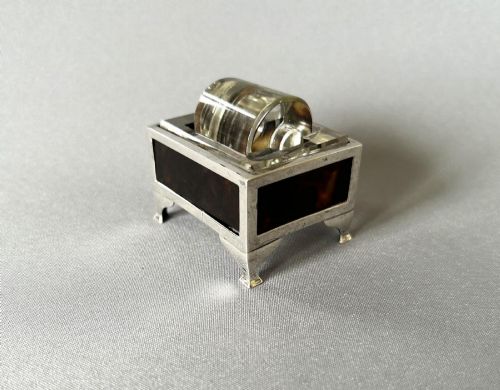
Components like glass water wells for stamp moisteners and brass mechanisms for letter clips integrate directly with the shell panels. Hallmarks stamped into the silver elements indicate assay offices such as Birmingham and Chester, alongside specific dates.
Edwardian Tortoiseshell Desk Accessory Retail Price Guide 2026
Typical asking prices for edwardian tortoiseshell desk accessory among the pieces listed under this phrase on Sellingantiques today, from the lower quarter to the upper quarter. They describe what is for sale here now, not the wider market.
The listings span the Edwardian era, 1890, 1900, 1910 and 1920, utilising tortoiseshell, sterling silver, glass, brass and paper.
What varies in quality
The refinement of the silver mountings distinguishes finer pieces, particularly where repoussé work or figural motifs like cherubs appear. Crisp casting and substantial silver weight elevate an object well beyond standard utility grade.
The warmth and patterning of the tortoiseshell itself determine visual appeal, with rich amber and dark brown mottling creating depth. Well-preserved surfaces retain their polish without excessive thinning or separation from the underlying structure.
The Edwardian Tortoiseshell Desk Accessory Glossary
- Tortoiseshell
- The mottled brown and amber keratin material derived from the shell of certain marine turtles, historically valued for decorative objects. It takes a high polish and pairs naturally with precious metals.
- Sterling silver
- A silver alloy containing 92.5 percent pure silver and 7.5 percent other metals, usually copper, ensuring durability for desk mounts and clips. Hallmarks on the metal provide official verification of purity and origin.
- Desk clip
- A spring-loaded or tensioned device utilised on writing tables to hold letters, notes or documents securely. Many examples incorporate decorative heart shapes or figural silver overlays.
- Page turner
- A flat implement with a handle, designed for easing the leaves of heavy books or uncut pages without damaging the paper. They often feature tortoiseshell blades joined to silver handles.
- Stirrup clip
- A specific form of desk clip named for its looped silhouette, functioning to hold papers upright on the writing surface. These items combine practical office utility with decorative metalwork.
Edwardian Tortoiseshell Desk Accessory: Frequently Asked Questions
What periods do these desk accessories cover?
The pieces span the late nineteenth century through to the Edwardian period and the early nineteen-twenties. Most items align with the reign of Edward VII and George V.
Assay marks and stylistic details help identify the specific decade of manufacture for silver-mounted items.
How were stamp moisteners used?
A stamp moistener served as a practical desk tool for wetting adhesive postage stamps before affixing them to envelopes. They typically combined a glass water reservoir with a moistening roller or surface.
Writers kept them alongside letter clips and inkwells as standard stationery equipment.
Are faux tortoiseshell items common?
Makers frequently produced faux tortoiseshell alongside genuine material to offer alternative price points and decorative effects. These simulated versions mimic the characteristic amber and dark brown mottling of natural shell.
Close inspection of the material structure and weight helps distinguish between authentic shell and historical substitutes.
How do I care for tortoiseshell?
Tortoiseshell requires gentle handling and protection from direct sunlight, extreme heat and chemical solvents. Dusting with a soft, dry cloth maintains the surface sheen without scratching the organic material.
Keeping pieces away from dry environments prevents the shell from becoming brittle over time.