
Edwardian Timepiece
When you handle an edwardian timepiece, you hold a tangible piece of early twentieth-century engineering designed to regulate daily life.
Edwardian Timepiece
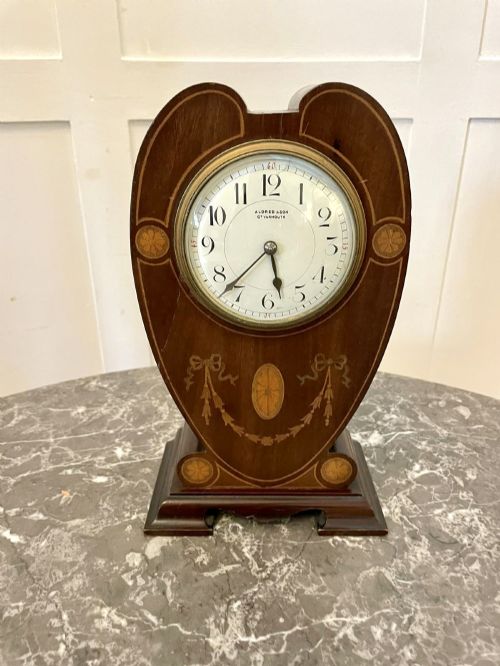
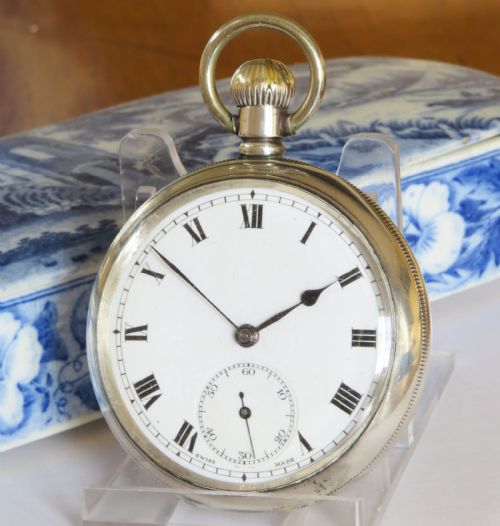
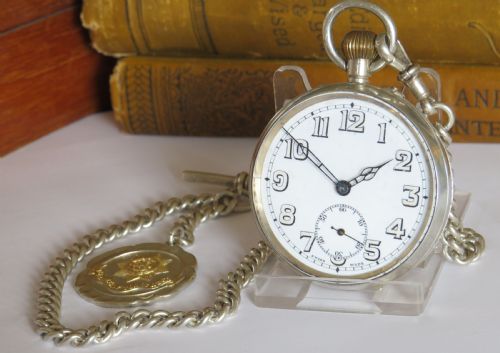
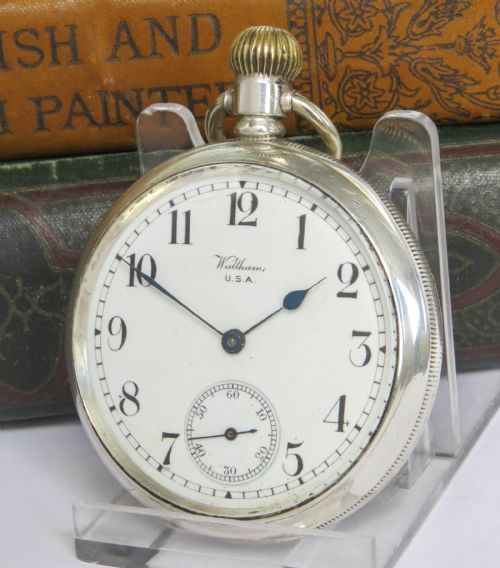
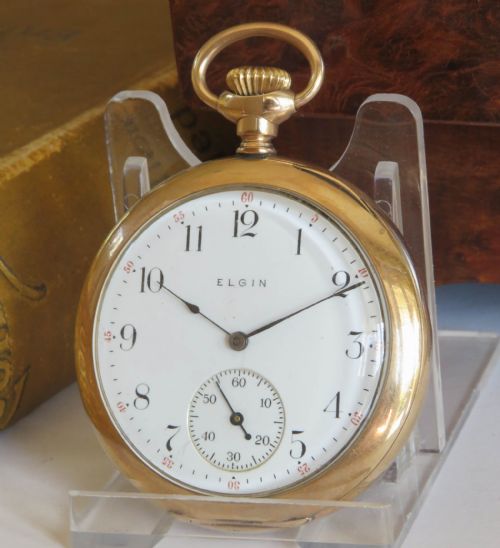
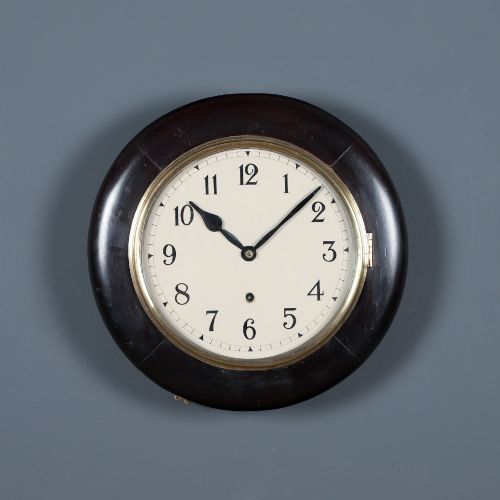
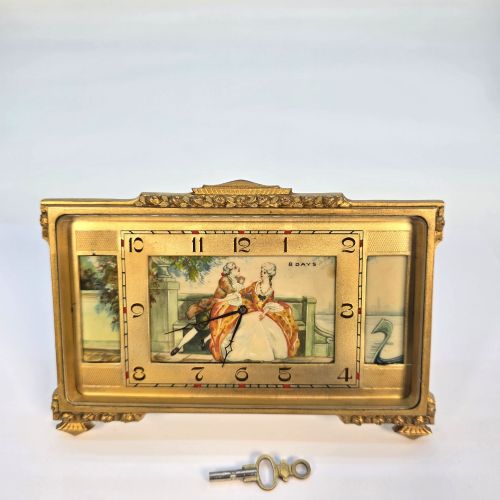
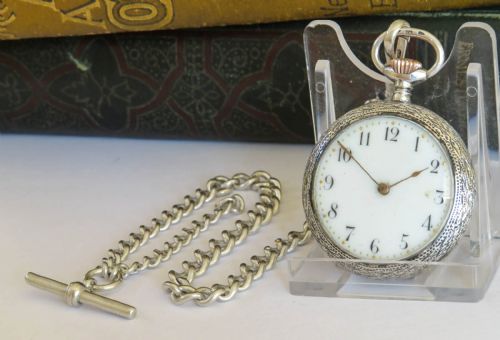
An edwardian timepiece encompasses a wide assortment of portable and domestic horological instruments spanning the Edwardian era, early 20th century, and surrounding decades. Buyers frequently encounter pocket watches, mantel clocks, wall clocks, and carriage clocks designed for both personal carriage and interior placement.
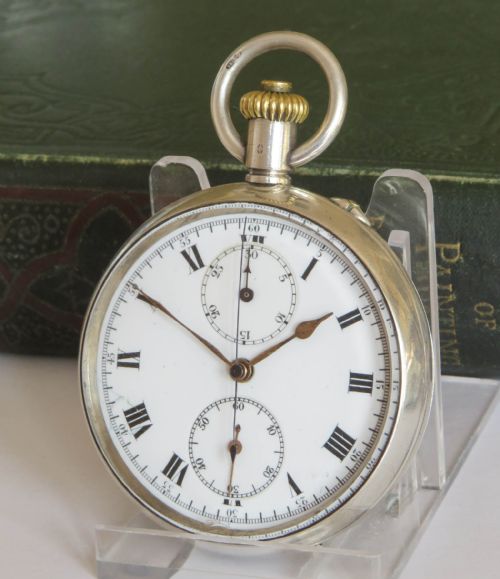
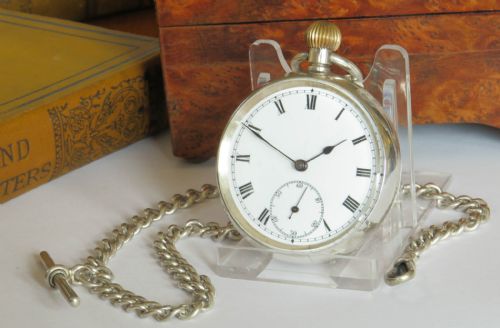
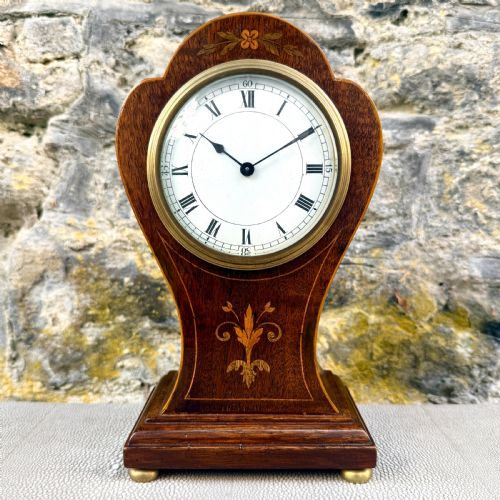
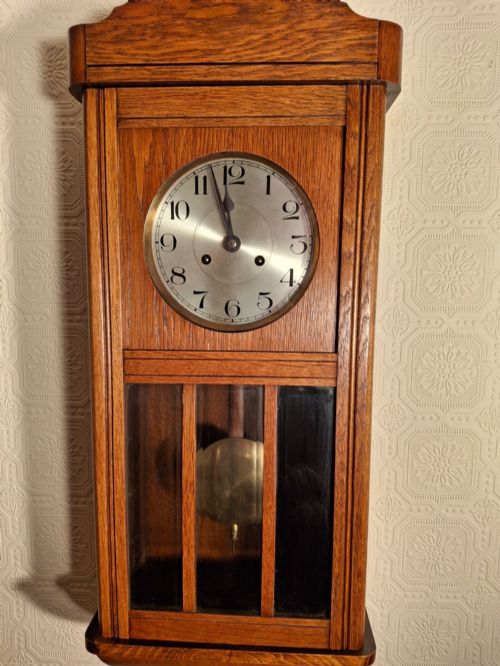
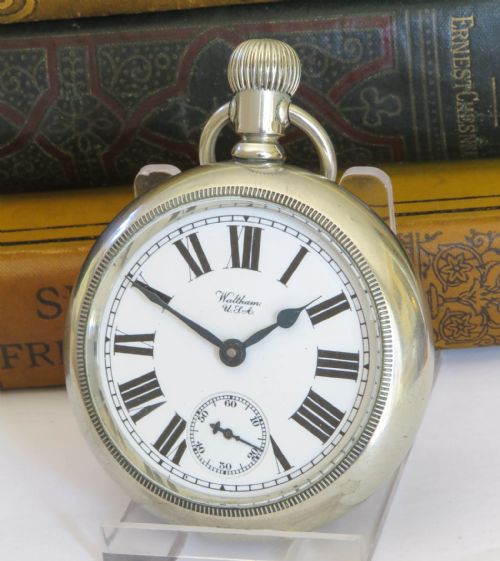
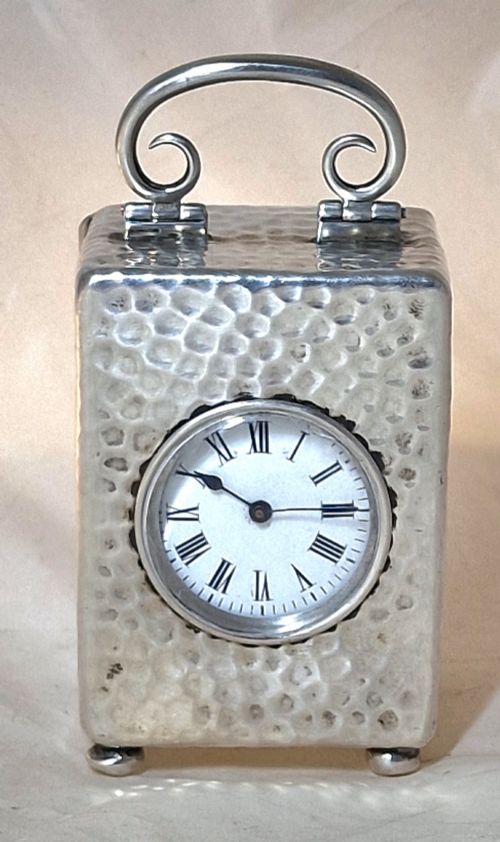
The domestic selection ranges from mahogany mantel clocks and lacquered table models to brass carriage clocks and wall designs. Portable examples include silver pocket watches, trench watches, and fob watches, often accompanied by chains and military fobs.
How they were made
Cases utilise traditional materials such as mahogany, golden oak, sterling silver, brass, and glass, frequently enhanced with enamel dials or inlaid woodwork. Artisans applied specialised techniques to construct housing frames, ranging from lacquer finishes to intricate Edwardian Chinoiserie decoration.
Movements rely on mechanical gear assemblies, ranging from standard pocket watch calibres to eight-day mechanisms found in larger strut and desk clocks. Metal components in silver, gold, and steel were machined and fitted by hand within specialised workshops and factories.
Materials utilised across the current selection include brass, sterling silver, gold, glass, enamel, steel, and solid mahogany or golden oak.
What varies in quality
The standard of execution depends heavily on the precision of the movement and the integrity of the exterior case materials. Heavy sterling silver hallmarks, fine timber grain selection in mahogany or oak, and cleanly painted enamel dials distinguish superior examples from standard utility pieces.
Signatures from established makers and retailers, alongside complications such as chronographs, repeaters, or eight-day movements, elevate individual pieces. The crispness of inlaid details and the original preservation of hands and glass further divide ordinary items from exceptional finds.
Walker & Hall·Waltham·Elgin·Omega·Howell & James·Georg Adam Scheid
The Edwardian Timepiece Glossary
- Timepiece
- A clock or watch that measures and records time without striking an hour or playing music. This term covers standard non-striking mantel clocks and pocket watches.
- Carriage clock
- A small, portable spring-driven clock designed for travelling during the 19th and early 20th centuries. These brass-framed pieces usually feature glass panels and a swing handle on top.
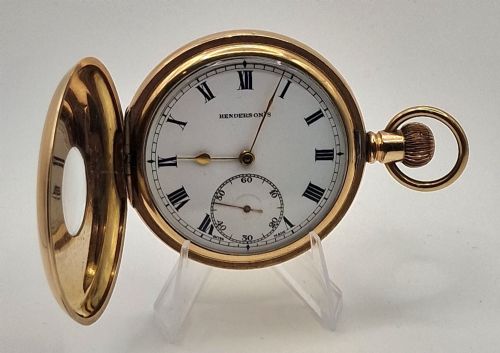
- Half hunter
- A pocket watch featuring a case with a glass or open centre panel on the front cover. This allows the user to read the hands without opening the outer case.
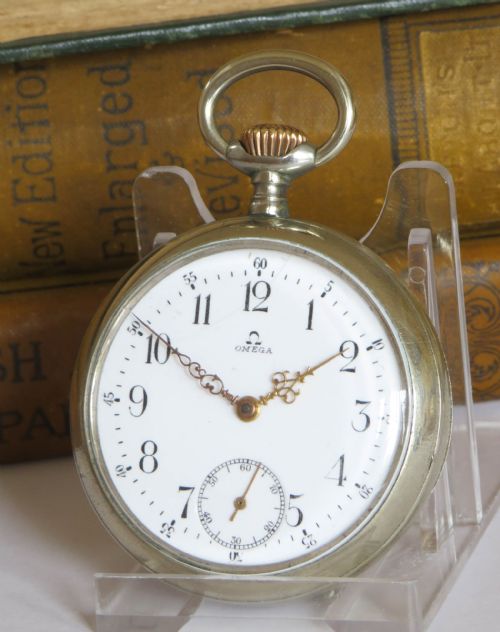
- Goliath pocket watch
- An oversized pocket watch substantially larger than standard examples. They were typically housed in leather travelling cases or displayed on desk stands.
- Portico desk clock
- A small clock architectural in form, resembling a classical portico with columns. They often incorporate decorative silver and enamel work.
- Trench watch
- A wrist-worn timepiece adapted from pocket watch movements for military use during the First World War. They frequently include protective metal shrapnel guards over the glass.
Edwardian Timepiece: Frequently Asked Questions
What is an Edwardian timepiece?
An Edwardian timepiece is a clock or watch produced during the reign of King Edward VII or the broader Edwardian era. These items include portable pocket watches, desk clocks, and domestic mantel or wall clocks.
Mechanically driven by springs or weights, they represent the period's standard method of telling time before modern quartz technology. They combine functional utility with period decorative styles such as Art Nouveau and Arts & Crafts.
How do I wind a mechanical pocket watch?
Mechanical pocket watches are wound manually using the attached crown at the top of the case. Turn the crown gently clockwise until you feel resistance, taking care not to overwind the mainspring.
Many period watches require daily winding to maintain accurate operation. Setting the time is usually achieved by pulling the crown upward or pressing a small pin set into the case.
Where were carriage clocks displayed?
Carriage clocks were originally made for wealthy travellers to take on journeys by horse-drawn carriage or train. Their robust brass frames and protective glass panels suited movement between locations.
Over time, they transitioned into domestic interior objects placed on mantelpieces, desks, or bedside tables. Their portable nature meant owners could easily move them between rooms in a large Edwardian household.
How do I tell an Edwardian clock from a Victorian one?
Distinguishing between Victorian and Edwardian clocks involves examining the decorative style and materials used in the case. Victorian pieces often display heavier, ornate carving and darker woods, reflecting mid-to-late 19th-century tastes.
Edwardian designs frequently lean towards lighter mahogany, inlaid stringing, or early influences of Art Nouveau and Arts & Crafts. Hallmarks on silver mounts and interior movement stamps also provide precise dating evidence.