



Edwardian Tea Accessories
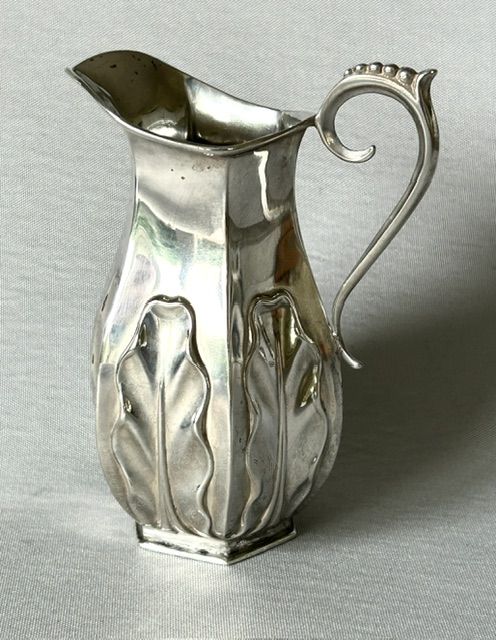
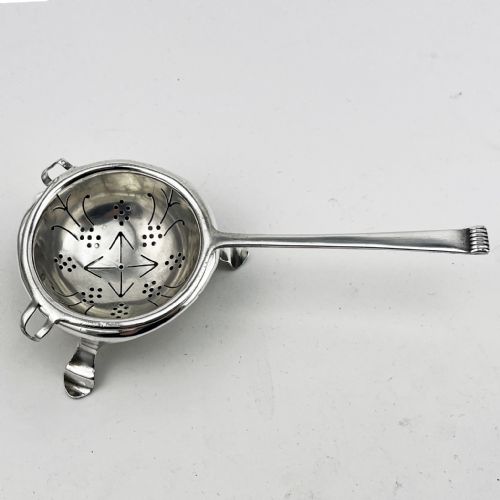
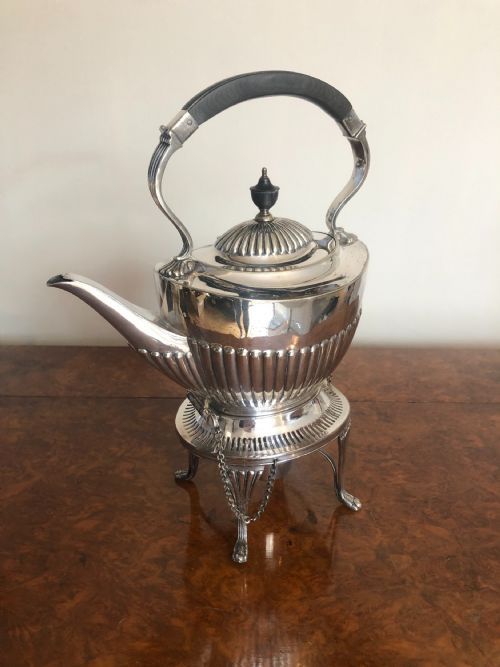
Edwardian tea accessories bring the ceremony of the afternoon table together through silver strainers, caddies, and cream jugs crafted for the formal tea service.
Edwardian Tea Accessories
Edwardian tea accessories encompass the functional and decorative pieces used during afternoon tea, ranging from tea strainers and caddies to cream jugs and biscuit barrels. These objects originate largely from the Edwardian period alongside late Victorian and George V eras, reflecting the domestic habits of the early twentieth century.
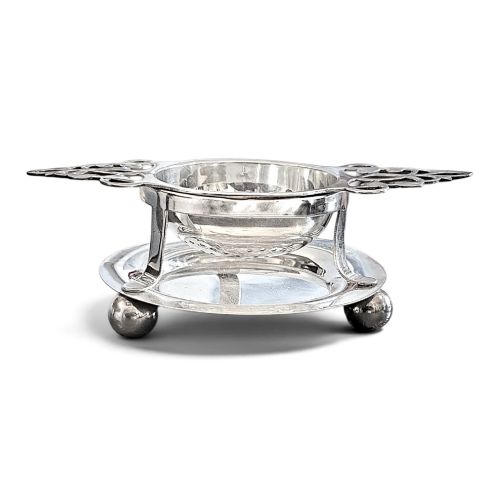
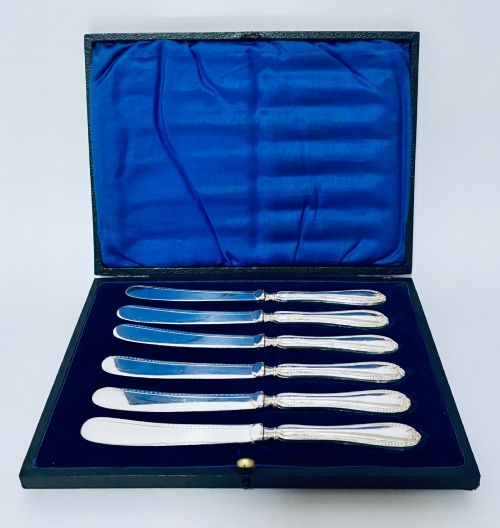
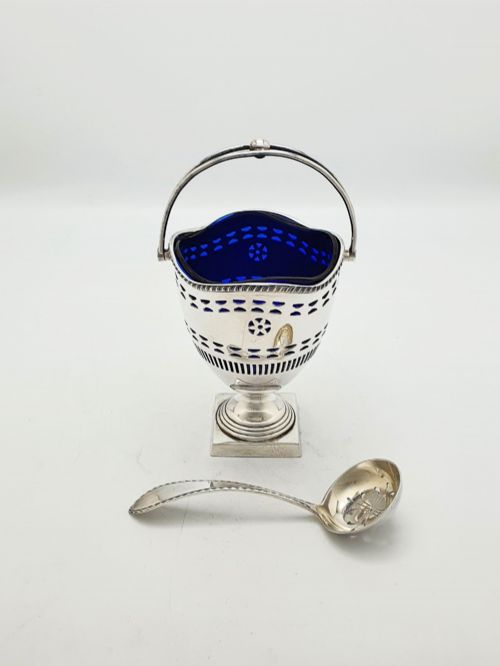
The versions most commonly met on this page include sterling silver and silver-plated tea strainers, caddy spoons, and cream jugs. Many items retain their original fittings, such as cobalt glass liners or stands, while others appear as cased sets of knives with mother-of-pearl handles.
Makers and silversmiths active in Birmingham and London produced these wares in distinct styles spanning formal Edwardian designs to the hand-wrought aesthetic of the Arts and Crafts movement. The selection focuses entirely on the implements that served the tea table rather than the teapots themselves.
Materials and construction
The primary metals utilised across these pieces are sterling silver and silver plate, supplemented by electroplated nickel silver and steel for cutting implements. Artisans shaped sterling silver through hammering and piercing, while silver-plated items often feature intricate pierced galleries or applied decorative borders.
Supplementary materials add colour and texture to the metalwork, notably deep blue cobalt glass used for liners within sugar bowls and biscuit barrels, alongside mother-of-pearl for knife handles and velvet linings in presentation cases.
Edwardian Tea Accessories Retail Price Guide 2026
Typical asking prices for edwardian tea accessories among the pieces listed under this phrase on Sellingantiques today, from the lower quarter to the upper quarter. They describe what is for sale here now, not the wider market.
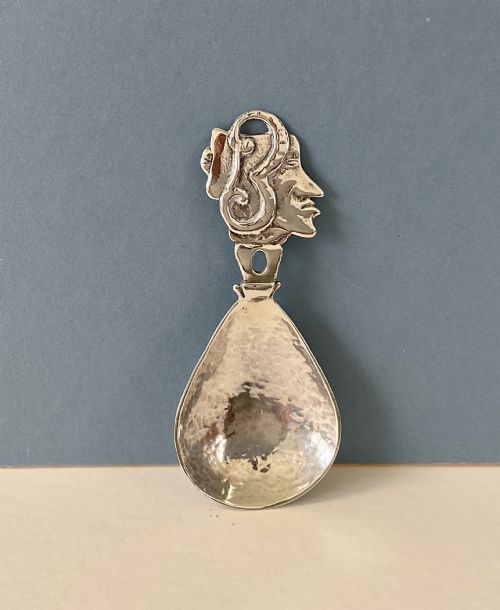
Some caddy spoons take the form of jockey caps, bringing a touch of the racecourse directly to the afternoon teacup.
Factors of quality
Quality rests upon the crispness of piercing, the weight of the metal, and the integrity of any applied ornamentation such as hand-engraved details or maker's marks. Heavier sterling silver pieces demonstrate a more substantial physical presence compared to lighter silver-plated alternatives.
The preservation of original components, such as a matching cobalt glass liner in a pierced sugar bowl or a dedicated stand for a tea strainer, elevates the integrity of the piece. Craftsmanship evident in specialised forms, like jockey's cap caddy spoons or automated biscuit boxes, distinguishes standard production from finer work.
Hammond Turner and Sons·William Neale·Zimmermann
The Edwardian Tea Accessories Glossary
- Tea caddy
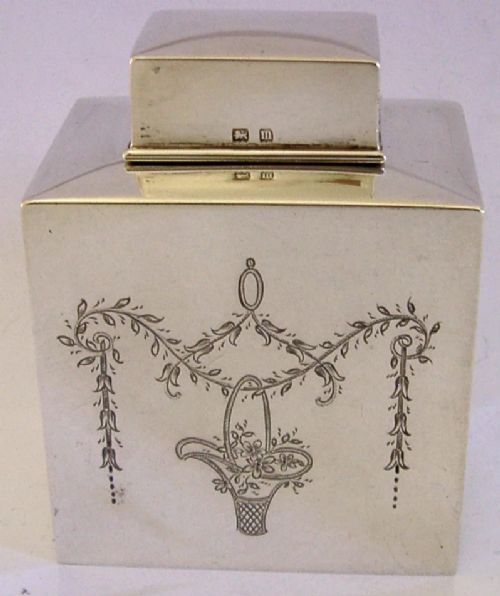
- A small container designed to store loose tea leaves securely before brewing. These boxes often feature hinged lids and interior compartments.
- Caddy spoon
- A short-handled spoon specifically measured to scoop loose tea leaves from a caddy into the pot. They frequently display whimsical or period-specific designs like jockey caps.
- Tea strainer
- A small perforated bowl placed across the rim of a cup to catch loose leaves when pouring tea. Many examples are accompanied by a matching drip stand.
- Biscuit barrel
- A covered vessel designed to hold biscuits or dry cakes on the tea table. They often incorporate ceramic or glass liners within pierced metal frames.
- Silver-gilt
- Silver that has been coated with a thin layer of gold on its surface. This technique protects the underlying metal and adds a warm interior tone to items like spoons or cream jugs.
Edwardian Tea Accessories: Frequently Asked Questions
What pieces belong to an Edwardian tea service?
An Edwardian tea service typically includes vessels and implements for serving and preparing tea, such as cream jugs, sugar bowls, tea strainers, and caddy spoons.
Additional accessories like biscuit barrels and cased butter knives also support the formal afternoon table arrangement.
How do I care for antique silver tea accessories?
Silver tea accessories require gentle cleaning with a soft cloth and specialist silver polish to maintain their finish without removing fine details.
Pieces with glass liners or velvet elements should be washed and stored separately to protect vulnerable non-metal components.
What is the difference between sterling silver and silver plate?
Sterling silver is a solid precious metal alloy containing a high standard of pure silver throughout its entire mass.
Silver plate consists of a base metal, such as nickel silver, coated with a thin layer of silver on the outer surface.
Why do some sugar bowls have coloured glass liners?
Coloured glass liners, particularly in cobalt blue, were inserted into pierced silver and silver-plated bowls to hold loose sugar securely.
The contrasting glass colour shows through the pierced metalwork for decorative effect.