



Edwardian Tapestry Seat Chair
These edwardian tapestry seat chair pieces combine period timber frames with textile seat covers, offering functional seating rooted in early twentieth-century design.
Edwardian Tapestry Seat Chair
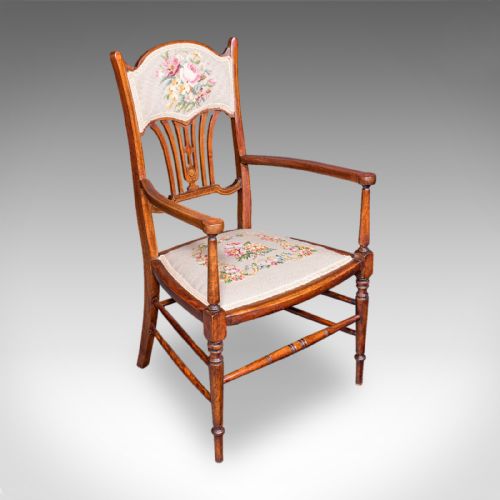
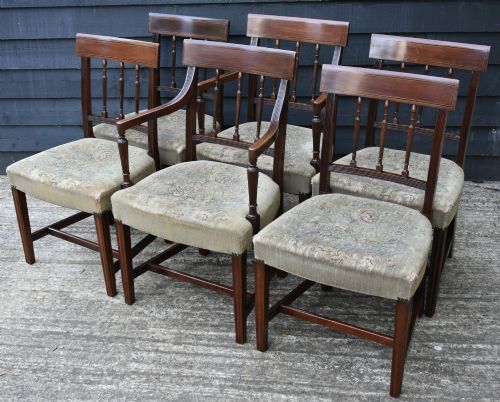
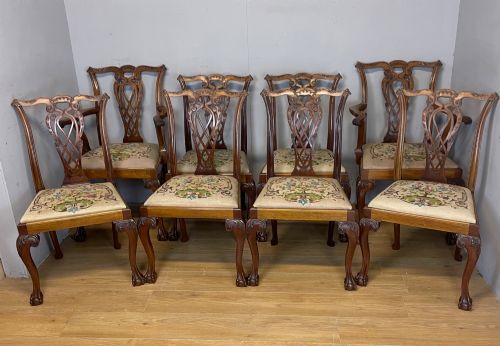
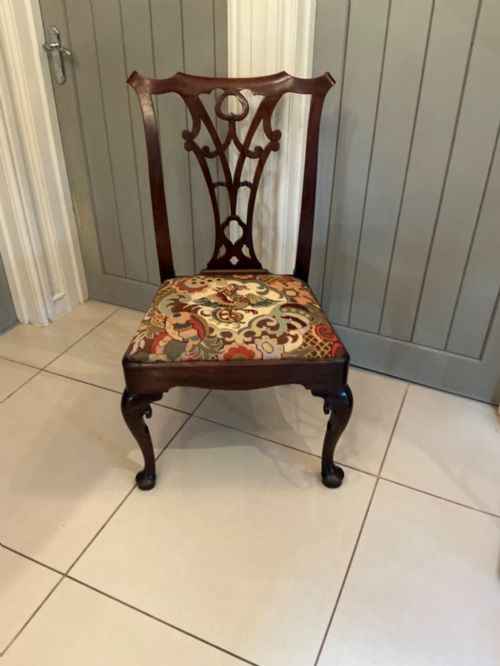
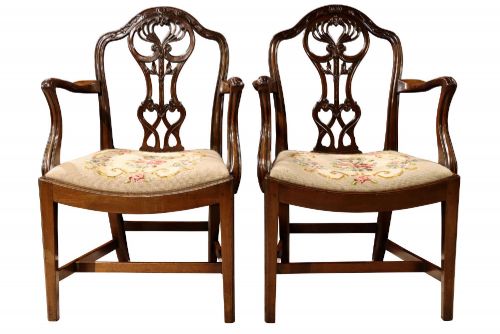
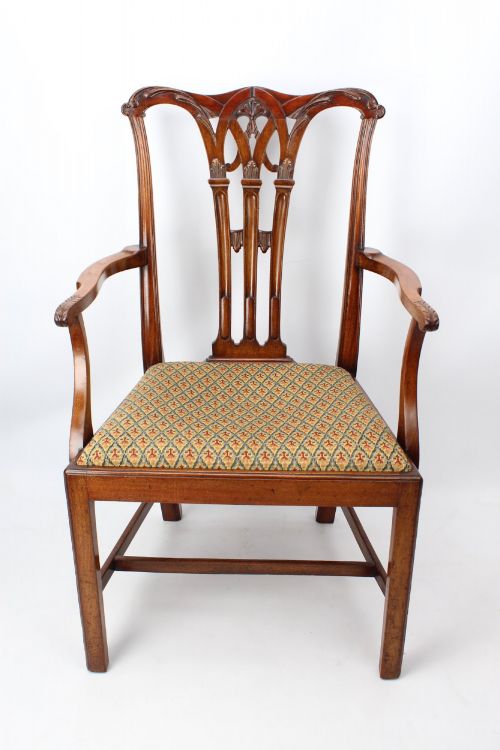
An edwardian tapestry seat chair is typically encountered as an armchair, side chair, or dining chair originating from the early 1900s or the Edwardian period. The selections here include mahogany, oak, and walnut examples spanning dining sets, salon suites, and occasional seating.
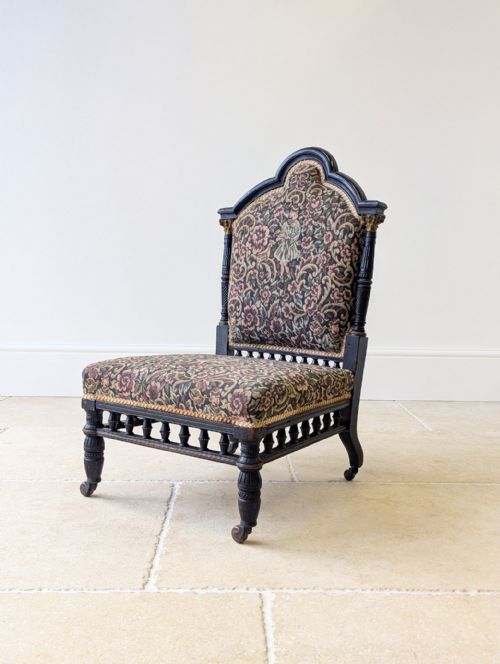
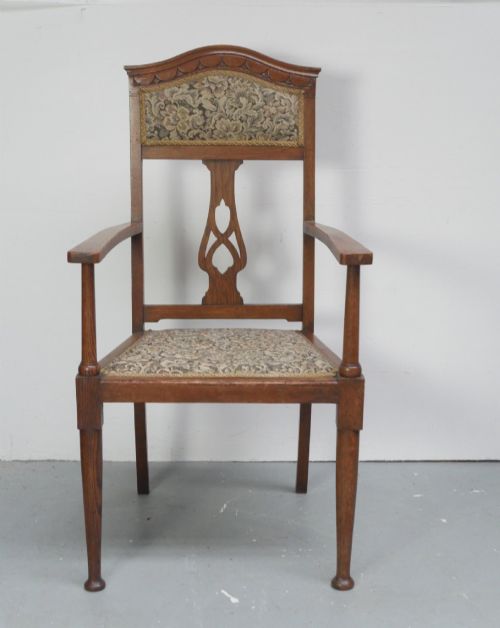
Makers and workshops of the era drew heavily on revival styles, producing Chippendale, Jacobean, and Georgian revival seating alongside Arts and Crafts and Art Nouveau designs. Frames range from inlaid mahogany and ebonised wood to sturdy oak and beech, frequently paired with hand-stitched tapestry or woven fabric seat inserts.
Materials and construction methods
The primary structural woods seen across these listings are mahogany, oak, walnut, beech, and ebonised timber, providing both durability and rich grain patterns for visible frames. Joinery methods of the period rely on traditional mortise and tenon joints, turning, and occasional marquetry or brass detailing.
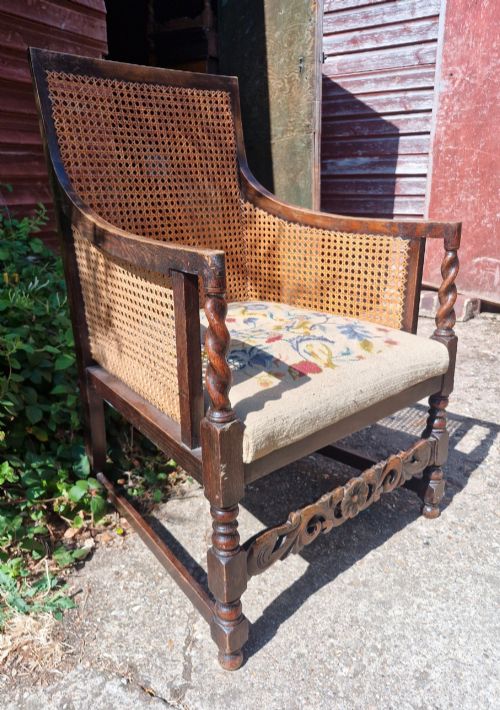
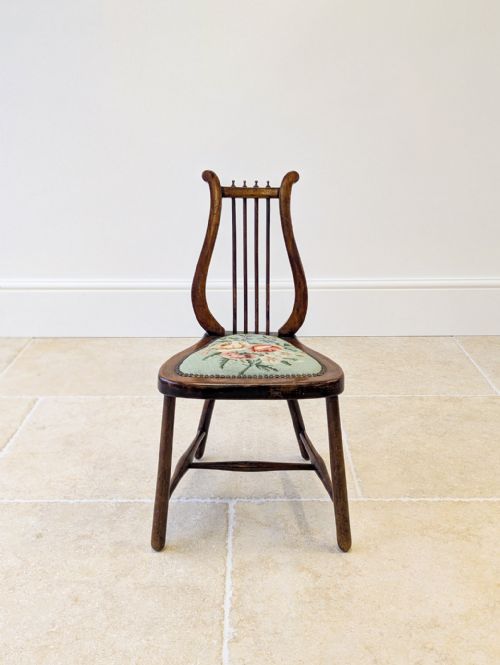
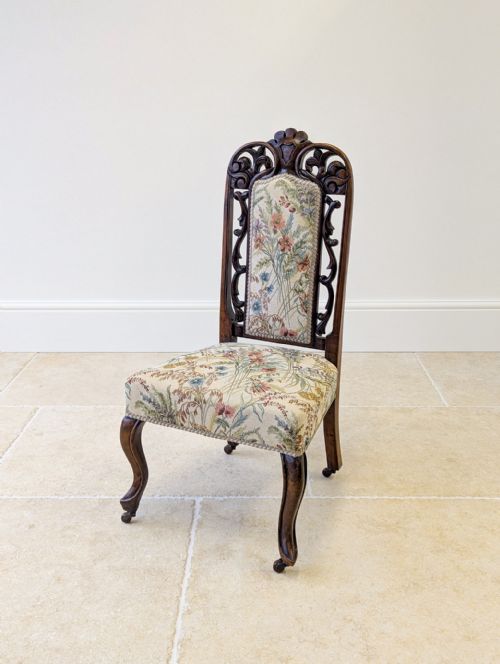
Seats are upholstered in tapestry fabric, textile, or hand-stitched needlework panels set into drop-in frames or fixed directly to the wooden structure. Secondary decorative elements include carved splats, lyre backs, and bobbin-turned supports that reflect prevailing revival aesthetics.
The periods represented in these selections span from the nineteenth century through the Edwardian era into the early 1920s and 1930s.
Distinctions in craftsmanship and materials
The refinement of the timber carving and the crispness of revival details separate standard production seating from finer workshop pieces. Dense hardwoods like figured mahogany or walnut retain structural integrity better than softer alternatives over decades of use.
The quality of the textile seat cover and the tightness of the joinery dictate the overall standard of a piece. Hand-stitched tapestry and well-executed marquetry inlay elevate the visual presence of an armchair or side chair significantly.
Warings·Liberty and Co
The Edwardian Tapestry Seat Chair Glossary
- Bergere
- An enclosed upholstered armchair with wooden framing, frequently incorporating woven cane panels on the back and sides. This French-inspired form appears across various early twentieth-century oak and walnut iterations.
- Salon Chair
- A decorative chair designed for formal entertaining and reception rooms rather than heavy daily dining use. These often exhibit lighter proportions, open arms, and decorative upholstery such as tapestry or silk.
- Drop-in Seat
- A removable wooden frame insert upholstered independently before being dropped into the seat rail recess of a chair. This technique allows for straightforward reupholstery without dismantling the main frame.
- Marquetry
- Decorative veneer work arranged in pictorial or geometric patterns on wooden furniture surfaces. It employs contrasting timbers and organic materials to create intricate surface enrichment.
Edwardian Tapestry Seat Chair: Frequently Asked Questions
What is an edwardian tapestry seat chair?
An edwardian tapestry seat chair is a piece of wooden seating from the early twentieth century featuring a textile or needlework upholstered seat panel. These chairs encompass dining, salon, and occasional forms constructed primarily in mahogany, oak, and walnut.
They reflect the revival tastes of their era, drawing on Georgian, Chippendale, and Arts and Crafts design vocabulary while serving practical domestic functions.
How were these chairs originally used?
These pieces served multiple domestic roles ranging from formal dining and drawing-room seating to bedroom boudoir chairs and desk seating. Lighter salon and elbow chairs were easily moved around reception rooms as needed for guests.
Dining sets provided formal seating around the table, while nursing and boudoir chairs offered lower, comfortable seating for private quarters.
How do I live with antique seating?
Living with these chairs involves placing them out of direct sunlight to protect the textile tapestry seats from fading and fibre degradation. Regular gentle dusting of the wooden frames preserves the polish and natural finish.
They function well as occasional chairs in modern interiors, adding period character to living rooms, hallways, and bedrooms without requiring specialised maintenance beyond standard furniture care.
How do I tell Edwardian from Victorian chairs?
Edwardian chairs generally display lighter proportions, brighter mahogany or satinwood tones, and simpler neoclassical or revival lines compared to earlier Victorian counterparts. Victorian seating frequently utilises darker woods, heavier carved walnut, and more exuberant, dense ornamentation.
Revival influences in the Edwardian era often leaner toward refined eighteenth-century interpretations, whereas mid-nineteenth-century pieces lean into heavier historical revivals and aesthetic movement ebonising.