


Edwardian Tallboy Wardrobe
An edwardian tallboy wardrobe combines vertical storage with fitted drawer space, offering an elegant solution for modern bedrooms.
Edwardian Tallboy Wardrobe
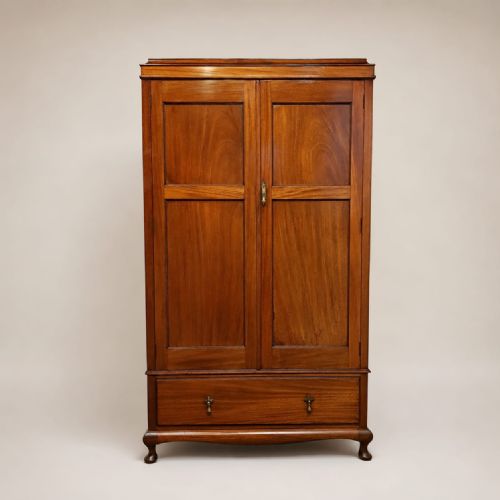
An edwardian tallboy wardrobe sits firmly in the tradition of large bedroom storage, combining the height of a linen press with lower drawer capacity. Buyers searching for an edwardian tallboy wardrobe will encounter tall, upright pieces designed to maximise floor space while offering generous internal capacity.
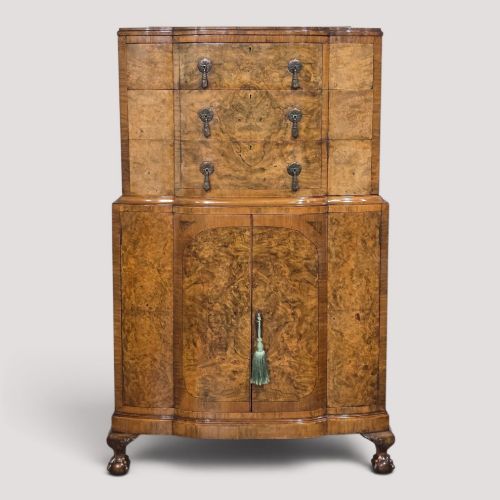
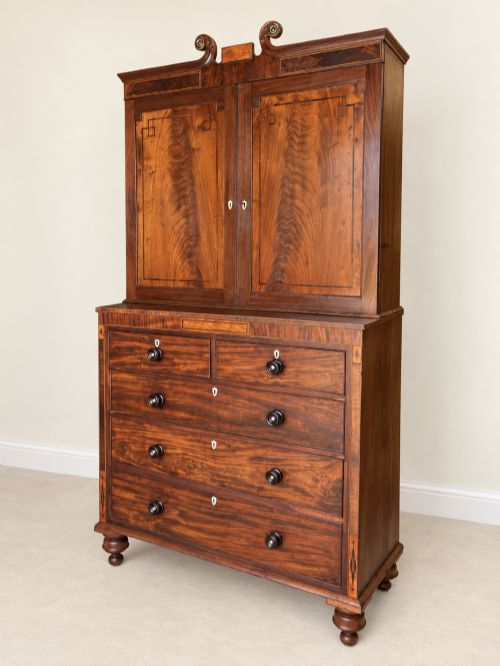
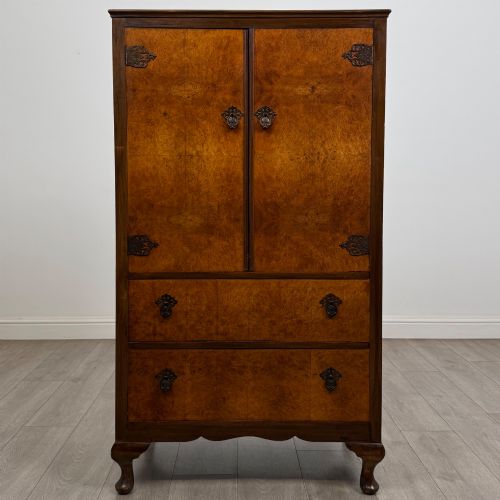
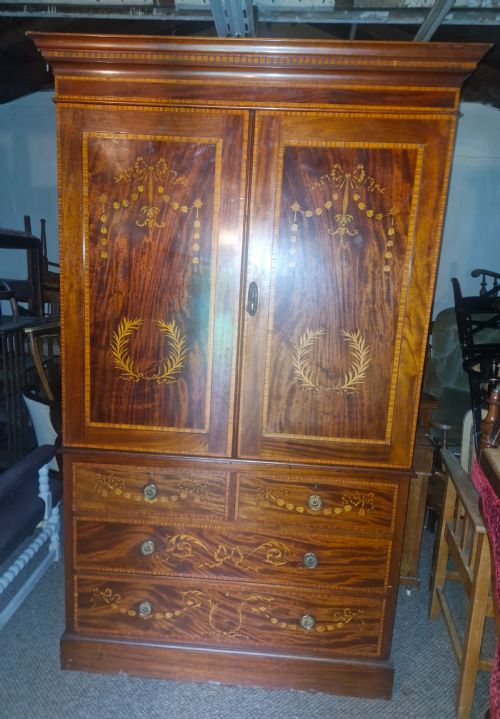
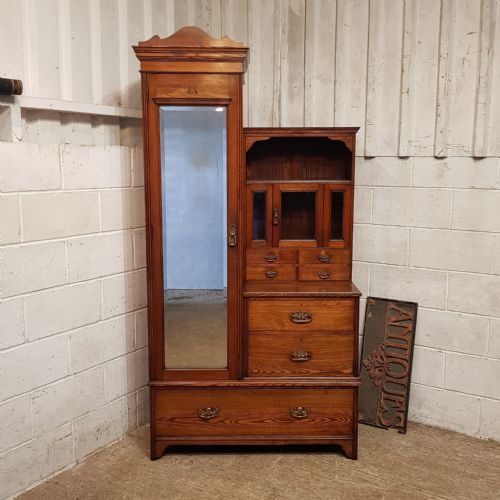
The examples recorded here span from mahogany pieces with delicate boxwood inlay to burr walnut and ash constructions. Alongside standard Edwardian items, related forms such as compactums, linen presses and gentleman's chests appear frequently within this furniture category.
Materials and construction
Cabinetmakers of the period relied heavily on solid mahogany, ash and burr walnut, frequently applying boxwood inlay for decorative contrast. Secondary timbers such as pine appear internally for drawer linings and carcase backs.
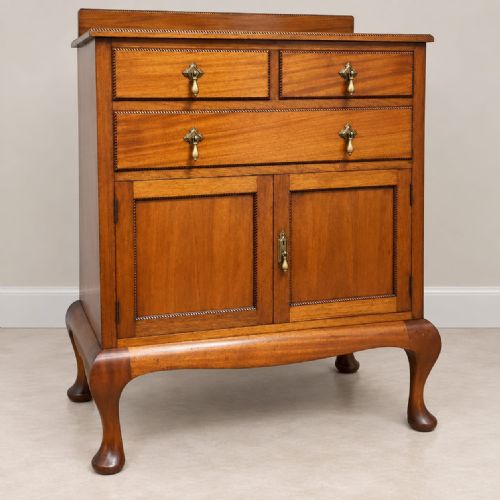
Surface finish was achieved through traditional waxing and polishing techniques that highlighted the natural grain of the timber. Brass hardware, including drop handles and escutcheons, was standard across pieces produced by prominent cabinetmakers and provincial workshops alike.
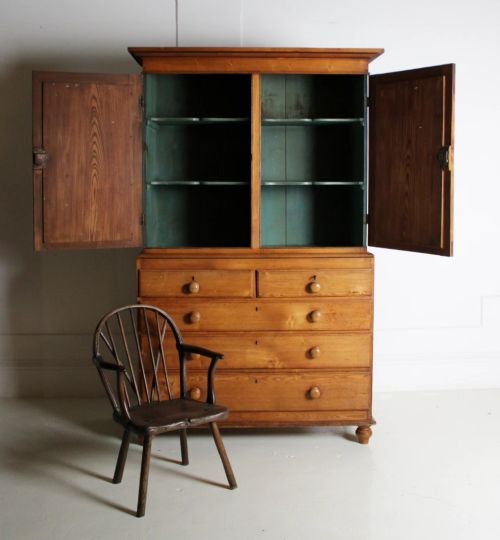
One listed pine cupboard unit comes with the explicit warning that it partially dismantles, suggesting past adventures in narrow stairwells.
Assessing quality and craftsmanship
Superior examples distinguish themselves through the selection of figured timbers, such as burr walnut or well-matched mahogany veneers. The precision of the boxwood inlay and the weight of the brass fitments also indicate the original workshop's standing.
Internal joinery, including hand-cut dovetails on drawer boxes and the smooth operation of panelled doors, separates standard utility pieces from high-end commissions. Maker attribution, such as work bearing stamps or labels from firms like Maple & Co, alters the standing of a piece considerably.
Druce & Co.·Maple & Co·Whytock & Reid
The Edwardian Tallboy Wardrobe Glossary
- Tallboy
- A piece of furniture consisting of a wardrobe or cupboard section mounted above a chest of drawers. This vertical arrangement provides maximum storage capacity within a compact footprint.
- Compactum
- A large fitted wardrobe featuring multiple internal compartments, hanging space, and drawers designed for complete bedroom storage. These units often separate into sections for easier transport.
- Linen Press
- A tall storage cabinet traditionally used for flat textiles, featuring upper sliding trays or shelves above a chest of drawers. Later examples merge this function with standard wardrobe hanging space.
- Inlay
- A decorative technique where contrasting woods, such as boxwood, are inserted into recessed cavities on the primary timber surface. This creates geometric or floral patterns across the doors and drawer fronts.
Edwardian Tallboy Wardrobe: Frequently Asked Questions
How do I fit a tallboy wardrobe into a modern room?
Measure your ceiling height carefully, as these upright storage pieces were designed for taller Victorian and Edwardian rooms. Many examples also dismantle into upper and lower sections to ease transport through standard doorways.
Position the wardrobe away from direct heat sources to protect the mahogany or burr walnut veneers from drying and cracking over time.
What is the difference between a tallboy and a compactum?
A traditional tallboy generally pairs a cupboard section directly above a set of drawers, maintaining a distinct vertical profile. A compactum is usually wider and more heavily fitted internally, incorporating designated spaces for hanging clothes alongside shelves and internal drawers.
Both forms belong to the broader category of large Edwardian bedroom storage units recorded in our listings.
Can I remove the internal fittings for modern clothes hangers?
Many pieces feature original linen slides or fixed shelving that may not accommodate modern longer garments. Check whether the interior has already been adapted or if the wooden runners allow for a removable clothes rail to be installed.
Consulting the specific description of internal configurations helps determine if modification is necessary for your wardrobe needs.
How do I distinguish Edwardian pieces from earlier Victorian furniture?
Edwardian furniture produced around 1900 frequently exhibits lighter timbers, simpler lines, and more restrained boxwood inlay than heavy mid-Victorian designs. Cabinetmakers of this later period often favoured satinwood, ash, and figured mahogany alongside brighter brass hardware.
Examining the internal drawer construction and secondary pine timbers provides further clues to the manufacturing decade.