


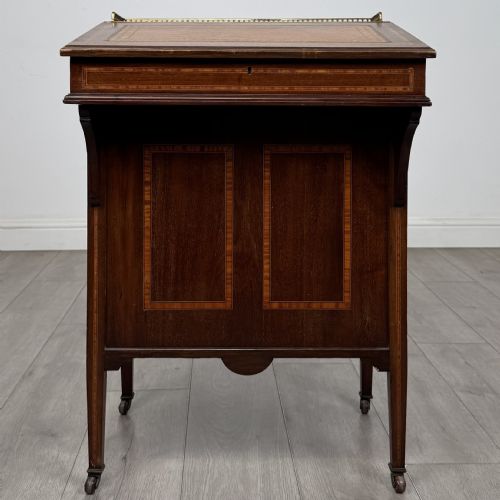
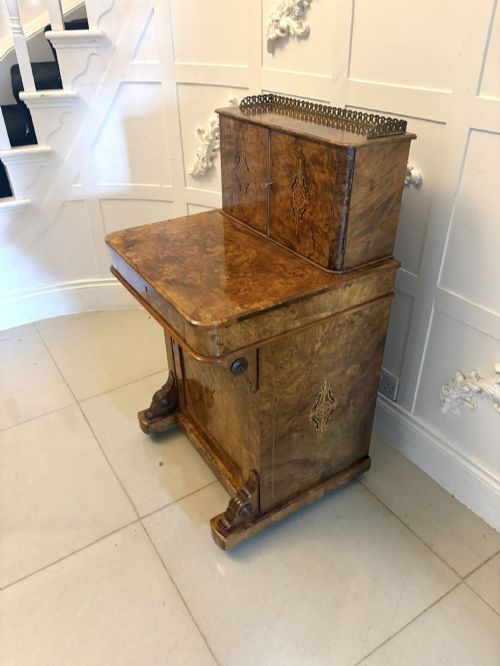
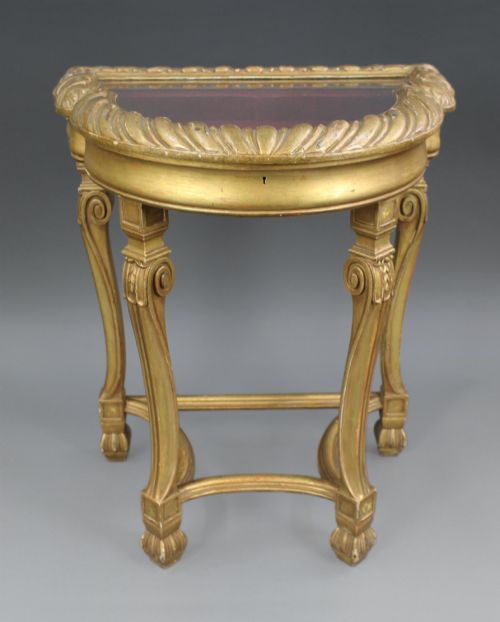

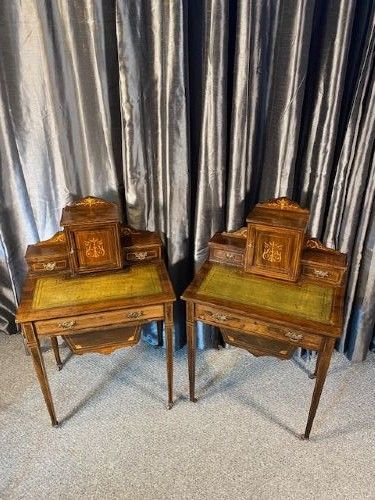
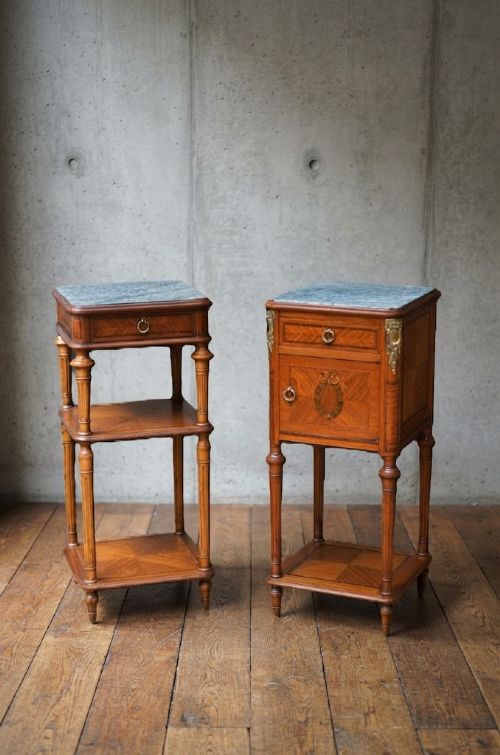
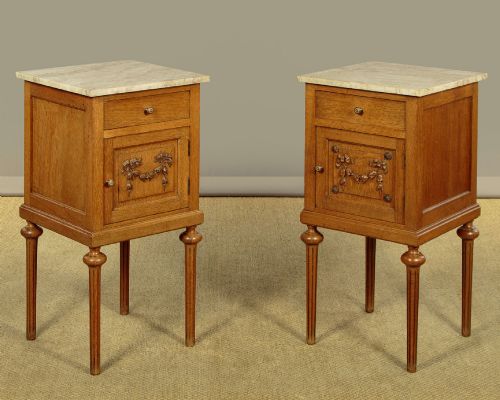
Edwardian Table Top Cabinet
An Edwardian table top cabinet provides a compact, elevated showcase for precious items, bringing period craftsmanship directly onto a desk or chest.
Edwardian Table Top Cabinet
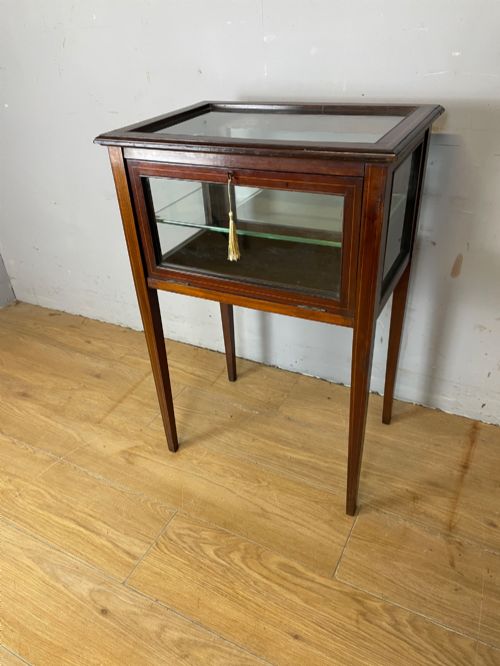
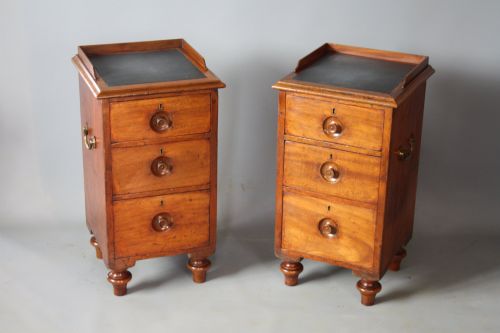
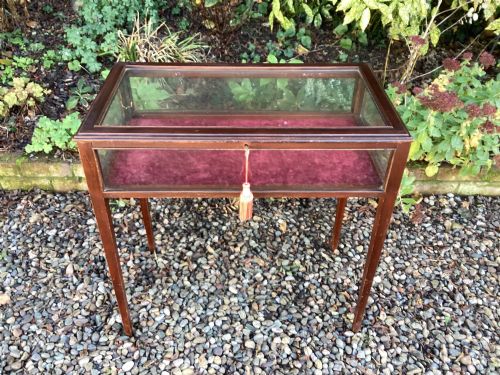
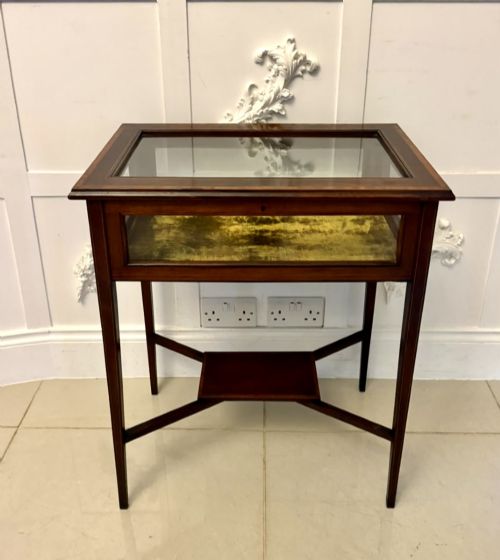
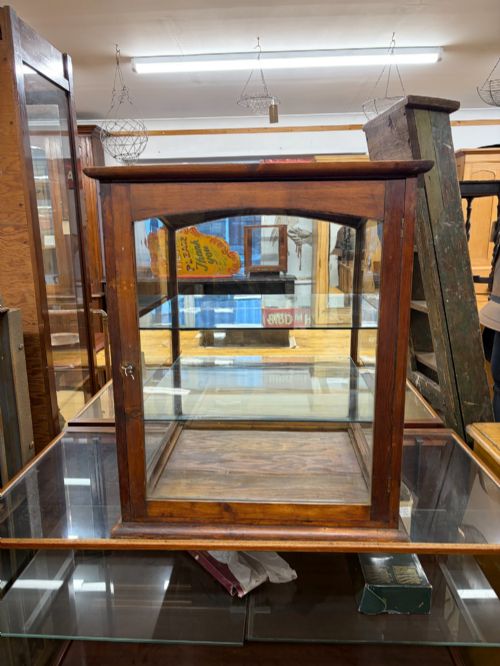
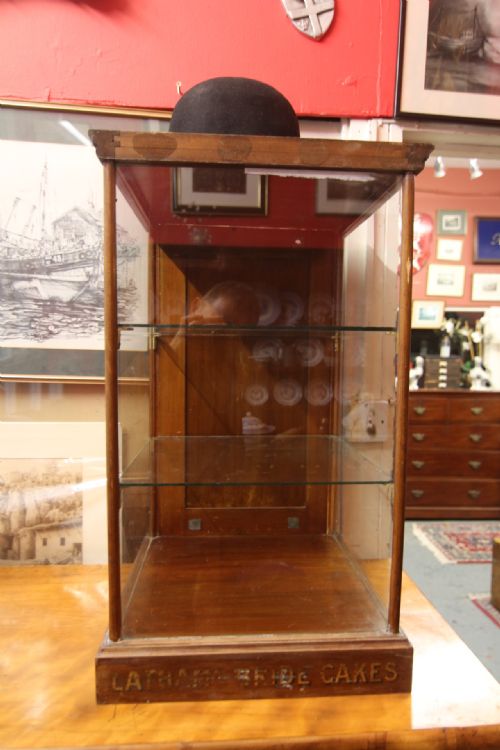
An edwardian table top cabinet sits upon a larger surface, taking the form of a small glazed display case, a jewellery box, or a miniature storage unit. While the search phrase points specifically to the Edwardian era, pieces meeting this description span from the nineteenth century into the early twentieth century.
Makers of these compact pieces drew on various historical styles, producing items in mahogany, walnut, and oak. Alongside Edwardian examples, buyers encounter Victorian walnut collectors' cabinets and glazed cases from around nineteen twenty.
The primary function remains the containment and display of small valuables, ranging from trinkets to jewellery. Such pieces reflect domestic life when tabletop organisation required purpose-built cabinetry rather than casual storage.
Materials and construction
Cabinet makers utilised dense hardwoods such as mahogany and walnut as the primary structural timbers, frequently applying finer veneers like satinwood for visual contrast. Inlaid stringing and marquetry ornamentation appear across many surfaces, showing meticulous hand-cutting and fitting.
Glazing forms a central element for display variations, with fitted glass panels held by slender timber frames. Brass hardware, including hinges, locks, and handles, provides functional closure while contributing bright metallic accents to the darker wood tones.
Edwardian Table Top Cabinet Retail Price Guide 2026
Typical asking prices for edwardian table top cabinet among the pieces listed under this phrase on Sellingantiques today, from the lower quarter to the upper quarter. They describe what is for sale here now, not the wider market.
A tiny key clicking into a brass lock on a velvet-lined shelf connects today's desktop directly to the secret-keeping habits of nineteen hundred.
Distinctions in quality
Quality rests upon the precision of the timber joints and the crispness of any inlay work. Superior examples demonstrate tight mitres in the frame construction and symmetrical grain selection across the panels.
Hardware integrity separates standard production from finer execution. Original brass locks, keys that operate smoothly, and intact glass panels indicate a higher standard of preservation and initial manufacture.
J.C Vickery of London
The Edwardian Table Top Cabinet Glossary
- Marquetry
- Decorative patterns formed by the insertion of small pieces of wood, veneer, or shell into a background veneer. This technique creates pictorial or geometric designs on cabinet surfaces.
- Satinwood
- A pale, lustrous timber imported from tropical regions, used extensively for banding and inlay during the Edwardian period. Its reflective quality brightens dark mahogany structures.
- Vitrine
- A glass-fronted cabinet designed for the display of objects or curiosities. These cases utilise clear panes to allow maximum light penetration onto the items inside.
- Inlay
- The technique of embedding contrasting materials flush into the surface of a timber base. It defines panel borders and outlines geometric shapes on drawer fronts and tops.
Edwardian Table Top Cabinet: Frequently Asked Questions
What fits inside an edwardian table top cabinet?
These cabinets suit small collectables, documents, and personal jewellery items. The compact interior compartments organise delicate possessions safely out of sight.
Glass-fronted versions allow precious ornaments to remain visible while protected from dust in a living space.
How do I date an edwardian table top cabinet?
Dating relies upon timber selection, hardware style, and construction methods visible inside the piece. Edwardian examples often feature lighter satinwood banding against mahogany.
Earlier nineteenth-century equivalents tend towards heavier solid walnut or pollard oak with darker patination and simpler internal linings.
Where should I place a table top cabinet?
Such cabinets sit securely upon sturdy sideboards, desks, or chests of drawers at a convenient viewing height. Their modest footprint requires minimal surface area.
Placement away from direct sunlight protects vulnerable timber veneers and interior fabric linings from fading over time.
How do I maintain the timber surface?
Routine maintenance involves dusting with a dry, soft cloth to prevent particulate accumulation on polished wood and glass. Avoid silicone-based sprays that damage historic finishes.
Occasional application of appropriate wax feeds the timber and preserves the natural lustre of mahogany and walnut surfaces.