




Edwardian Table Crystal
Edwardian table crystal brings together heavy cut glass and silver mounts to catch the light on dining and dressing tables.
Edwardian Table Crystal
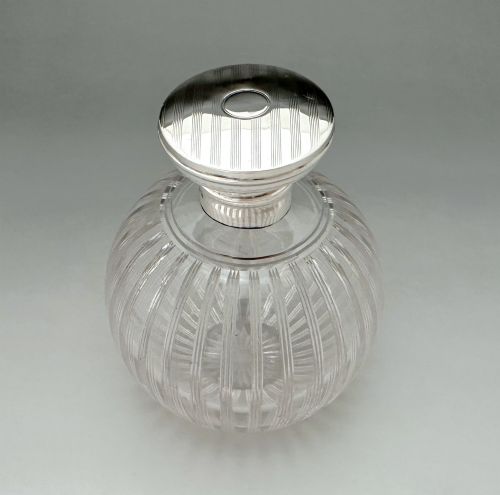
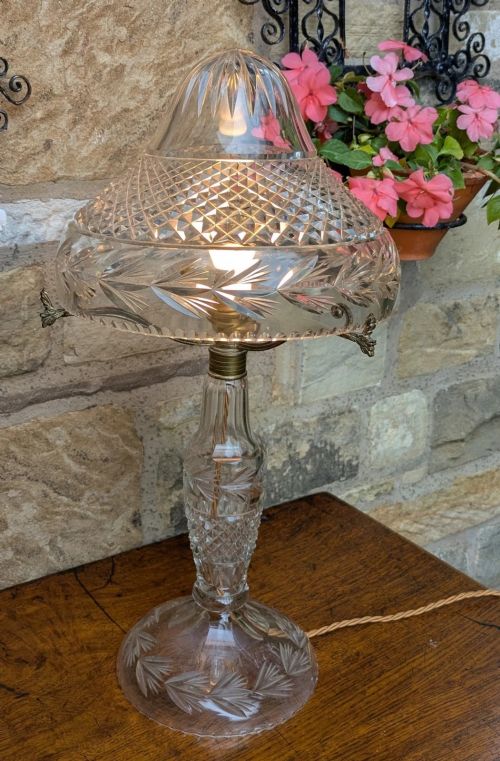
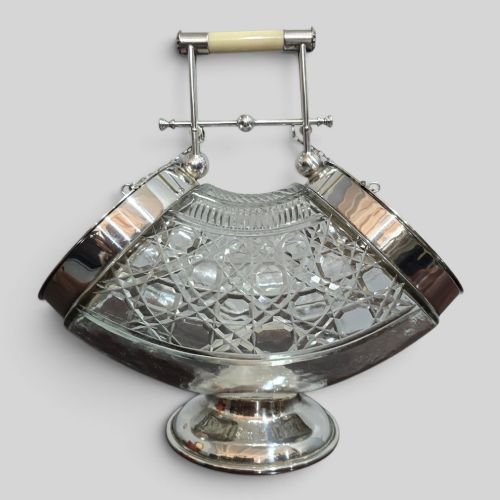
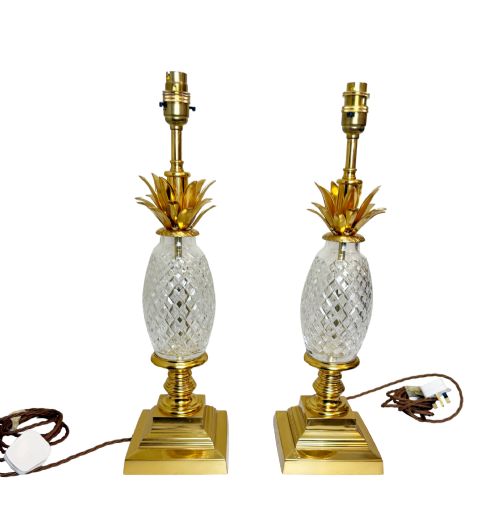
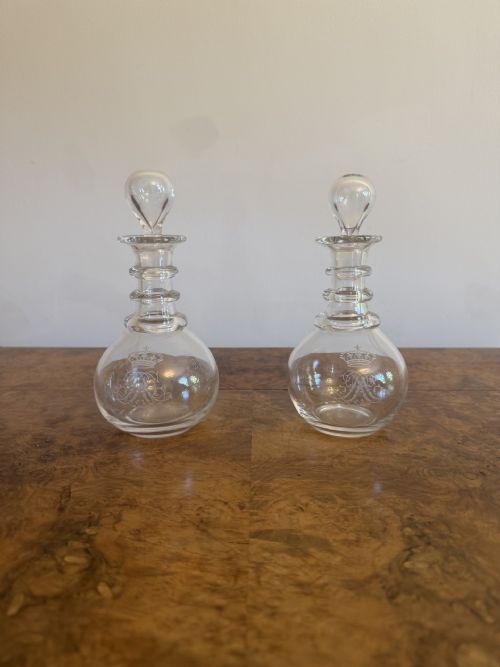
Edwardian table crystal encompasses functional items designed for dining, dressing, and entertaining during the early twentieth century. The selection ranges from decanters and biscuit barrels to scent bottles, cruet sets, and table lamps.
Most pieces date from the Edwardian period or closely adjacent decades such as the Victorian and George V eras. Forms frequently combine heavy glass with sterling silver, silver plate, or brass components.
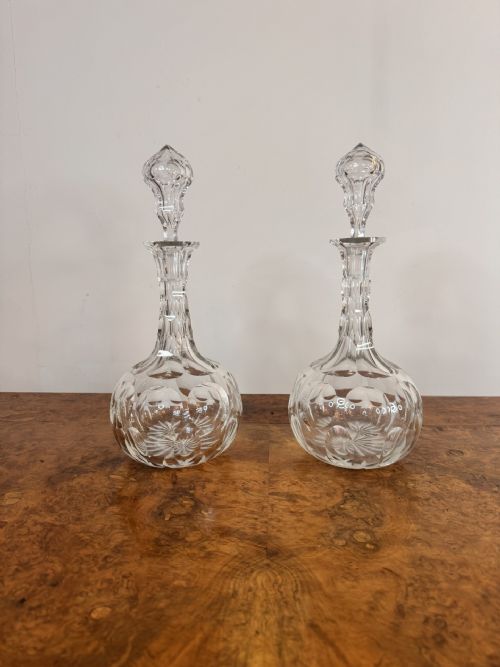
Objects appear in various domestic contexts, serving both decorative and practical roles in the home. Common forms include scent bottles, decanters, biscuit jars, and cruet sets fitted with silver collars and lids.
Materials and Techniques
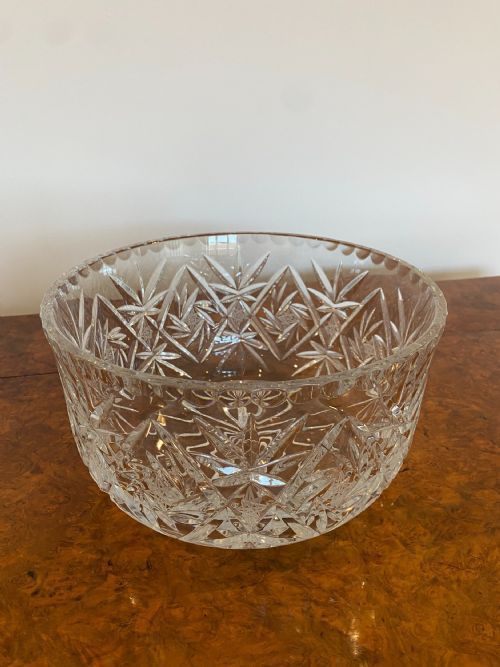
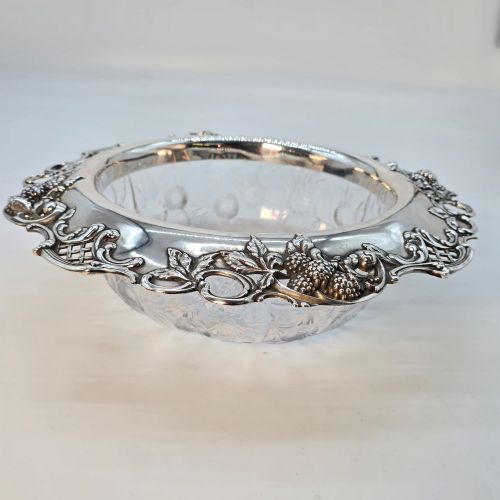
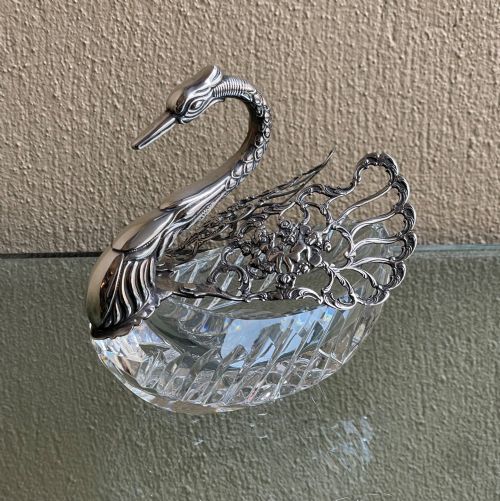
Makers utilised lead crystal, cut glass, and plain glass formed into heavy vessels with deep incisions. Surfaces display hobnail cutting and engraved details that refract light across the facets.
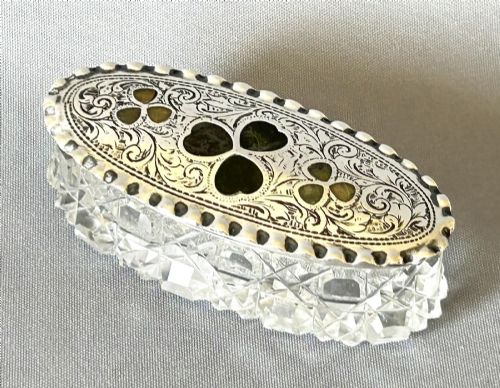
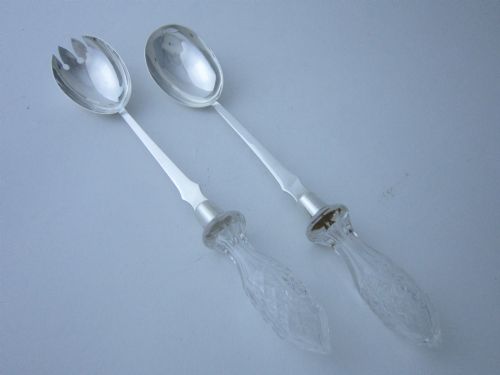
Metal mounts in sterling silver, silver plated metal, brass, and gilt bronze provide structural support and decorative contrast. Tortoise shell and enamel often appear inset into silver lids and bottle tops.
Edwardian Table Crystal Retail Price Guide 2026
Typical asking prices for edwardian table crystal among the pieces listed under this phrase on Sellingantiques today, from the lower quarter to the upper quarter. They describe what is for sale here now, not the wider market.
Some Edwardian scent bottles feature hidden internal stoppers so secretive they baffle modern guests trying to smell the perfume.
Quality Variations
The clarity and weight of the glass differ noticeably between standard domestic items and pieces produced by prominent makers. Deeper, crisper facet cutting and substantial lead content produce greater brilliance and weight.
Mounts demonstrate variation through the thickness of the silver or plating and the precision of the hallmarking. Finer pieces retain intact glass stoppers, unblemished mounts, and well-fitted hinged lids.
Stevens and Williams·Tiffany and Co·Samuel Marti et Cie·Barnsley and Co
The Edwardian Table Crystal Glossary
- Cut Glass
- Glass shaped and patterned by holding it against a rotating abrasive wheel. Deeper cuts create sharp facets that catch the light.
- Silver Plate
- A base metal coated with a thin layer of silver. This technique offered the appearance of solid silver at a lower production cost.
- Hobnail Cut
- A raised diamond pattern cut into the surface of glass. It creates a tactile, highly refractive texture popular on utilitarian vessels.
- Cruet Set
- A collection of small bottles or jars for condiments held in a metal stand. They sat on dining tables for vinegar, oil, and sauces.
- Tantalus
- A locked wooden frame holding decanters with visible contents. The locking mechanism prevented unauthorized access to the liquor inside.
Edwardian Table Crystal: Frequently Asked Questions
What is Edwardian table crystal?
Edwardian table crystal refers to glassware and combined metal accessories produced around the start of the twentieth century. These items include dining table necessities and dressing table bottles.
Many examples pair heavy cut glass with sterling silver collars, hinged lids, or fitted stands. They reflect the formal entertaining habits of the period.
How were these items used?
These objects served practical functions during meals, tea services, and personal grooming routines. Decanters held wine, while cruet sets organised condiments on the dining table.
Scent bottles and trinket boxes sat on dressing tables to hold perfumes and small valuables. Biscuit barrels kept baked goods sealed in the drawing room or dining room.
How do I clean antique glass?
Antique glass requires gentle washing in lukewarm water with mild soap. Avoid sudden temperature changes to prevent cracking the old material.
Silver mounts should be cleaned separately with a soft cloth to avoid getting polish on the glass or trapped in cut facets.
How can I date these pieces?
Dating relies on hallmarks stamped on silver mounts, which indicate the assay office and year of production. Style markers such as heavy hobnail cutting also point to specific decades around nineteen hundred.
Makers' marks etched into the glass or stamped on metal fittings provide further evidence of origin.