



Edwardian Sugar Tongs
Edwardian sugar tongs are delicate implements designed for the tea table, combining practical function with the refined tastes of the early twentieth century.
Edwardian Sugar Tongs
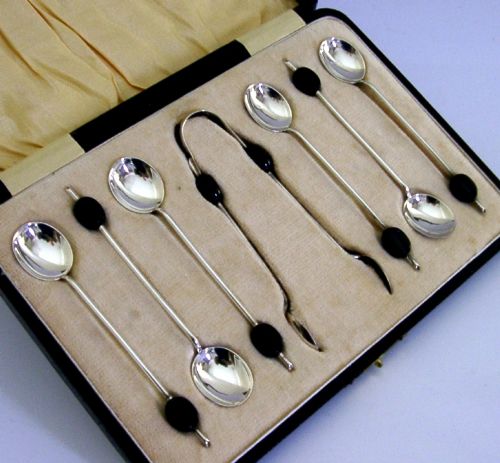
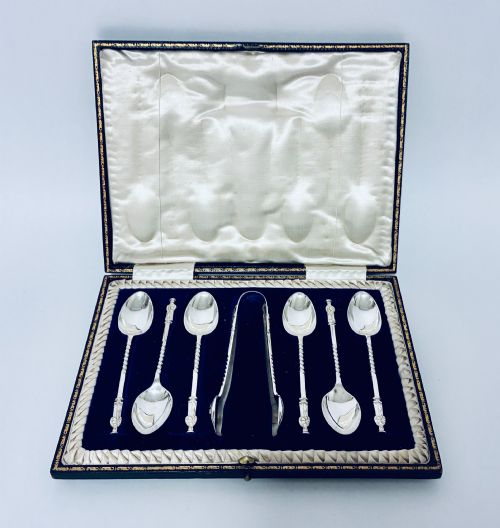
The versions you are most likely to meet on this page span the Edwardian period into the 1920s and 1930s, often formed as part of matched sets or housed in fitted presentation boxes lined with silk, velvet, or satin.
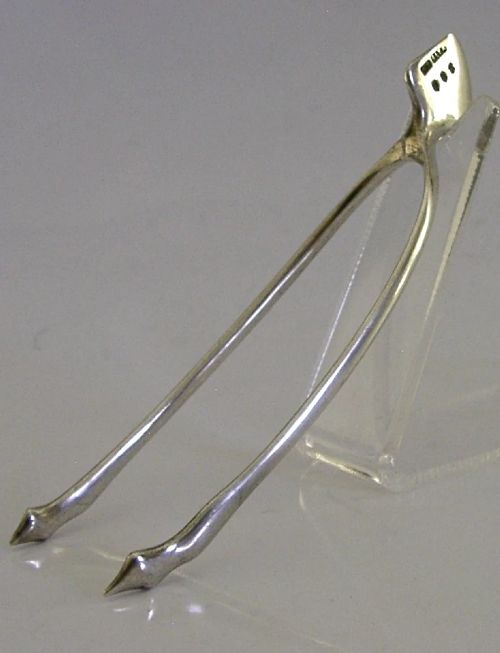
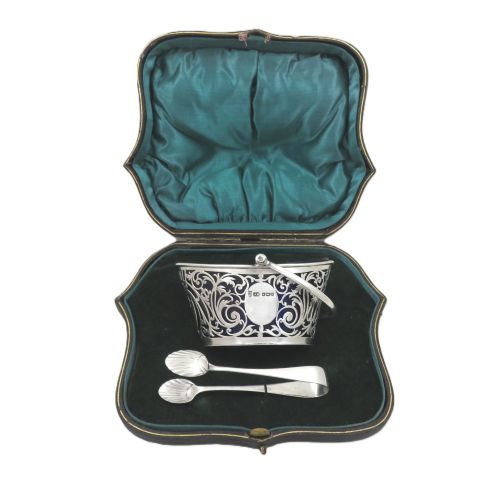
Many examples emerge in sterling silver, sometimes accompanied by sugar baskets, coffee bean spoons, or apostle spoons. The selection also includes distinct regional pieces, such as Scottish wishbone designs.
Materials and construction
The primary material seen across these items is sterling silver, shaped into spring arms and decorative terminals that provide both resilience and flexibility for gripping sugar lumps. Some pieces utilise silver-gilt finishes to add a rich golden tone to the metal surface.
Presentation cases employ supportive outer layers of leatherette or textured materials, paired with internal linings of silk, satin, or velvet to protect the polished metalware during storage and display.
Edwardian Sugar Tongs Retail Price Guide 2026
Typical asking prices for edwardian sugar tongs among the pieces listed under this phrase on Sellingantiques today, from the lower quarter to the upper quarter. They describe what is for sale here now, not the wider market.
Listings on this page span the Victorian, Edwardian, and Art Deco periods, incorporating materials such as sterling silver, velvet, Bakelite, and glass.
Judging quality in the range
Quality rests in the crispness of the metalwork and the balance of the spring mechanism, where superior pieces maintain their tension and alignment over decades of use. Maker marks and hallmarks stamped clearly into the silver add historical clarity and confirm the origin of the metal.
The condition of any accompanying presentation case also influences the overall character, particularly when fitted interiors of silk and velvet remain clean and intact around the silver pieces.
Robb Ballater·Robert Stebbings
The Edwardian Sugar Tongs Glossary
- Sterling silver
- A silver alloy containing 92.5 percent pure silver by mass, standard for quality tableware and cutlery of the period. This metal provides the bright finish seen on most sugar tongs.
- Silver-gilt
- Silver that has been coated with a thin layer of gold on its exterior surface. This technique creates a warm two-tone appearance on decorative spoons and tongs.
- Wishbone tongs
- Implements shaped to resemble a bird wishbone, utilising the natural spring of the curved metal arms. This form appears in Scottish silver designs from the early twentieth century.
- Leatherette
- A simulated leather material utilised for the exterior of fitted presentation cases. It provides a durable protective outer shell for cased cutlery sets.
Edwardian Sugar Tongs: Frequently Asked Questions
What are edwardian sugar tongs used for?
These implements were created to lift individual sugar lumps from a bowl or basket into a teacup during formal afternoon tea services. Their spring action allowed guests to serve themselves neatly without touching the sugar by hand.
Over time, many of these pieces became part of larger cased sets that included teaspoons, butter knives, or sugar baskets, reflecting the elaborate dining rituals of the period.
How do I care for silver sugar tongs?
Sterling silver benefits from regular, gentle cleaning with a soft cloth to remove natural tarnish and preserve the polished surface. Avoid abrasive cleaners that can wear down delicate hallmarks and engraved details.
When not in use, storing the tongs in a dry environment or a lined presentation case protects the metal from excessive atmospheric exposure and physical scuffs.
Are these tongs usually found alone?
Many examples on this page appear as part of fitted boxed sets alongside teaspoons, coffee bean spoons, or apostle spoons. Others are found paired directly with matching sugar baskets or serving dishes.
Standalone pairs also occur, often featuring distinctive forms like wishbone arms or decorative pierced work on the gripping terminals.
How do I identify the period of silver pieces?
Makers' marks and silver hallmarks stamped directly onto the metal provide the most reliable guide to the date and origin of each item. These small indented symbols record the assay office, standard of silver, and specific year letter.
The overall style of the piece, along with the construction of any accompanying presentation case lined in silk or velvet, also points toward the early twentieth century.