

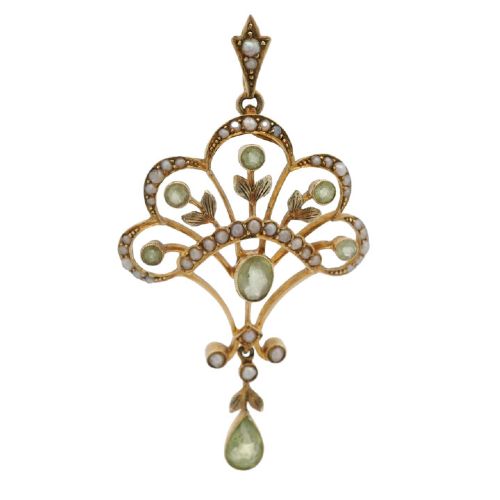
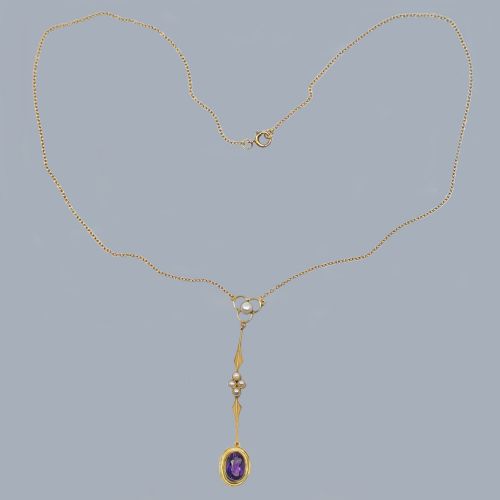
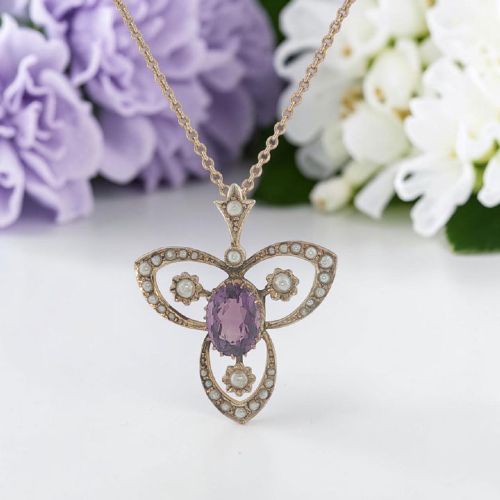


Edwardian Suffragette Jewellery
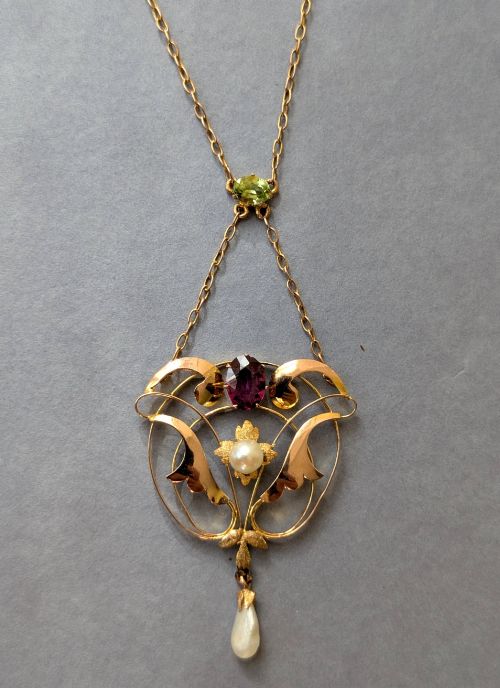
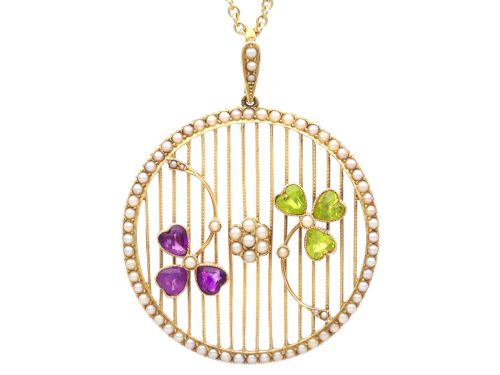
Edwardian suffragette jewellery brings together amethysts, peridots, and pearls in gold settings to mark a historic political movement.
Edwardian Suffragette Jewellery
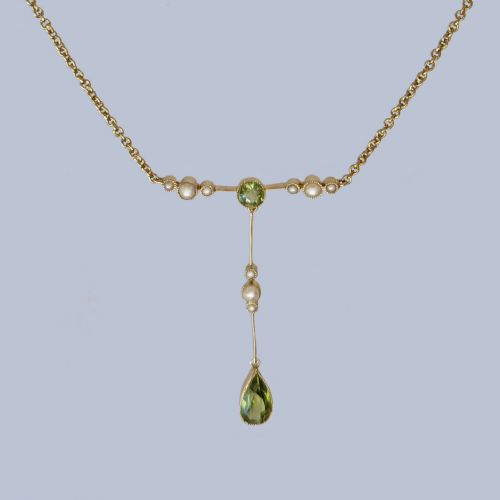
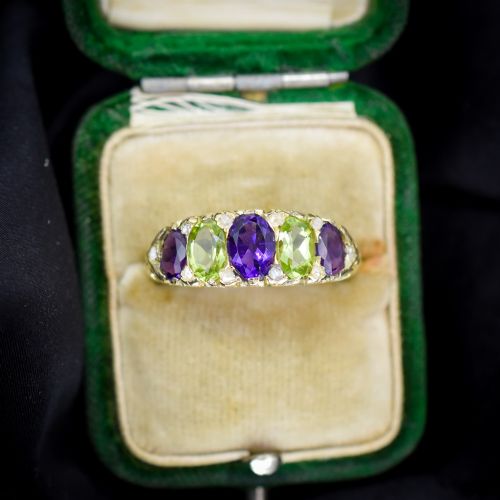
Edwardian suffragette jewellery comprises pendants, necklaces, brooches, rings, and bracelets created during the early twentieth century. These pieces commonly incorporate the symbolic green, white, and violet stones associated with the campaign for women's voting rights.
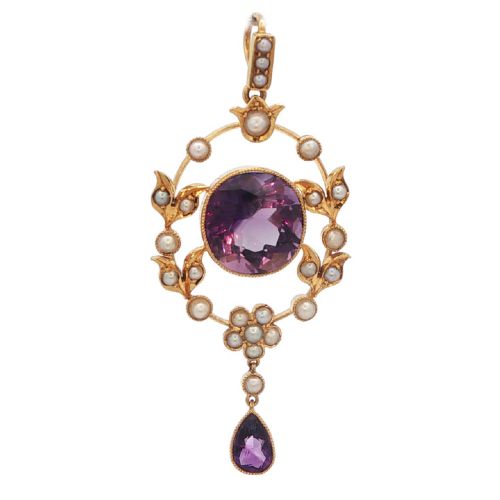
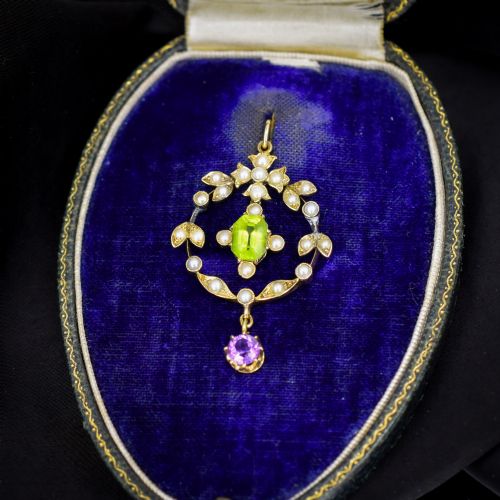
The version most frequently met on this page is the pendant or lavalier, often formed in nine-carat or fifteen-carat gold and set with seed pearls alongside purple amethysts and green peridots. Alongside these, brooches and drop necklaces appear regularly from the Edwardian period and the wider nineteenth century to the nineteen-thirties.
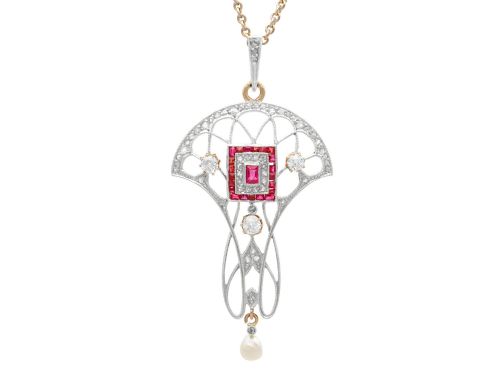
Makers utilised characteristic motifs of the era, including garland designs and organic Art Nouveau curves, to arrange the coloured gems. The resulting items function simultaneously as decorative personal ornaments and as tangible pieces of political history.
How edwardian suffragette jewellery was made
Goldsmiths worked primarily in nine-carat gold, fifteen-carat gold, and eighteen-carat gold to shape delicate settings for pendants, brooches, and rings. These gold mounts frequently incorporated openwork wireframes and intricate garland structures to hold multiple small stones securely.
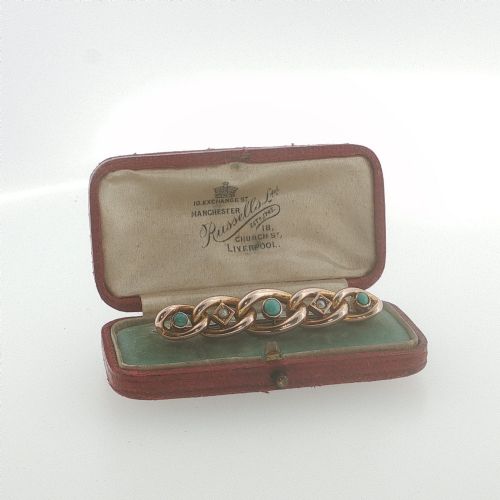
Craftsmen set natural gemstones including amethysts, peridots, seed pearls, diamonds, tourmalines, turquoise, and white sapphires into the precious metal. Seed pearls were meticulously drilled and threaded or pegged onto gold stems, while coloured stones were cut in faceted or cabochon forms to catch the light.
Edwardian Suffragette Jewellery Retail Price Guide 2026
Typical asking prices for edwardian suffragette jewellery among the pieces listed under this phrase on Sellingantiques today, from the lower quarter to the upper quarter. They describe what is for sale here now, not the wider market.
Listings feature items in nine-carat, fifteen-carat, and eighteen-carat gold, alongside seed pearls, amethysts, peridots, diamonds, tourmalines, turquoise, and white sapphires.
What varies in quality
The grade of gold utilised sets the baseline for value, with fifteen-carat and eighteen-carat yellow and rose gold mountings sitting above the lighter nine-carat alternatives. Heavier gauge metalwork provides greater structural integrity to delicate drop pendants and hinged bracelets.
Gemstone selection and matching dictate the visual hierarchy of the pieces, where deeply saturated amethysts and vibrant peridots paired with uniform seed pearls represent superior selection. The fineness of the hand-pierced gallery work and the complexity of the garland or lavalier configuration further separate standard examples from finer workshops.
The Edwardian Suffragette Jewellery Glossary
- Lavalier
- A pendant featuring a gemstone drop suspended below the main body, popular during the Edwardian era. These pieces often swing on fine gold chains.
- Seed pearl
- A very small natural pearl, typically uncultivated, used in clusters or borders around larger coloured gemstones. They add a delicate white accent to the design.
- Peridot
- A yellowish-green silicate mineral utilised for its bright green hue, representing the white and green colour scheme. It frequently pairs with purple amethyst.
- Garland style
- A decorative metalwork pattern resembling floral wreaths and swags, typical of fine Edwardian jewellery. This technique creates a light, lace-like effect in gold.
Edwardian Suffragette Jewellery: Frequently Asked Questions
What colours are in suffragette jewellery?
The stones follow the colours of green, white, and violet, which were chosen by the Women's Social and Political Union.
Amethysts provide the violet, peridots or tourmalines supply the green, and seed pearls or white sapphires represent white.
Are these pieces genuinely from the Edwardian period?
The listings span the Edwardian era alongside late Victorian and nineteen-thirties examples.
Makers continued producing these distinctive colour combinations across the early twentieth century as the political campaign progressed.
How should I wear an antique pendant?
Pendants and lavaliers hang best from fine gold chains that match the carat of the original mount.
Care should be taken with seed pearls, as they are softer than gemstones and benefit from removal before swimming or bathing.
What gold purity is standard?
Items appear in nine-carat, fifteen-carat, and eighteen-carat yellow or rose gold.
Fifteen-carat gold is particularly characteristic of British work from the turn of the twentieth century before legal standards changed later.