


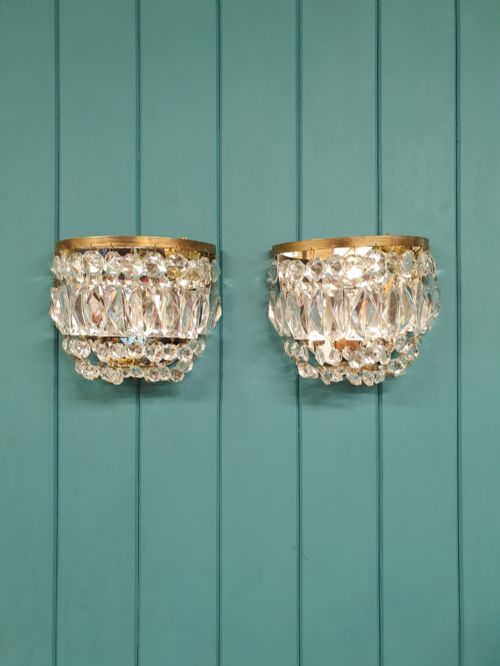


Edwardian Style Wall Sconces
Edwardian style wall sconces bring period illumination to a room, spanning brass, copper, and silver plate from the turn of the twentieth century.
Edwardian Style Wall Sconces
When you search for Edwardian style wall sconces, you encounter lighting fixtures designed to mount directly onto vertical surfaces for ambient illumination. The selection spans forms such as twin arm lights, triple arm gasoliers, wall lanterns, and girandole mirrors that reflect candlelight or early electric light. These pieces originate primarily from the early twentieth century, the Edwardian era itself, and the wider nineteenth century.
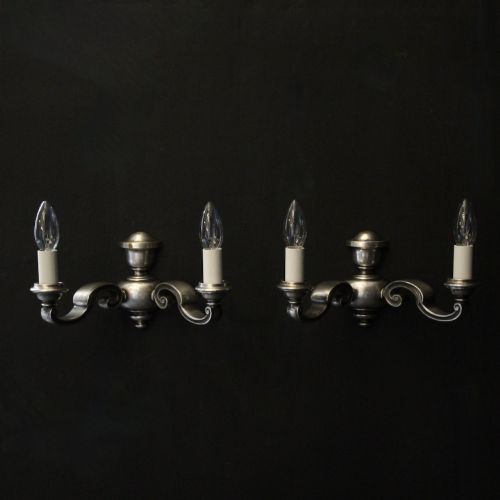
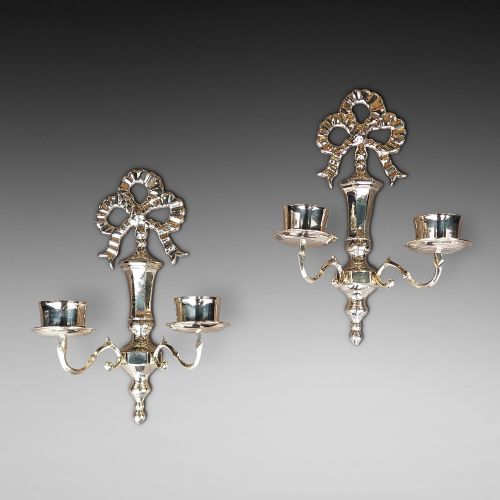
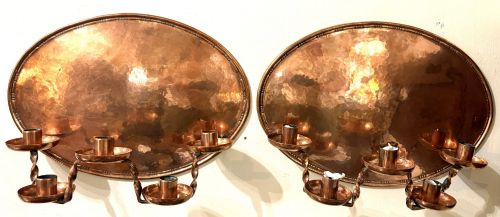
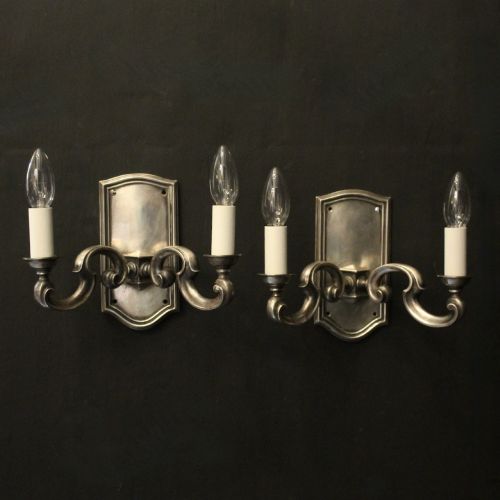
You are most likely to meet brass and silver plated examples on this page, alongside copper, gilt metal, and gilded brass constructions. The stylistic vocabulary draws heavily upon historical revivals, including Adam, Georgian, Rococo, French Chateau, Neo-Classical, and Arts and Crafts movements. Many are offered as matched pairs, designed to flank a mirror, fireplace, or doorway.
The assortment includes carriage style wall lanterns and specialised forms like prison bag wall lights, reflecting the diverse domestic and institutional architecture of the period. Makers and designers referenced in the broader tradition include F. and C. Osler and Liberty, though many surviving pieces remain anonymous workshop productions. Every item carries the mechanical fittings and wall mounting brackets characteristic of its original period of manufacture.
Materials and construction methods
The primary metals utilised across these sconces are brass, copper, and cast metal, frequently worked into shaped plates, arms, and backplates. Silver plating and gilding are applied to base metals to achieve a reflective, bright finish, while other pieces retain a verdigris patinated copper surface. Casting and hand-beating techniques allow for detailed ornamentation, from neoclassical swags to rococo scrollwork.
Glass elements, including shades and mirror plates, are integrated into designs such as girandole mirrors and enclosed wall lanterns. Carved giltwood frames appear alongside cast ormolu and bronze mounts, demonstrating the variety of workshop skills employed in early lighting manufacture. Structural joints are typically riveted, screwed, or soldered, holding twin and triple gas or electric arms securely in place.
Prison bag wall lights offer a glimpse into institutional illumination, proving that even utilitarian spaces received decorative metalwork.
Qualities that set examples apart
The distinction between standard production and finer execution lies in the crispness of the casting and the depth of the metalwork. Superior examples display sharply defined ornamentation, such as intricate Adam revival urns or finely chased rococo foliage, without the softening of detail often found in secondary copies. The weight and gauge of the brass, copper, or bronze used for the backplates and arms also indicate the standard of manufacture.
Original surface finishes, whether an authentic patinated copper, genuine silver plate, or period gilding, contribute significantly to the integrity of a piece. Sconces retaining their original glass components, matching candle tubes, or documented maker associations stand apart from those altered or assembled from mismatched parts during later repairs.
The Edwardian Style Wall Sconces Glossary
- Girandole mirror
- A wall mirror featuring attached candle branches or sconces that reflect the light into the room. These combined decorative and functional objects were frequently placed between windows.
- Ormolu
- Finely ground high-carat gold mercury-gilded onto a bronze or brass object. This technique imparts a rich, warm metallic lustre popular in French revival lighting.
- Gasolier
- A multi-branched light fixture originally designed for gas lighting before domestic electricity became standard. Many surviving examples have been adapted for electrical wiring while retaining their historic form.
- Verdigris
- A green patina formed naturally or chemically on copper, brass, or bronze through atmospheric oxidation. This surface coloration is valued for its historic appearance on exterior and coach-house lanterns.
- Adam revival
- A neoclassical design style drawing on the eighteenth-century architectural motifs of Robert and James Adam. It is characterised by symmetrical urns, husks, swags, and delicate classical proportions.
Edwardian Style Wall Sconces: Frequently Asked Questions
How do I mount a wall sconce safely?
These fixtures require secure fixing to wall studs or appropriate masonry anchors using the original backplate mounting holes. Modern electrical wiring should be installed by a qualified professional to ensure compatibility with domestic circuits.
Weight distribution matters greatly, particularly for heavy cast bronze, gilded brass, or multi-armed examples. Ensure the mounting surface can support the combined weight of the metal frame and any glass components.
Were these sconces made for gas or electricity?
Lighting fixtures from the late nineteenth and early twentieth centuries frequently bridged the transition between gas and electric power. Many surviving pieces retain converted gas arms or early electrical sockets.
When examining the backplate and wiring channels, you can often trace how the fixture was adapted over time. The presence of gas keys or original burners indicates an earlier function before electrification.
How do I clean antique brass and copper?
Maintenance should focus on preserving the existing patina rather than achieving a bright, modern shine. Dusting with a soft, dry cloth is usually sufficient for regular care.
Avoid abrasive polishes that can strip thin silver plating or historical verdigris finishes. Professional conservation advice should be sought before applying any chemical cleaners to plated or gilded surfaces.
Are pairs of sconces matched originals?
Matched pairs often share identical casting moulds, backplate dimensions, and arm configurations from the same workshop production. Slight hand-finished variations can still occur in pieces made before mass industrial standardisation.
Comparing the reverse sides, screw types, and wear patterns helps confirm whether two sconces have remained together since their manufacture. Surviving pairs command higher interest from collectors than single wall lights.