

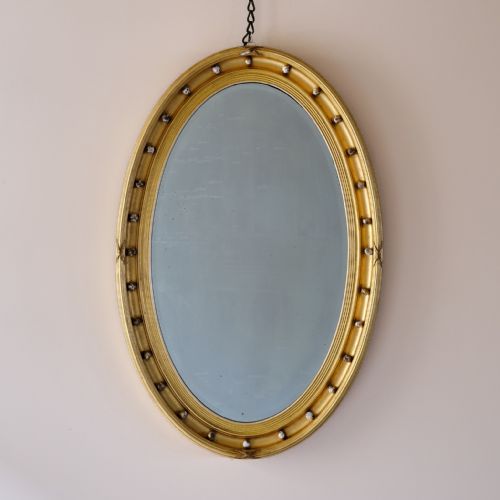


Edwardian Style Portrait
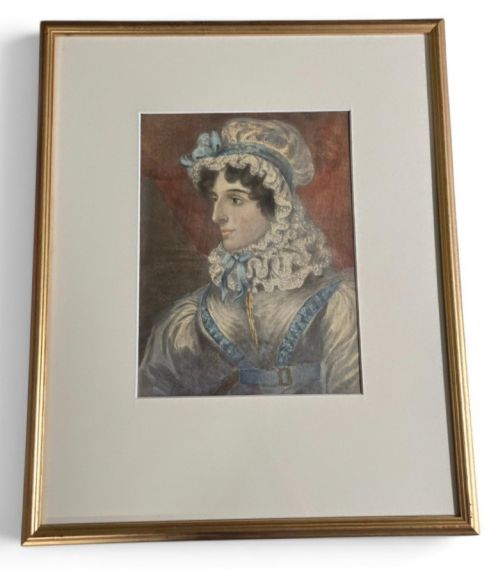
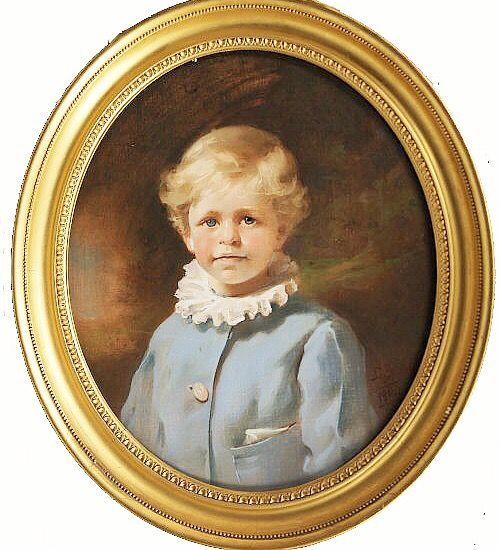
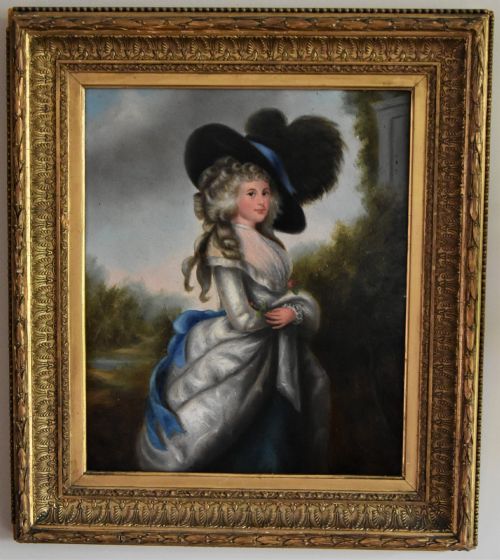
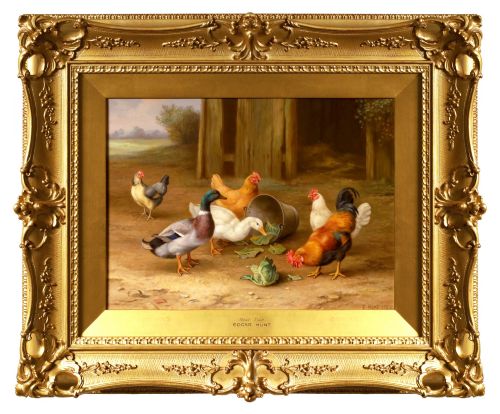
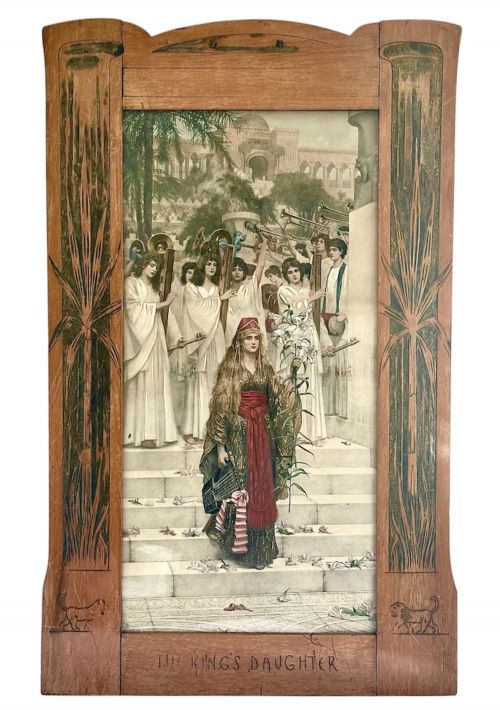
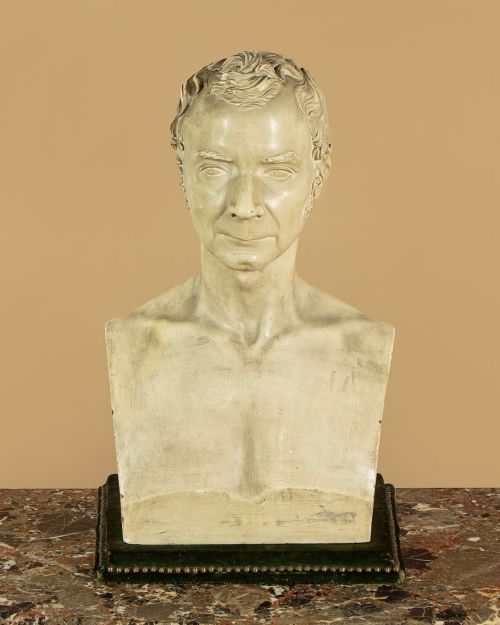
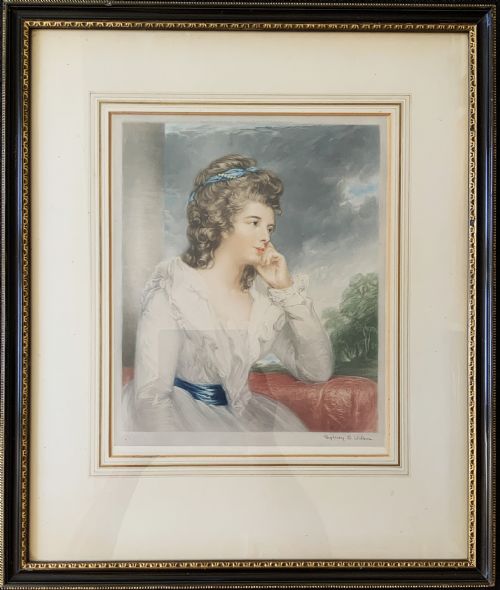
Edwardian style portrait pieces bring character into a room through framed watercolours, oils, and prints depicting people from past eras.
Edwardian Style Portrait
When searching for an Edwardian style portrait, buyers encounter framed watercolours, oil paintings on canvas or board, and period prints capturing individual subjects. These pieces span late nineteenth century traditions through the Edwardian period, George V years, and early twentieth century revivals.
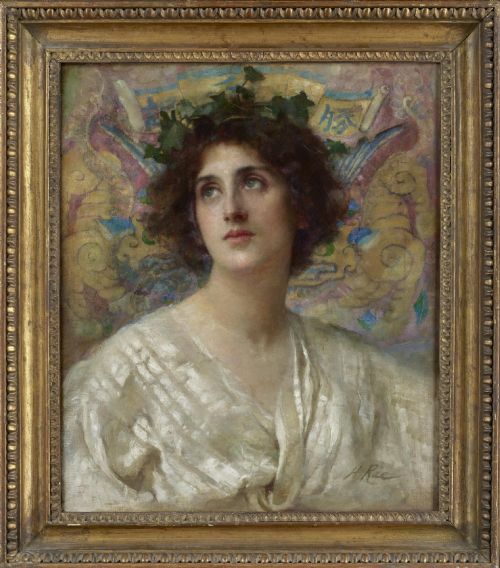
The selections on this page include oil paintings, watercolour portraits, photogravures, and mezzotint engravings housed in picture frames, wood frames, and giltwood settings. Many items echo earlier Regency, Rococo, or Victorian Classicism aesthetics while originating from the early decades of the twentieth century.
Materials and Techniques
Artists painted these works using oil, watercolour, and paint on paper, canvas, and board, often applying gold leaf and giltwood to the surrounding frames. Wood, glass, brass, silver, and ormolu supplied the structure and finish for the accompanying photo frames and picture frames.
Makers utilised techniques such as mezzotint engraving, pencil drawing, and hand painted floral decoration alongside traditional framing methods involving gesso and plaster. These combined mediums yielded durable wall art and decorative accessories suited for domestic display.
Listings feature paper, glass, wood, and giltwood alongside oils, watercolours, and gold leaf.
Distinctions in Quality
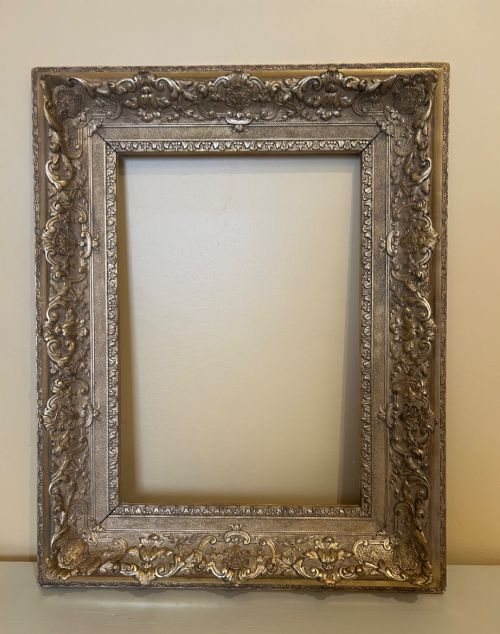
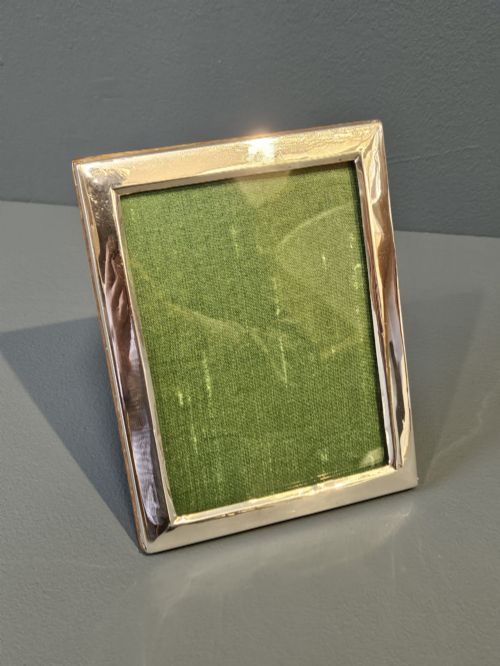
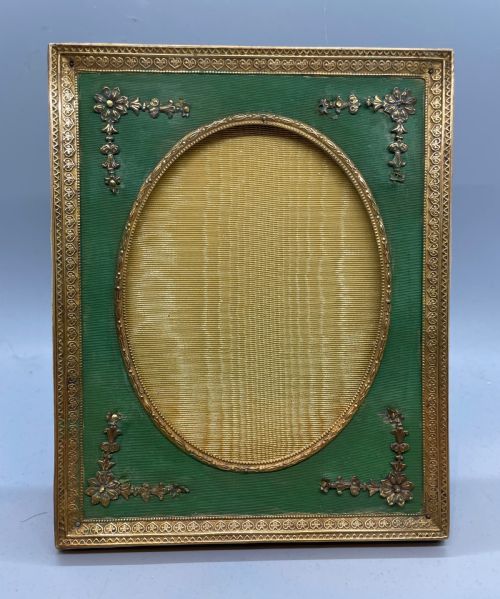
Framing accounts for significant variance across these items, distinguishing standard mouldings from ornate ormolu, carved giltwood, and solid silver settings. The integrity of the original glass, backing, and surface finish further separates standard works from finer examples.
Edward Bradford·Leon Sprinck·Henrietta Rae·Edgar Hunt·Herbert Gustave Schmaltz·Sydney Wilson·Philip Richard Morris·Edgard Maxence·Robert Eadie·Raoul Millais·Arthur Hacker·Sir James Guthrie·Karl Feiertag·John Singer Sargent·Frank Samuel Eastman·Harry John Pearson
The Edwardian Style Portrait Glossary
- Mezzotint
- A printmaking process where the copper plate is roughened to achieve rich tonal gradations and deep shadows. This technique gained popularity for reproducing oil paintings into fine art prints.
- Giltwood
- Wood that has been coated with a thin layer of gold leaf or gilt powder over a prepared gesso ground. It provides a luminous, reflective border for fine paintings and mirrors.
- Photogravure
- A print produced from a photographic negative transferred onto a metal plate and etched. It creates continuous tones resembling an original photograph or wash drawing.
- Ormolu
- Subfinishes of finely ground cast brass gilded with mercury, applied to decorative metalwork and photo frames. The method yields a bright, metallic sheen characteristic of luxury household objects.
- Satinwood
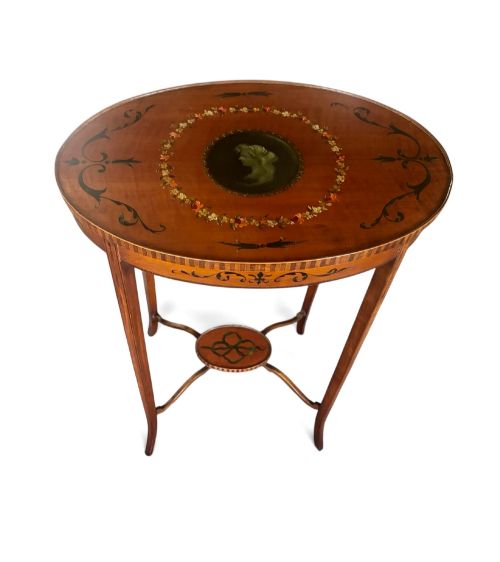
- A durable timber featuring a lustrous, natural golden yellow grain utilised for fine cabinetwork and decorative items. Craftsmen frequently paired it with painted details.
Edwardian Style Portrait: Frequently Asked Questions
How were framed portraits displayed originally?
In period interiors, these portraits hung on panelled or papered walls as focal points in drawing rooms, studies, and hallways. Smaller framed works also rested on occasional tables and mantelpieces alongside decorative objects.
Silver and ormolu frames held personal photographs or miniature painted panels, serving both private remembrance and public display within the home.
How do I care for antique portrait frames?
Protect antique frames and artworks by keeping them away from direct sunlight, dampness, and extreme temperature fluctuations. Dust giltwood and wood gently with a dry, soft cloth without applying harsh cleaning agents.
Ensure that the glass protects the delicate paper or canvas surfaces from atmospheric moisture and handling during routine cleaning of the room.
Can I tell original prints from modern reproductions?
Original period prints and engravings display the characteristic plate marks, paper textures, and ink depth absent in modern photographic reproductions. Examining the surface under magnification reveals the dot patterns of contemporary printing versus traditional ink distribution.
Checking the backing materials, framing construction, and paper ageing assists in confirming the period origin of prints and watercolours.