


Edwardian Style Plant Tables
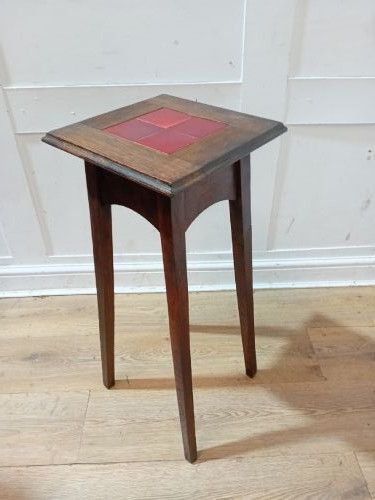
Edwardian style plant tables are compact occasional pieces designed to hold ferns or lamps, bringing height and proportion to a corner.
Edwardian Style Plant Tables
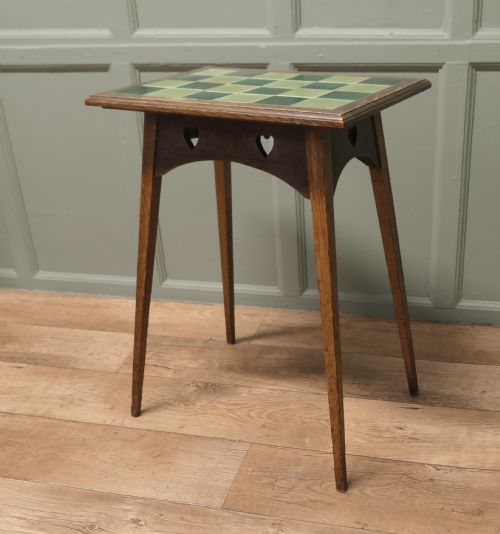
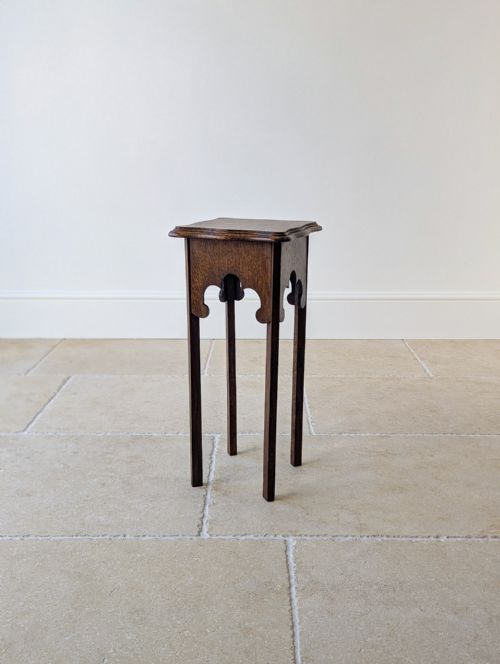
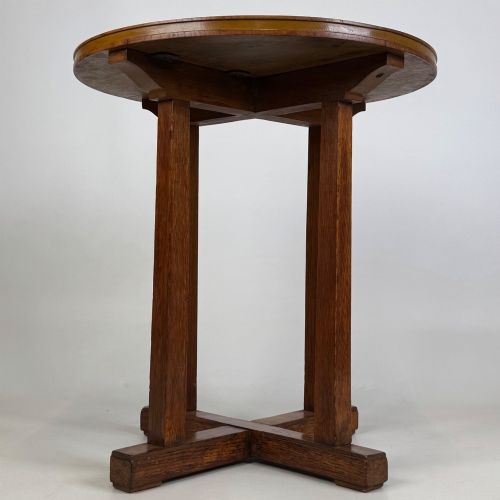
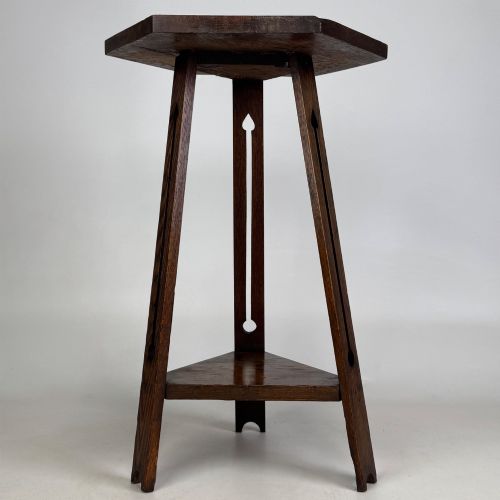
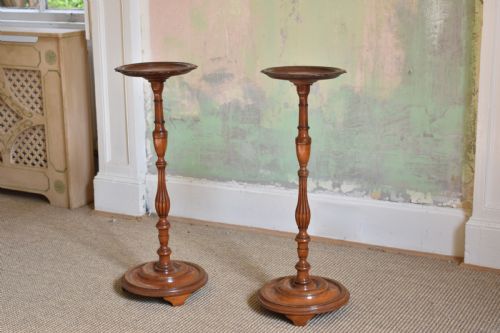
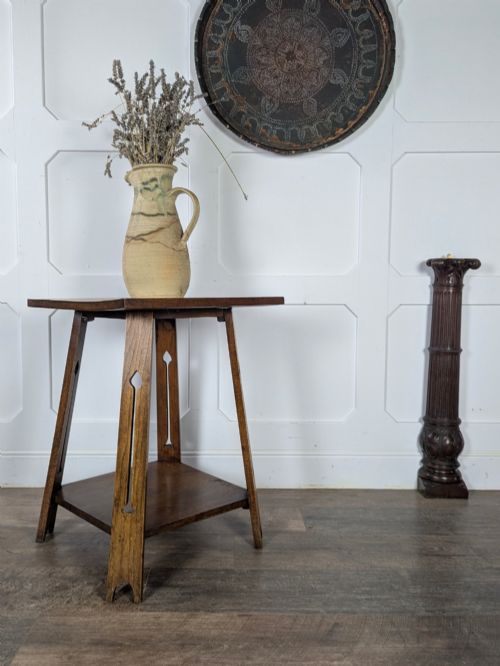
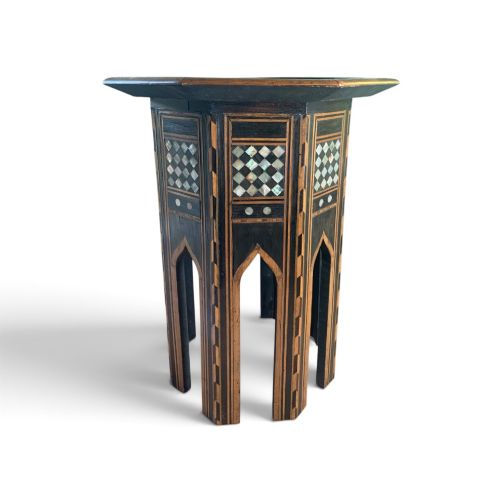
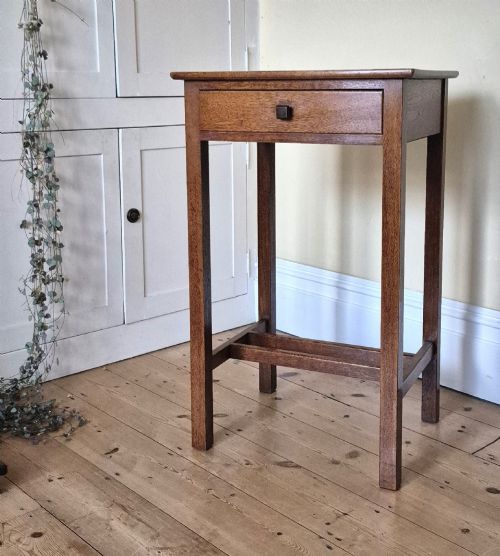
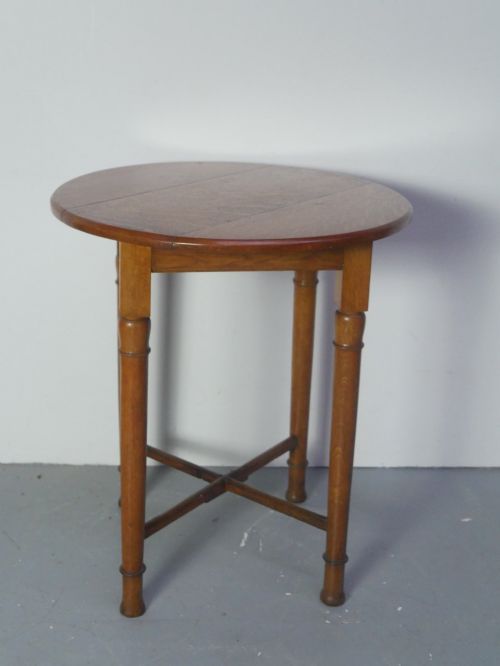
Edwardian style plant tables encompass tall stands and small occasional tables produced across the nineteenth and early twentieth centuries, drawing heavily on Edwardian, Victorian, and Arts and Crafts design.
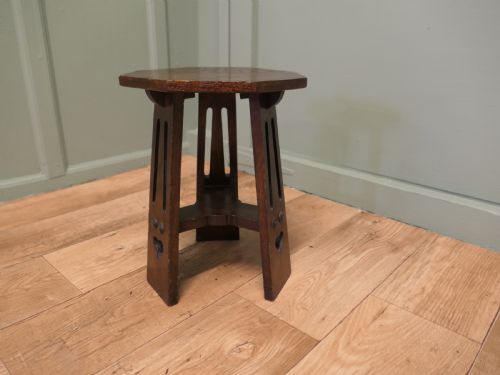
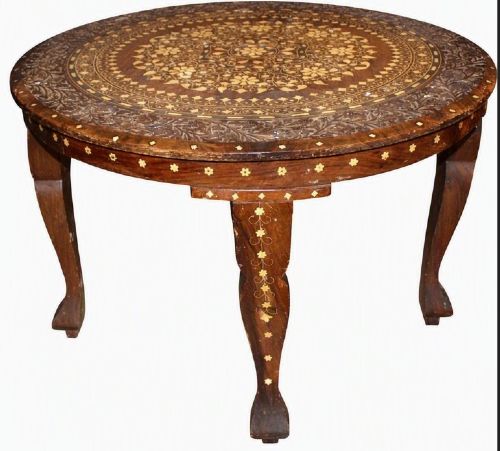
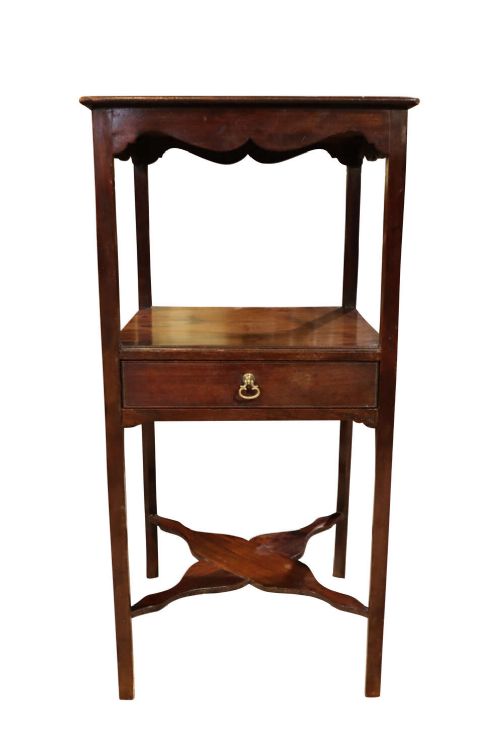
The pieces appearing most frequently take the form of octagonal or circular oak plant stands, alongside mahogany and satinwood tables intended for lamps or urns.
Originating largely from British workshops of the Edwardian era and the preceding decades, these items reflect both utilitarian conservatory use and refined drawing room display.
Materials and Construction
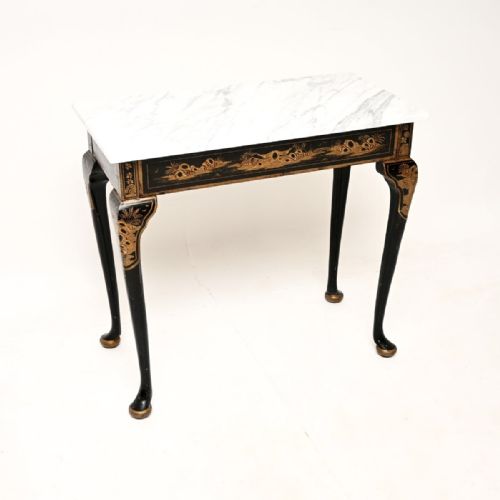
Makers relied principally upon solid oak and mahogany, frequently incorporating satinwood inlay, brass fittings, marble tops, and bone detailing to add contrast.
Construction techniques combine traditional joinery with carved decorative elements, fretwork, and hand-painted surfaces, particularly evident in pieces associated with the Arts and Crafts movement.
Listings feature oak, mahogany, satinwood, and brass across Edwardian and Arts and Crafts periods.
Standards of Execution
Quality rests on the selection of timber, the crispness of hand-carved or inlaid details, and the structural integrity of joints under daily weight.
Simpler utility items contrast with designated studio pieces where thoughtful proportion and careful finishing elevate a straightforward table into a balanced focal point.
Liberty and Co·Hubert Simpson of Kendal·Baillie Scott·Archibald Knox
The Edwardian Style Plant Tables Glossary
- Jardiniere stand
- A tall pedestal or small table specifically constructed to support a decorative flower pot or indoor plant. These pieces often feature raised edges or waterproof inserts to contain moisture.
- Occasional table
- A small, movable table designed for light, specific uses such as holding a lamp or book. They appear in diverse geometric shapes across living spaces.
- Satinwood inlay
- A decorative technique using thin veneer pieces of a lustrous yellow wood inserted into a darker primary timber. This creates contrasting geometric or floral patterns on tabletop surfaces.
- Arts and Crafts
- A design movement prioritising traditional craftsmanship, visible construction, and simple forms over mass-produced ornamentation. Oak is the predominant medium for these works.
- Washstand
- A wooden basin stand from the nineteenth century frequently repurposed as a plant or lamp table today. They often include lower shelves or marble surfaces.
Edwardian Style Plant Tables: Frequently Asked Questions
What distinguishes a plant table from a standard side table?
Plant tables generally feature narrower tops and taller, more slender proportions designed to elevate greenery rather than hold dinnerware or books.
Their construction often incorporates specific protective surfaces like marble or inset tiles to withstand damp soil and watering.
Where should I place these tables in a room?
These compact stands suit empty corners, narrow hallways, or beside armchairs where a small footprint is essential.
They function effectively to lift trailing plants or reading lamps to eye level without cluttering floor space.
How do I identify an Arts and Crafts piece?
Arts and Crafts items typically display honest, visible construction methods using solid oak with minimal applied veneer.
Decoration relies on natural motifs, hand-carved panels, or exposed peg joints rather than elaborate factory-stamped ornamentation.
Are marble tops original to these tables?
Marble and onyx tops frequently appear on pieces adapted from washstands or manufactured for heavy conservatory use.
They provided a durable, water-resistant surface that prevented damp pots from damaging the underlying wooden structure.