


Edwardian Style Oak Table
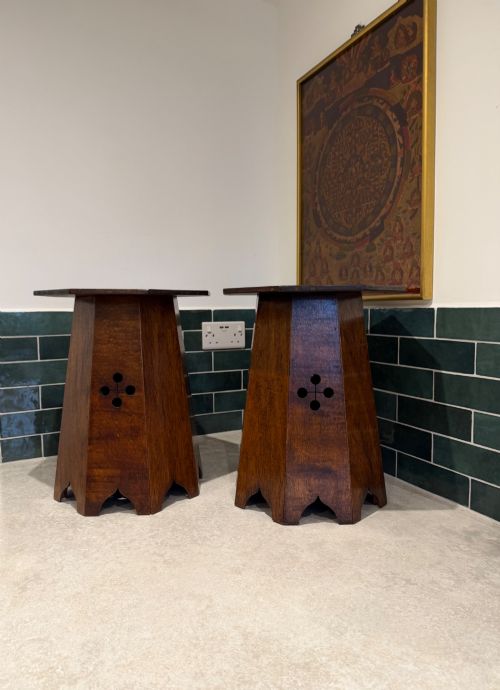
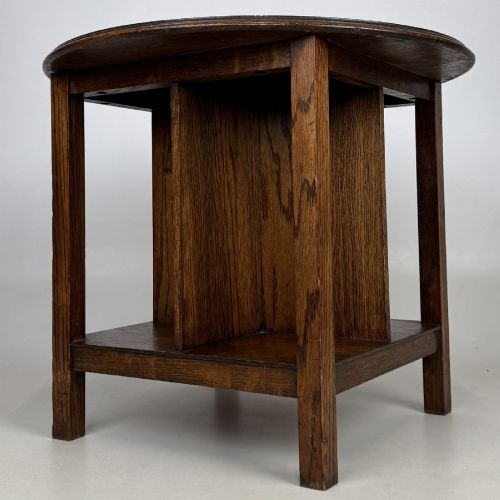
These pieces form an edwardian style oak table, bringing sturdy domestic utility and period craftsmanship into everyday rooms.
Edwardian Style Oak Table
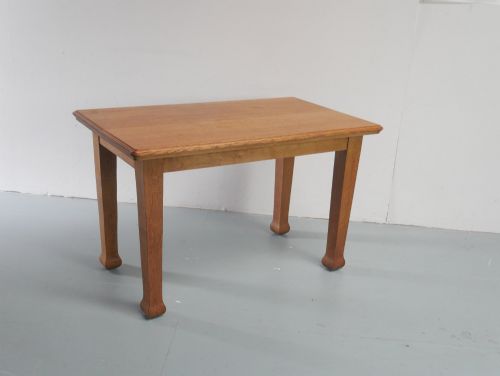
An edwardian style oak table appears across several standard domestic formats, most commonly as a compact side table, lamp table, occasional table, or larger dining surface.
The material record spans solid oak alongside limed and golden variants, often paired with brass, leather, or copper details.
Makers and designers working in this idiom drew heavily from Arts and Crafts, Jacobean Revival, Gothic Revival, and English Country House traditions.
Materials and construction
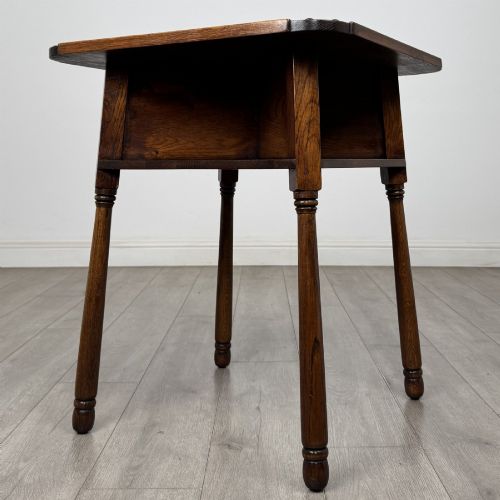
Cabinetmakers utilised solid oak to build frames that stood up to rigorous daily use in kitchens, halls, and dining rooms.
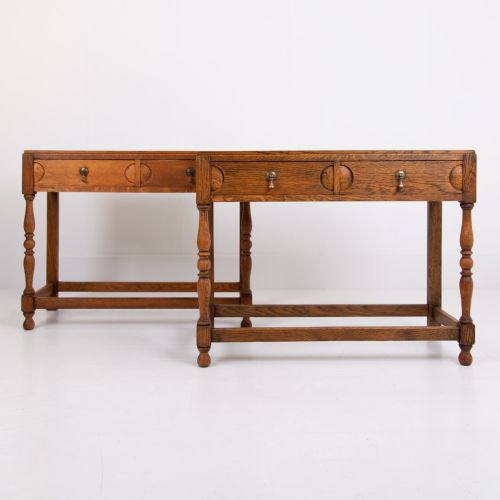
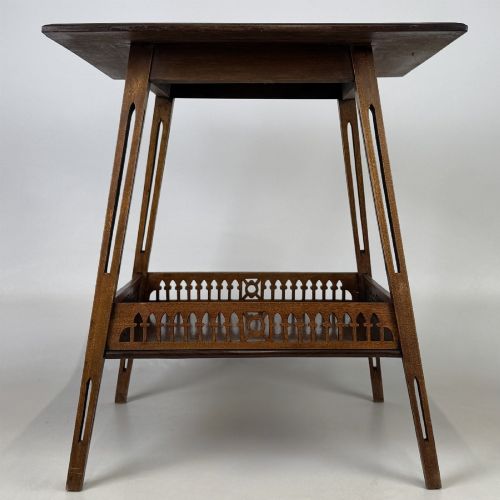
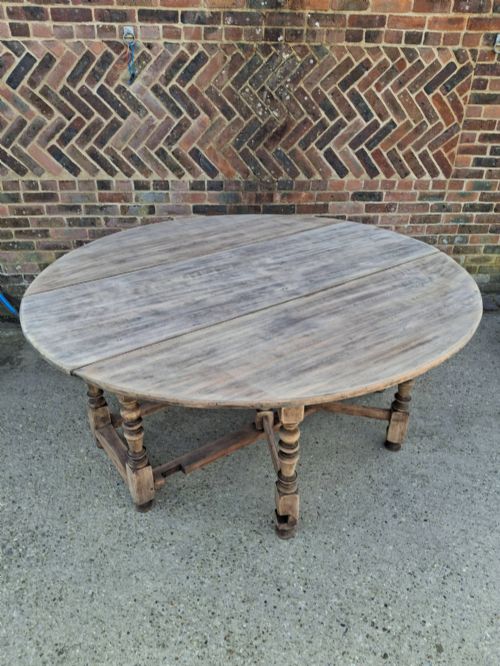
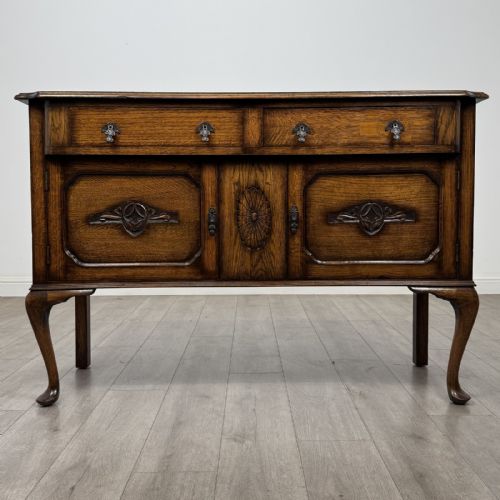
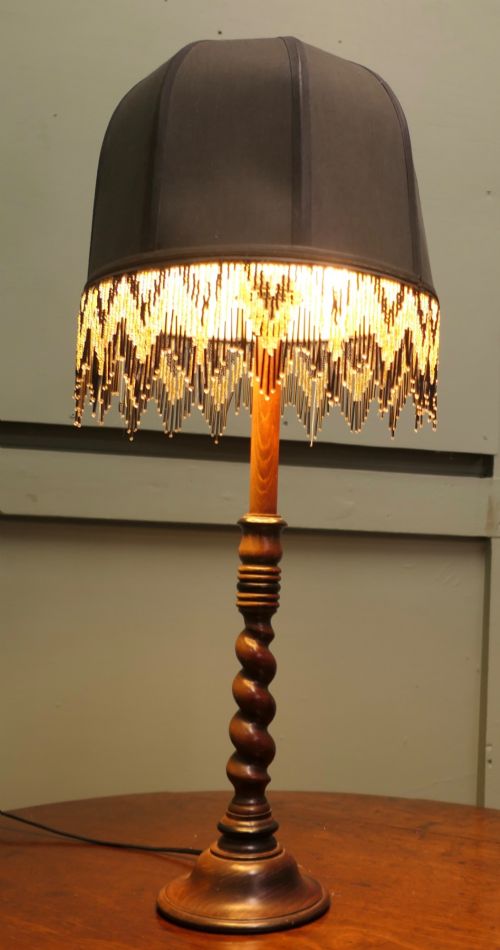
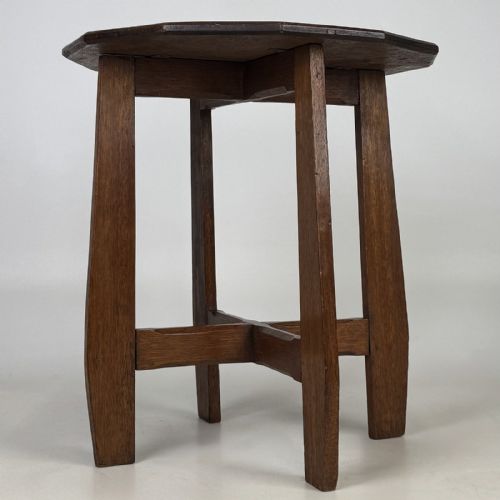
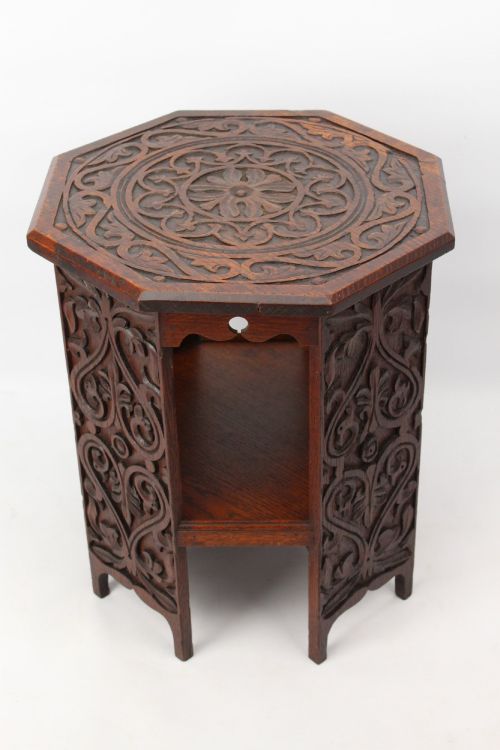
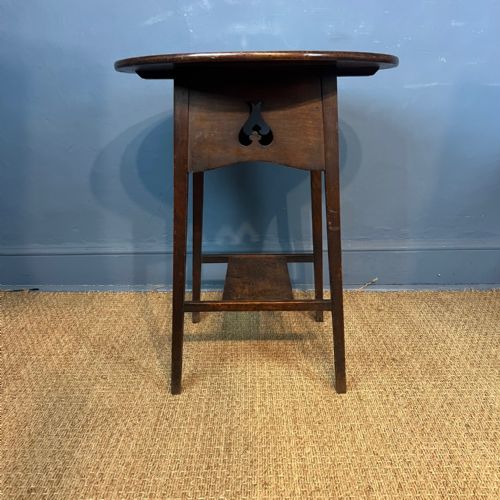
Decorative elements relied on physical shaping such as barley twist legs, tapered supports, bulbous turning, and carved heart motifs rather than applied veneer.
Metal components like brass hardware and copper trays added functional contrast to the warm timber surfaces.
Edwardian Style Oak Table Retail Price Guide 2026
Typical asking prices for edwardian style oak table among the pieces listed under this phrase on Sellingantiques today, from the lower quarter to the upper quarter. They describe what is for sale here now, not the wider market.
Common auxiliary materials found alongside oak on these tables include brass, copper, wrought iron, and leather.
Distinguishing quality
The standard of timber selection and the integrity of the joinery set finer examples apart from simpler utility furniture.
Considered carving, balanced proportions, and thoughtful integration of secondary materials like brass or leather indicate deliberate studio design over mass production.
Leonard Wyburd·Finnigans·Heals·Beresford and Hicks
The Edwardian Style Oak Table Glossary
- Arts & Crafts
- A design movement prioritising handcraft, honest construction, and simple forms inspired by medieval guilds.
- Barley Twist
- A type of woodturning shaped like a spiral rope, frequently seen on table legs and supports from this era.
- Refectory Table
- A long narrow dining table traditionally used in communal halls, adapted here for domestic dining spaces.
- Limed Oak
- Timber treated with a specialised finish that leaves a white pigment in the open grain, creating a pale weathered look.
- Occasional Table
- A small moveable table designed for specific intermittent uses such as holding books, lamps, or tea.
Edwardian Style Oak Table: Frequently Asked Questions
What rooms suit an edwardian style oak table?
These tables fit easily into hallways, studies, and sitting rooms as side surfaces or lamp stands. Larger refectory and kitchen variants anchor dining spaces with period character.
Their robust timber construction handles everyday domestic use while maintaining a distinct historical appearance.
How do I care for solid oak furniture?
Protect the timber from direct heat sources and strong sunlight to prevent drying and cracking. Regular dusting with a dry cloth keeps the surface clean without needing harsh polishes.
Condition the wood occasionally with appropriate wax to maintain the natural sheen of the oak.
What is the difference between Arts and Crafts and Edwardian pieces?
Arts and Crafts pieces emphasise visible hand-construction, unadorned materials, and vernacular design roots. Edwardian pieces often incorporate lighter proportions and revival styles like Jacobean or Gothic alongside standard domestic utility.
Both periods overlap heavily in domestic oak furniture production around the turn of the twentieth century.
How can I identify the period of an oak table?
Examine the construction methods, such as drawer dovetails, fixings, and the treatment of the timber grain. Stylistic clues like tapered legs, barley twists, or carved heart motifs point toward specific design movements between eighteen-eighty and nineteen-thirty.
Maker marks or retailer stamps underneath the top offer definitive evidence of origin.