
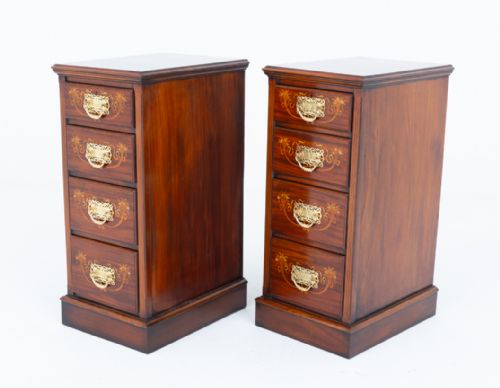


Edwardian Style Bedside Drawers
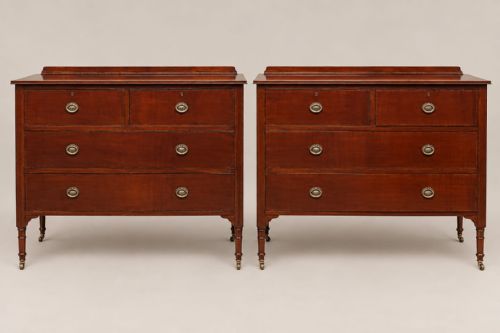
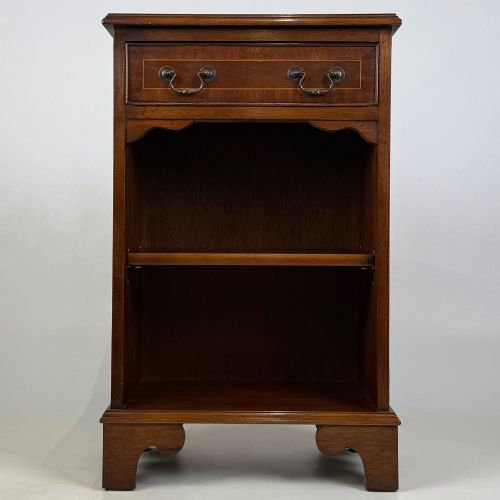
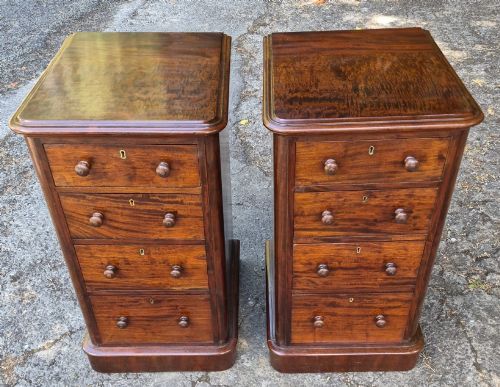
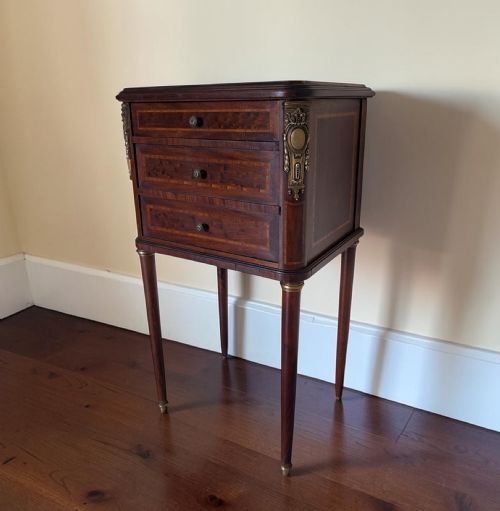
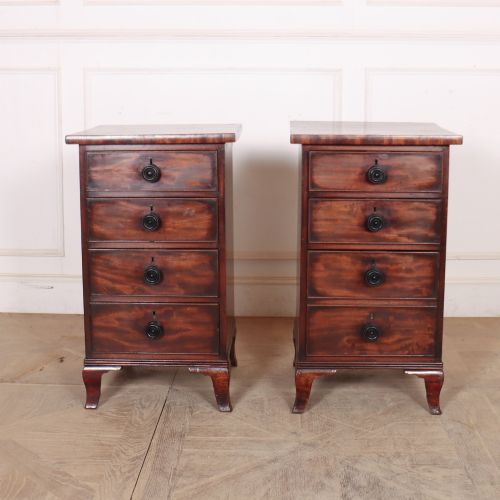
These edwardian style bedside drawers offer practical bedside storage through compact timber forms reflecting early twentieth century proportions.
Edwardian Style Bedside Drawers
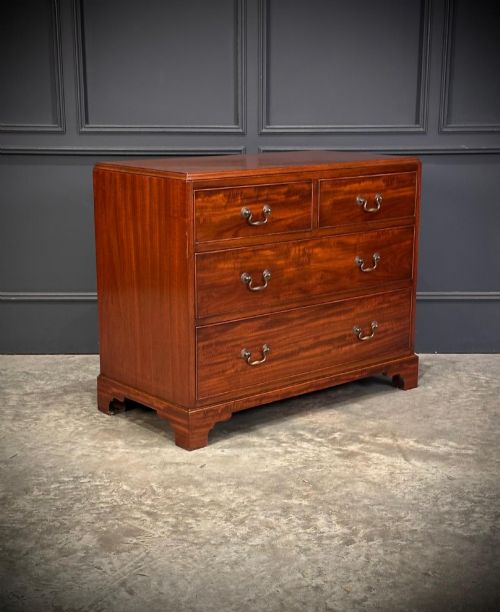
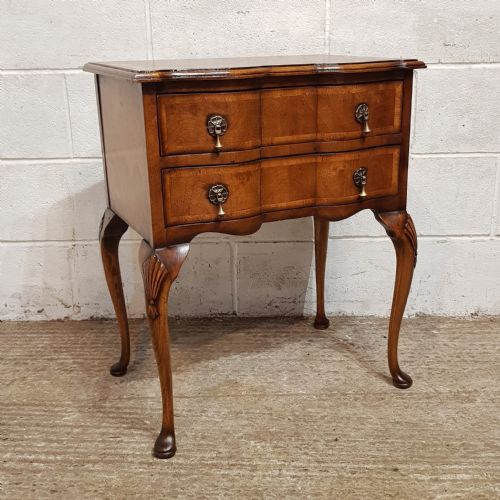
When searching for edwardian style bedside drawers, buyers encounter a selection of compact furniture pieces originating primarily from the Edwardian era, alongside related nineteenth and early twentieth century items. The forms span bedside chests of drawers, bedside cabinets, and small side tables suited to domestic sleeping quarters.
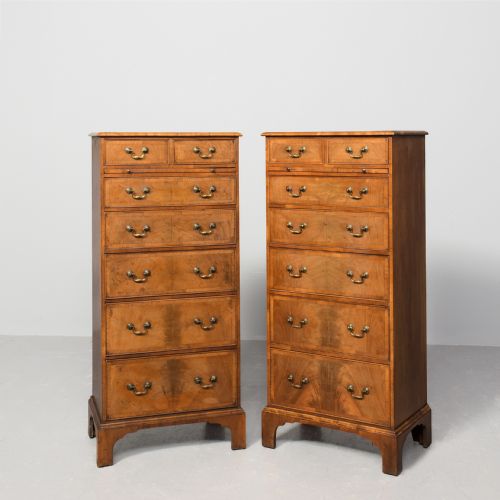
The inventory on this page includes pieces spanning from the late nineteenth century up to the 1920s, showing influences from Georgian, Victorian, and Sheraton Revival styles. Buyers will find single pieces and matched pairs constructed from various timbers including mahogany, walnut, and oak.
Materials and Construction
Makers utilised solid hardwoods and applied veneers such as mahogany, walnut, burr walnut, and satinwood to construct these bedside pieces. Flame mahogany veneer and decorative stringing provide visual texture to the timber surfaces.
Metal hardware in brass appears on drawers and cabinet doors, whilst specific items feature carved details or painted finishes. Construction methods rely on traditional cabinet-making techniques appropriate to small chests and side tables.
Listings span the Victorian era, the Edwardian period, and the 1920s, utilising mahogany, walnut, oak, and brass.
Factors of Quality
Quality in these bedside pieces rests on the choice of timber figure, such as burr walnut or flame mahogany, and the precision of inlaid details. Finer examples display balanced proportions and careful matching of grain patterns across drawer fronts and tops.
The integrity of the structural joints and the retention of original brass hardware distinguish superior items. Simpler oak or painted pieces rely on clean lines and sound proportion rather than decorative veneers.
Edwards and Roberts
The Edwardian Style Bedside Drawers Glossary
- Burr walnut
- A figured timber veneer harvested from walnut tree growths, valued for its swirling patterns. This material appears on select Edwardian and 1920s tables and chests.
- Flame mahogany
- A veneer cut from the fork of the mahogany tree that produces a distinctive flame-like pattern. It is frequently seen on nineteenth and early twentieth century cabinet furniture.
- Serpentine front
- A curved furniture front featuring a convex centre flanked by concave wings. This undulating shape adds architectural movement to small side tables.
- Sheraton Revival
- A late nineteenth and early twentieth century design style drawing on the neoclassical furniture of George Sheraton. Pieces in this style often incorporate delicate inlay and classical motifs.
Edwardian Style Bedside Drawers: Frequently Asked Questions
What is an edwardian style bedside drawer?
These pieces are small storage items designed to sit beside a bed, taking the form of compact chests, cabinets, or side tables. They provide surface space and drawer storage within small domestic footprints.
They date from the Edwardian period and surrounding decades, reflecting earlier Georgian and Victorian design influences through traditional timber construction.
How do I date a bedside chest?
Dating relies on examining the timber species, veneer types, construction methods, and stylistic details present in the piece. Edwardian items often show Sheraton Revival influences or light wood inlay.
Earlier nineteenth century pieces tend to feature heavier proportions and solid mahogany or walnut, whilst 1920s examples may utilise burr walnut veneers on compact frames.
Are pairs common for these tables?
Matched pairs appear frequently among nineteenth and early twentieth century bedside chests and tables. These pairs allow for symmetrical placement on either side of a bed.
Buyers also encounter near pairs, where two pieces share similar proportions and timber types but possess slight variations in detail.
How do I care for antique timber?
Antique timber surfaces benefit from stable room temperatures and protection from direct sunlight to prevent the wood or veneer from drying out. Regular dusting with a soft cloth maintains the finish.
Application of appropriate furniture wax helps nourish walnut and mahogany surfaces without building up heavy residues over time.