
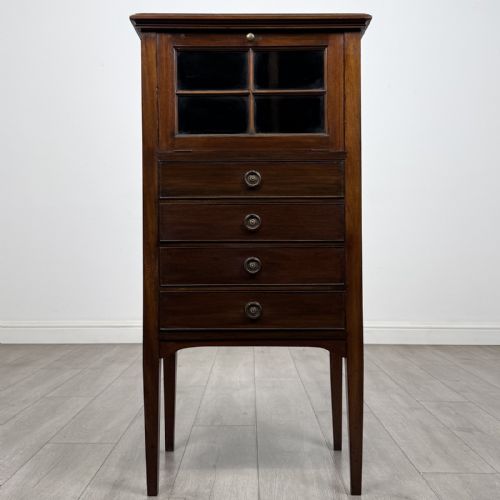
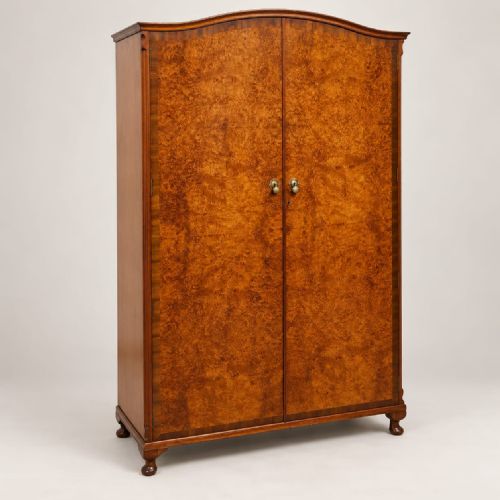
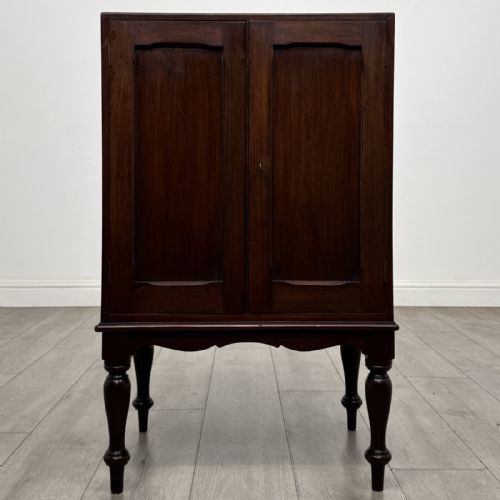
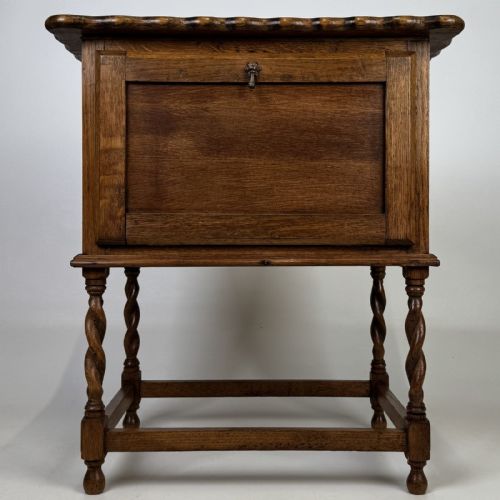
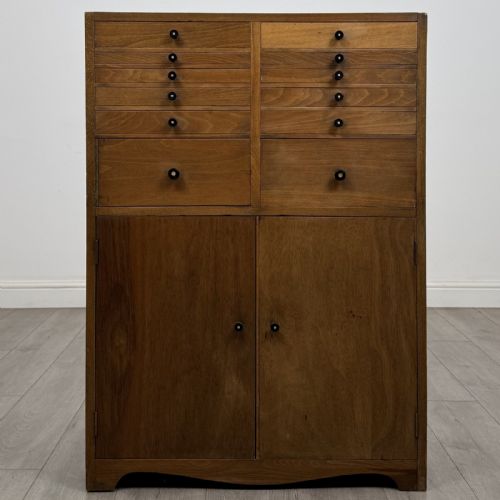
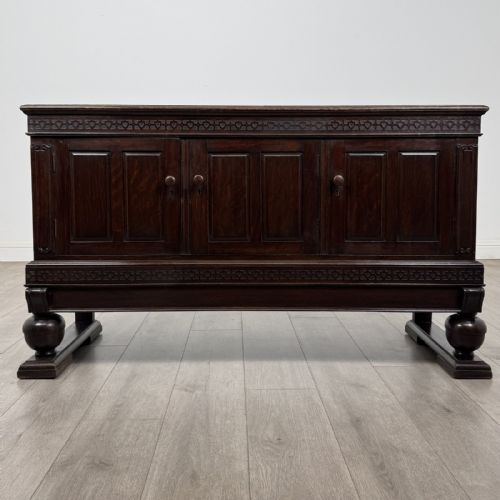
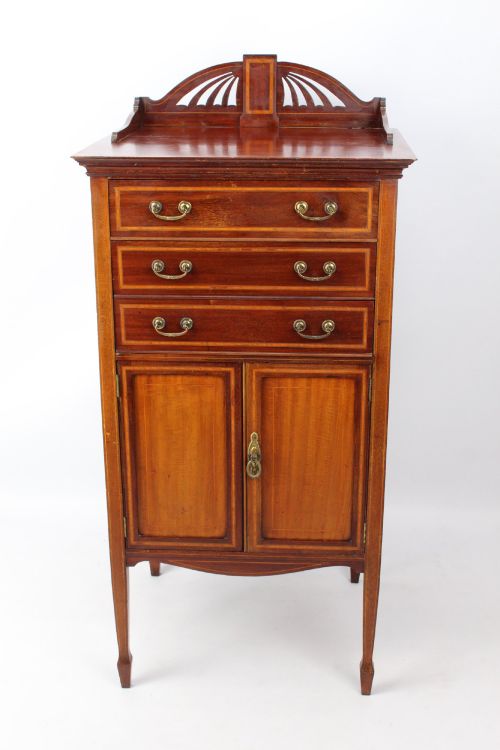
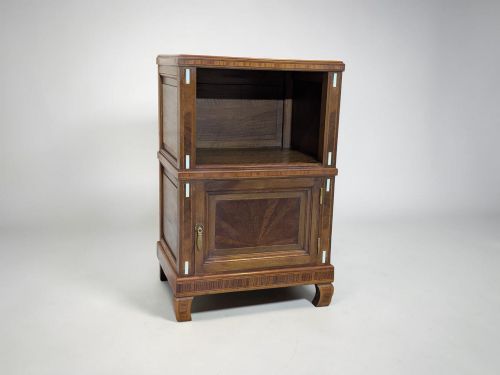
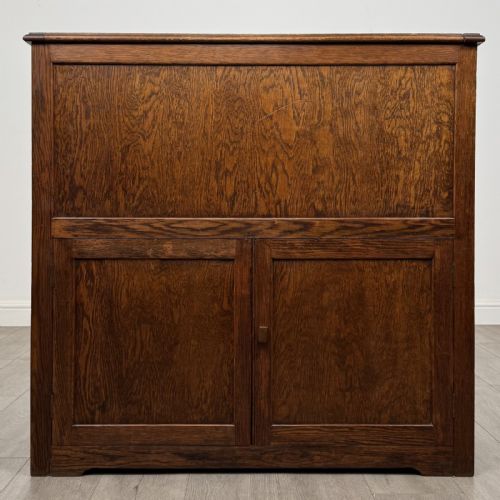
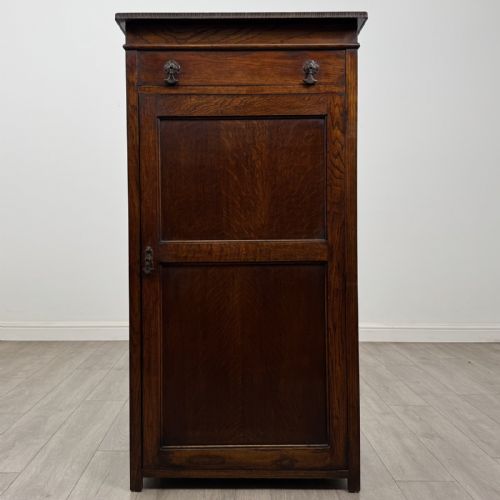
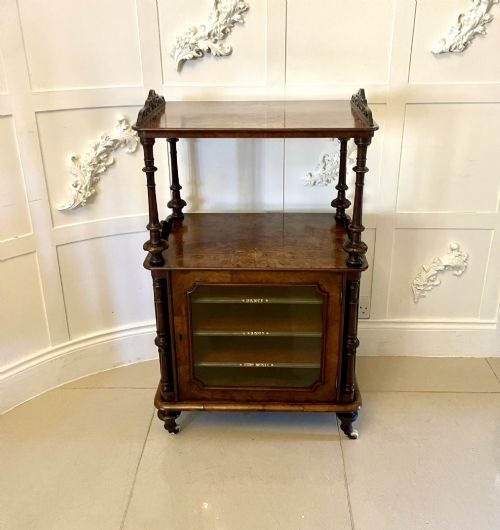
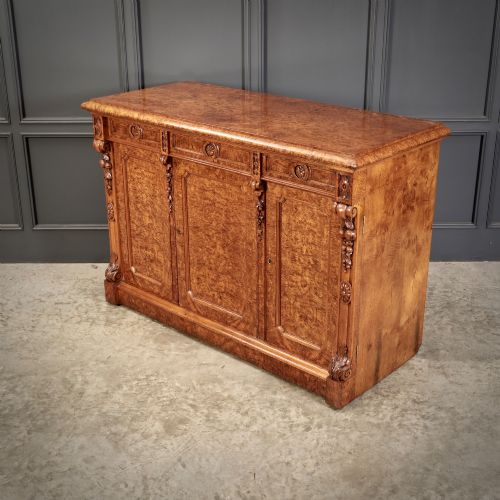
Edwardian Storage Cupboard
An edwardian storage cupboard brings practical utility and period character to a room, offering enclosed shelving for linen and household belongings.
Edwardian Storage Cupboard
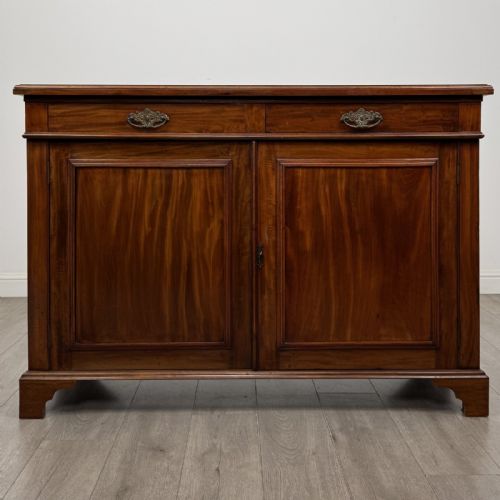
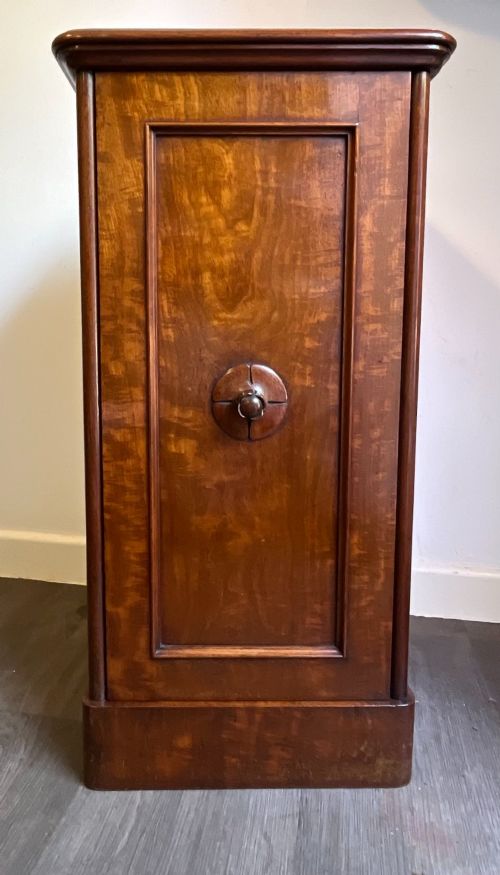
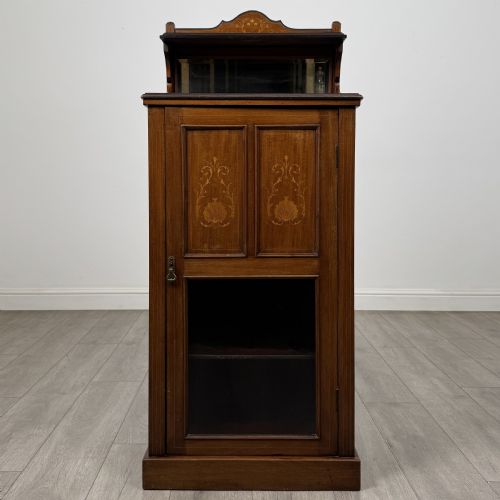
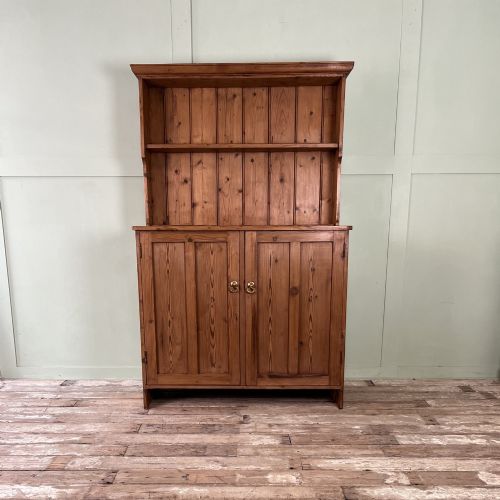
When searching for an edwardian storage cupboard, buyers encounter a diverse selection of enclosed furniture designed to house household goods, garments, and papers. These pieces span wardrobes, bedside cabinets, music cabinets, sideboards, bookcases, and linen presses originating around the early twentieth century.
The material palette of these items relies heavily upon oak, mahogany, and walnut, frequently complemented by satinwood and burr walnut veneers. Pieces manifest in straightforward Edwardian formats alongside revivals such as Jacobean, Arts and Crafts, and Sheraton styles, reflecting the domestic requirements of the period.
Construction and Materials
Cabinet makers of the period utilised solid timbers alongside veneered surfaces, constructing carcases in oak, mahogany, and walnut. Brass hardware, glass doors, and iron fittings appear regularly, while specialist details include tambour doors and marquetry inlay.
Joinery techniques combined traditional frame and panel construction with turned supports and carved ornamentation. Makers applied French polish or wax finishes to protect the wood and accentuate the natural grain of walnut, oak, and satinwood.
Smokers' cupboards designed for tobacco storage occasionally retain tiny internal shelves specifically sized for clay pipes.
Assessing Quality and Execution
The distinction between standard utility furniture and finer examples rests on the selection of timber and the precision of the cabinet work. Superior items employ figured veneers, substantial solid hardwoods, and well-executed carving rather than mass-produced pressings.
Hardware choice and internal fittings also divide the range, with quality pieces featuring original brass handles, locks stamped by known makers, and carefully fitted interior shelving or linen slides.
Walker & Sons·GM Elwood for JS Henry·maples & co·Shoolbred & Co.·Denby & Spinks·Heals
The Edwardian Storage Cupboard Glossary
- Tambour
- A flexible door formed of narrow strips of wood glued to a canvas backing, allowing it to slide around a curved track. This mechanism is frequently found on compact office and hall cabinets.
- Linen press
- A tall cupboard featuring sliding trays or shelves in the upper section for storing folded linen, positioned above a base fitted with drawers. These pieces date across the nineteenth and early twentieth centuries.
- Tallboy
- A tall chest of drawers standing upon another chest or a low base, creating an elevated storage unit. They are commonly executed in mahogany or walnut.
- Burr walnut
- Timber taken from a tree growth featuring intricate, swirling grain patterns. Cabinet makers utilised sliced veneers of this wood to adorn the primary doors and drawer fronts of high-status furniture.
- Pedestal cabinet
- A freestanding single-door cupboard designed to stand beside a desk or bed. They often incorporate a marble top or a fitted interior.
Edwardian Storage Cupboard: Frequently Asked Questions
What is an edwardian storage cupboard?
An edwardian storage cupboard is a piece of wooden furniture produced in the early twentieth century designed to store household items, linens, or books behind closed doors. These pieces reflect the domestic priorities and cabinet-making styles of the period.
They appear in various forms including bedside units, music cabinets, and tall cupboards, constructed predominantly in oak, mahogany, and walnut.
How do I identify an edwardian storage cupboard?
Identification relies on observing the timber species, construction methods, and stylistic cues characteristic of the era between eighteen-eighty and nineteen-twenty. Common indicators include Edwardian or Arts and Crafts styling, specific brass hardware, and secondary woods.
Makers' stamps, retailer marks, and traditional joinery such as dovetailing provide further confirmation of the period of manufacture.
Where were these cupboards used?
These cabinets served primarily in bedrooms, hallways, and living spaces to maintain orderly domestic environments. Linen presses and wardrobes functioned in sleeping quarters, while music cabinets and small bookcases populated reception rooms.
Their compact proportions allowed them to adapt readily to various domestic rooms for concealed storage.
How should I care for polished wood?
Preserving the finish requires keeping the timber away from direct heat sources and strong sunlight, which can dry and fade the polish. Regular dusting with a soft, dry cloth maintains the surface.
Application of appropriate wax polish occasionally helps nourish the wood without building up heavy residues on the antique finish.