



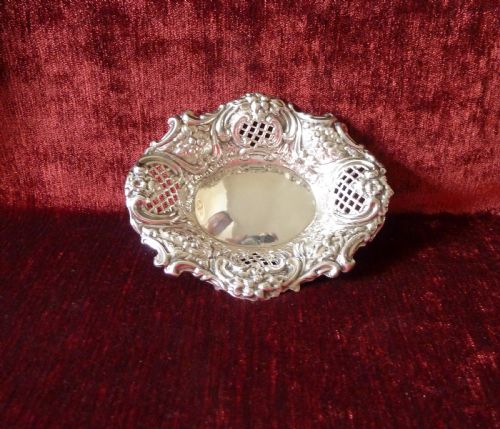


Edwardian Sterling Tray
These pieces of edwardian sterling tray combine practical utility with delicate period ornamentation, offering a refined addition to any traditional interior setting.
Edwardian Sterling Tray
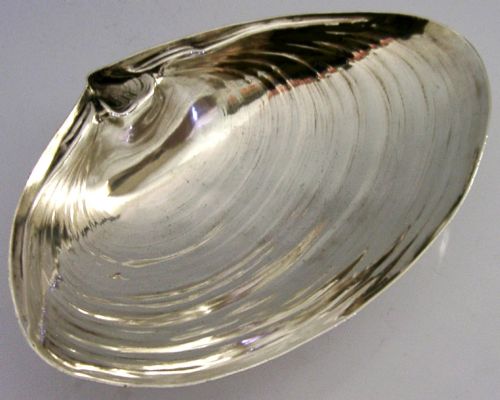
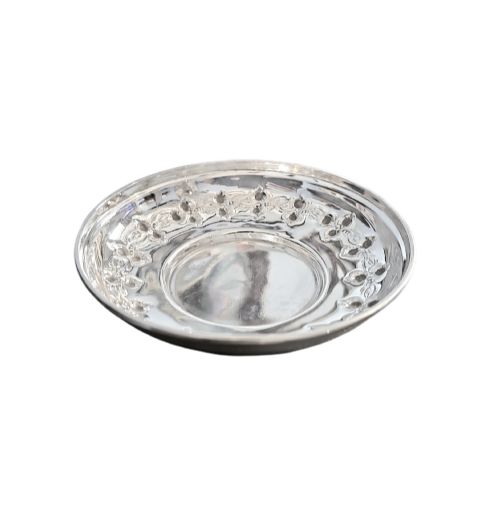
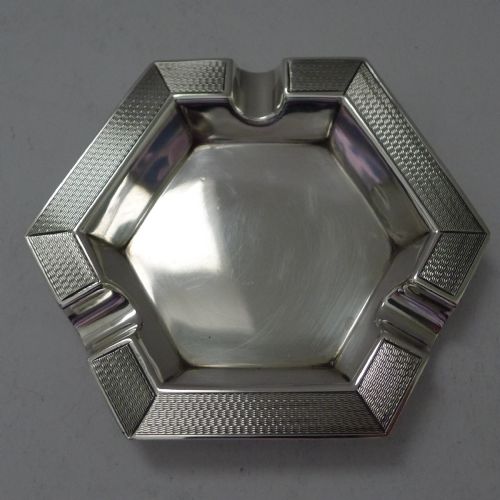
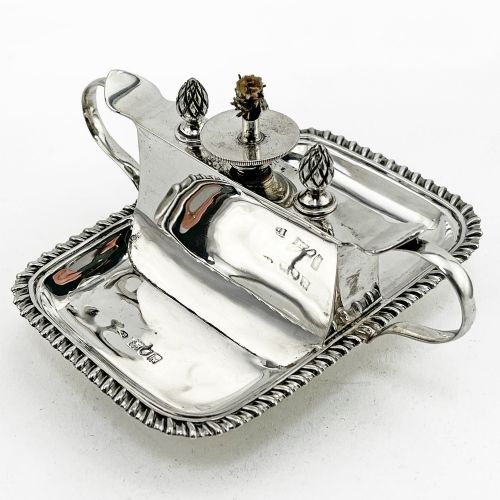
When searching for an edwardian sterling tray, you are looking at functional metalware designed to serve, display, or organise items across the home. These objects span small pin dishes, card trays, and ashtrays to larger serving dishes, inkstands, and drinks trays.
The version you are most likely to meet on this page originates from the early twentieth century, carrying hallmarks from English assay offices during the Edwardian and late Victorian periods. Alongside pure silver examples, forms appear in combination with cut glass, velvet, satin, and oak.
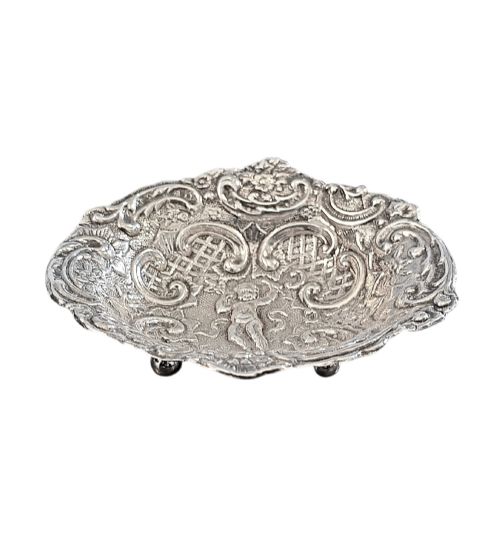
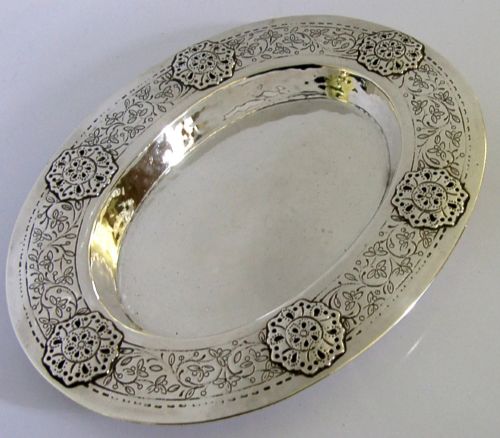
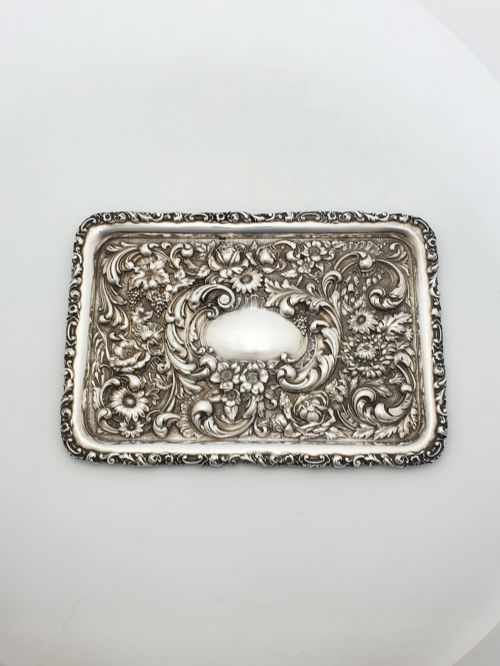
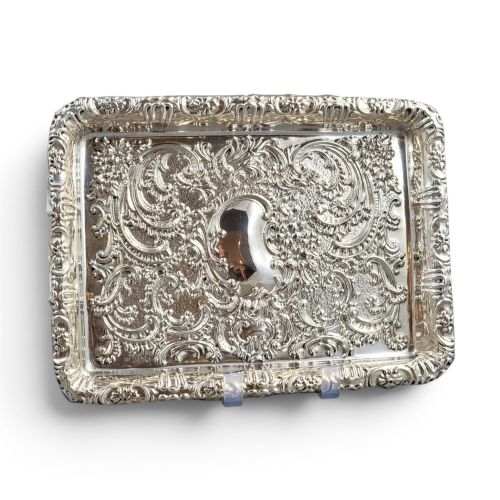
Stylistically, these pieces reflect both traditional revivalism and contemporary design movements of their time. You will encounter straightforward utility alongside ornate rococo floral repoussé, flowing art nouveau motifs, and geometric arts and crafts sensibilities.
How they were made
Makers shaped these items primarily from solid sterling silver, frequently employing repoussé techniques to hammer raised floral and figural designs from the reverse side. Engraving often added crisp linear detail to flat surfaces and borders.
Selected pieces incorporate contrasting materials, pairing silver mounts with heavy cut glass inserts, lined velvet or satin interiors, and robust oak bases for larger serving trays. Fully struck hallmarks stamped directly into the metal record the assay town, year of production, and silver standard.
Edwardian Sterling Tray Retail Price Guide 2026
Typical asking prices for edwardian sterling tray among the pieces listed under this phrase on Sellingantiques today, from the lower quarter to the upper quarter. They describe what is for sale here now, not the wider market.
Some tiny dishes feature cherubs peering out from chased silver clouds, watching over your paperclips.
What varies in quality
Quality in these silver objects rests upon the crispness of the original chasing and the weight of the metal used in construction. Pieces with deep, hand-hammered relief work and substantial gauge silver display a higher level of craftsmanship than lighter, pressed counterparts.
The integration of secondary materials also dictates standard, where tightly fitted cut glass bottles, clean wood bases, and legible, unrubbed maker marks elevate the piece. The distinction lies in the balance between decorative ambition and structural integrity.
William Aitken·Thomas Bradbury & Sons·William Neale·Liberty & Co·Robert Pringle & Sons·Harrison Bros·John Grinsell & Sons·William Comyns
The Edwardian Sterling Tray Glossary
- Hallmark
- Official stamps struck into precious metals to guarantee standard, origin, and year. These small marks usually include the maker's initials, the lion passant for sterling silver, the town mark, and a date letter.
- Repoussé
- A metalworking technique where the artisan hammers the metal from the reverse side to form a raised design in relief. This method creates the three-dimensional floral and figural panels seen on decorative trays.
- Sterling silver
- An alloy of silver containing parts of other metals, typically copper, to increase durability while maintaining purity. British pieces of this type generally conform to the standard.
- Inkstand
- A desk accessory featuring a tray base designed to hold inkwells, pens, and sometimes a chamberstick or stamp box. These items served as functional desk furniture in studies and libraries.
- Assay office
- A statutory body charged with testing the purity of precious metal items and applying official hallmarks. Towns such as London, Birmingham, and Sheffield operated prominent offices during this era.
Edwardian Sterling Tray: Frequently Asked Questions
How do I clean a sterling silver tray?
Use a soft cloth and a dedicated silver polish designed to remove tarnish without scratching the soft metal surface. Avoid abrasive pads or harsh chemical dips that can damage intricate repoussé details and remove patination.
After polishing, rinse the tray thoroughly in warm water and dry it completely with a lint-free cloth. Regular, gentle dusting helps prevent heavy tarnish accumulation in recessed areas.
What were small silver trays used for?
Small trays and pin dishes served practical roles on dressing tables, calling cards in hallways, or holding ash and matches in reception rooms. They kept loose personal items organised in polite society.
Over time, their functions adapted as domestic habits changed, turning them into decorative display pieces for cabinets or sideboards.
How do I read silver date letters?
Assay offices stamped a specific letter of the alphabet onto each piece to denote the exact year it was tested and marked. These alphabetic cycles changed font styles and shield outlines every decade or two.
Matching the letter font and shield shape against published assay office charts reveals the production year alongside the town mark.
Can I use these trays for serving food?
Solid sterling silver trays and dishes can safely hold dry foods or bread, though acidic items should not remain in contact with the metal for extended periods. Many historic pieces served bread, fruit, or confectionery on the dining table.
Careful hand washing with mild soap preserves the metal surface, preventing any harsh detergents from dulling the silver finish.