
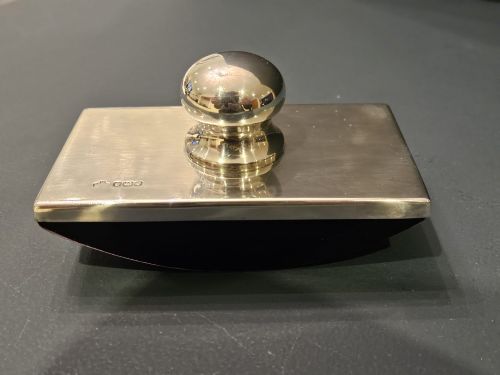


Edwardian Sterling Silver Silverware
Edwardian sterling silver silverware brings together dining table accessories and desk items shaped in solid silver during the early twentieth century.
Edwardian Sterling Silver Silverware
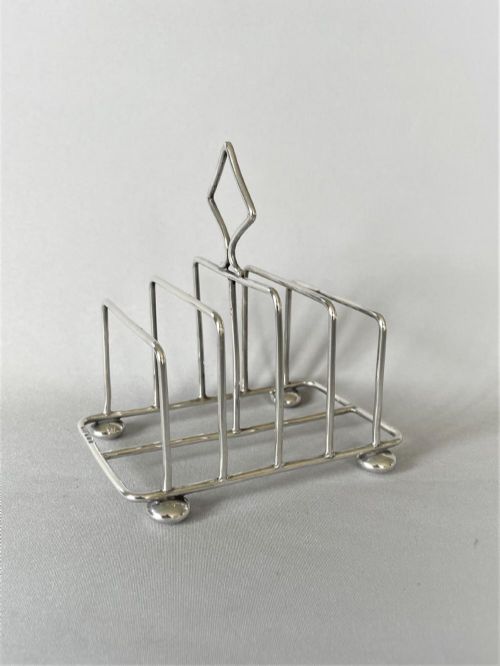
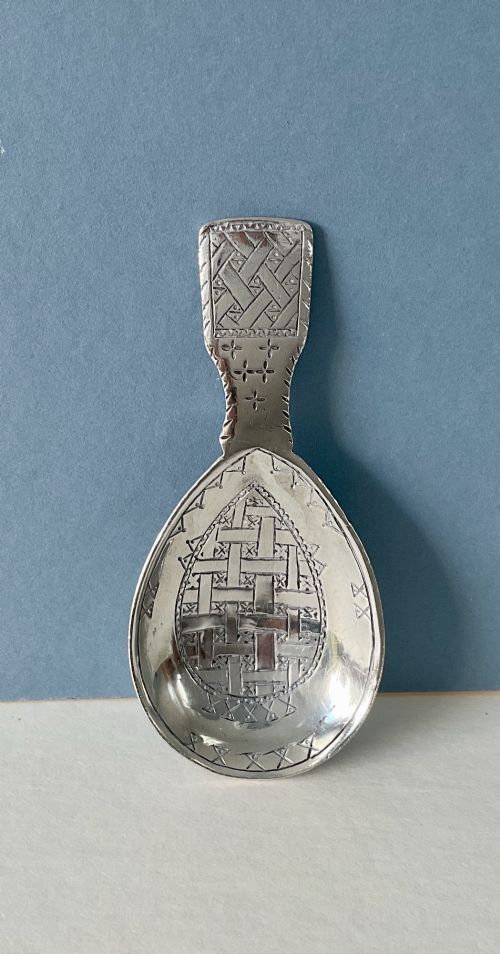
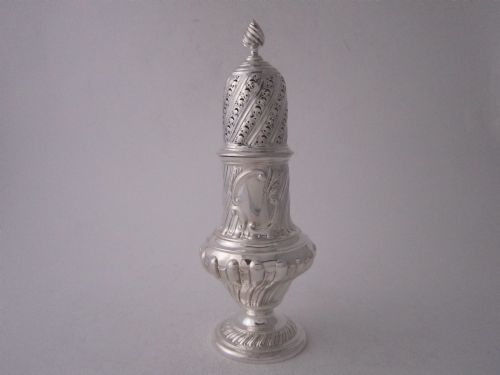
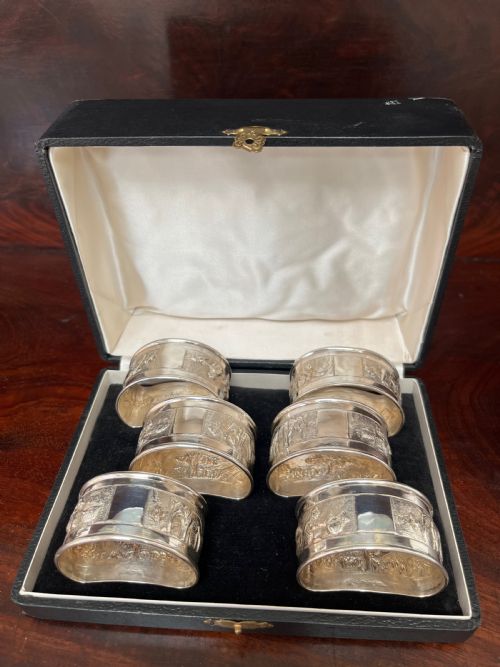
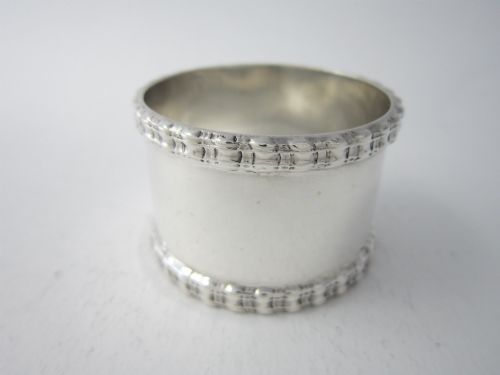
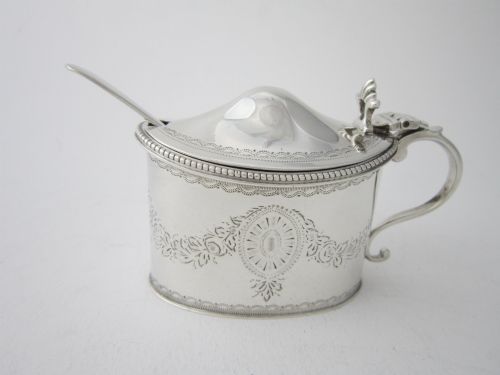
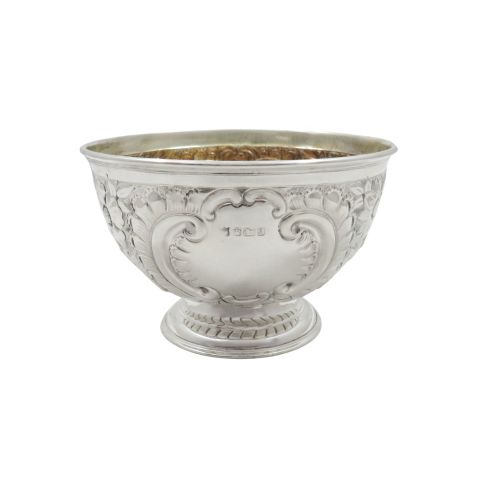
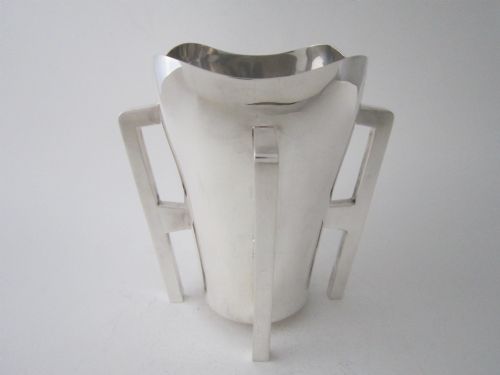
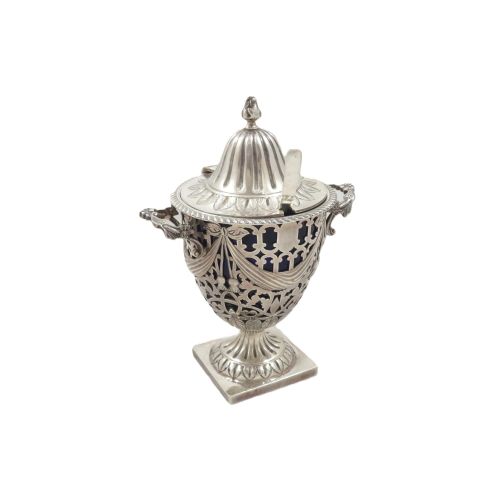
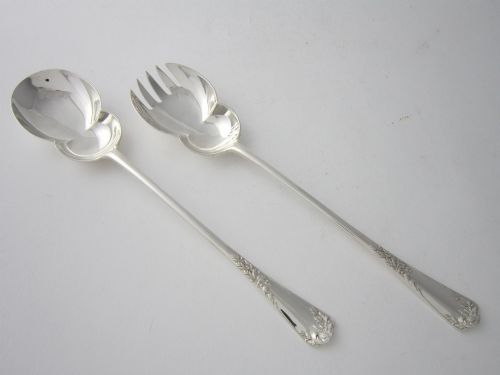
When you search for edwardian sterling silver silverware, you look at functional tableware and desk items created around the start of the twentieth century. The selection includes sugar casters, napkin rings, cutlery, toast racks, caddy spoons, mustard pots, decorative bowls, and drinking vessels.
While the title names the Edwardian era, the listings span several decades alongside the core period. You will find pieces bearing hallmarks from the Victorian years, the George V reign, and later twentieth-century decades up to the mid-century.
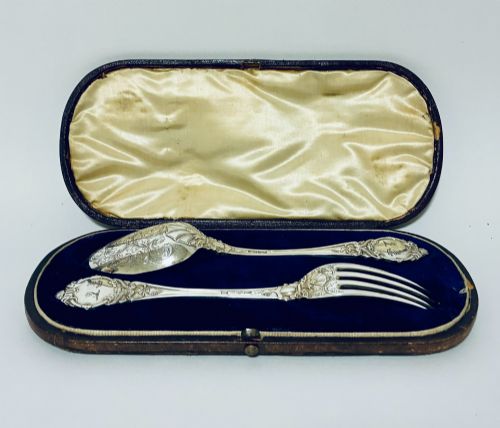
The objects take many practical forms used in formal dining and daily household life. Items range from individual card cases and knife rests to cased sets of spoons, christening sets, and large centrepieces.
How they were made
The primary material across the items is sterling silver, often noted as solid silver or silver-gilt, shaped through traditional silversmithing techniques. Makers combined this metal with structural elements in wood, leather, velvet, and silk for fitted cases and linings.
Several pieces incorporate contrasting media to highlight the silverwork. Cobalt glass liners appear inside openwork vessels like mustard pots and sugar baskets, while enamel work adds colour and pattern to napkin rings and boxes.
Listings feature items spanning the Victorian, Edwardian, and Art Deco periods, alongside styles like Arts and Crafts and Celtic Revival.
What varies in quality
Quality rests on the weight of the metal and the crispness of the chasing, piercing, or repoussé decoration. Substantial pieces with heavy gauge silver retain their structural integrity and clear hallmark stamps better than lighter items.
The reputation of the maker and the complexity of the design influence the distinction between standard tableware and exceptional studio pieces. Items featuring distinct regional styles like Celtic Revival or Anglo-Indian motifs show the breadth of craftsmanship available.
Liberty and Co·Barker Brothers·John Grinsell and Sons·Roberts and Belk·Harrison Brothers and Howson·Omar Ramsden·Robert Stebbings·Whiting Co
The Edwardian Sterling Silver Silverware Glossary
- Hallmark
- Official stamps punched into precious metals to indicate the assay office, standard of purity, and year of manufacture. These marks provide the definitive date for antique silverware.
- Sterling silver
- An alloy consisting of ninety-two point five percent silver and seven point five percent other metals, usually copper. This standard ensures durability while maintaining a bright lustre.
- Caster
- A small perforated vessel used for sprinkling sugar or spices over food. They appear with domed, pierced tops and often feature pedestal feet.
- Epergne
- A large ornamental centrepiece designed for a dining table, featuring multiple branching dishes or baskets. They serve as dramatic displays for fruit, sweets, or floral arrangements.
- Silver-gilt
- Sterling silver that has been coated with a thin layer of pure gold on the surface. This technique creates a rich golden interior or finish within bowls and spoons.
- Repoussé
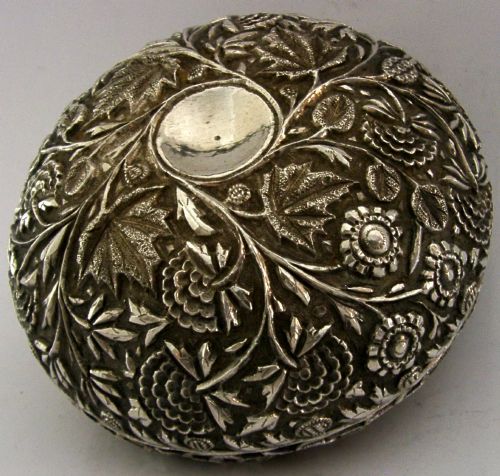
- A metalworking technique where the silversmith hammers the design from the reverse side to form raised relief patterns. It creates tactile surface decoration on bowls and caddies.
Edwardian Sterling Silver Silverware: Frequently Asked Questions
What is sterling silver?
Sterling silver is a precious metal alloy containing ninety-two point five percent silver by weight. The remaining seven point five percent consists of other metals, typically copper, added to give the soft silver sufficient strength for daily use.
Items made to this standard carry official hallmarks that verify their purity. These small stamped symbols allow collectors to identify the assay office and the exact year the piece was hallmarked.
How do I clean antique silver?
Antique silver benefits from gentle washing in warm water with a mild, phosphate-free washing-up liquid and a soft cloth. Avoid harsh chemical dips that strip away the subtle patination built up over decades of gentle use.
Dry the pieces thoroughly with a soft microfibre cloth to prevent water spots. Regular, gentle polishing with a dedicated silver cloth maintains the natural shine without wearing down the delicate hallmarks or engraved details.
How can I date silver pieces?
Dating silver relies on reading the date letter punch within the collection of hallmark stamps on the metal. Each assay office used a specific sequence of alphabet letters in distinct shield shapes to denote the year of manufacture.
Style, form, and maker's marks also provide strong clues when hallmarks are rubbed or partially obscured. Comparing the decorative motifs, such as Art Nouveau curves or strict Georgian revival lines, helps narrow down the period.