

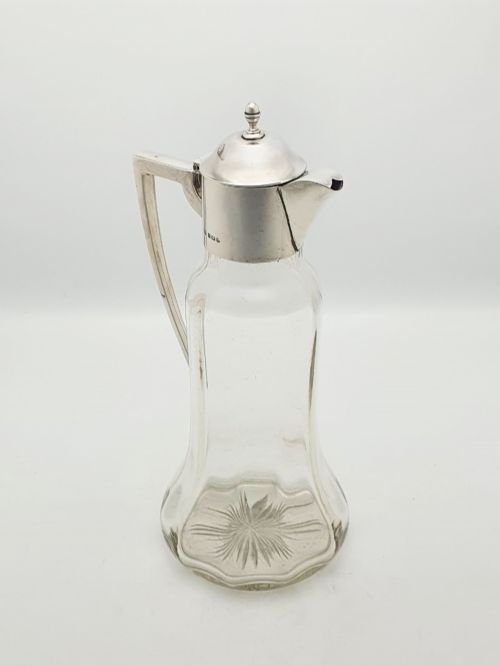


Edwardian Sterling Silver Server
An edwardian sterling silver server brings functional elegance to the dining table, offering shaped bowls and prongs for every course.
Edwardian Sterling Silver Server
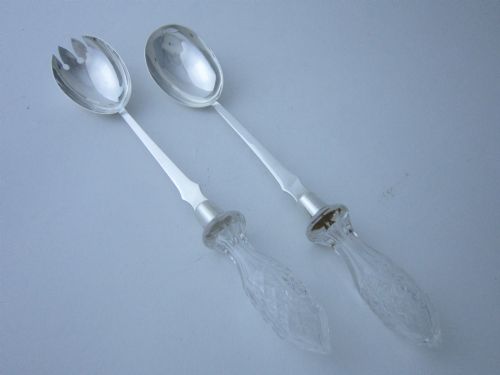
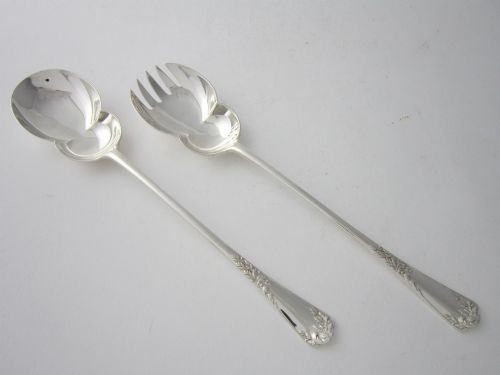
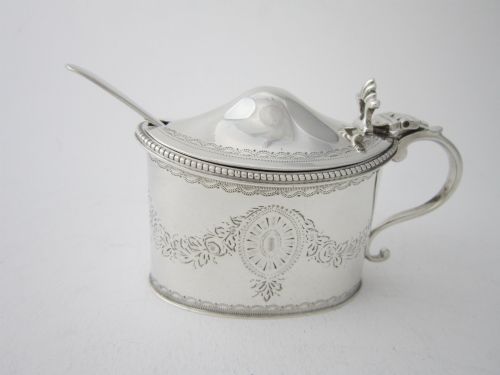
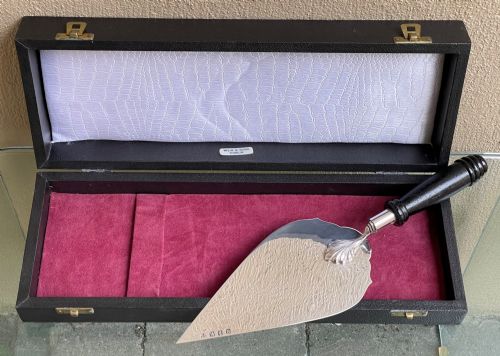
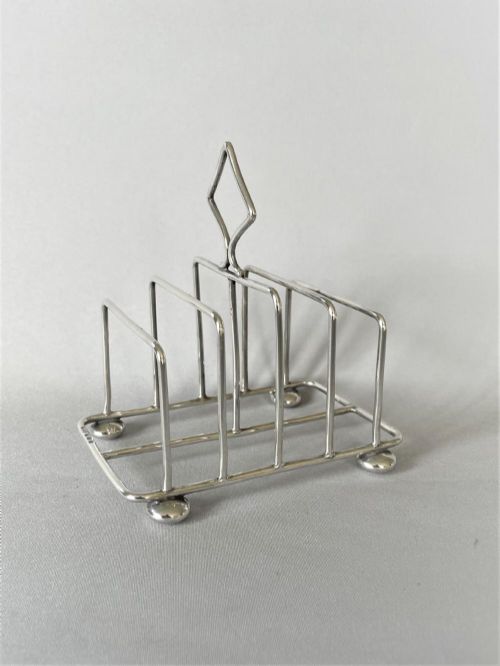
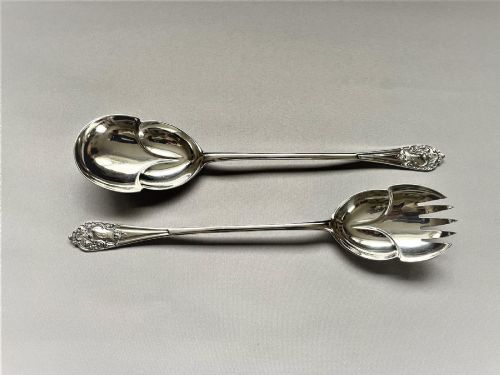
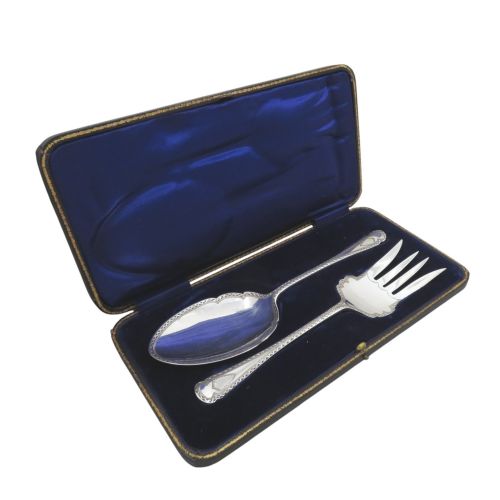
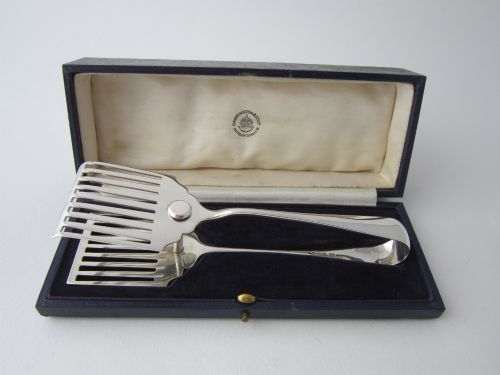
When you search for an edwardian sterling silver server, you encounter a diverse range of utensils and tableware designed for specific culinary tasks. The selection spans toast racks, salad servers, asparagus tongs, fish servers, and presentation trowels.
Salad servers appear frequently, often combining sterling silver mounts with wooden handles or cut glass bodies. Other notable forms include claret jugs, butter dishes, egg cruet sets, and specialised spoons and forks for sardines, pickles, or jam.
The period styles extend beyond pure Edwardian to include George V, Victorian, and Art Nouveau influences. Pieces emerge from various locations such as Chester, Sheffield, London, and Scotland, reflecting diverse regional assay offices.
Materials and Construction
Makers utilised sterling silver alongside materials such as cut glass, crystal, wood, velvet, silk, and silver plate. Glass bodies and crystal vessels feature sturdy sterling silver mounts, rims, and hinged lids.
Utensils combine solid metal components with organic elements like wooden handles and ebony grips. Specialised items incorporate detailed piercing, engraving, and rat tail motifs on the reverse of spoon bowls.
Edwardian Sterling Silver Server Retail Price Guide 2026
Typical asking prices for edwardian sterling silver server among the pieces listed under this phrase on Sellingantiques today, from the lower quarter to the upper quarter. They describe what is for sale here now, not the wider market.
The inventory records regional British and Scottish origins alongside London, Sheffield, and Chester assay marks.
Judging Quality and Craftsmanship
The gauge of the metal and the weight of the item influence the tactile experience of using the utensil. Heavier pieces demonstrate substantial metal thickness, particularly in salad service handles and presentation trowels.
The integration of mixed materials dictates visual success, seen in the seamless fit between silver mounts and cut glass claret jugs or crystal vanity jars. Surface decoration, from plain polished finishes to intricate Art Nouveau and Old Orange Blossom patterns, shows varying degrees of hand skill.
Harrison Brothers & Howson·The Goldsmiths & Silversmiths·Garrard & Co·Alvin
The Edwardian Sterling Silver Server Glossary
- Sterling silver
- An alloy containing 92.5 percent silver by mass, with the remainder consisting of other metals like copper. This standard provides the durability required for functional tableware.
- Assay office
- A body that tests the purity of precious metals and stamps items with hallmarks. Towns such as Sheffield, Chester, and London operated distinct offices.
- Toast rack
- A small tabletop framework designed to hold slices of toast upright. These pieces often feature arched divisions and a central carrying loop.
- Claret jug
- A vessel used for pouring wine, featuring a glass or crystal body fitted with a silver handle, collar, and spout. Many date from the Edwardian period.
- Rat tail
- A strengthening tongue of metal running down the back of a spoon bowl from the stem. This feature appears on salad servers and serving spoons.
Edwardian Sterling Silver Server: Frequently Asked Questions
What are edwardian sterling silver servers used for?
These utensils serve specific dining functions, from tossing salad leaves to transferring portions of fish, asparagus, or toast.
Many pieces were created for specialised courses during formal meals, reflecting the structured dining habits of the period.
How do I identify an Edwardian piece?
Look for hallmarks stamped into the metal, which indicate the assay office, standard, and date letter corresponding to the Edwardian era.
Stylistic cues like Art Nouveau curves and George V influences also help narrow down the manufacturing timeframe.
Are these servers made entirely of silver?
Many examples combine solid sterling silver with other materials such as cut glass, crystal, wood, or ebony.
Handles and mounts are typically silver, while bodies or grips utilise contrasting materials for practical and aesthetic balance.
How should I care for silver tableware?
Gentle cleaning with a soft cloth and specialised silver polish preserves the surface without removing fine engraving or hallmarks.
Store items away from damp environments, and use fitted cases where provided to protect wooden elements and glass components.