
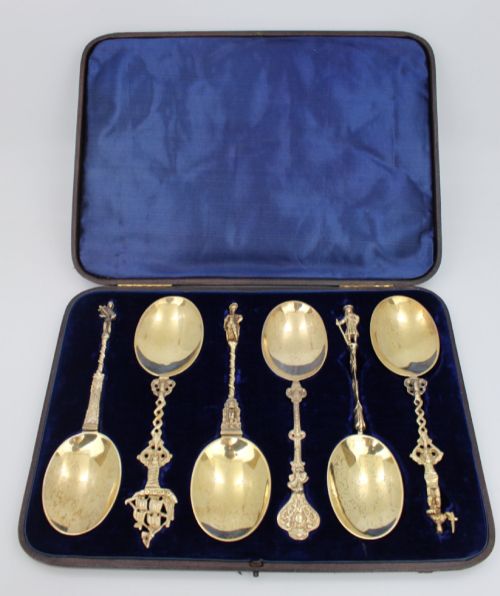
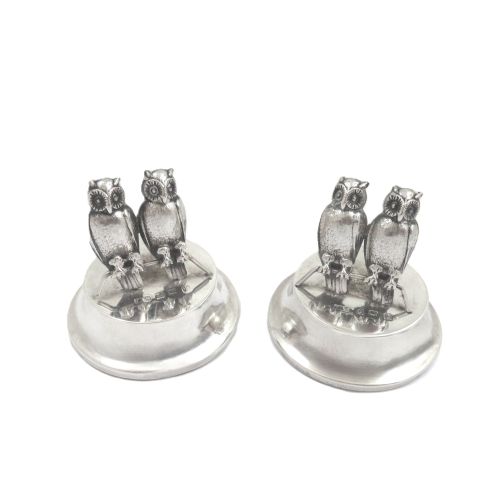


Edwardian Sterling Silver Figure
These Edwardian sterling silver figure pieces are delightful miniature works, bringing clever animal forms and charming characters directly to your display surfaces.
Edwardian Sterling Silver Figure
When you search for edwardian sterling silver figure, you encounter a fascinating range of small objects that double as functional items and decorative models. These pieces include clever novelty pin cushions shaped like animals, practical menu holders, and solid inkstands that capture the aesthetic of the period.
The versions you meet most often on this page take the form of charming fauna such as owls, kangaroos, tortoises, lions, partridges, and ducks. Alongside these realistic animal models, you also discover human figures like policemen and characters from literature, as well as miniature horses and teddy bears.
Most examples date firmly from the Edwardian era, though occasional pieces stretch back to the Victorian period or forward into later decades. They serve variously as desk accessories, table ornaments, and charming tabletop conversation pieces.
Materials and construction methods
Many of the pin cushions combine this silver work with contrasting materials like velvet or fabric to hold pins securely within the silver shell or base. Certain items also integrate wooden elements or shell details to complete their decorative presentation.
Listings feature items incorporating sterling silver, velvet, fabric, wood, and shell.
Distinguishing quality across the range
The weight and solidity of the metal also divide the range, with substantial heavy models offering a more tactile presence compared to lighter miniature versions. Additionally, the ingenuity of the design, particularly in novelty items that combine utility with sculptural form, elevates certain pieces above standard decorative objects.
The Edwardian Sterling Silver Figure Glossary
- Sterling silver
- A silver alloy containing 92.5 percent pure silver and 7.5 percent other metals, usually copper, ensuring durability for detailed objects. This standard is fundamental to British silver manufacture.
- Pin cushion
- A small domestic accessory designed to hold pins safely, often fashioned into novelty animal shapes during the Edwardian period. These items frequently combine silver mounts with fabric or velvet.
- Menu holder
- A small desk or tabletop stand intended to display cards detailing the courses of a meal. They are frequently cast in figurative or novelty designs to amuse diners.
- Inkstand
- A desk accessory comprising a heavy tray fitted with an inkwell, sometimes incorporating sanders and pen rests. Solid silver versions form substantial desk centerpieces.
Edwardian Sterling Silver Figure: Frequently Asked Questions
What are edwardian sterling silver figure pieces?
These items are small decorative and functional objects fashioned from solid silver, often taking the shape of animals or human characters. They were produced extensively during the early twentieth century.
Collectors prize them for their miniature scale and the humour or charm infused into their design.
How were silver pin cushions used?
Pin cushions served a practical purpose on dressing tables and sewing desks, providing a safe and accessible place to store pins during tailoring or everyday dress maintenance.
In the Edwardian period, makers elevated these utilitarian objects into sculptural novelties shaped like birds, mammals, and human figures.
How do I identify an Edwardian piece?
Identifying an Edwardian piece involves examining the overall stylistic traits, which lean toward naturalistic animal forms and whimsical novelty designs. Hallmarks stamped into the silver often provide specific assay office marks and date letters.
While the era officially spans the reign of King Edward VII, related pieces on this page also touch upon surrounding Victorian and later twentieth-century periods.
Where should I display these figures?
Their small scale makes these silver pieces ideal for display on mantelpieces, bookshelves, cabinets, or dedicated desks alongside other small antiques. Placing them where light can catch the polished silver surfaces highlights the fine chasing and detail.
They function equally well as standalone tabletop accents or grouped within a curated collection.