


Edwardian Silver Desk Ornament
These pieces for an edwardian silver desk ornament combine practical utility with whimsical animal forms, offering a tactile focal point for any writing table.
Edwardian Silver Desk Ornament
When searching for an edwardian silver desk ornament, collectors encounter a diverse array of desk accessories spanning inkwells, pin cushions, letter openers, and novelty animal figures. These functional items served the well-appointed writing desks of the early twentieth century, incorporating materials like glass, wood, and fabric alongside precious metal.
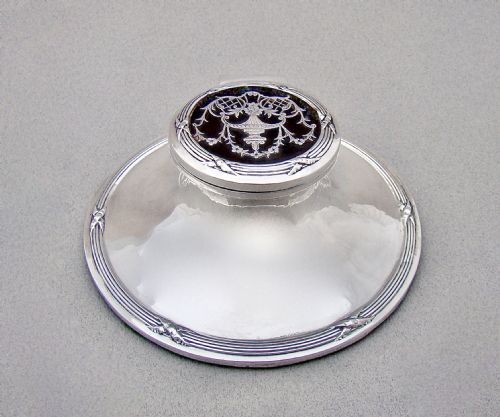
The pieces appearing on this page showcase varied forms, from capstan inkwells and photo frames to mechanical desk bells and figural paperweights. Alongside strictly Edwardian examples, the selection includes related items from the Victorian and 1920 periods that share the same decorative sensibility.
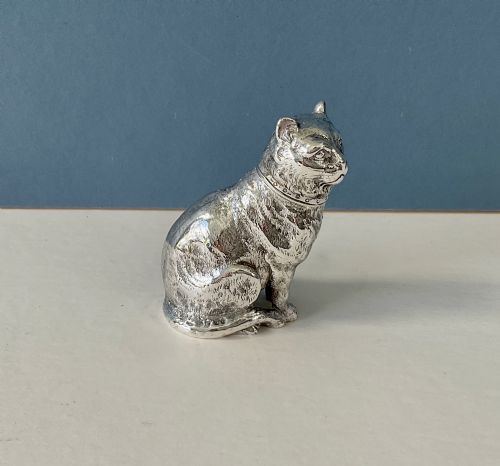
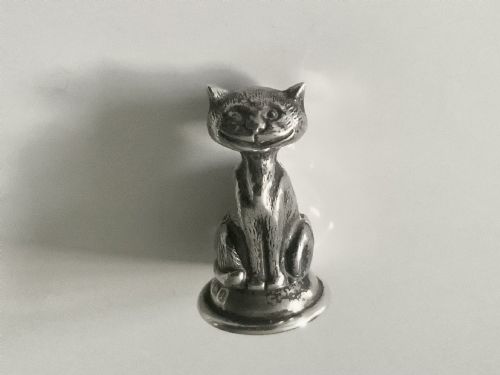
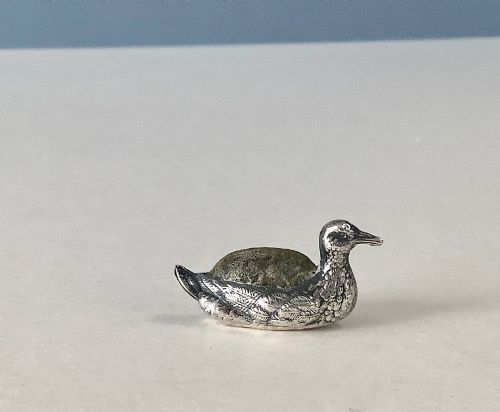
Novelty items occupy a prominent place within this category, featuring detailed animal motifs such as cats, foxes, ducks, and pheasants rendered in sterling silver. These functional sculptures and desk furnishings reflect the period's taste for playful design applied to everyday items.
What Varies in Quality
The distinction between standard pieces and superior examples rests upon the crispness of the silver casting and the complexity of the mechanism or figural detail. Heavier gauge silver and fully articulated elements indicate a higher grade of production by notable makers.
The integration of secondary materials such as genuine tortoiseshell, thick bevelled glass, and fine velvet backings differentiates more ambitious desk accessories from simpler utilitarian items.
A miniature brass-grille cat mascot sits ready to guard your stationery.
Henry Matthews·William Graeme
The Edwardian Silver Desk Ornament Glossary
- Capstan inkwell
- A desk inkwell shaped like a ship's capstan, featuring a wide circular base tapering upward to a hinged silver lid. This form provides exceptional stability on a writing slope.
- Sterling silver
- An alloy containing ninety-two point five percent silver by mass, with the remainder consisting of other metals like copper. It forms the primary structural and decorative material for these desk accessories.
- Pin cushion
- A small padded object, often formed as an animal or novelty shape with a silver body and a fabric or velvet top. Pins were pushed directly into the upholstered upper section.
- Letter opener
- A flat, bladed hand tool utilised for slitting open envelopes and paper seals. Many period examples feature decorative silver handles paired with steel, bone, or ebonised wood blades.
- Novelty silver
- Silver articles shaped to represent animals, figures, or familiar objects rather than traditional geometric forms. This style gained widespread popularity during the Edwardian period.
Edwardian Silver Desk Ornament: Frequently Asked Questions
What is an edwardian silver desk ornament used for?
These pieces functioned as practical desk accessories for writing correspondence, holding ink, blotting paper, or securing documents. They sat upon writing tables in offices and homes during the early twentieth century.
Today, collectors use them to display period craftsmanship or continue their original purpose on modern desks. Their varied forms mean they also serve as decorative paperweights and cabinet pieces.
How do I identify an edwardian piece?
Identification relies on stylistic markers such as Edwardian novelty silver designs, Georgian revival motifs, and Arts and Crafts influences. Examining the overall form alongside secondary materials like velvet, glass, and tortoiseshell helps place the object in its era.
Assay office marks and maker's stamps stamped into the silver provide definitive dating evidence. Comparing the item's specific weight and construction details to recorded examples from the same period confirms its authenticity.
Are these desk accessories made of solid silver?
Most items listed feature solid sterling silver construction, often paired with weighted bases filled with other materials for stability. Some pieces combine solid silver mounts with glass, wood, or tortoiseshell bodies.
Specific components like blades on letter openers or internal mechanisms may incorporate steel or base metals. Hallmarks stamped directly onto the silver elements verify the precise metal standard used.
How should I care for silver desk items?
Regular maintenance involves gentle dusting with a soft cloth to prevent dust accumulation in crevices and chased details. Minimising exposure to direct moisture protects organic elements like velvet, felt, and tortoiseshell.
When polishing becomes necessary, a dedicated silver cloth prevents abrasive wear on the softer metal surfaces. Storing pieces away from direct sunlight preserves the rich colour of the accompanying fabrics and shell.