




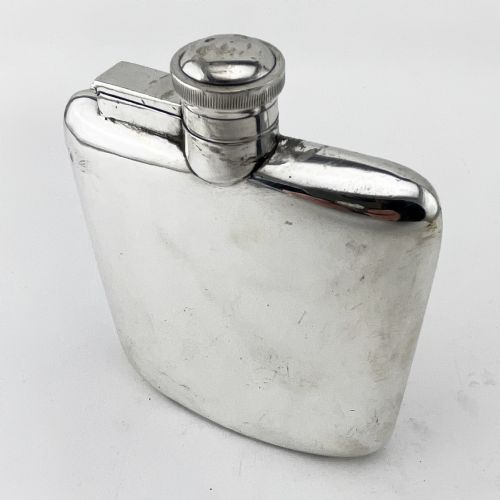
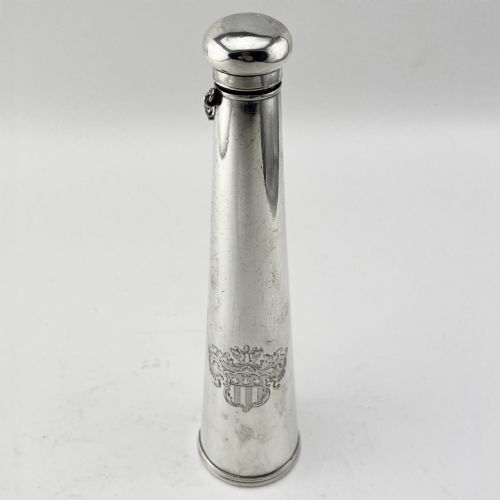


Edwardian Sterling Hip Flask
An edwardian sterling hip flask is a pocket companion built for spirits, offering tactile heft and pocket-sized utility that collectors prize for daily carry.
Edwardian Sterling Hip Flask
An edwardian sterling hip flask combines precious metal with utilitarian design, forming a compact container meant for carrying liquor discreetly in a pocket. The examples appearing here span various decades, though the defining aesthetic aligns closely with the early twentieth century.
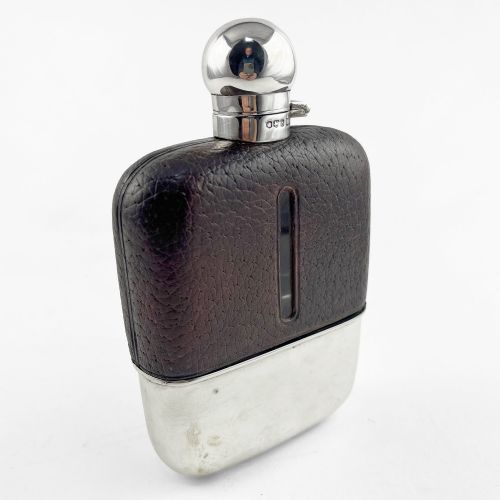
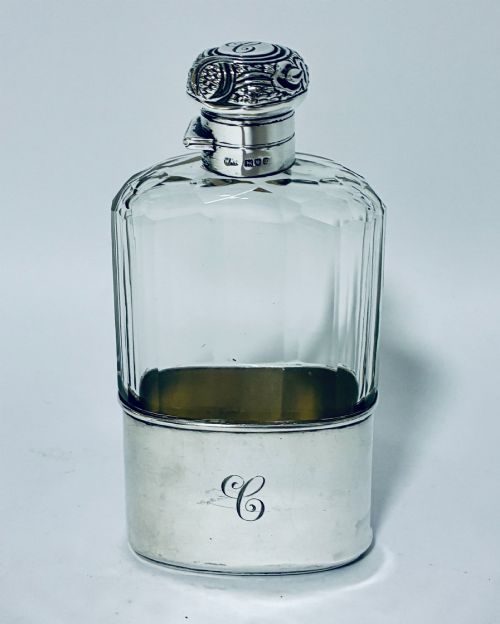
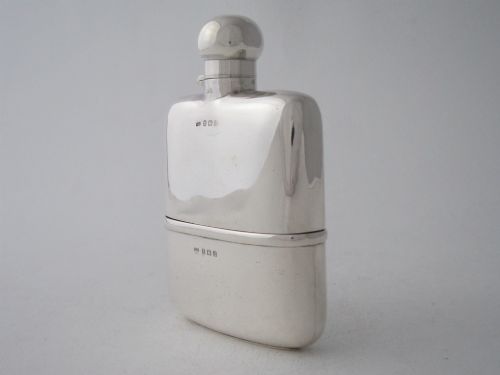
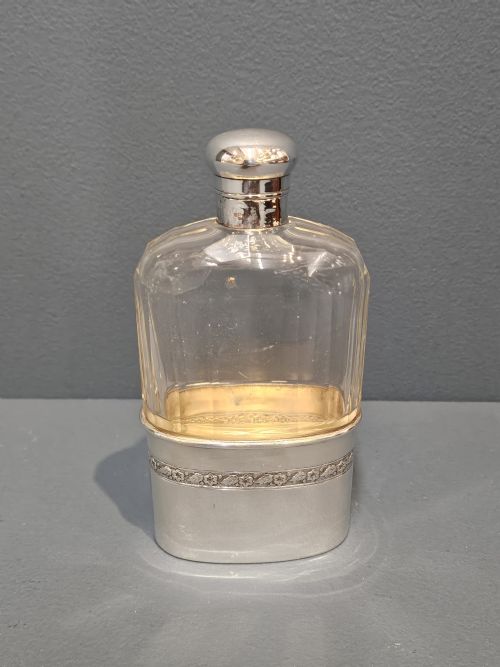
Buyers encounter multiple configurations, ranging from plain polished silver bodies to curved hunting styles designed to fit snugly against the body. Some variations incorporate glass or crystal bodies encased in leather or protected by silver caps and removable cups.
The materials recorded in these pieces include solid sterling silver, silver gilt, and cut glass, alongside organic textures like crocodile leather and standard leather wraps. Flasks often feature functional elements such as captive screw caps and collapsible silver cups.
Materials and construction
Silversmiths constructed these vessels primarily from heavy gauge sterling silver, frequently forming bodies with gentle curves to aid pocket storage. Many pieces integrate thick cut glass or crystal liners, bound by hand-stitched leather or exotic crocodile skin to improve grip.
Surface ornamentation relies on repoussé floral patterns, plain polished finishes, or partial gilding on the interior of cup components. Mechanics such as bayonet caps, threaded screw lids, and hinged collapsible drinking vessels demand precise metalworking to ensure liquid containment.
Edwardian Sterling Hip Flask Retail Price Guide 2026
Typical asking prices for edwardian sterling hip flask among the pieces listed under this phrase on Sellingantiques today, from the lower quarter to the upper quarter. They describe what is for sale here now, not the wider market.
Some flasks hid a collapsible cup at the base so a gentleman could share his whisky without sharing his germs.
Assessing craftsmanship
The thickness of the sterling silver gauge dictates the structural integrity and resistance to dents during everyday use. Superior examples maintain crisp hallmarks, tight-fitting caps that prevent leaks, and cleanly hinged mechanisms on any integrated cup.
Material pairing also influences the overall standard, distinguishing simple glass inserts from deeply cut crystal and standard leather from well-preserved exotic skins. Finer manufacturing shows in the seamless integration between the silver mounts and the secondary materials.
Asprey·W A Ellwick Ltd·James Dixon
The Edwardian Sterling Hip Flask Glossary
- Sterling silver
- An alloy containing 925 parts of silver per 1000 parts of other metals, standard for British plate. This composition provides the necessary durability for items subjected to handling.
- Silver gilt
- Sterling silver that has been coated with a thin layer of gold on the interior or exterior surface. This technique protects the silver from tarnishing when exposed to strong spirits.
- Captive cap
- A bottle lid attached to the neck via a small hinged arm so it cannot be misplaced outdoors. This mechanical detail is particularly common on hunting flasks.
- Mary Gregory glass
- Glass decorated with white enamel figures, often depicting children in pastoral scenes. This ornamental technique occasionally appears on liquor flasks from the period.
- Hallmark
- A series of official marks stamped on precious metals indicating the maker, assay office, and year of testing. These stamps allow accurate dating of British silver items.
Edwardian Sterling Hip Flask: Frequently Asked Questions
How were these flasks used?
Owners carried them in breast pockets or coat pockets during hunting, shooting, and travel to have immediate access to liquor.
The integrated cups allowed the contents to be shared conveniently without drinking straight from the container.
How do I care for silver and glass flasks?
Wash the interior promptly after use with warm water and ensure the flask dries completely before storing with the cap open.
Polish the exterior silver gently with a cloth designed for precious metals while avoiding harsh abrasives on any leather or glass elements.
How do I identify the date of a flask?
Examine the metal surface for official hallmarks, which include symbols for the assay office, standard marks, and a date letter.
Comparing these stamps against standard British hallmarking tables reveals the exact year the silver was tested and assayed.