



Edwardian Sterling Cup
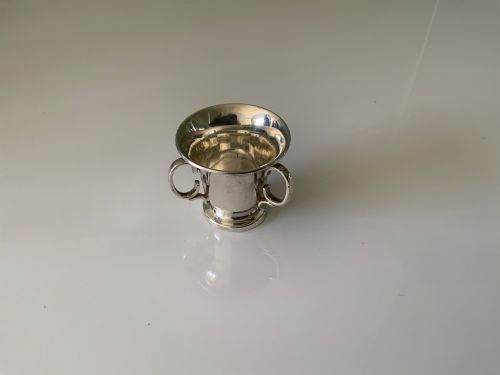
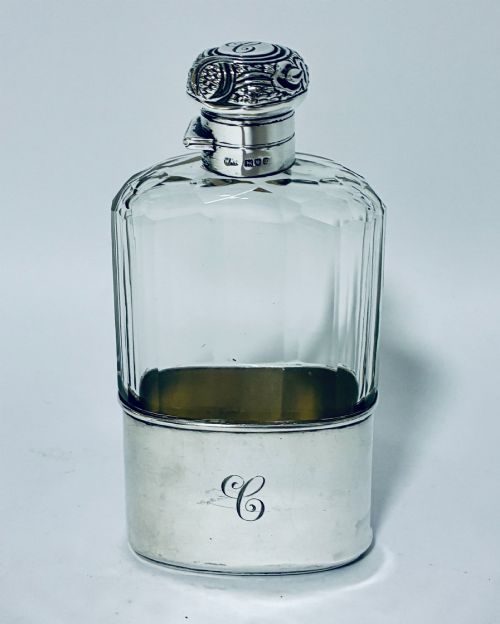
These pieces range from christening mugs to travelling flasks, bringing the character of an edwardian sterling cup into everyday use.
Edwardian Sterling Cup
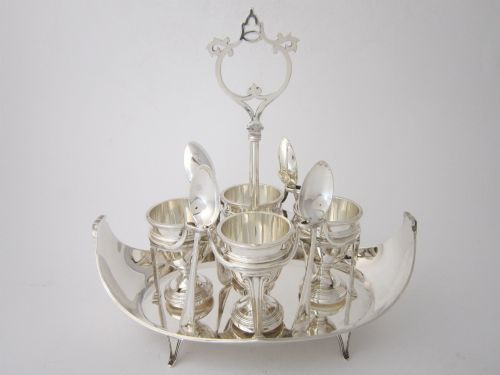
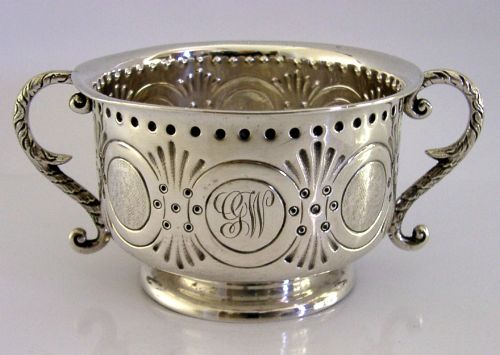
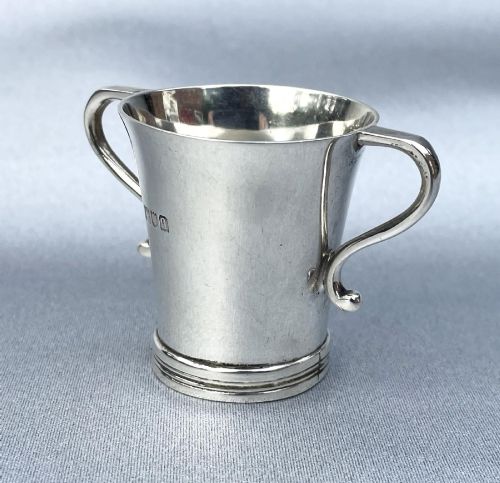
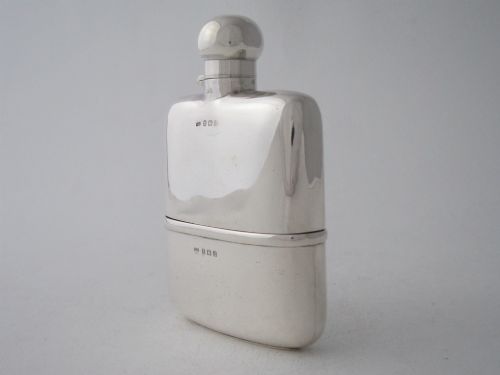
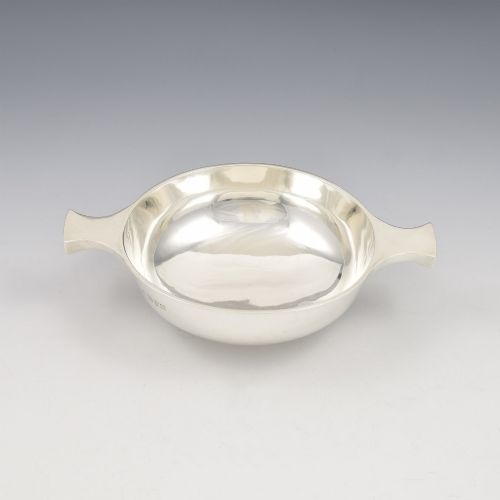
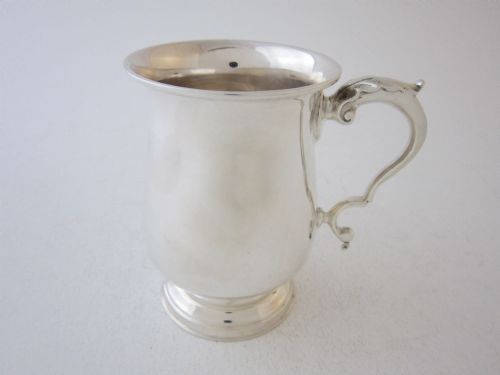
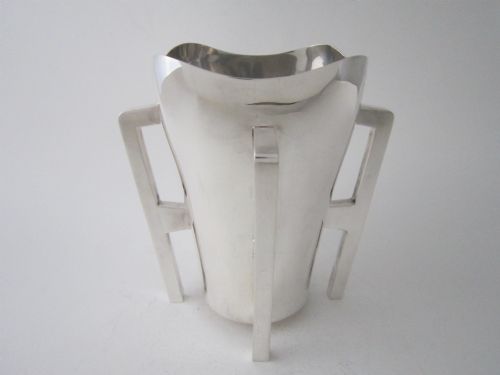
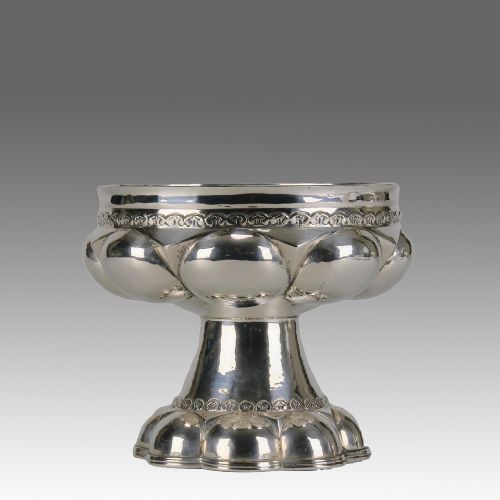
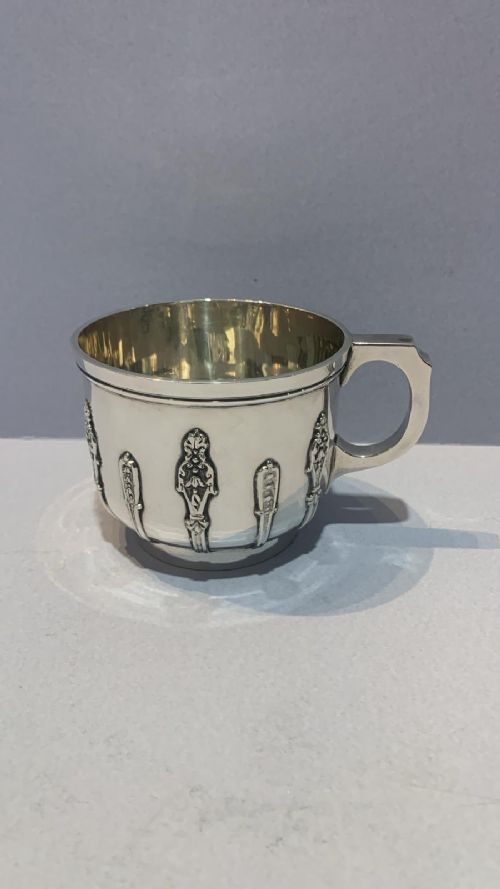
When you examine an edwardian sterling cup, you encounter a diverse group of drinking vessels, hollowware, and barware produced across the late nineteenth and early twentieth centuries. The selection on this page spans christening mugs, presentation goblets, quaichs, and hip flasks shaped by the design movements of their day.
Most items you meet here date from the Edwardian period and the reign of George V, alongside pieces from the late Victorian era and the subsequent Art Deco decades. Forms vary from simple child mugs with scroll handles to complex multi-handled tygs and travelling medical kits.
Makers drew on historicist revivals, Celtic motifs, Arts and Crafts ideals, and Art Nouveau curves to shape sterling silver, glass, and leather. These objects served ceremonial, personal, and domestic roles, functioning as presentation trophies, christening gifts, and portable companions.
How they were made
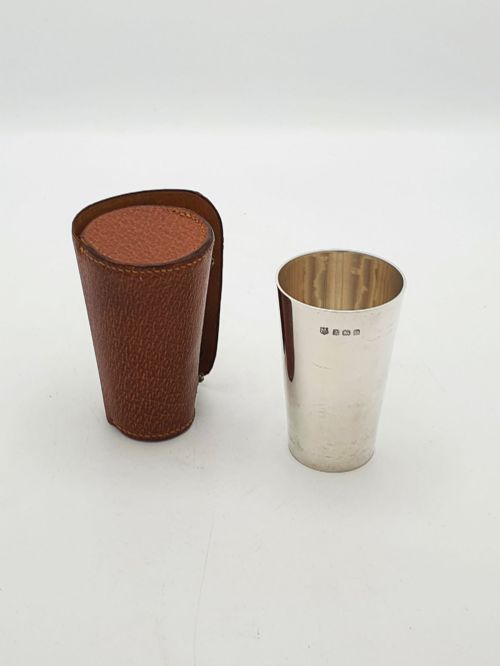
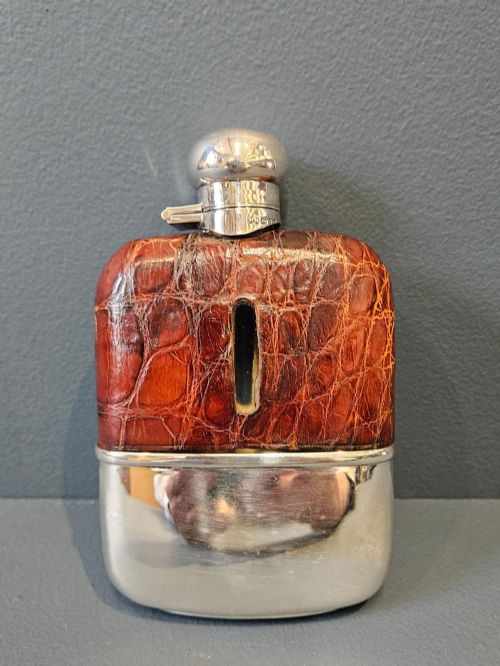
Silversmiths constructed these items primarily from sterling silver, employing techniques such as hand hammering, casting, and repoussé to create textured surfaces and sculptural forms. Many vessels combine this metal with cut glass bodies, fitted leather carry cases, or crocodile leather wraps.
Workshops integrated supplementary materials including silk, velvet, and gold gilding to line presentation boxes or accent interior bowls. Details like scroll handles, applied swags, and engraved inscriptions demonstrate precise bench skills practiced by period makers.
Edwardian Sterling Cup Retail Price Guide 2026
Typical asking prices for edwardian sterling cup among the pieces listed under this phrase on Sellingantiques today, from the lower quarter to the upper quarter. They describe what is for sale here now, not the wider market.
Listings feature items spanning the Victorian era through the Arts and Crafts and Art Deco movements, utilising sterling silver, cut glass, and crocodile leather.
What varies in quality
The distinction between standard commercial output and exceptional work lies in the handling of the metal and the ambition of the design. Pieces featuring hand-hammered surfaces or specialised forms like a three-handled tyg or a travelling medical kit reflect greater maker input than basic stamped vessels.
Associated elements such as fitted leather cases, original presentation boxes, and maker attribution elevate an object's standing. The crispness of chased details, the weight of the solid silver, and the integration of secondary materials like cut glass or gold gilding determine the grade of the piece.
Lambert and Co·Nathan and Hayes·Hukin and Heath·Asprey London·Tiffany and Co·Joseph Rodgers and Sons·George Ernest Hawkins
The Edwardian Sterling Cup Glossary
- Quaich
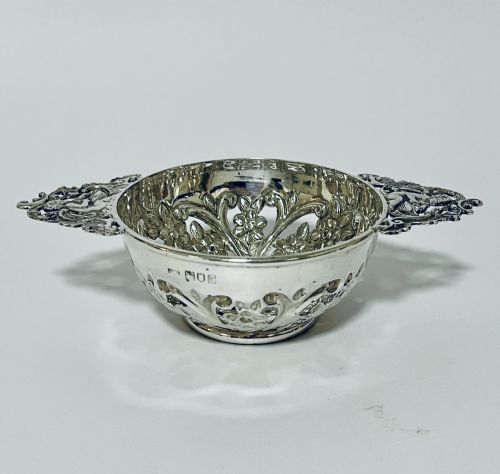
- A traditional Scottish two-handled drinking vessel used for toasts. These pieces often appear in silver with shallow bowls and flat lug handles.
- Tyg
- A large drinking vessel featuring three or more handles designed for communal passing. They frequently date to the Arts and Crafts era.
- Hollowware
- A category of silver objects that are hollow in construction, including bowls, mugs, jugs, and cups. They test the silversmith's raising and spinning abilities.
- Sterling silver
- An alloy containing a high proportion of silver combined with other metals for durability. British pieces carry hallmarks confirming this standard.
- Porringer
- A shallow bowl with one or two flat handles used for porridge or broth. In silver form, they often double as christening gifts.
Edwardian Sterling Cup: Frequently Asked Questions
What is a christening cup?
A christening cup is a small mug or vessel presented to an infant to mark their baptism or naming ceremony. These pieces were made in solid silver and often engraved with initials or dates.
Over time, they shifted from practical tableware to cherished family keepsakes displayed in cabinets or used on significant milestones.
How do I identify an Edwardian silver mark?
British silver bears a series of punchmarks known as hallmarks, which indicate the maker, the assay office such as Chester or London, and the specific year letter.
Examining the duty mark and date letter helps pinpoint the exact year of manufacture within the broader Edwardian period.
What is the difference between a quaich and a mug?
A quaich is a shallow, two-handled drinking vessel rooted in Scottish tradition, designed to be held with both hands. A mug possesses a deeper cylindrical body and a single vertical handle.
Quaichs emphasise horizontal balance and decorative lug handles, whereas mugs prioritize a secure grip for single-handed drinking.
Were silver hip flasks used for travel?
Silver hip flasks served as portable spirit containers for hunting, travelling, and outdoor excursions. Many included captive caps and fitted leather cases to withstand active use.
Makers often combined cut glass with sterling silver or added collapsible cups to enhance their utility on journeys.