
Edwardian Sterling Box
These pieces known as edwardian sterling box are silver containers crafted during the early twentieth century, sought after by collectors for dressing tables and desks.
Edwardian Sterling Box
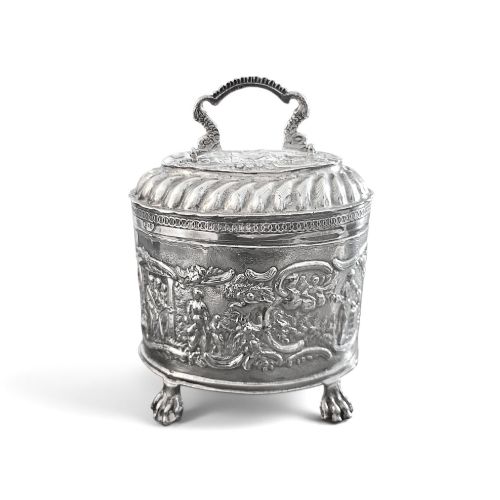
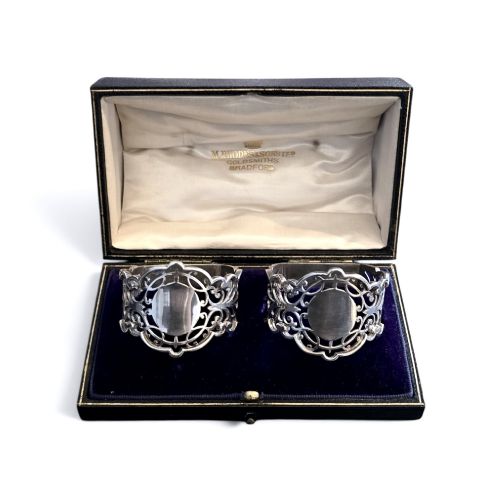
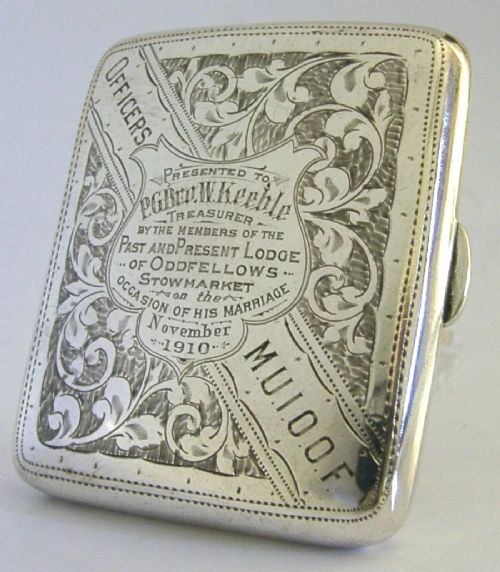
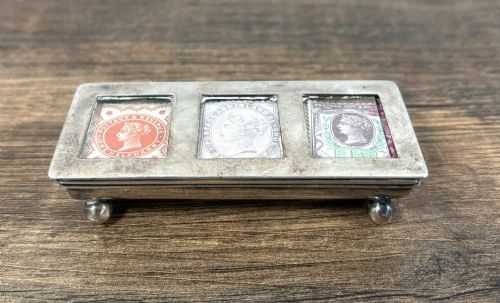
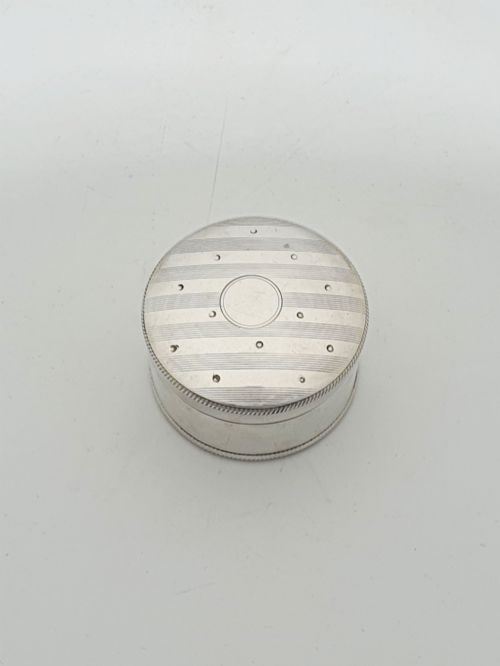
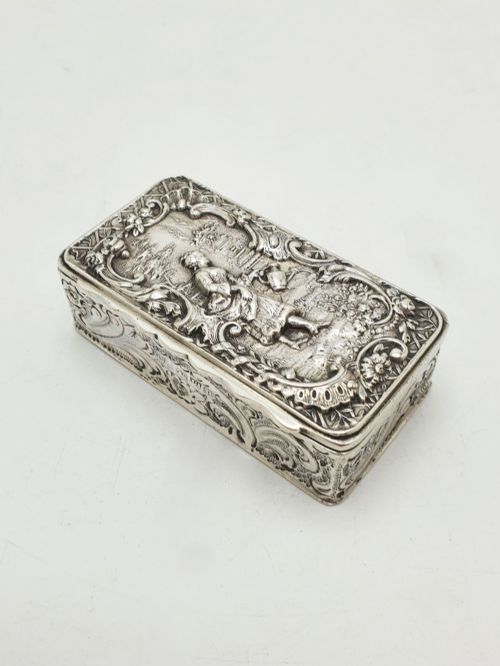
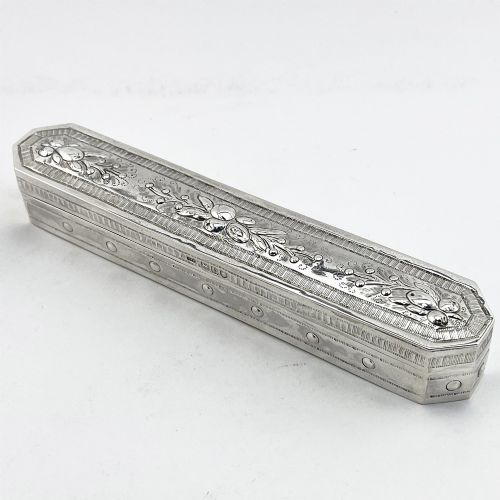
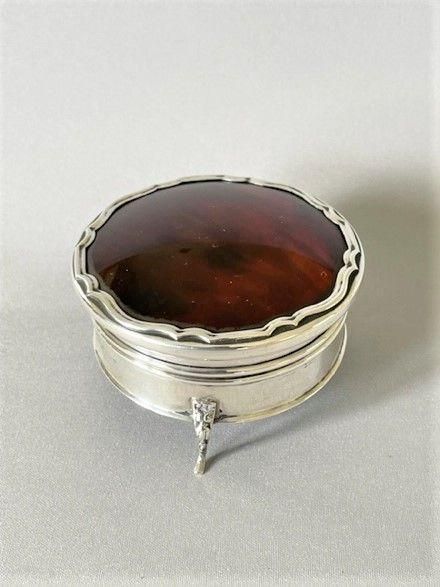
An edwardian sterling box comprises a variety of small silver receptacles made primarily during the Edwardian period and adjacent years, including trinket pots, pill containers, and dressing table jars. These items frequently incorporate interior linings such as velvet, silk, or satin to cushion small valuables.
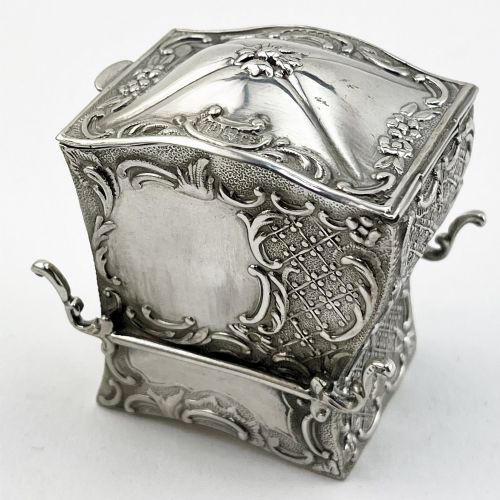
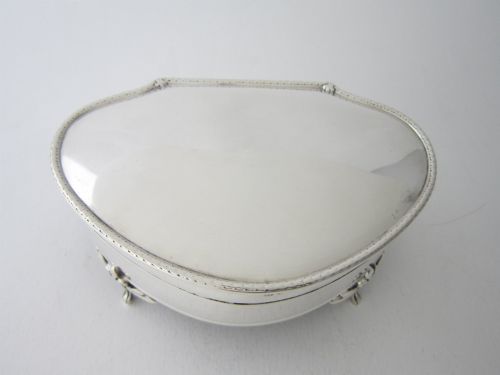
Makers often fashioned these boxes in diverse shapes, ranging from round pill boxes and heart-shaped trinket vessels to larger rectangular caddies. While many originate from British assay offices, imported examples also appear within the records.
How they were made
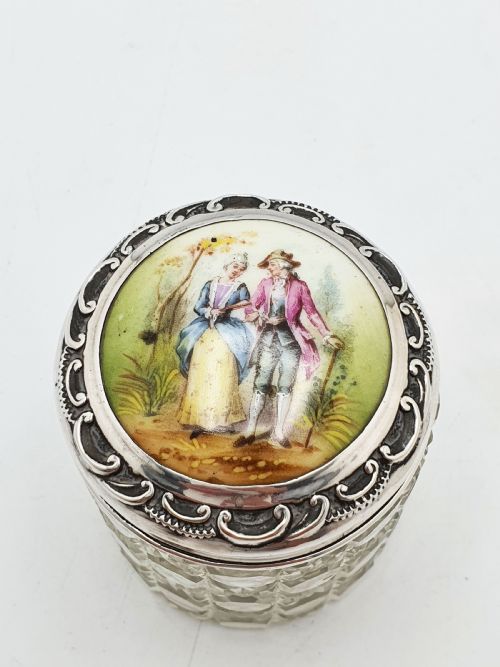
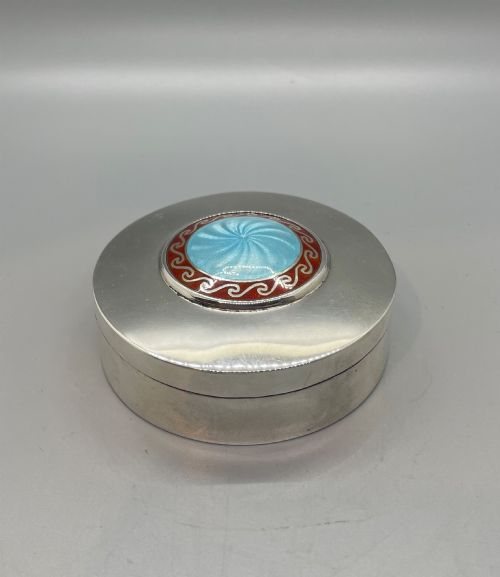
Silversmiths utilised sterling silver alongside decorative elements like guilloche enamel, tortoiseshell, mother-of-pearl, and cut glass to construct these containers. Techniques such as engine turning, repoussé work, and hand-painting added surface pattern and texture to the metal and inset plaques.
Internal components relied on textile inserts including velvet, satin, and silk to line the storage wells. Hinges and lids were engineered to fit flush against the main body of each box.
Listings feature sterling silver combined with velvet, satin, cut glass, and enamel across Edwardian and Victorian periods.
What varies in quality
The standard of an edwardian sterling box depends on the weight of the silver gauge and the crispness of decorative details like engine turning or repoussé relief. Thicker metal provides greater structural integrity to hinged lids and bases over decades of handling.
The integration of secondary materials dictates overall refinement, distinguishing plain silver constructions from those featuring intact guilloche enamel, inset tortoiseshell, or hand-painted porcelain plaques.
Martin Hall And Co·Aaron Lufkin Dennison·Ollivant And Botsford·Henry Clifford Davis·F A Barrett·A Wilcox
The Edwardian Sterling Box Glossary
- Sterling silver
- A silver alloy containing 92.5 percent pure silver by mass and 7.5 percent other metals, usually copper. This standard composition provides the durability required for small decorative containers.
- Guilloche enamel
- A decorative technique where translucent enamel is layered over precise mechanical engine-turned metal patterns. It creates a repeating geometric design beneath a glassy coloured surface.
- Repoussé
- A metalworking method in which the silversmith hammers the metal from the reverse side to form a raised design in relief. Detail is then refined from the front using punches.
- Engine turned
- A geometric surface decoration applied using a machine that etches precise lines into the metal. This technique creates regular patterns of fine parallel lines or intersecting curves.
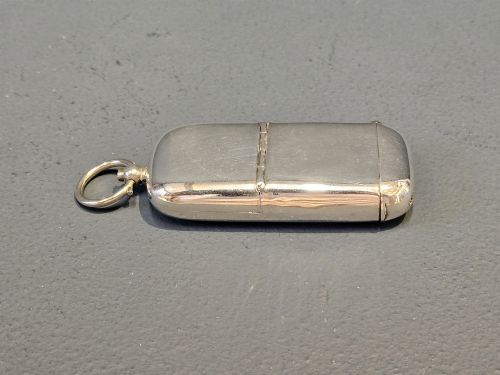
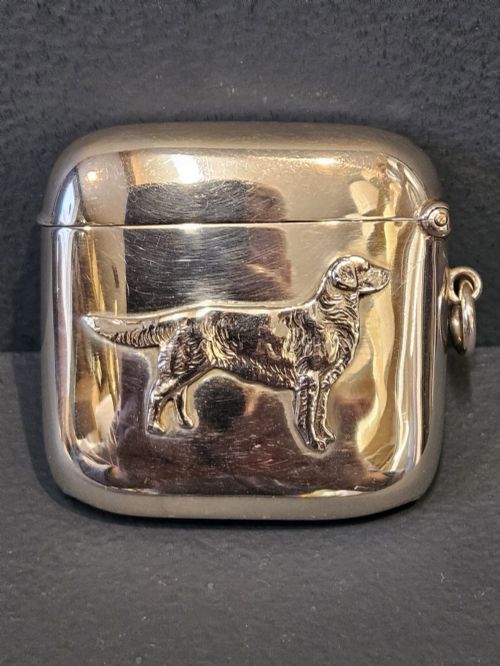
- Vesta case
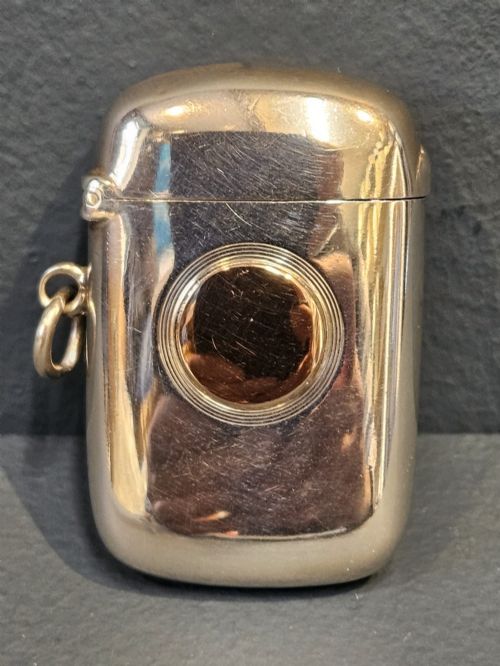
- A small pocket box designed to hold matches and strike them against an exterior ribbed surface. These compact containers often match the construction style of larger trinket boxes.
Edwardian Sterling Box: Frequently Asked Questions
How were these boxes used?
These containers served to store small personal items such as trinkets, pills, stamps, and dressing table accessories. Owners kept them on desks, dressing tables, or carried them in pockets.
Their interior linings of velvet or satin protected delicate items from scratching against the silver walls during daily use.
How do I identify an Edwardian piece?
Assay office hallmarks stamped onto the silver provide definitive dates and locations of manufacture. Records often show specific year letters corresponding to the early twentieth century.
Stylistic cues such as delicate enamel work and specific revival motifs also align with the period production methods.
What materials are inside the boxes?
Many interiors feature soft fabric linings including velvet, satin, and silk designed to cushion jewellery and small keepsakes. Some examples incorporate fitted trays or compartments.
Others display plain silver interiors or gilded surfaces known as wash finishes applied to the interior metal.
Are these items durable for daily use?
Solid silver construction gives these containers robust physical bodies suited to careful handling. Hinges and catches are built to withstand regular opening and closing.
Delicate additions like glass bodies, enamel panels, or mother-of-pearl insets require gentle treatment to prevent surface damage.