





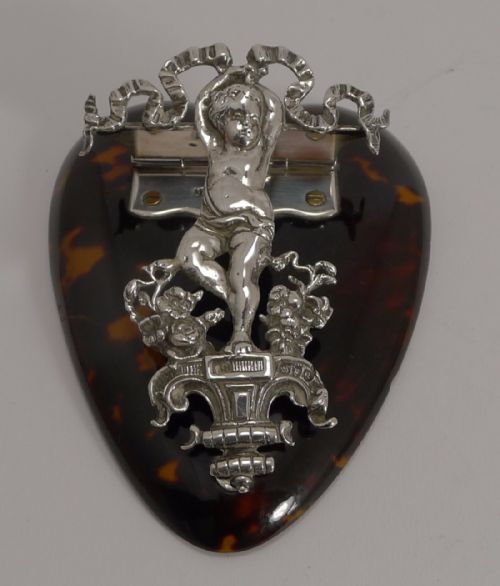

Edwardian Stationery Holder
These edwardian stationery holder pieces are desk accessories designed for correspondence, offering a practical way to organise letters and stamps on a writing table.
Edwardian Stationery Holder
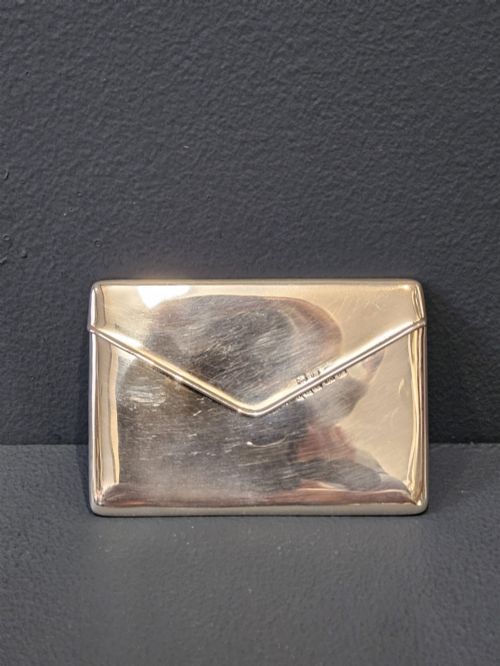
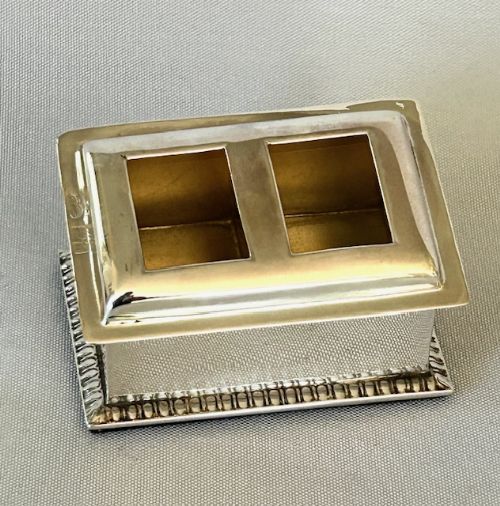
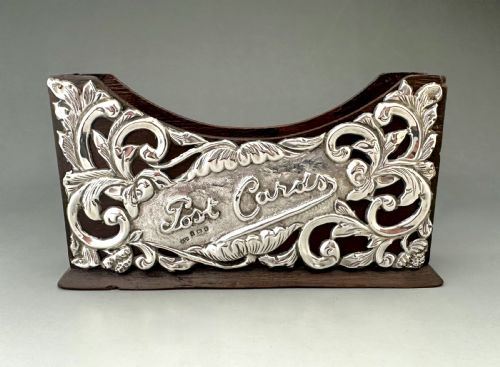
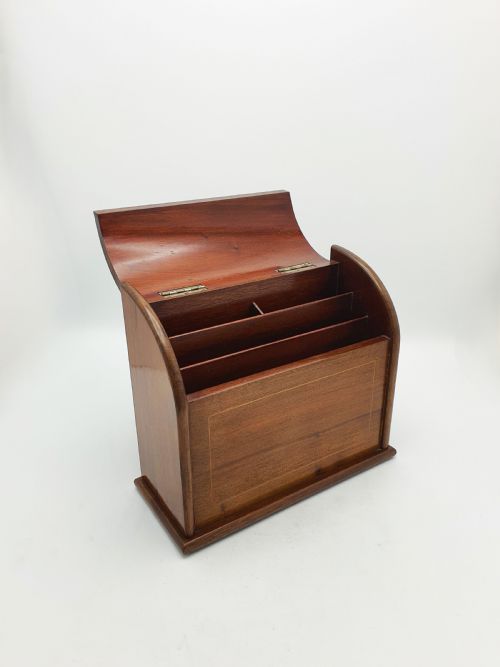
An edwardian stationery holder encompasses desk accessories such as letter racks, cabinets, boxes, and clips designed to keep correspondence tidy. The items seen on this page span several decades, featuring Edwardian pieces alongside Victorian and later examples.
Forms vary from simple mahogany hinged-lid desks tidies to ornate brass desk sets and silver mounted letter clips. Buyers also encounter oak stationery cabinets, tortoiseshell stirrup clips, and copper envelope racks.
Origins and periods range across the nineteenth and twentieth centuries, with specific dates appearing in individual descriptions. The selection brings together wood, metal, and glass desk furniture in diverse traditional styles.
How They Were Made
Woodwork dominates many pieces, utilising mahogany, oak, satinwood, and hardwood with carved details, inlaid work, and raised bun feet. Cabinet makers constructed stationery boxes and cabinets with hinged lids and tiered compartments.
Metalworking techniques shape the brass desk sets, copper envelope racks, and sterling silver mounts. Craftsmen also combined materials, mounting silver and tortoiseshell onto backing plates or incorporating glass elements.
Edwardian Stationery Holder Retail Price Guide 2026
Typical asking prices for edwardian stationery holder among the pieces listed under this phrase on Sellingantiques today, from the lower quarter to the upper quarter. They describe what is for sale here now, not the wider market.
Materials across these listings include sterling silver, brass, mahogany, tortoiseshell, oak, glass, hardwood, and copper.
What Varies in Quality
The standard of an edwardian stationery holder depends on the crispness of inlaid details and the precision of carved mahogany surfaces. Ornate brass and silver work displays varying degrees of depth and fineness in ornamentation.
Material selection marks the distinction between standard timber builds and pieces combining sterling silver with tortoiseshell or structured leather and glass. Integrity of construction in hinges, clips, and tiered tiers dictates the lasting utility of each desk accessory.
The Edwardian Stationery Holder Glossary
- Stationery Cabinet
- A small box or cabinet fitted with internal compartments for storing writing paper and envelopes. These pieces often feature hinged doors or lids.
- Letter Clip
- A spring-loaded or hinged metal clip designed to hold individual letters upright on a desk. They frequently appear mounted on wooden or tortoiseshell bases.
- Desk Tidy
- An open desk accessory used to corral loose stationery, pens, and small office items. Examples include tiered wooden trays and brass stands.
- Standish
- A traditional inkstand or desk tray holding inkwells, pen holders, and sometimes a sander. These desk accessories sit centrally on writing tables.
Edwardian Stationery Holder: Frequently Asked Questions
What is an edwardian stationery holder used for?
These pieces hold letters, envelopes, and writing paper neatly on a desk or table. They provide organised storage for daily correspondence.
Different formats suit different needs, from wall-mounted letter racks to desktop cabinets with multiple internal partitions.
How do I date an antique stationery box?
Dating relies on timber choices, construction methods, and hallmarked metal mounts. Specific styles like Arts and Crafts or Chinoiserie offer strong period clues.
Maker marks and stamped dates on silver components further narrow down the exact year of production.
Where should I place a desk tidy?
These accessories suit writing desks, library tables, and study consoles. They sit best where correspondence is actively handled.
Keep them away from direct sunlight and excessive heat sources to protect sensitive materials like tortoiseshell and polished hardwood.
Are brass and silver desk sets difficult to maintain?
Metal components require occasional gentle cleaning with appropriate cloths to manage natural tarnishing. Avoid harsh chemical polishes that can damage surrounding wood or tortoiseshell.
Wooden surfaces benefit from light dusting and occasional conditioning to preserve the grain and finish.