


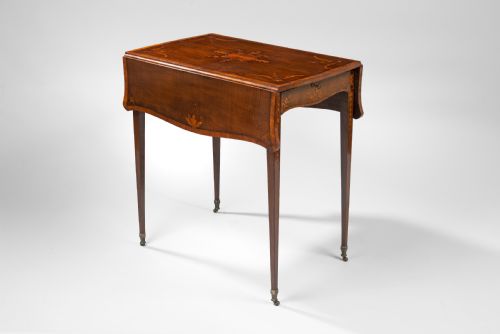


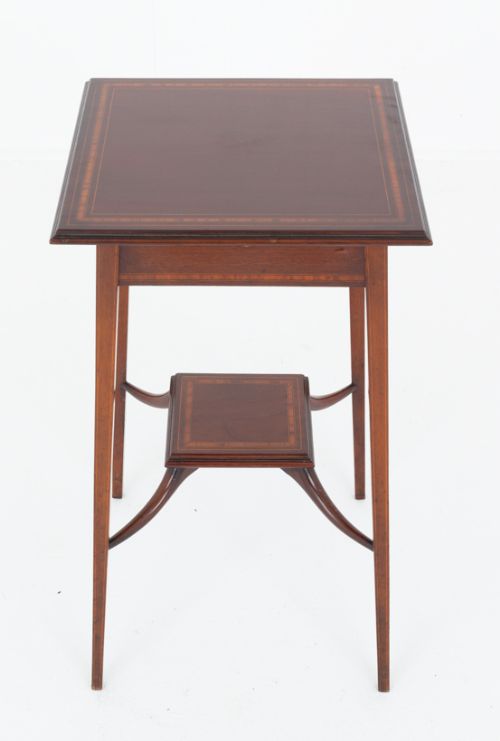
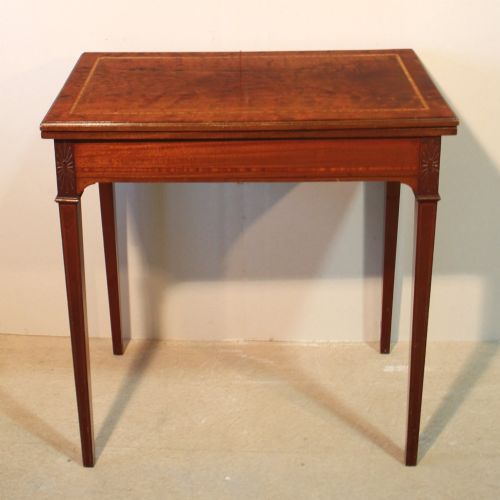


Edwardian Square Tapered Table
These edwardian square tapered table pieces combine refined timber and delicate inlay, offering timeless elegance and practical utility for modern interiors.
Edwardian Square Tapered Table
An edwardian square tapered table encompasses occasional tables, card tables, lamp tables, and nesting sets grounded in Edwardian, Victorian, and earlier revival aesthetics. You are most likely to encounter Edwardian mahogany and satinwood examples featuring classic inlaid details.
The selection extends from compact lamp tables to folding card tables and nests of four, reflecting the versatile furnishing needs of British homes across the late nineteenth and early twentieth centuries.
How they were made
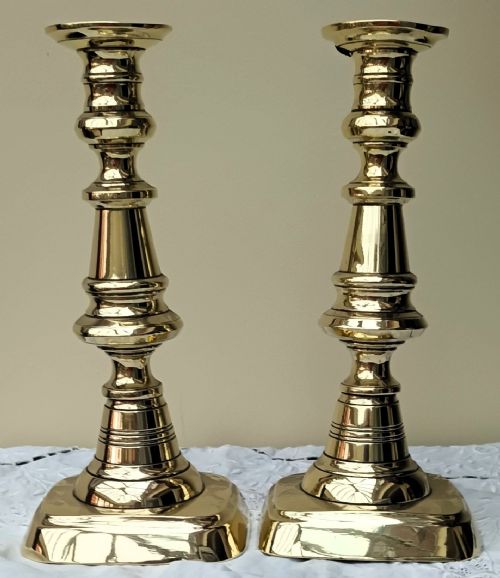
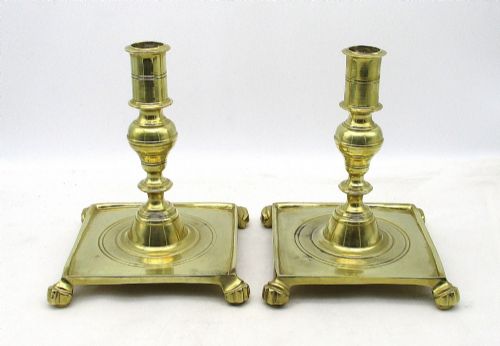
Craftsmen built these tables primarily using mahogany and satinwood, frequently enhanced with boxwood, harewood, and intricate wood inlay or satinwood cross banding. Brass elements appear on associated items like candlesticks.
Joinery focused on structural integrity and refined surface decoration, uniting traditional timber framing with precise marquetry and banded borders.
Edwardian Square Tapered Table Retail Price Guide 2026
Typical asking prices for edwardian square tapered table among the pieces listed under this phrase on Sellingantiques today, from the lower quarter to the upper quarter. They describe what is for sale here now, not the wider market.
Materials appearing across the inventory include solid mahogany, satinwood, boxwood, harewood, and brass.
What varies in quality
Quality rests in the precision of the timber selection, the crispness of the boxwood and satinwood inlay, and the overall balance of the proportions. Finer examples display meticulous cross banding and harmonious grain patterns across the primary surfaces.
Construction standards differ between standard production items and pieces exhibiting superior cabinetmaking, particularly in the sharpness of the tapered legs and the seamless integration of decorative stringing.
Frederick J Smith & Co·Robson & Sons
The Edwardian Square Tapered Table Glossary
- Tapered leg
- A support column that diminishes in thickness toward the base. This profile defines the classic light silhouette characteristic of late Georgian and Edwardian revival furniture.
- Cross banding
- A narrow strip of veneer laid across the grain of the main surface. It creates a neat framing border around the top of a table.
- Marquetry
- Elaborate decorative patterns formed by the insertion of various woods into a veneer. It adds pictorial or geometric richness to table tops.
- Pembroke table
- A small drop-leaf table with hinged flaps on two opposite sides. It provides adaptable surface area while remaining compact when folded.
Edwardian Square Tapered Table: Frequently Asked Questions
What is an edwardian square tapered table?
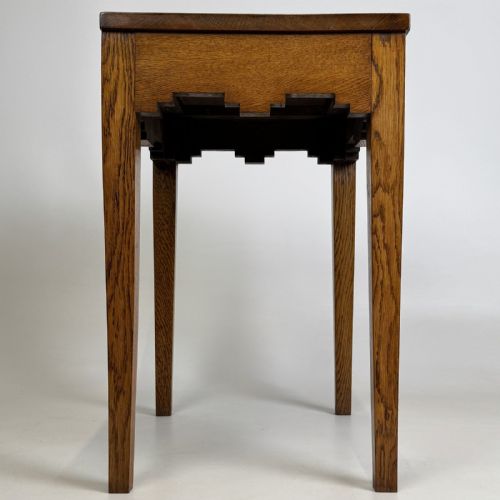
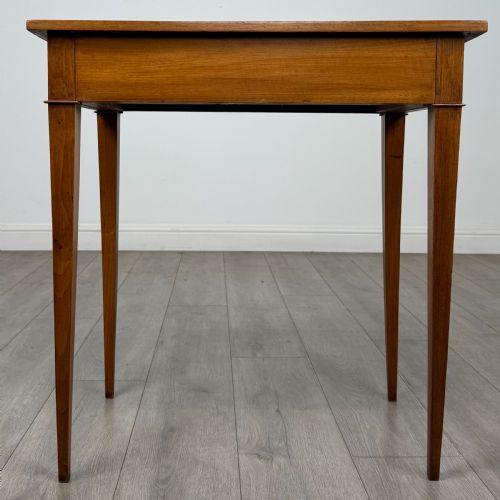
An edwardian square tapered table is a light occasional or card table produced during the early twentieth century or within revival periods. These pieces utilise straight, downward-narrowing legs for a graceful stance.
They serve as functional side tables, lamp stands, or gaming surfaces, blending understated form with decorative timber inlays.
How were these tables used?
Original owners placed these tables in parlours and drawing rooms to hold lamps, display decorative objects, or support cards and games. Their portable scale allowed them to be moved easily around the home.
Today, they function brilliantly as bedside stands, hallway lamp tables, or flexible surfaces in compact living spaces.
How do I identify Edwardian pieces?
Edwardian items often feature lighter timbers such as satinwood and mahogany, frequently combined with delicate boxwood stringing and inlay work. The overall aesthetic borrows heavily from Sheraton and Hepplewhite design vocabulary.
Construction methods from this period show machine-assisted precision alongside traditional hand-finishing, distinguishing them from heavier Victorian precedents.
What woods are common?
Mahogany forms the primary carcass and framing material for the majority of these tables, valued for its rich tone and stability. Satinwood provides a bright, contrasting pale surface frequently utilised for panels and decorative banding.
Additional detailing relies on boxwood, harewood, and various contrasting veneers to create crisp geometric borders.