



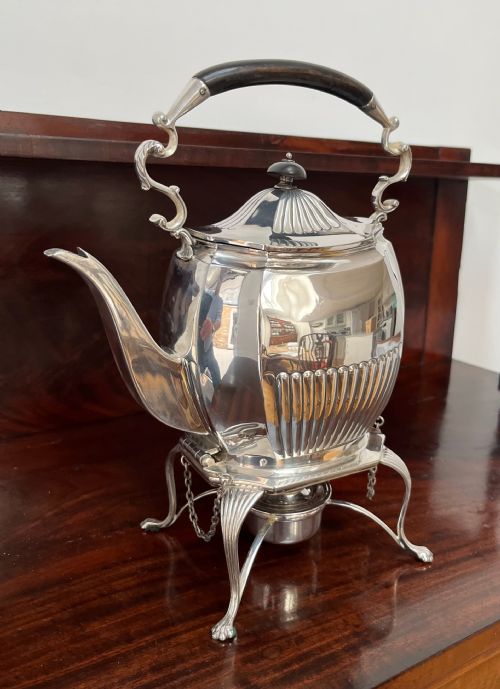


Edwardian Silver Urn
When you handle an Edwardian silver urn, you are holding the heavy, formal vessel that anchored the late afternoon tea table.
Edwardian Silver Urn
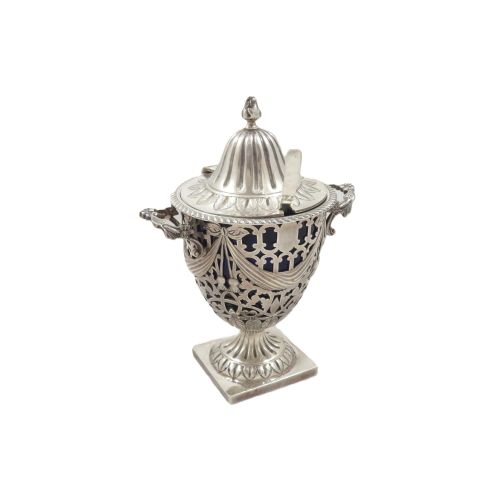
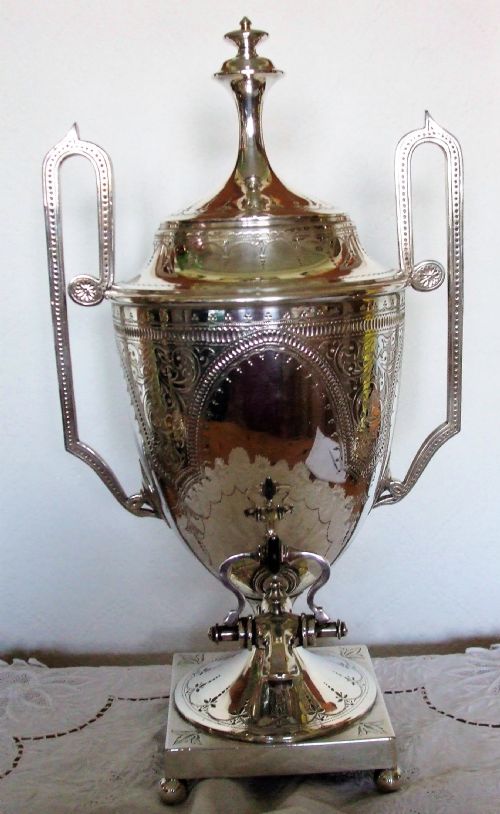
An edwardian silver urn is a substantial vessel designed for water heating, tea service, or decorative pot pourri. The pieces on this page span the heavy silver plated samovars of large households and smaller sterling silver sugar baskets or tea caddies shaped in the classical urn silhouette.
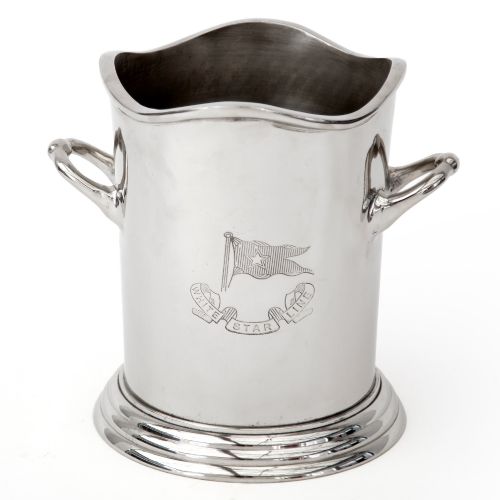
Most examples originate from the Edwardian period or the early twentieth century, drawing heavily on Neoclassical and Georgian revival motifs. You will also encounter spirit kettles on stands and wine coolers that share the prominent handles, pedestal bases, and urn proportions characteristic of the era.
How they were made
Makers utilised sterling silver and heavy silver plate over base metals, often mounting the bodies on cast stands complete with spirit burners and ebony or bone insulators. Interiors frequently featured cobalt glass liners or gilt washes to protect the metal from tea and boiling water.
Construction combined stamping, spinning, and hand-chasing, with handles and spigots securely soldered or riveted to the main body. The surfaces display plain polished finishes, engine-turned patterns, or crisp neoclassical borders cast in relief.
Edwardian Silver Urn Retail Price Guide 2026
Typical asking prices for edwardian silver urn among the pieces listed under this phrase on Sellingantiques today, from the lower quarter to the upper quarter. They describe what is for sale here now, not the wider market.
Listings feature sterling silver and silver plate alongside mahogany, ebony, bone, and cobalt glass.
What varies in quality
Quality rests in the weight of the metal, the crispness of the cast mounts, and the integrity of the silver plating over the underlying base metal. Substantial gauge sterling or thick silver plate ensures the body retains its structural rigidity around handles and spigots.
The sophistication of the maker's hand separates standard production items from distinguished silversmith output. Finely pierced galleries, secure ivory or ebony insulators, and well-balanced stands elevate the piece above domestic utility.
Walker & Hall·Goldsmiths and Silversmiths Co·Fenton Brothers·Comyns·James Dixon & Sons·C.E. Turner·Nathan & Hayes·Stewart Dawson & Co Ltd·Loetz Witwe·Asprey
The Edwardian Silver Urn Glossary
- Samovar
- A large heated metal container traditionally used to boil and heat water for tea. These large urns often feature a central internal heating tube and a spigot near the base.
- Spirit Kettle
- A small water kettle mounted on a metal stand with an integrated spirit burner underneath. They allowed hot water to be maintained at the tea table.
- Silver Plate
- A thin layer of pure silver bonded to a base metal such as copper or Britannia metal. This technique provided the appearance of solid silver at a lower cost.
- Neoclassical
- A style reviving classical Roman and Greek architectural motifs. It manifests on these vessels through urn shapes, swags, fluting, and slender pedestal bases.
- Pot Pourri
- A mixture of dried petals and spices kept in a decorative perforated container. Urn and box forms were specifically adapted to diffuse these scents.
Edwardian Silver Urn: Frequently Asked Questions
How were edwardian silver urns used?
These vessels served primarily to hold, heat, or dispense water during formal tea service. Larger samovars sat on sideboards to supply hot water, while smaller urn-shaped caddies and sugar baskets held dry leaves or sweeteners.
Some variants functioned as decorative pot pourri holders or wine coolers. Their presence added visual symmetry and domestic luxury to late nineteenth and early twentieth century drawing rooms.
Are these pieces sterling silver or silver plate?
The inventory includes both sterling silver and silver plated examples. Sterling pieces bear British hallmarks indicating the purity of the silver and the assay office.
Silver plated items feature a durable coating of silver over base metals like copper or nickel alloy. Maker marks often help distinguish between solid metal and plated wares.
How do I care for silver urns?
Clean the exterior gently with a quality silver cloth to preserve the finish without stripping thin plating. Avoid abrasive cleaners that scratch soft silver and exposed base metals.
Keep glass and wooden components dry during cleaning. Store them in stable environments away from high humidity to prevent tarnish.
How do I identify the edwardian period?
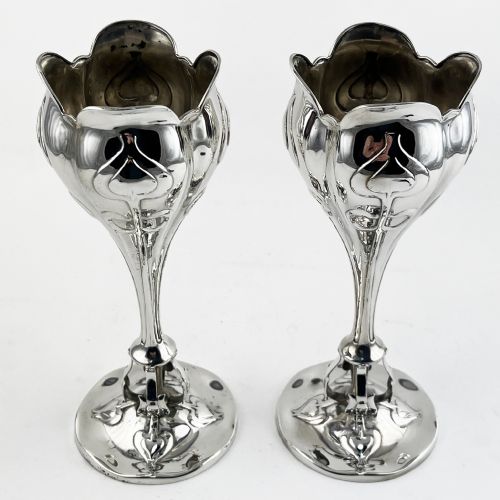
Look for hallmarks containing date letters specific to the reign of Edward VII between 1901 and 1910. The stylistic markers lean heavily toward neoclassical revival and early art nouveau.
Construction methods transition into mass production while retaining hand-finished details. Maker marks stamped into the base offer definitive attribution.