

Edwardian Silver Tabletop Frame
These edwardian silver tabletop frame selections bring period charm to interiors, holding cherished portraits behind glass.
Edwardian Silver Tabletop Frame
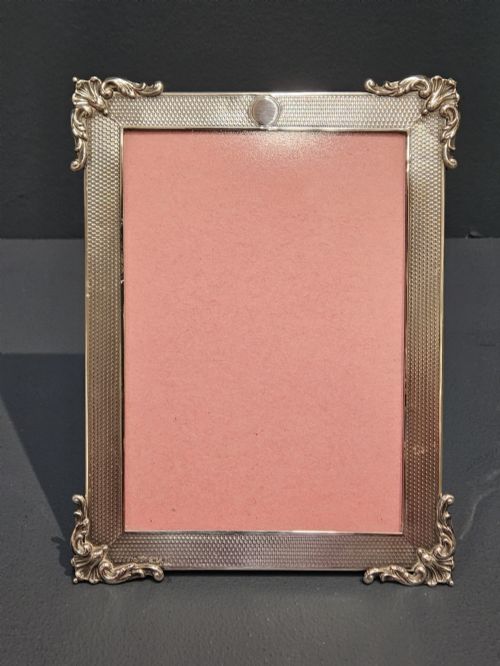
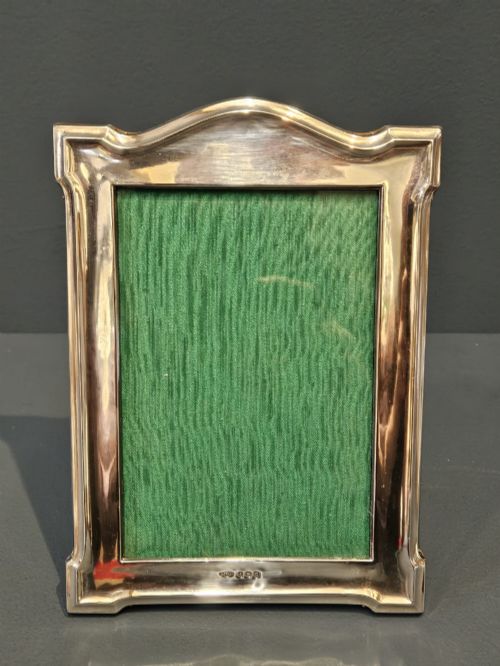
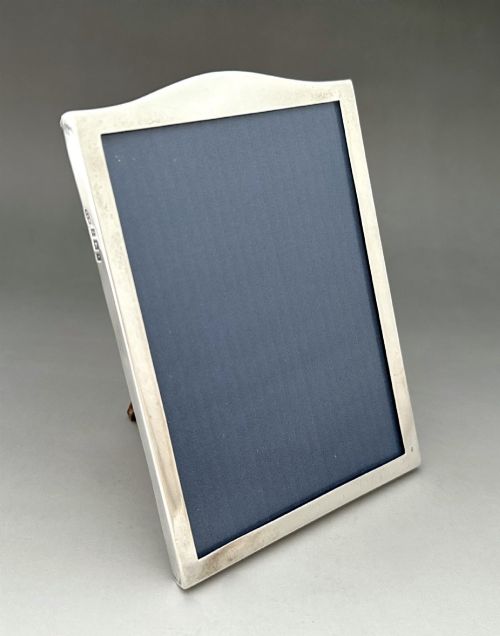
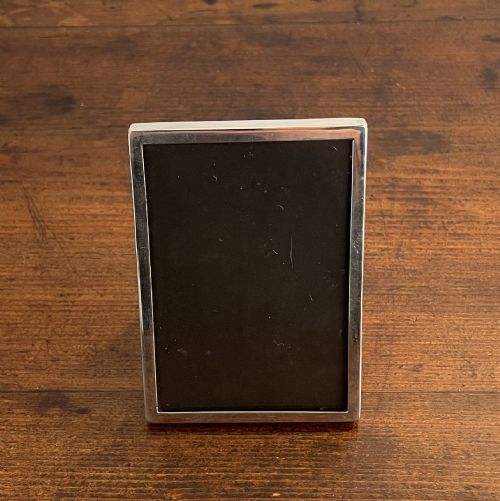
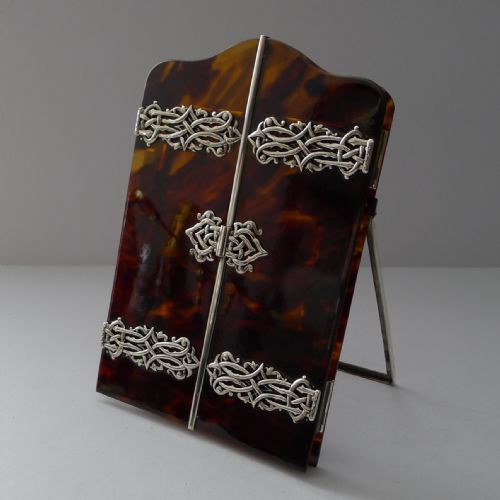
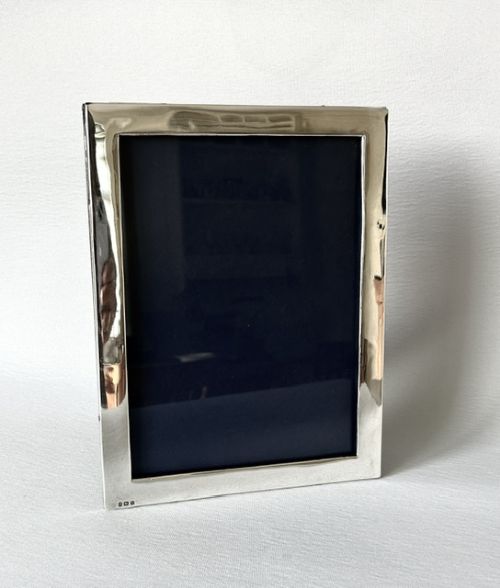
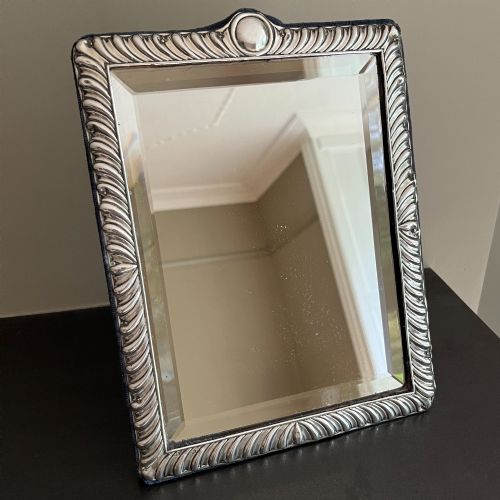
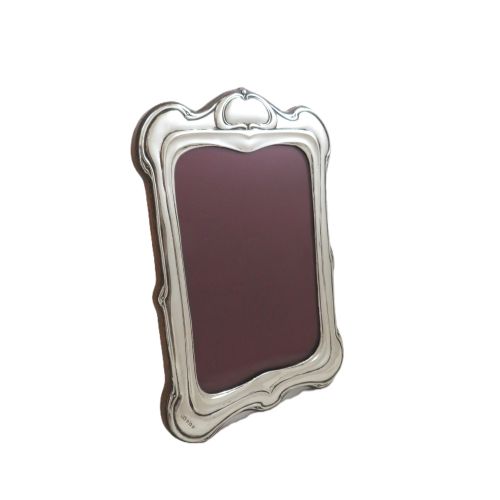
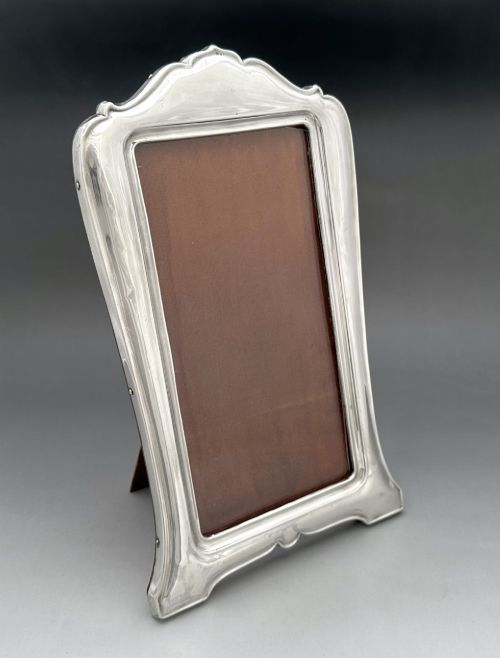
An edwardian silver tabletop frame is a desk or mantel accessory designed to display portrait photographs or small mirrors upright. The pieces appearing here encompass Edwardian examples alongside Victorian, George V, and Art Deco designs produced across the late nineteenth and early twentieth centuries.
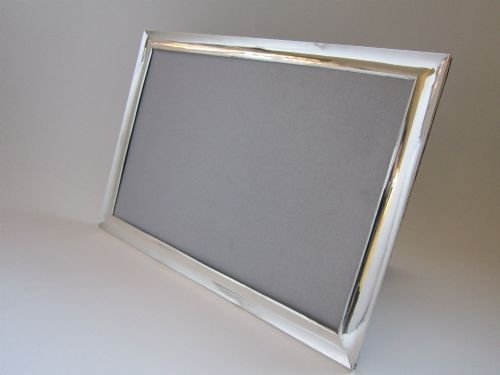
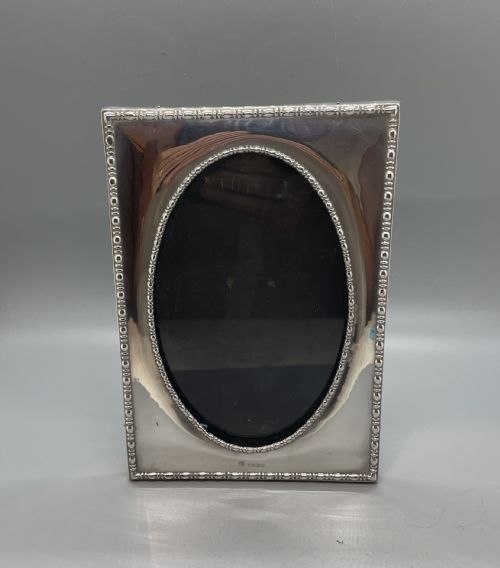
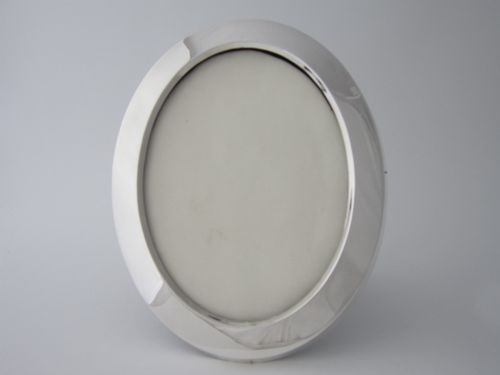
Buyers encounter picture frames, photograph frames, and dressing table mirrors in various dimensions, from small personal items to large display pieces. Formats span simple rectangular shapes, ovals, hearts, and triptych mirrors supported by rear struts.
Origins include domestic production marked in cities such as Birmingham, Sheffield, Chester, and London. Alongside sterling silver items, related silver plated wares and condiment sets appear within the selection.
Materials and construction
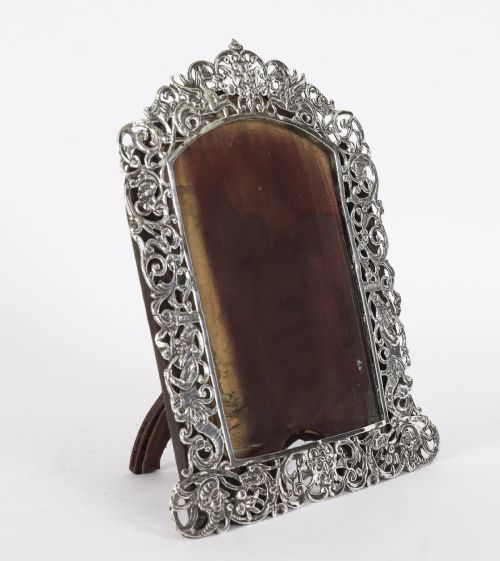
Makers shaped sterling silver and silver plate into decorative borders, mounting the metal over wooden carcasses or backing panels. Interiors typically utilise timber supports covered in velvet, silk, or fabric, finished with a hinged strut for tabletop placement.
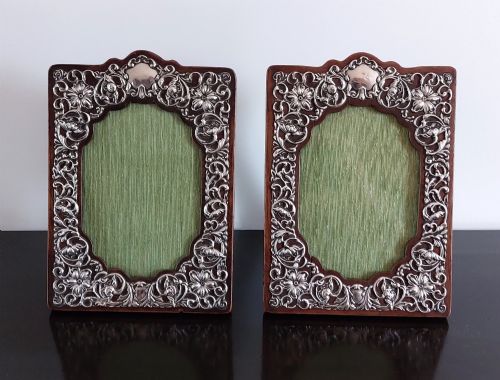
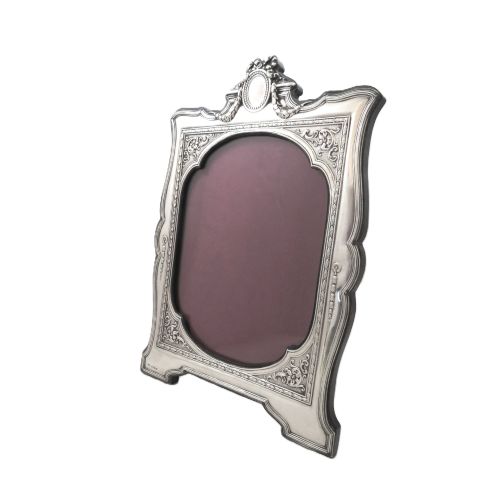
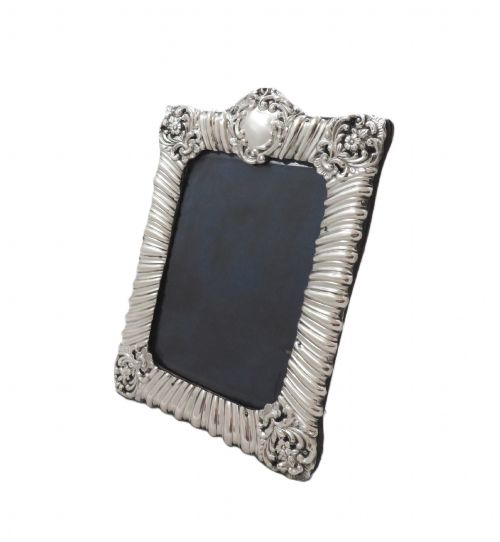
Protective glazing employs cut glass panes fitted directly over the photographic aperture. Decoration relies on metal engraving, repoussé motifs including cherubs, butterflies, and bows, or applied stylistic elements from the Art Nouveau and Art Deco periods.
Edwardian Silver Tabletop Frame Retail Price Guide 2026
Typical asking prices for edwardian silver tabletop frame among the pieces listed under this phrase on Sellingantiques today, from the lower quarter to the upper quarter. They describe what is for sale here now, not the wider market.
Several frames feature delicate metal bows and sculpted cherubs frozen mid-flutter atop the silver border.
Distinctions in quality
Quality rests upon the crispness of the silver stampings, the weight of the metal used in the border, and the integrity of the original wooden backing and velvet or silk lining. Pieces retaining clear city hallmarks and maker marks demonstrate superior craftsmanship.
Subtleties in artistic style, such as hand-engraved detailing or sculptural elements like ribbons and cherubs, elevate standard utilitarian frames into decorative works of the period.
Rosenthal, Jacob and Company·Henry Matthews·WMF·Hardy Brothers·Deakin and Francis
The Edwardian Silver Tabletop Frame Glossary
- Strut
- The hinged wooden or metal support attached to the back of a frame that allows it to stand upright on a table. It is frequently covered in velvet or fabric.
- Hallmark
- A series of official marks stamped on precious metals indicating the maker, assay office, and year of testing. Birmingham, Sheffield, Chester, and London are common assay locations.
- Sterling silver
- An alloy containing ninety-two point five percent silver by mass, forming the primary metal body of these antique frames. It provides a bright surface for decorative engraving.
- Silver plate
- A thin layer of silver applied over a base metal foundation. It offers the visual appearance of solid silver at a different tier of production.
- Triptych
- A three-panel folding frame or mirror assembly hinged together. This format allows multiple sections to angle inward on a dressing table.
Edwardian Silver Tabletop Frame: Frequently Asked Questions
How do I clean the silver frame safely?
Use a soft microfiber cloth designed for precious metals to gently remove tarnish from the sterling silver border. Avoid applying liquid polish directly near the fabric backing or glass interface.
Keep moisture away from the wooden interior and velvet or silk components to preserve the structural integrity of the antique backing materials.
Can I replace the photograph inside?
Most frames feature removable wooden backs secured by small metal tabs or pins that lift away to grant access to the glass interior. Exercise care when bending these aged metal fixings.
Insert the new portrait behind the glass pane and secure the backing firmly against the velvet or fabric lining to maintain proper pressure.
How do I date an unmarked piece?
Examine the style of the metalwork, such as flowing Art Nouveau floral lines or geometric Art Deco borders, alongside the construction of the wooden back and strut. Comparing the decorative motifs provides a general period attribution.
Look closely for faint hallmarks stamped near the outer edge of the silver border, which indicate the exact assay office and year of creation.
Are these frames sturdy enough for daily use?
These pieces function well on stable tabletops, desks, or mantelpieces where foot traffic or vibrations remain minimal. The rear strut supports the weight of the glass and metal safely under normal conditions.
Handle the frames by the outer borders rather than the hinged struts when repositioning them to prevent strain on the antique joints.