



Edwardian Silver Swan
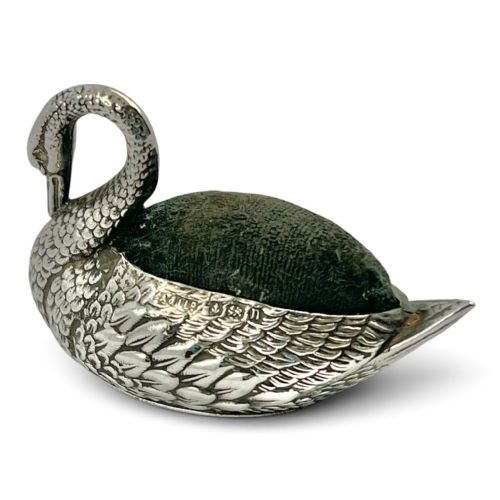
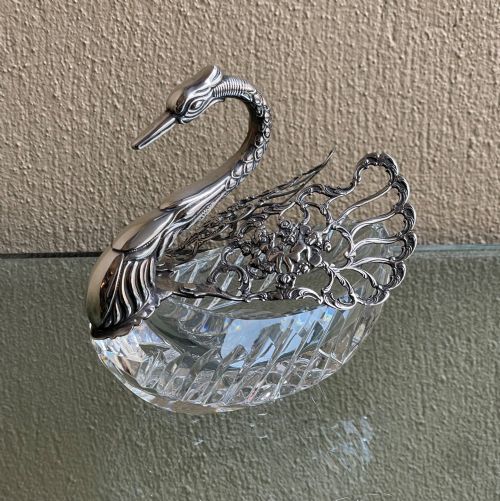
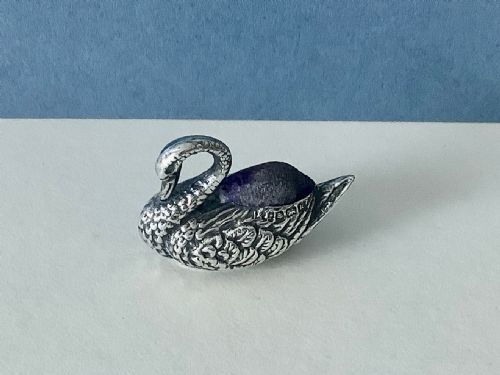
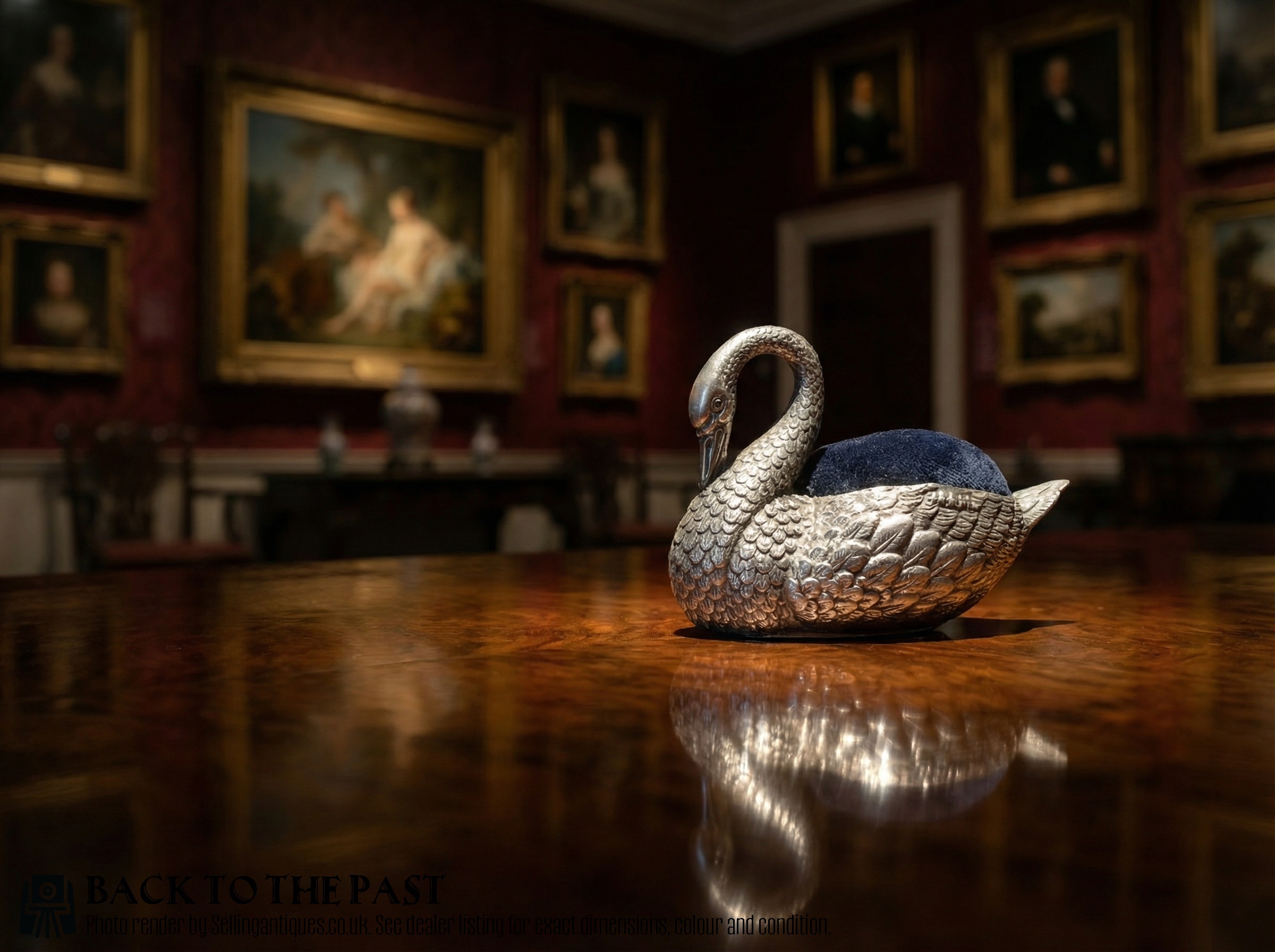
These edwardian silver swan pieces are delightful novelty items and desk accessories created primarily as detailed pin cushions during the early twentieth century.
Edwardian Silver Swan
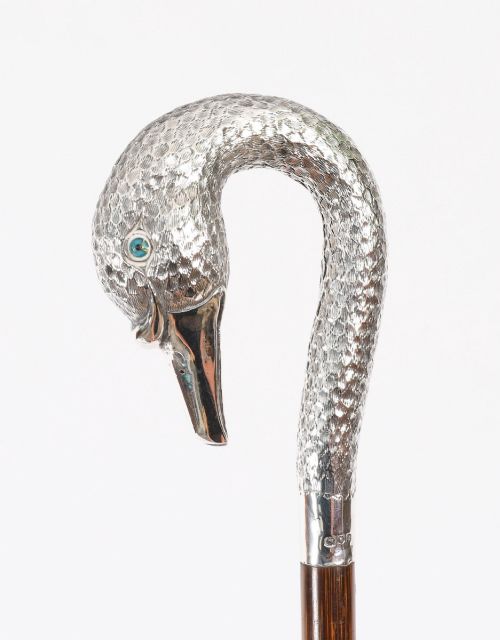
Most examples originate from the Edwardian period, specifically bearing hallmarks from Birmingham between 1900 and 1912. Alongside these pin cushions, collectors encounter occasional tableware and accessories such as toastracks, ribbon threaders, and walking stick handles.
Makers utilised the avian form to combine practical utility with decorative appeal, resulting in sculptural pieces that served as functional items for sewing and dining. The smaller miniatures remain the most frequently encountered format on the market.
How they were made
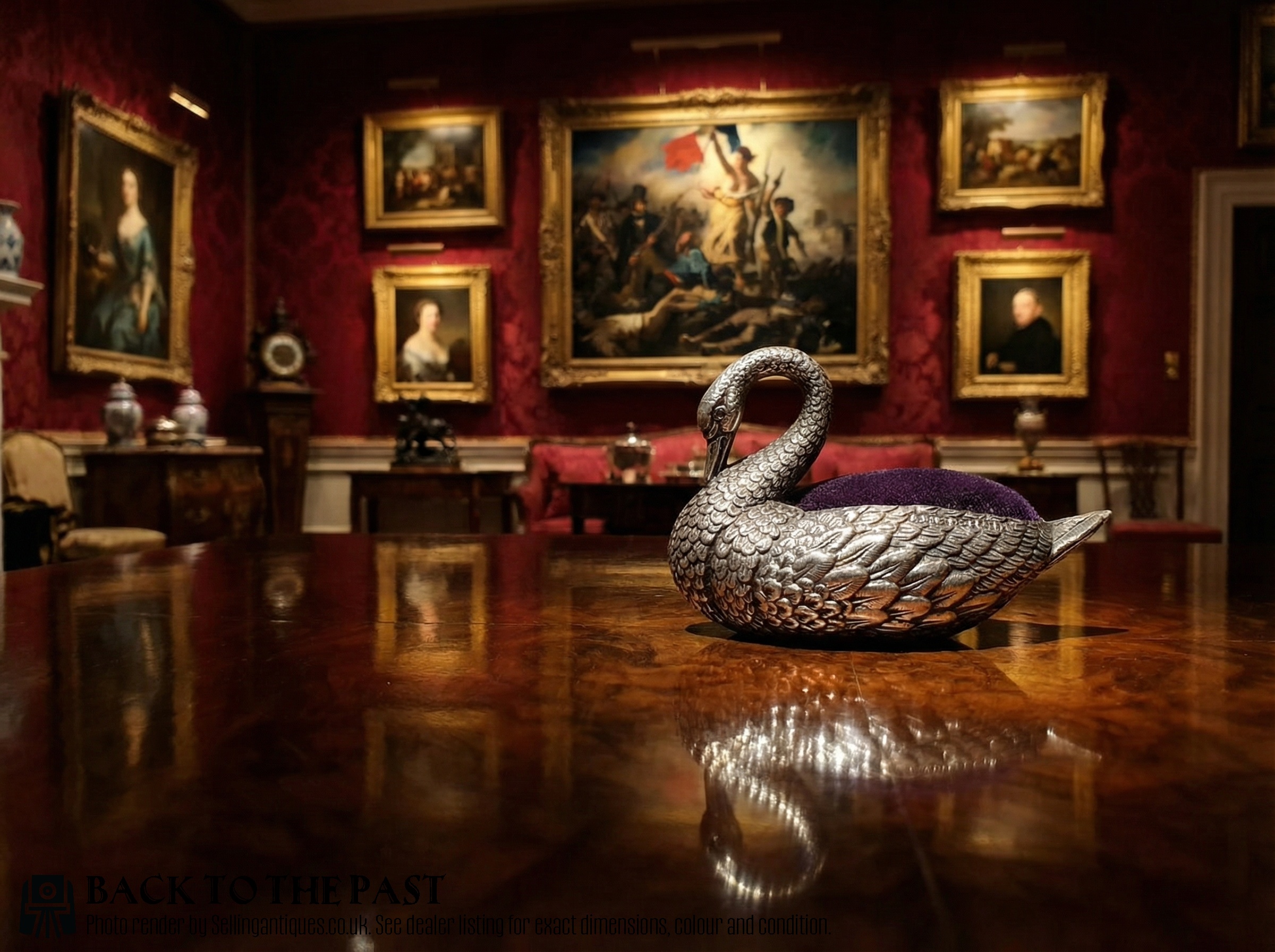
Silversmiths formed these figural pieces using sterling silver, often shaping the bodies through casting and repoussé techniques to capture feather details and curved necks. Velvet inserts were then fitted into the silver frames to serve as the functional pin cushion.
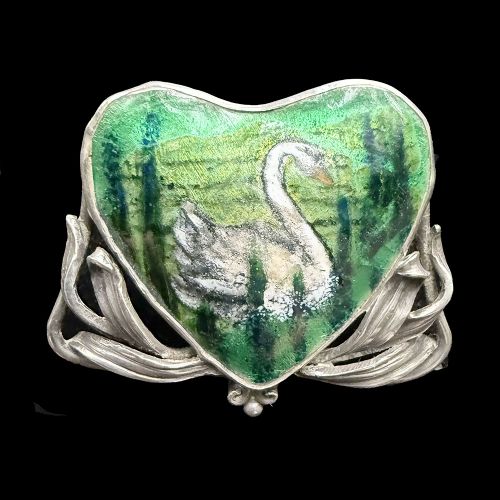
Makers combined silver with materials like cut glass, enamel, and crystal for dishes and brooches, while other items incorporated hardwood or brass bases. Birmingham assay offices stamped these creations with hallmarks denoting the year and sterling standard.
Listings for this phrase feature sterling silver pin cushions alongside cut glass dishes, enamel brooches, and brass floor lamps.
What varies in quality
The distinction between standard production and superior craftsmanship lies in the crispness of the feather chasing and the proportion of the bird's posture. Finer examples display intricate feather engraving and substantial silver weight rather than thin metal pressing.
Makers' marks significantly influence the standing of a piece, with documented workshops commanding greater interest for their sharp casting and clear hallmarks. The original velvet padding also contributes to the integrity of surviving pin cushions.
The Boots Company·Adie & Lovekin·Levi & Salaman·Britton Gould & Co
The Edwardian Silver Swan Glossary
- Hallmark
- Official stamps applied by an assay office to indicate the metal purity, origin city, and year of manufacture. These small stamped symbols provide the primary method for dating Edwardian silver.
- Repoussé
- A metalworking technique where the silversmith hammers the metal from the reverse side to form a raised design in relief. This method created the textured feather patterns on the swan bodies.
- Pin Cushion
- A small stuffed pad designed to hold pins and needles safely during sewing. In this context, the cushion fits securely inside the hollow silver body of the bird.
- Novelty
- An object designed in a whimsical or amusing shape rather than a standard utilitarian form. Edwardian silversmiths specialised in animal novelties for domestic use.
Edwardian Silver Swan: Frequently Asked Questions
What were edwardian silver swan pin cushions used for?
These decorative items sat on dressing tables and writing desks to hold sewing pins securely within a fabric insert housed inside the silver body. They combined practical utility with ornamental charm for the Edwardian home.
Ladies utilised them during needlework, making them both functional tools and conversation pieces for the boudoir.
How do I date an edwardian silver swan?
Dating relies on the assay office marks and date letters stamped directly onto the silver surface by the maker. Birmingham hallmarks are most common for these figural pieces.
Consulting standard silver date tables allows you to match the specific letter stamp to the exact year of production.
Are all these swans made of solid silver?
Most pieces carry hallmarks indicating sterling silver standard, though variations exist across different object types. Some items incorporate silver plate, nickel plated brass, or mixed media components like cut glass and enamel.
Inspecting the hallmarks and base materials helps confirm the exact metal composition of each piece.
What other items feature the swan motif?
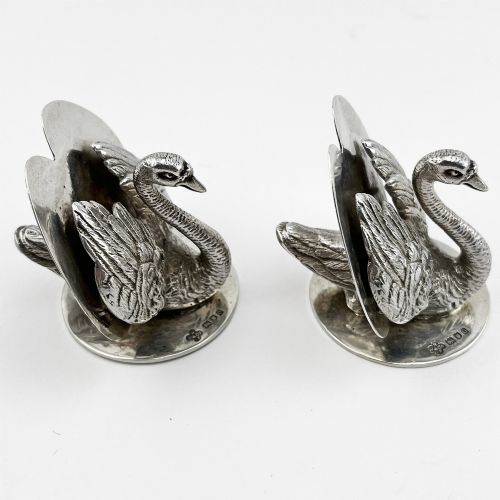
Beyond pin cushions, silversmiths applied the swan design to menu holders, brooches, toastracks, ribbon threaders, and decorative dishes. Walking sticks and canes also incorporated figural handles.
These diverse objects demonstrate the popularity of avian themes across various domestic categories of the era.