

Edwardian Silver Portrait Frame
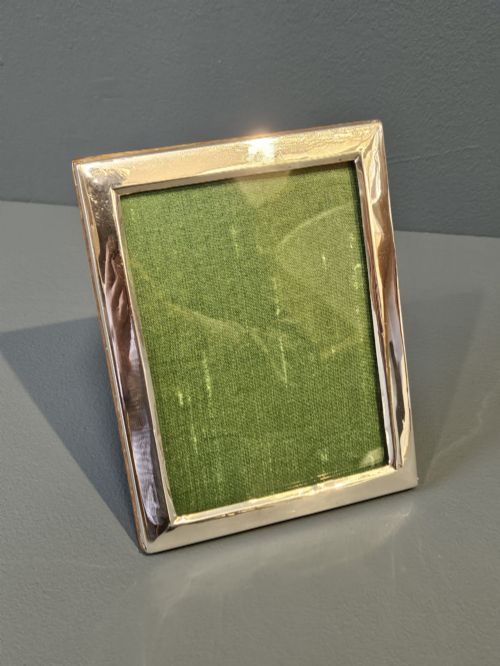
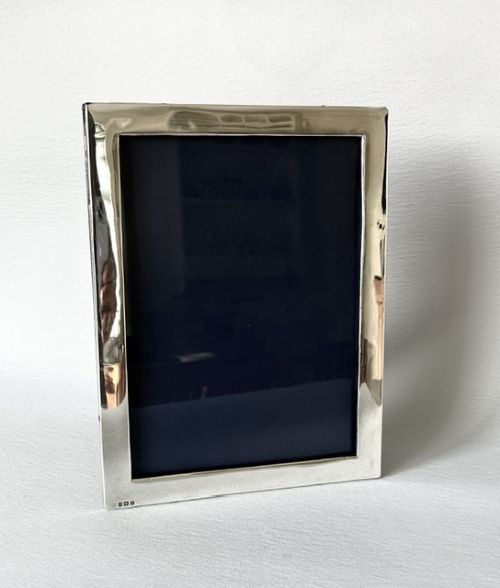
These pieces are edwardian silver portrait frame examples, designed to hold personal likenesses and bring refined metalwork into domestic interiors.
Edwardian Silver Portrait Frame
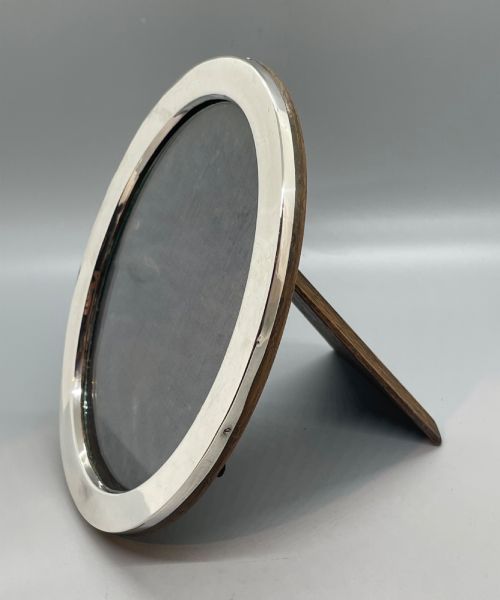
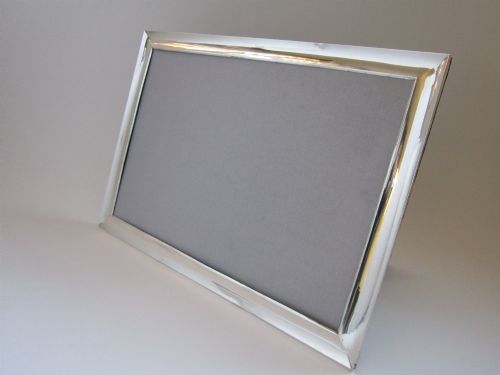
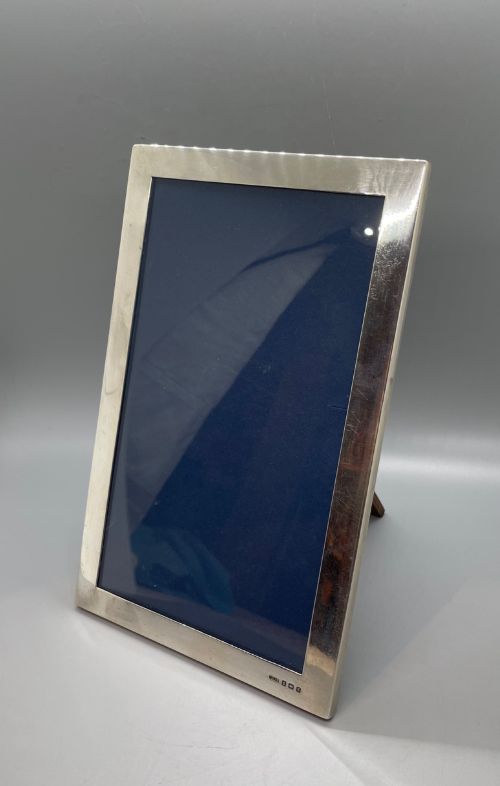
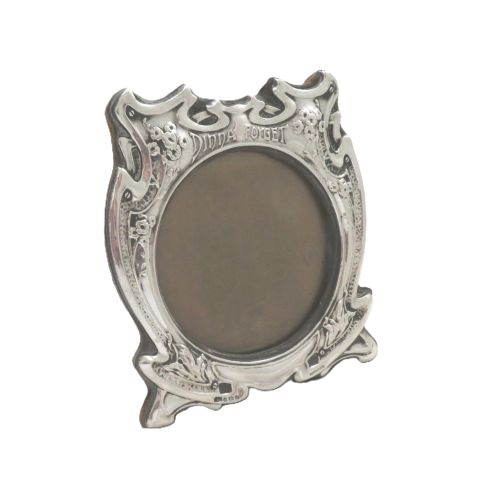
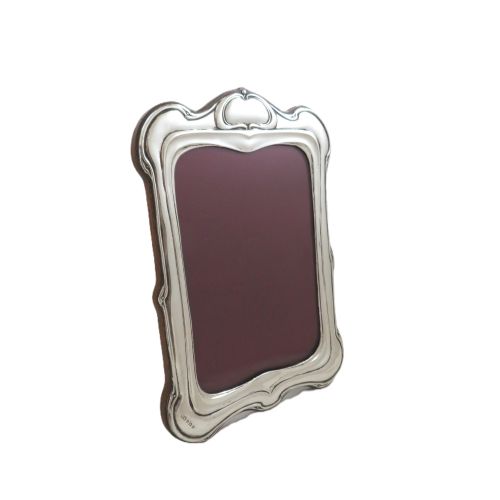
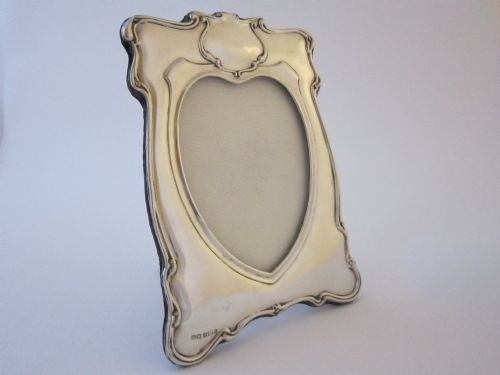
An edwardian silver portrait frame is designed to display photographic likenesses or miniatures on tables and desks. These objects emerge primarily from the Edwardian period, alongside related examples from Victorian, George V, and Art Deco eras.
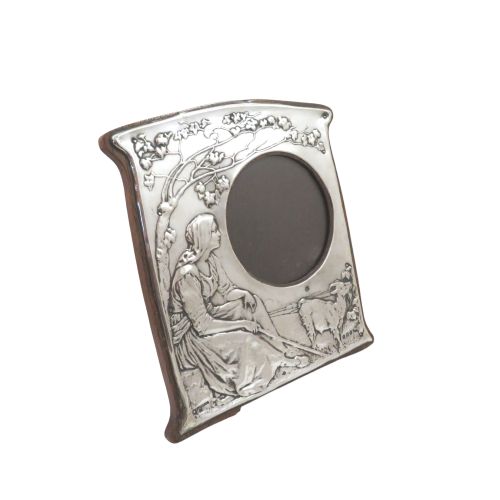
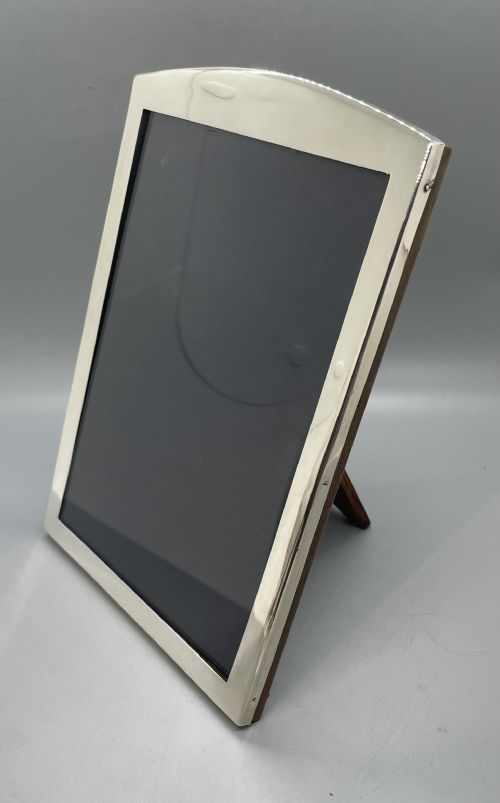
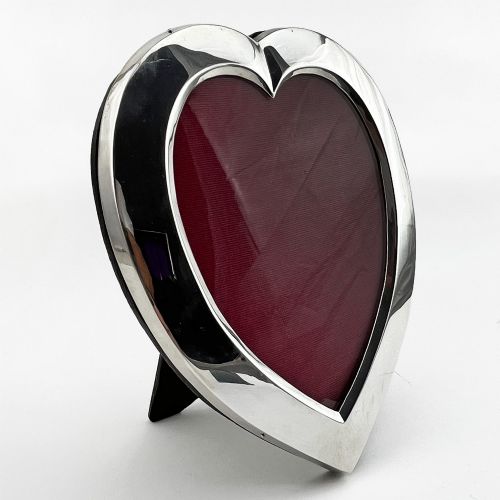
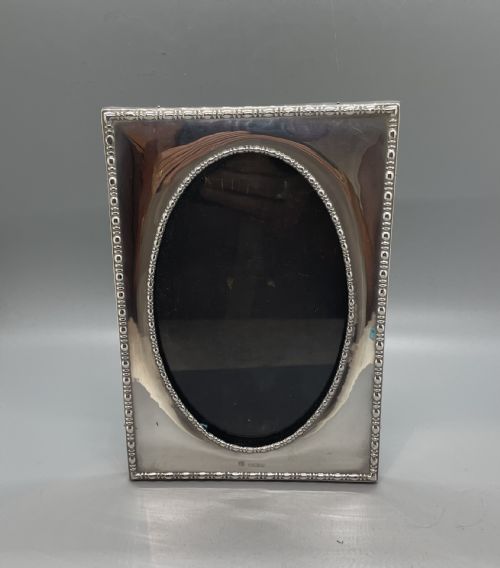
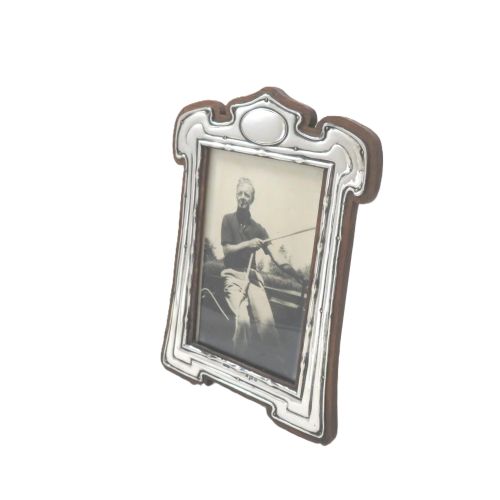
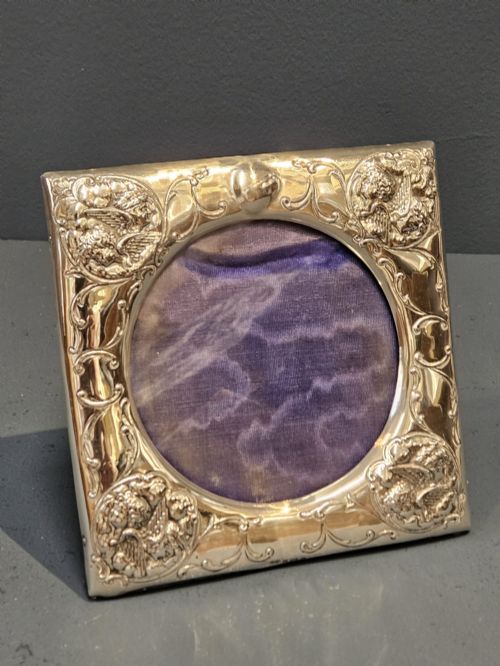
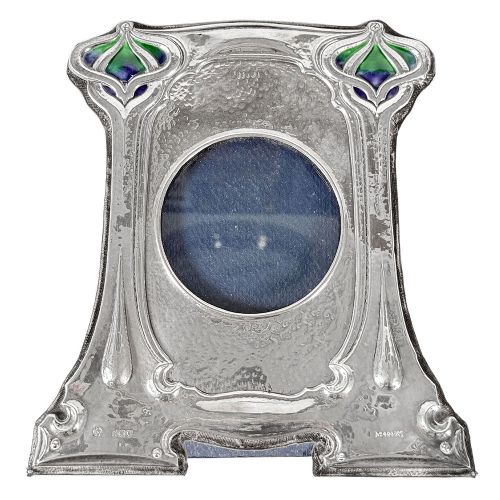
The forms span heart shapes, ovals, and rectangles, configured for both portrait and landscape orientation. Common variants include embossed floral borders, plain edges, and distinct styles such as Art Nouveau and Arts and Crafts.
Makers produced these pieces in standard table sizes as well as miniature formats, sometimes incorporating wooden backs and structural supports.
Materials and Technique
Silversmiths utilised sterling silver sheet metal, shaping the metal through pressing, stamping, and embossing to create detailed borders and decorative motifs. Enamel work and applied glass also appear on select variants.
The silver fronts are mounted onto wooden backings, frequently utilising oak, fitted with hinged struts and glazed with glass to protect the portrait inside. Velvet and fabric linings often cover the interior support elements.
Listings incorporate sterling silver, wood, glass, velvet, oak, and enamel across multiple stylistic revivals.
Quality and Construction
Subtlety of repoussé and embossed decoration distinguishes finer work, where floral and figurer motifs retain sharp definition rather than soft edges. The weight of the sterling silver sheet and the rigidity of the internal backing dictate durability.
Original wooden backs and intact glass inserts contribute to the integrity of an example. The quality of hallmarks and the precision of the mitred corners reflect the skill of the original workshop.
William Comyns·William Hutton and sons·W.I.Broadway and Co
The Edwardian Silver Portrait Frame Glossary
- Sterling silver
- A silver alloy containing 92.5 percent pure silver and 7.5 percent other metals, typically copper. This standard composition provides the necessary strength for intricate photograph frames.
- Repoussé
- A metalworking technique where the silversmith hammers the metal from the reverse side to form a raised design on the front. This method creates the characteristic floral and figural borders found on period pieces.
- Hallmark
- An official stamp applied by an assay office indicating the purity of the metal, the town of testing, and the date letter. British pieces commonly show marks from assay offices such as Birmingham and Sheffield.
- Strut
- The hinged wooden or metal support attached to the rear of the frame allowing it to stand upright on a surface.
- Portrait miniature
- A small, highly detailed painting or photograph, frequently housed within a dedicated silver frame or locket.
Edwardian Silver Portrait Frame: Frequently Asked Questions
How do I date a silver frame?
Dating relies on the assay office hallmarks stamped into the silver border, which include specific date letters corresponding to the year of testing. Stylistic indicators such as Art Nouveau whiplash lines or Edwardian floral embossing also point to specific decades.
Makers' marks provide further context when cross-referenced against historical silversmith records.
What sizes do these frames come in?
These pieces range from small miniature formats measuring a few inches to large display items exceeding ten inches in length. Both portrait and landscape orientations appear across the selection.
Heart shapes and circular variants offer alternative proportions for smaller photographs.
How should I clean the silver?
Cleaning requires a soft microfibre cloth and a gentle, non-abrasive silver polish formulated to preserve thin metal layers and embossed details. Care must be taken to avoid applying moisture or cleaning agents to the wooden backs and fabric linings.
Regular, light dusting prevents the accumulation of tarnish without requiring heavy intervention.
Are the wooden backs original?
Many pieces retain their original oak or pine backings, often covered in velvet or fabric, complete with the functional hinged strut. Examining the fit against the silver rebate helps determine if the backing components match the period of the front.
Replacement backs do occur due to the fragile nature of nineteenth and early twentieth-century wooden supports.