




Edwardian Silver Plated Service
An edwardian silver plated service brings formal dining and tea rituals into the home with gleaming metal, engraved detail and fitted stands.
Edwardian Silver Plated Service
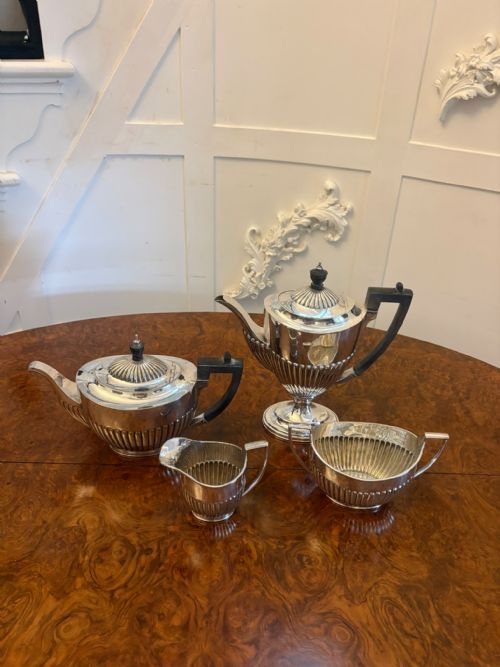
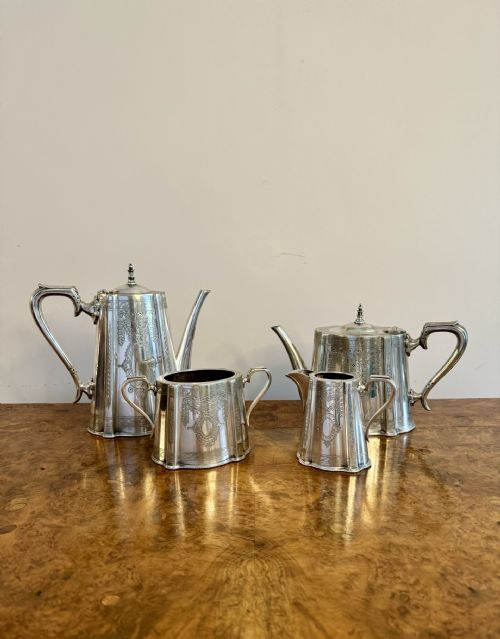
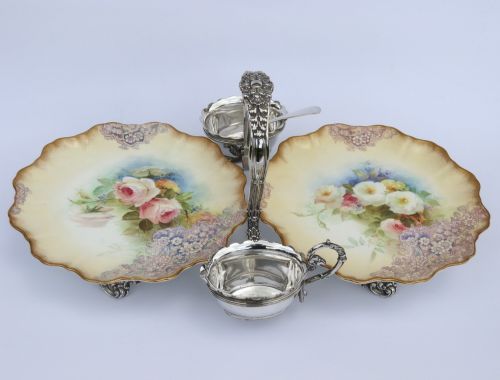
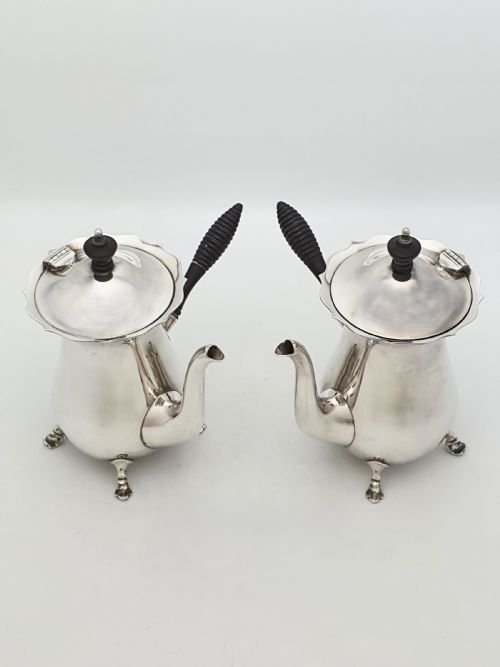
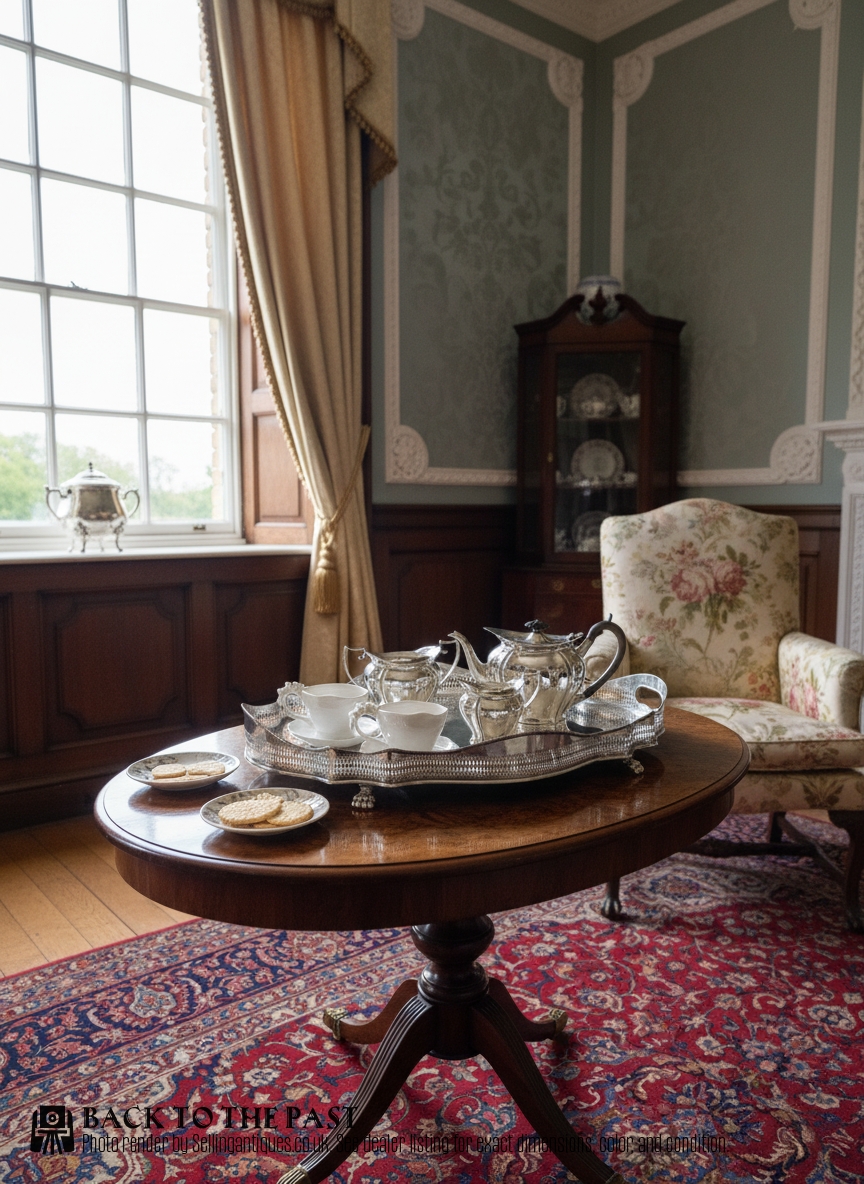
An edwardian silver plated service encompasses tea and coffee sets, cruet sets, spirit kettles and serveware produced during the early twentieth century. Tea sets and multi-piece services dominate the selection, frequently combining pots, sugar basins and cream jugs.
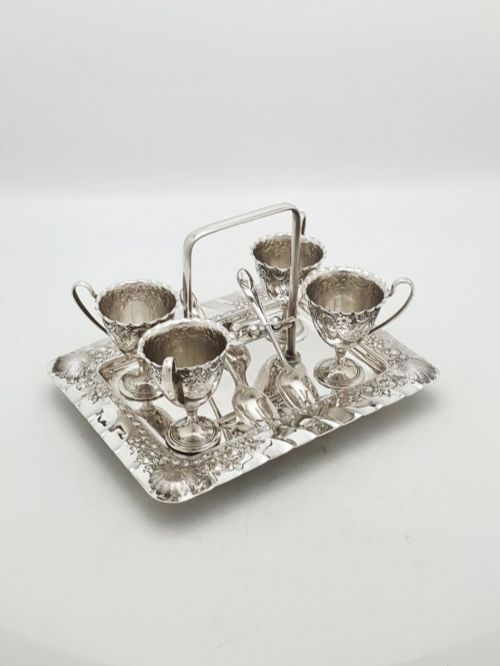
The objects span the Edwardian period alongside influences of Victorian revival and Edwardian Rococo revival styles. Makers also produced specialised dining items like egg cruet sets, sauce boats and spirit kettles on stands with burners.
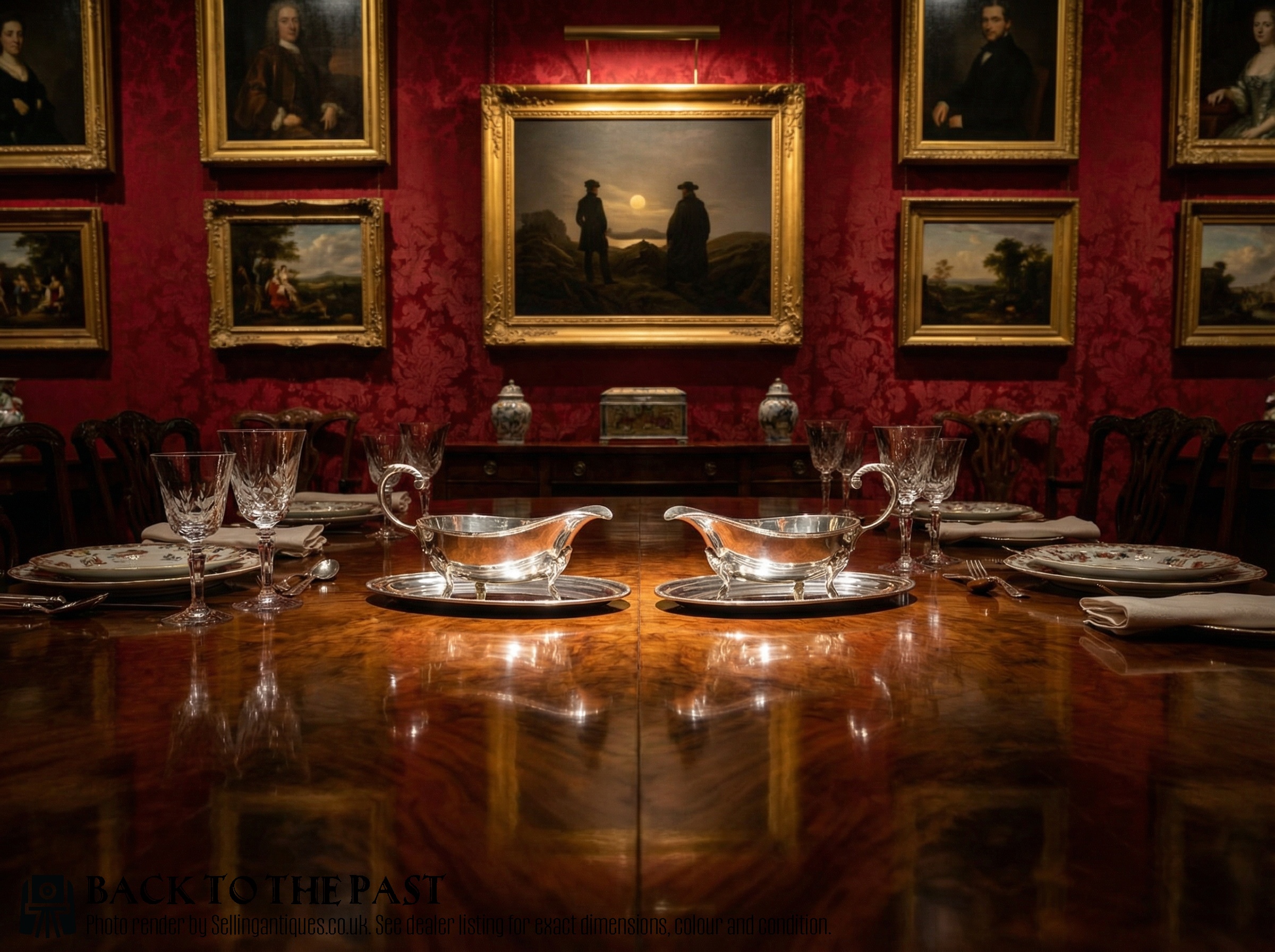
Materials and construction
These pieces utilise electroplated nickel silver or standard silver plate over base metals, combined with decorative elements in cut glass, ebony, ebonised wood and bone. Handles and finials often incorporate insulating materials to protect hands from heat.
Casting and embossing techniques create ornate surface decoration such as grapevine detailing, floral engraving and gallery rims. Cutlery sets and decanter services add fitted wooden canteens and crystal glass components.
Desk bells inscribed with Victorian-style design remind us that Edwardians rang for everything, even when the tea was already poured.
Design and weight
Quality rests in the heaviness of the silver plate and the crispness of the chased or engraved ornamentation. Superior sets display substantial metal weight rather than thin plating over base metal.
Maker attribution distinguishes standard production from notable workshops, while comprehensive matching sets command greater interest than assembled groups of mismatched items.
Walker and Hall·Doulton Burslem·Waring and Gillows·Mappin and Webb·Fenton Brothers
The Edwardian Silver Plated Service Glossary
- Silver Plate
- A thin layer of silver bonded to a base metal core such as nickel silver or copper. This technique allowed makers to produce domestic wares that offered the visual appeal of solid silver at a lower cost.
- Spirit Kettle
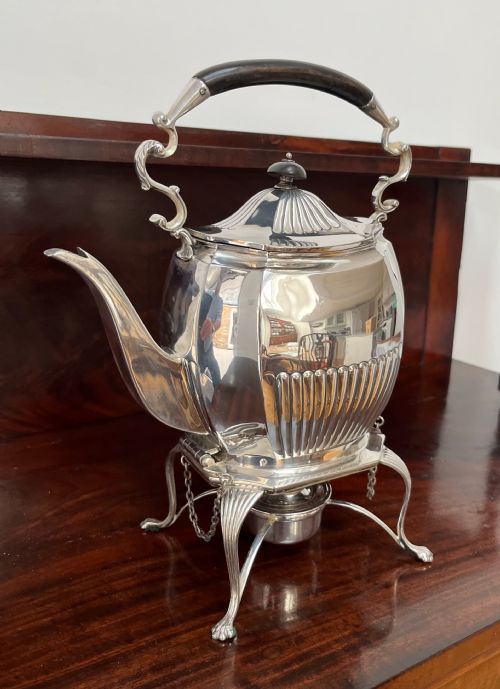
- A water kettle mounted on a metal stand above a small spirit burner. These vessels kept water hot during tea service in formal reception rooms.
- Cruet Set
- A matched collection of small condiment bottles or egg holders mounted in a frame. They held table seasonings or boiled eggs for breakfast service.
- Electroplated Nickel Silver
- An alloy of copper, nickel and zinc coated with a layer of pure silver through an electrical process. It provided a durable foundation for heavy dining services.
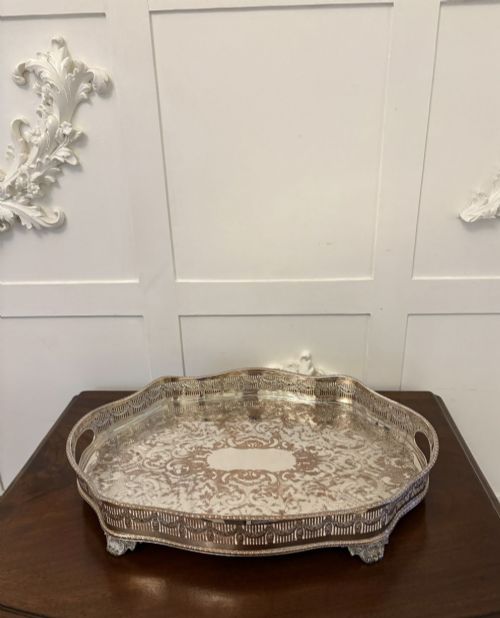
- Gallery Tray
- A serving tray featuring an openwork metal gallery or pierced railing around the perimeter. This rim kept glassware and teapots secure during carriage.
Edwardian Silver Plated Service: Frequently Asked Questions
How do I clean an edwardian silver plated service?
Clean silver plate using a specialised non-abrasive silver polish and a soft cloth to protect the plated layer from wear. Avoid harsh chemical dips that strip away the original finish.
Store pieces in dry conditions away from direct sunlight, and wrap components in anti-tarnish cloths if they remain unused for long periods.
Can I use these tea sets daily?
These items function well for occasional dining use provided you wash them by hand immediately after use. Hot liquids suit the teapots and spirit kettles, but dishwashers cause irreversible damage to the plate and insulating handles.
Inspect the interior of pots for residue buildup and rinse with warm water before and after each gathering.
How do I identify an edwardian piece?
Look for stylistic markers such as Edwardian Rococo revival curves, floral embossing, and maker stamps associated with early twentieth-century firms. Period materials like ebonised wood handles and cut glass inserts also point to this era.
Compare the form and decorative motifs against documented pieces from firms like Walker and Hall or Mappin and Webb.
What is a spirit kettle used for?
A spirit kettle boils or maintains the temperature of water at the tea table using a small under-mounted burner filled with methylated spirit. It allowed hosts to replenish teapots without leaving the room.
The kettle detaches from its metal stand for easy filling and cleaning.