

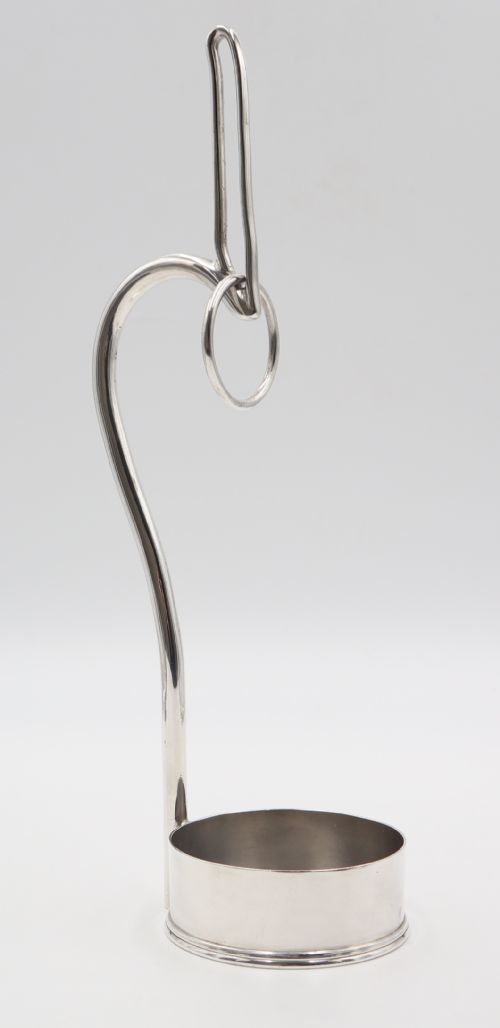
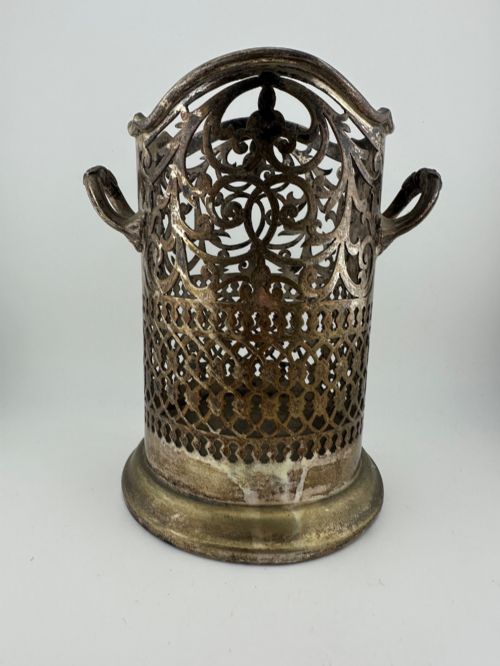
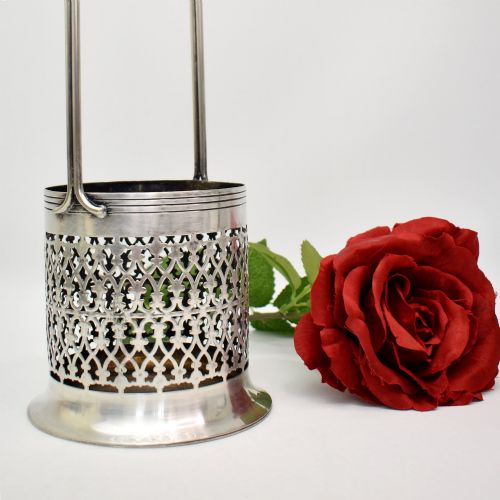


Edwardian Silver Plate Coaster
These edwardian silver plate coaster pieces bring tactile dining heritage to your table, combining metalwork and turned wood for practical bottle resting.
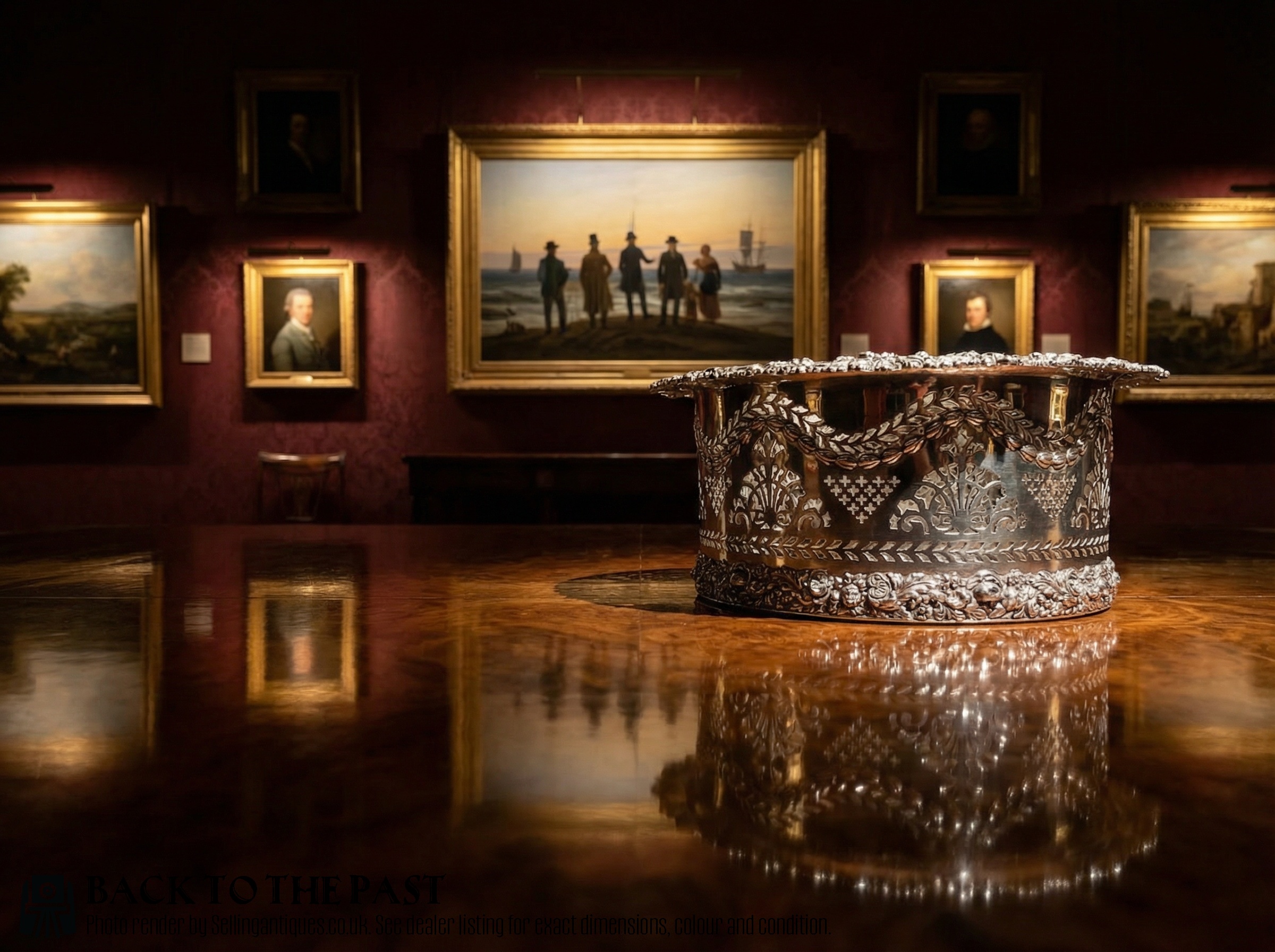
Edwardian Silver Plate Coaster
When you search for edwardian silver plate coaster items, you encounter functional dining table accessories designed to protect polished timber from moisture and condensation. These drink rests appear primarily as single vessels or matched pairs meant for wine, champagne, or decanter bottles.
The pieces on this page span the Edwardian period alongside related examples from the Victorian era and the nineteen twenties. Forms range from traditional circular wine coasters to multi-bottle holders, barware, and occasional planters utilising similar metal frames.
Stylistic influences vary from restrained Georgian revival patterns to flowing Art Nouveau motifs and ornate Belle Epoque decorative mounts. Buyers frequently discover pairs featuring pierced sides, cast scroll borders, and turned timber bases.
How They Were Made
Production relies heavily on a durable combination of silver plate applied over a base metal foundation, paired with turned wooden inserts such as mahogany or oak. Felt linings frequently protect the underside of the base to prevent scratching furniture surfaces.
Manufacturing techniques combine metal spinning or piercing for the outer galleries with carpentry for the wooden bases, often secured with a central screw fastener. Applied decorative mounts featuring floral and scroll designs are soldered directly to the pierced silver-plated rims.
Edwardian Silver Plate Coaster Retail Price Guide 2026
Typical asking prices for edwardian silver plate coaster among the pieces listed under this phrase on Sellingantiques today, from the lower quarter to the upper quarter. They describe what is for sale here now, not the wider market.
Listings combine silver plate with mahogany, oak, brass, and felt across Edwardian, Victorian, and nineteen twenties periods.
What Varies In Quality
Quality rests upon the weight of the metal and the crispness of the pierced or cast decoration along the gallery rim. Finer examples display deep, deliberate chasing and substantial gauge silver plating that resists thinning over decades of polishing.
The choice and execution of the internal wooden base also mark the tier of manufacture, with dense timber like mahogany and neatly turned mouldings distinguishing superior domestic items from simpler utilitarian versions.
Brook and Son Edinburgh·Christofle
The Edwardian Silver Plate Coaster Glossary
- Silver Plate
- A thin layer of silver fused or electroplated onto a base metal such as copper or brass. This technique allowed manufacturers to produce decorative tableware at a fraction of the cost of solid silver.
- Pierced
- Metalwork perforated with decorative patterns such as lattices, vertical slots, or geometric bars. This method lightened the visual weight of the coaster gallery while revealing the bottle within.
- Base Metal
- The underlying metal structure beneath the silver plating, typically brass or a mixed alloy. Exposure of this metal occurs through intensive cleaning and wear over many generations.
- Gallery
- The vertical outer wall of a coaster enclosing the bottle base. Galleries often feature applied scroll mounts, floral motifs, or cast borders.
- Felt
- A dense textile material glued to the underside of the wooden base. It provides a soft buffer between the metal or wood and polished dining furniture.
Edwardian Silver Plate Coaster: Frequently Asked Questions
What were silver plate coasters used for?
These vessels protected polished mahogany and walnut dining tables from rings left by condensation and moisture beneath wine and champagne bottles.
Hosts passed bottles around the table inside these wheeled or stationary rests during post-dinner port and wine service.
How do I clean a silver plated coaster?
Maintenance requires a soft cloth and a gentle silver polish formulated specifically for plated items to preserve the remaining surface layer.
Harsh abrasive brushes or chemical dips strip the plating away from the underlying base metal permanently.
Are these coasters sold as pairs?
Many examples survive as matched pairs intended to sit at opposite ends of a long dining table or beside a central decanter stand.
Single vessels also appear frequently for individual wine bottles or smaller household side tables.
How can I tell an Edwardian coaster apart from a Victorian one?
Edwardian pieces often embrace lighter, more delicate pierced scrollwork and floral mounts influenced by Belle Epoque and Edwardian revival aesthetics.
Victorian versions tend toward heavier proportions and more robust cast decoration reflecting earlier nineteenth century tastes.