

Edwardian Silver Photo
Edwardian silver photo pieces bring domestic silverwork into everyday display, offering a tangible link to early twentieth-century interiors.
Edwardian Silver Photo
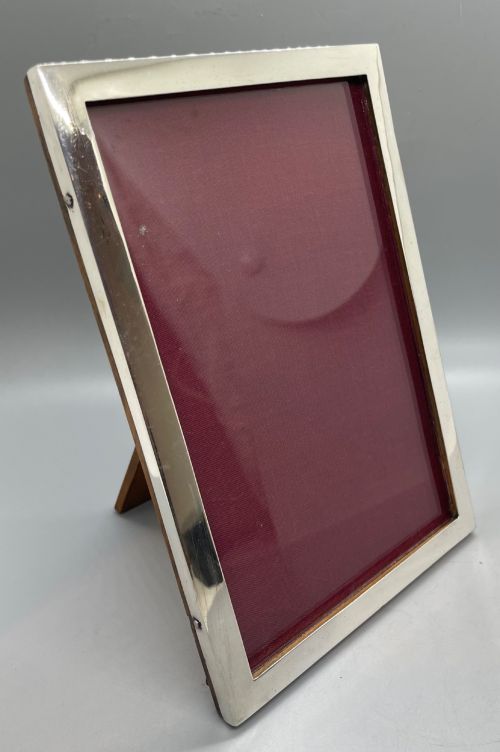
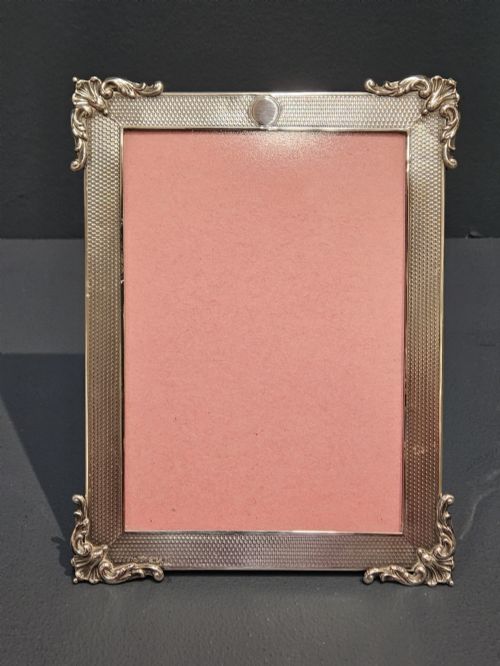
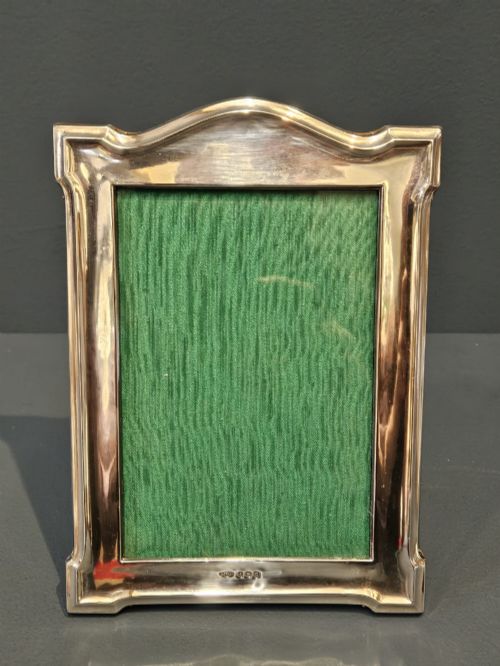
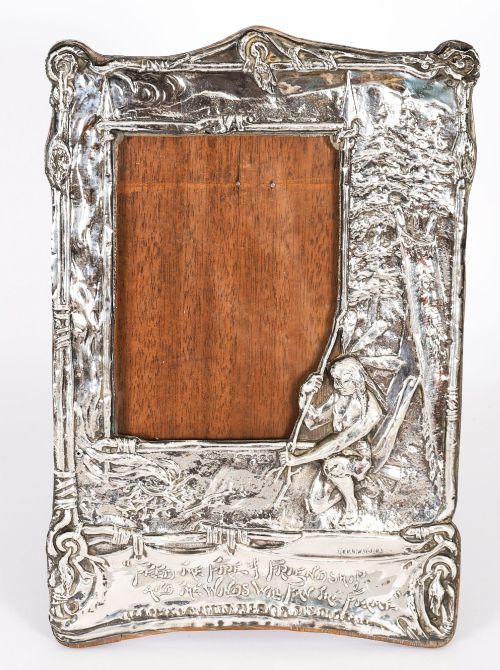
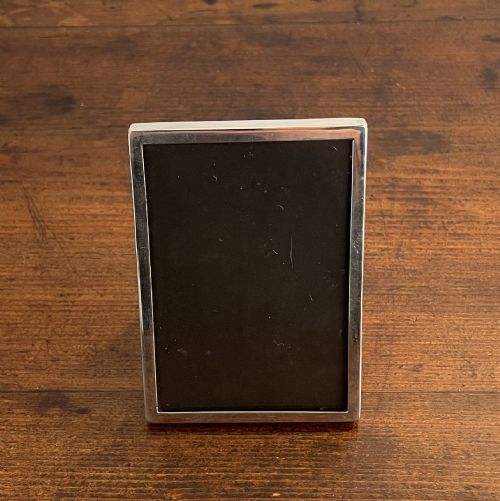
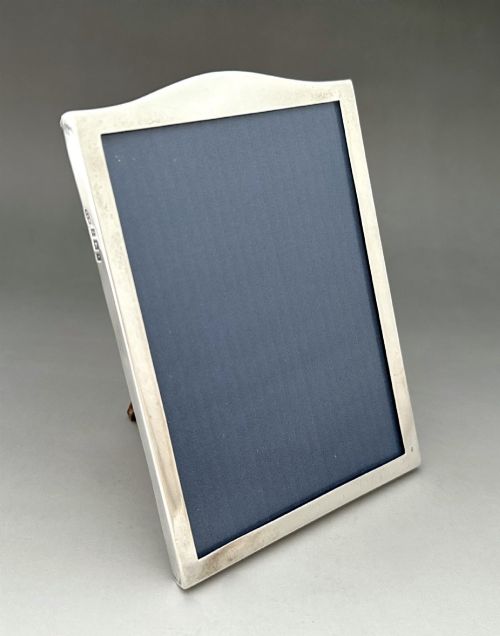
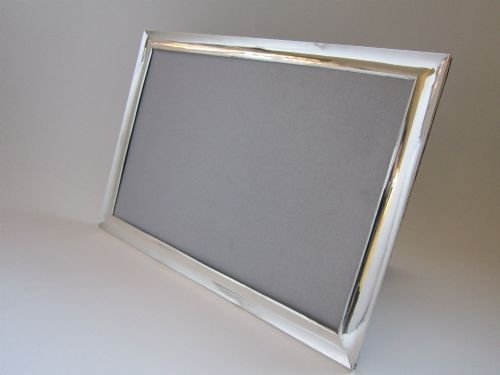
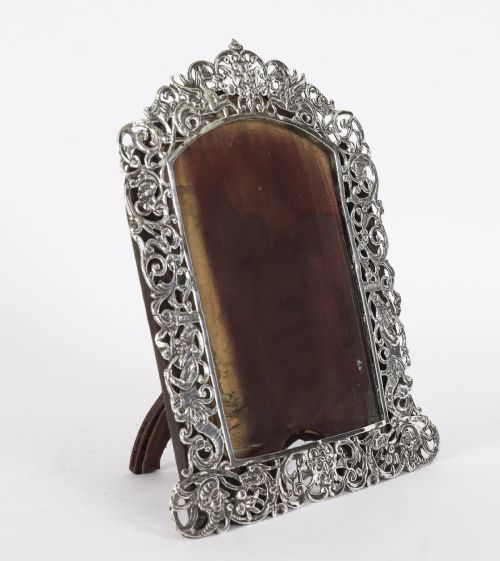
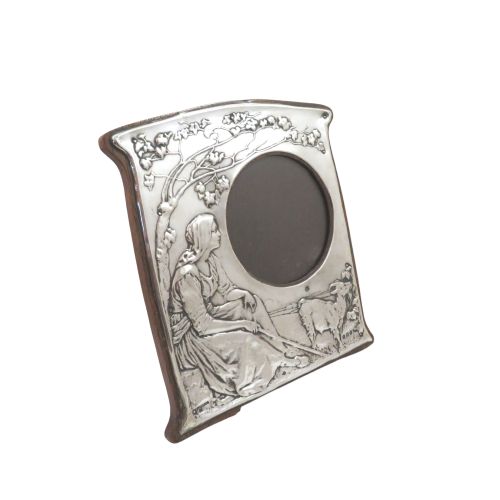
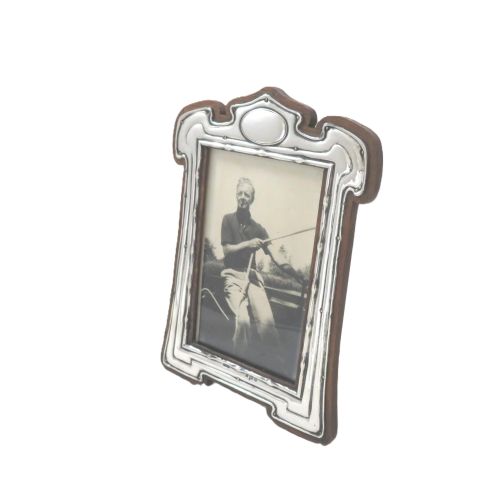
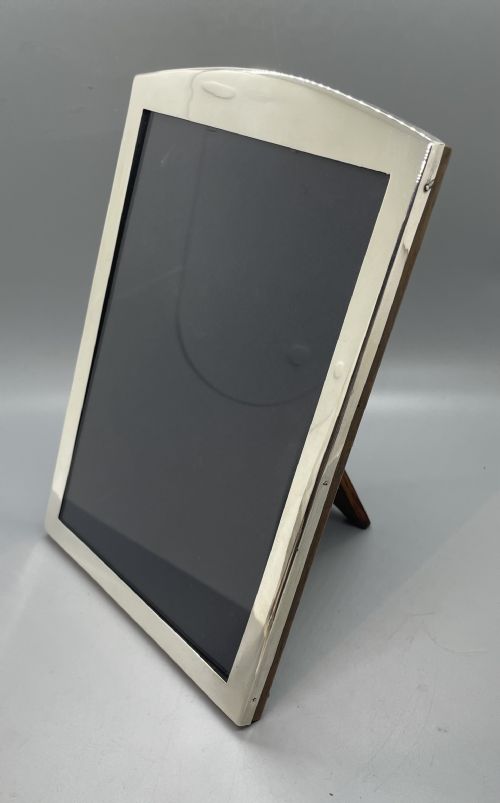
Edwardian silver photo items encompass picture frames, photo frames, and portrait holders created during the early twentieth century. These objects served to display family portraits and snapshots on mantelpieces, desks, and dressing tables.
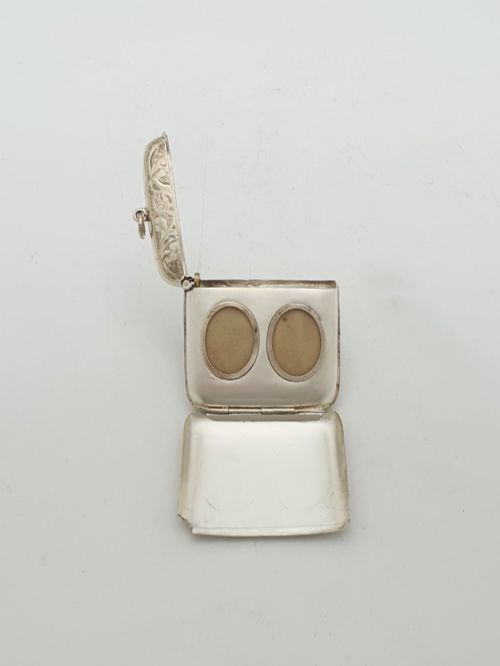
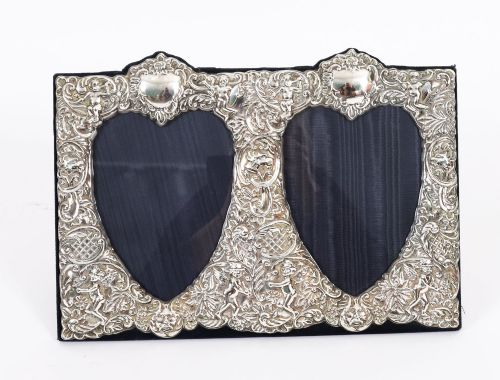
The pieces appearing most frequently in this selection date from the Edwardian era and the subsequent George V period. They span formats from small oval frames to large rectangular and heart-shaped designs, alongside related items like lockets and menu holders.
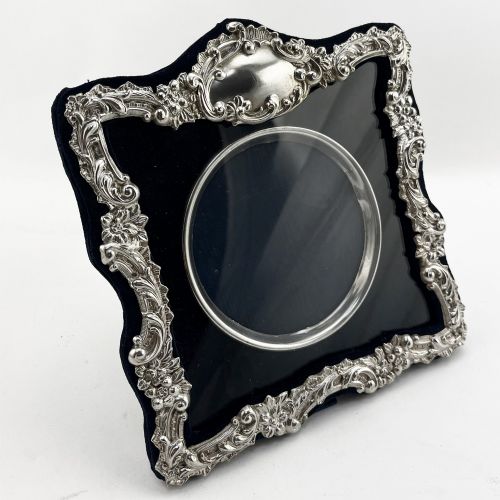
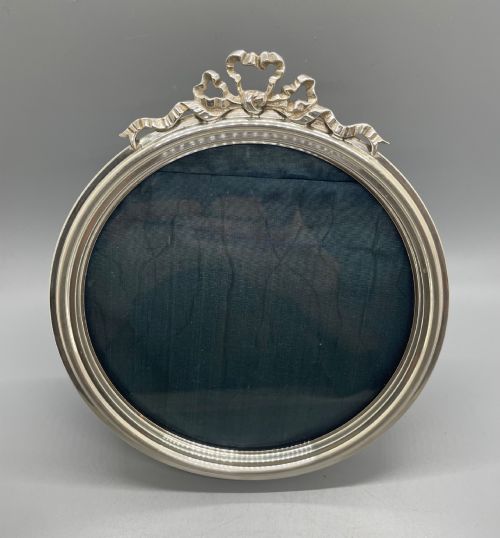
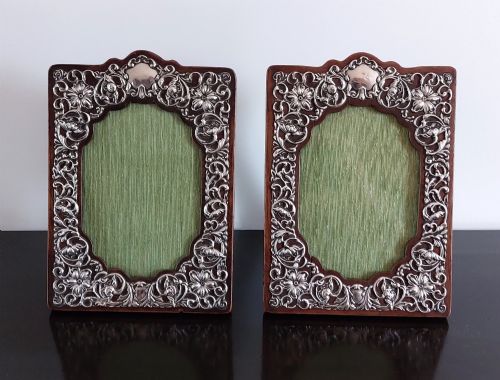
Makers utilised various stylistic influences, ranging from straightforward Edwardian and Neoclassical Revival forms to flowing Art Nouveau motifs. Pieces often incorporate specific decorative themes such as figural scenes, angelic motifs, or organic butterfly and floral patterns.
How they were made
Silversmiths constructed the primary mountings using sterling silver, frequently combining the metal with structural wooden backs to provide rigidity. Many items employ glass panels to protect the photograph face, held securely within the silver bezel or border.
Internal support and backing typically relied on wooden struts covered in fabric or velvet, allowing the frames to stand upright on furniture surfaces. Decoration was achieved through repoussé work, engraving, and the addition of enamel or seed pearl details on specific specialty pieces.
Edwardian Silver Photo Retail Price Guide 2026
Typical asking prices for edwardian silver photo among the pieces listed under this phrase on Sellingantiques today, from the lower quarter to the upper quarter. They describe what is for sale here now, not the wider market.
Listings feature periods spanning from the late Victorian era through the Edwardian years and into the George V period.
What varies in quality
Quality in these silver objects rests upon the gauge of the metal used for the front mount and the crispness of the chased or embossed detail. Heavy-gauge silver resists bending and maintains structural integrity around the aperture far better than thin foil coverings.
The complexity and artistry of the design also determine distinction, with specialised motifs and workshop attributions elevating a piece above standard commercial production. Original wooden backs, intact velvet linings, and legible hallmarks add considerable integrity to the surviving item.
Rosenthal, Jacob and Company·William Comyns·William Hutton and Sons·Grey and Company·Mappin Brothers·W.I. Broadway and Company
The Edwardian Silver Photo Glossary
- Sterling silver
- A silver alloy containing 92.5 percent pure silver by mass and 7.5 percent other metals, usually copper. This standard composition provides the durability required for domestic picture frames and personal accessories.
- Hallmark
- An official mark stamped onto precious metals to guarantee their purity and origin. These symbols typically indicate the assay office, the maker, and the year of manufacture.
- Repoussé
- A metalworking technique where the smith hammers the silver from the reverse side to form a raised design in relief. This method defines much of the ornamentation on floral and figural frames.
- Bezel
- The grooved rim or collar that holds the glass and photograph securely within the frame structure. It provides a clean finished edge around the displayed image.
- Strut
- The hinged wooden or metal support attached to the reverse of a frame to keep it upright. Original struts often retain their fabric or velvet coverings.
Edwardian Silver Photo: Frequently Asked Questions
How do I date an edwardian silver photo frame?
Dating relies heavily on the stamped hallmarks located on the silver border, which indicate the specific assay office and year letter.
Style also offers clues, as Art Nouveau curves tend to appear near the turn of the century while Neoclassical Revival motifs span the later Edwardian years.
Are these frames suitable for modern photographs?
Most antique frames accommodate standard photographic prints, though older apertures can occasionally vary slightly from modern dimensions.
Care should be taken when opening the backings, as original wooden turn-pins and velvet linings become fragile over time.
How should I clean the silver mounts?
Cleaning requires a soft microfibre cloth and a gentle silver polish formulated to preserve thin metal layers and embossed details.
Contact between polish and the surrounding wooden backs, velvet linings, or glass should be avoided to prevent staining.
What caused the different frame shapes?
Makers produced various formats to suit specific interior settings, from small heart shapes for dressing tables to large rectangular portrait frames for desks.
Specialised designs such as oval and landscape formats reflected contemporary tastes in portrait photography.