



Edwardian Silver Locket
An edwardian silver locket carries the quiet romance of the early twentieth century, housing personal keepsakes close to the wearer's heart.
Edwardian Silver Locket
When you search for an edwardian silver locket, you encounter small personal treasures designed to hold photographs, hair, or tiny mementos. These pieces bridge the late nineteenth-century styles and the emerging geometric lines of the 1920s.
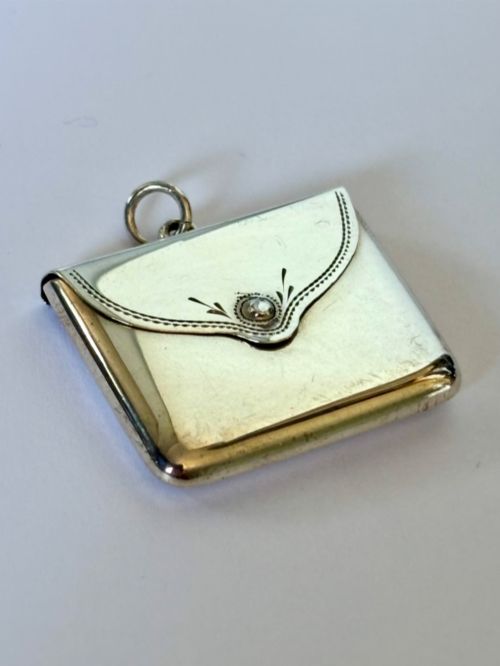
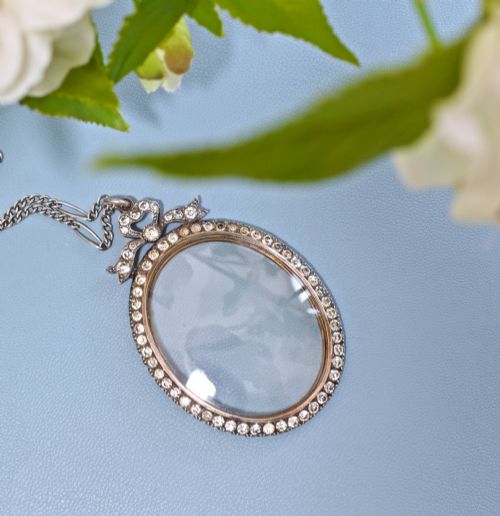
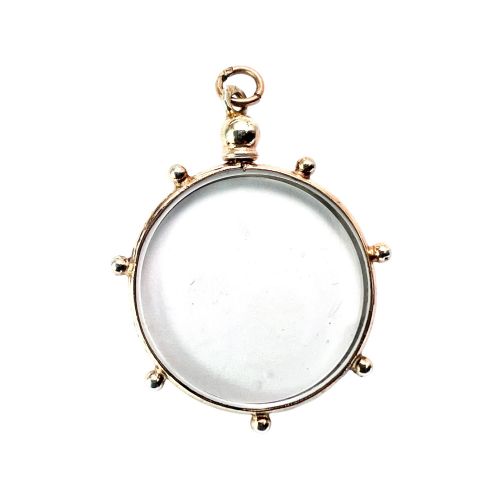
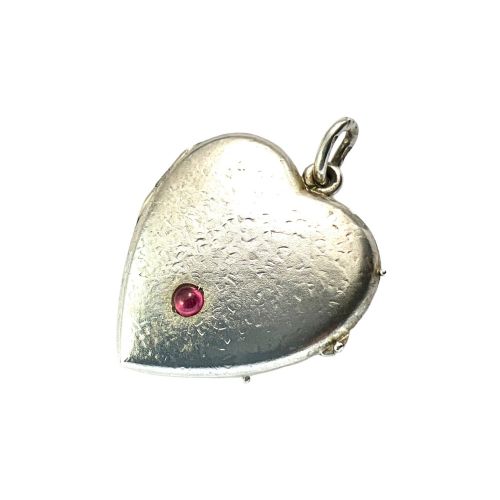
The selections available include standard oval and heart-shaped hinged photo holders alongside specialised stamp cases and sovereign holders fashioned in sterling silver. Many examples arrive paired with period chains or incorporate glass fronts designed to display miniature portraits.
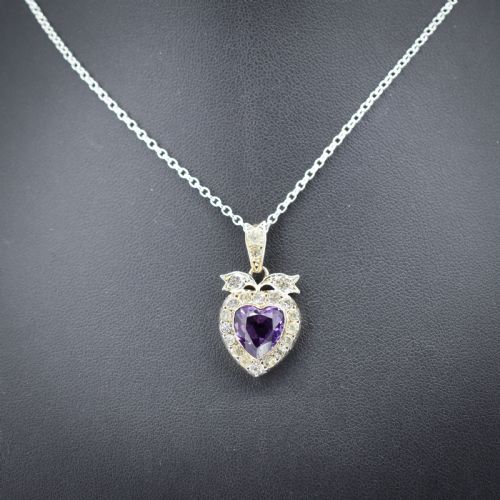
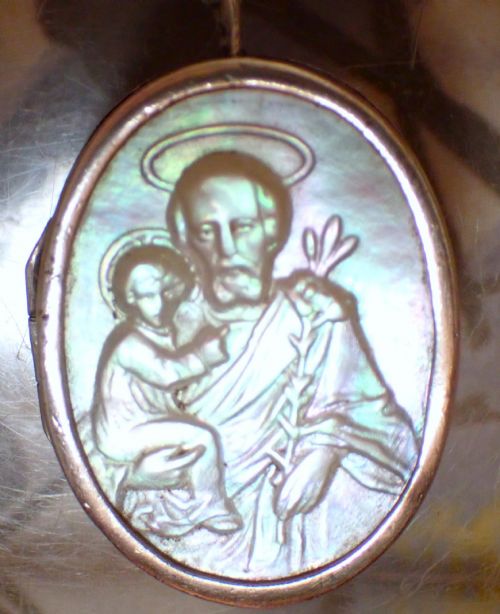
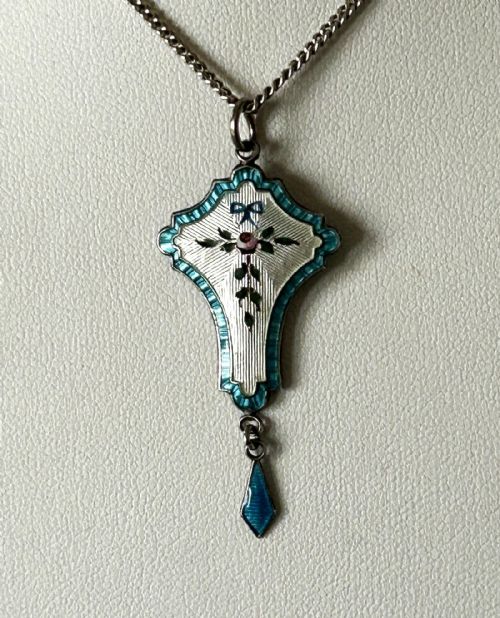
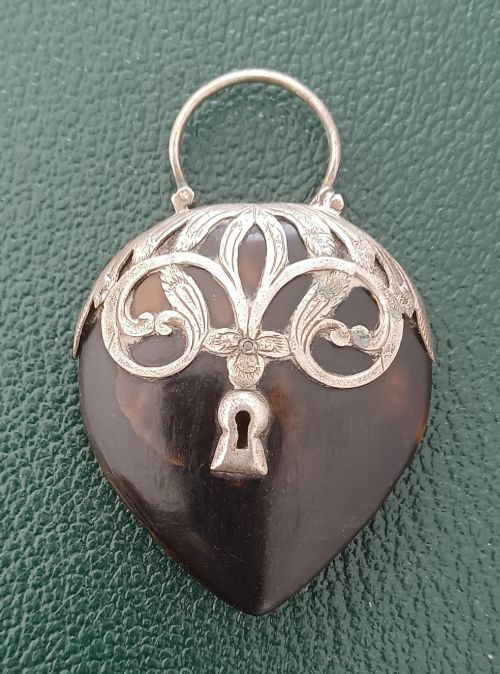
While the pieces span decades from the Victorian era into the reign of George V, the distinct Edwardian aesthetic remains central to the selection. You find smooth engraved surfaces sitting alongside delicate paste stones, enamel work, and carved mother-of-pearl.
Materials and construction
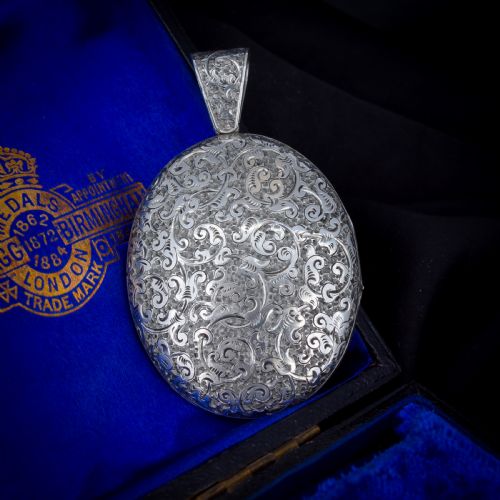
Silversmiths of the period utilised sterling silver as the primary body for these lockets, occasionally applying gold highlights or creating silver gilt finishes. Construction often involved stamping, chasing, and hand engraving the metal surface with foliate patterns or geometric motifs.
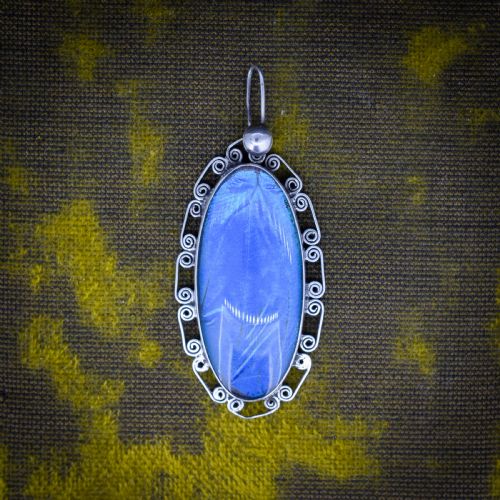
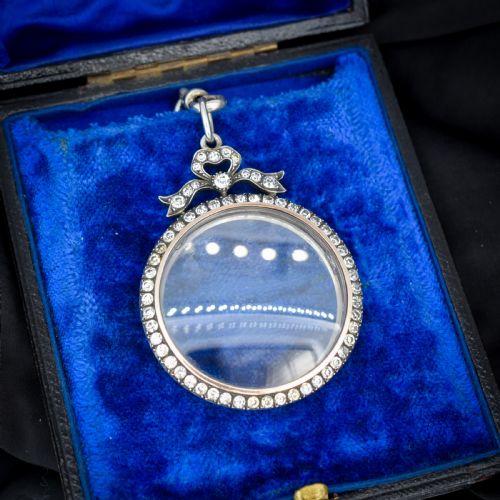
Many designs incorporate decorative elements such as vitreous enamel, guilloche enamel, paste stones, and seed pearls set directly into the silver frame. Glass panels appear frequently to protect miniature portraits, photographs, or butterfly wing displays beneath screw or hinged bezels.
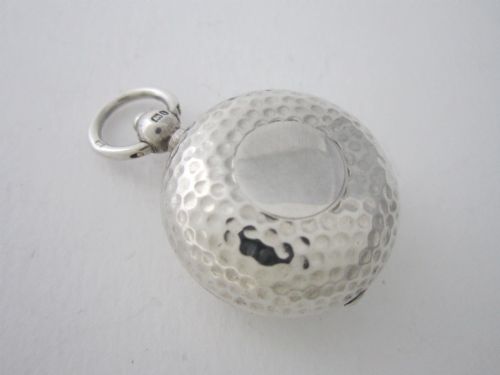
Several lockets double as clever utility items, functioning as miniature stamp cases or coin holders for British sovereigns.
Assessing quality
Quality in these lockets reveals itself in the crispness of the hand engraving and the precision of the hinged mechanisms. Superior pieces maintain tight closures and retain their original structural integrity without thinning of the silver plates.
The artistry of supplementary materials dictates the upper tier of the range. Intricate enamel work, well-matched paste stones, and documented maker attributions elevate a piece far beyond standard mass-produced items of the period.
CRISFORD & NORRIS·ALBERT ERNEST JENKINS·John Paul Cooper·Meyle & Mayer·Theodor Fahrner·Charles Horner
The Edwardian Silver Locket Glossary
- Sterling silver
- A silver alloy containing 92.5 percent pure silver and 7.5 percent other metals, usually copper, ensuring durability for wearable items.
- Guilloche enamel
- A decorative technique where intricate geometric patterns are engine-turned into the silver beneath a translucent layer of coloured enamel.
- Paste
- Faceted glass or lead crystal hand-cut to imitate gemstones, frequently utilised in Edwardian frames and bow motifs.
- Sovereign case
- A small pocket container engineered specifically to hold gold sovereign coins securely, often adapted to function as a pendant.
- Filigree
- Delicate ornamental work consisting of fine silver wire twisted and soldered together to create openwork patterns.
Edwardian Silver Locket: Frequently Asked Questions
How do I open an old locket?
Most hinged lockets feature a small thumbnail notch along the outer edge to gently pry the covers apart. Patience is essential because old hinges can stick after decades of closure.
Avoid using sharp metal tools that might scratch the silver or damage the bezel. A soft cloth and gentle upward pressure usually release the catch safely.
Can I replace the photo inside?
Many Edwardian lockets retain their original interior frames and clear mica or glass covers to hold photographs securely. You can slide or pop these small retaining rings out to insert a modern picture.
Take care not to force the internal metal retaining clips, as aged silver can become brittle over time. Trimming your photograph to match the exact interior contour ensures it stays flat without glue.
Are these lockets suitable for daily wear?
Silver lockets from this era were made for everyday use, but their delicate hinges and glass panels require mindful handling. Removing the pendant before swimming, sleeping, or exercising prevents accidental bending or loss.
Regularly checking the suspension loop and jump ring ensures the piece stays secure on your chain. Gentle cleaning with a soft polishing cloth keeps the sterling silver bright without wearing down fine engravings.
How do I date a silver locket?
British silver pieces often feature hallmarks stamped on the interior rim, including assay office marks, date letters, and maker's initials. These assay marks provide the exact year and city of testing.
When hallmarks are absent, the overall style, fastener type, and motifs such as paste bows or enamel work help assign the piece to the Victorian, Edwardian, or Art Deco periods.