

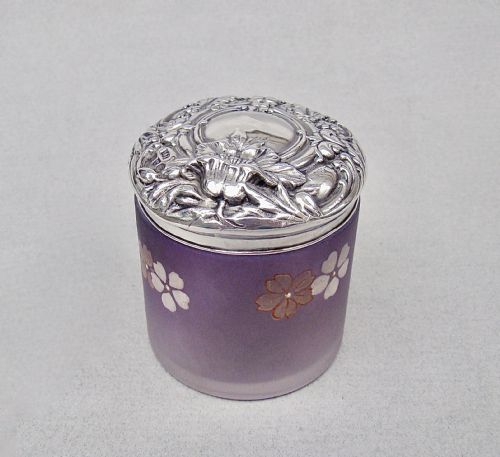
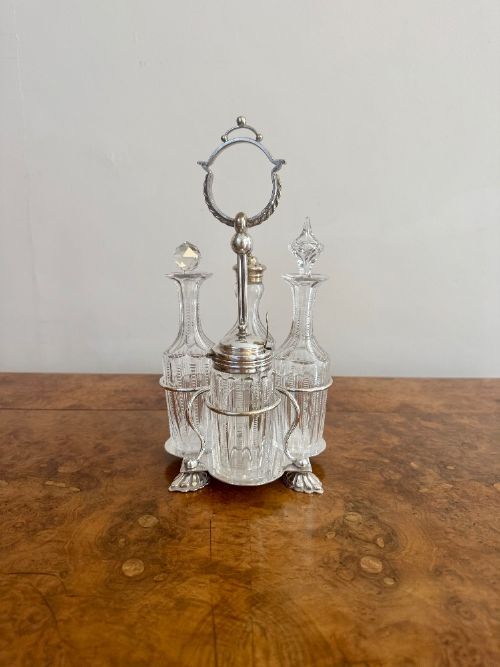

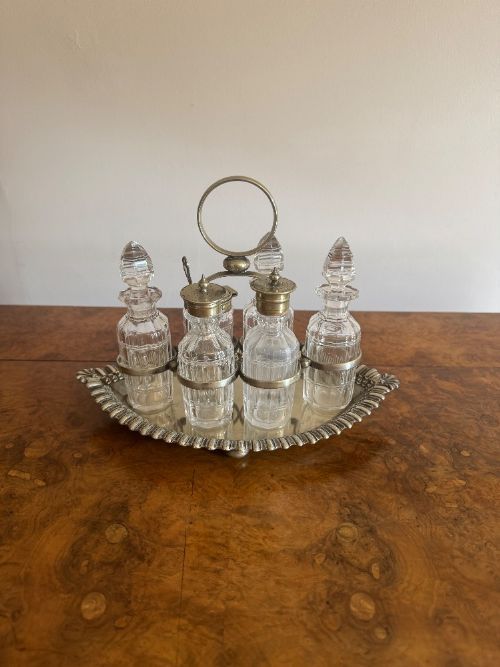
Edwardian Silver Glass Bottle
These pieces combine the bright clarity of period glass with solid silver mounts, offering a practical touch of historical elegance for your dressing table.
Edwardian Silver Glass Bottle
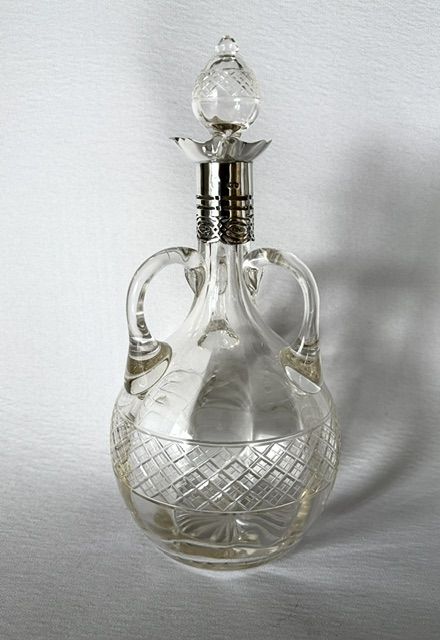
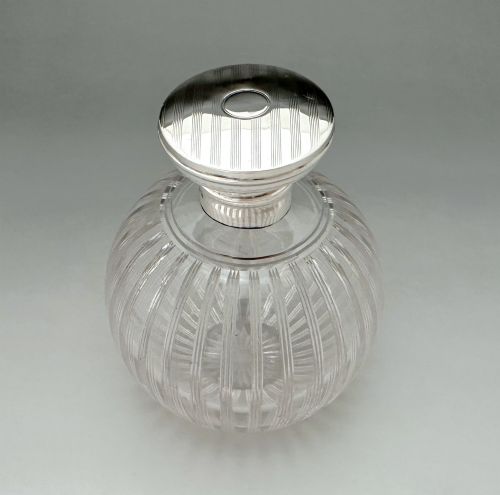
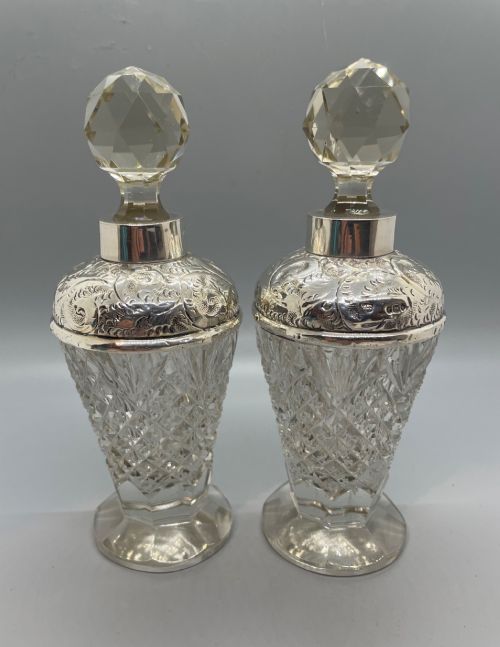
When you search for an edwardian silver glass bottle, you encounter a variety of functional containers spanning scent bottles, perfume flagons, and dressing table jars.
The selections on this page lean heavily toward Edwardian and Victorian forms, encompassing everything from travelling cologne bottles to cut glass decanters and spirit noggins.
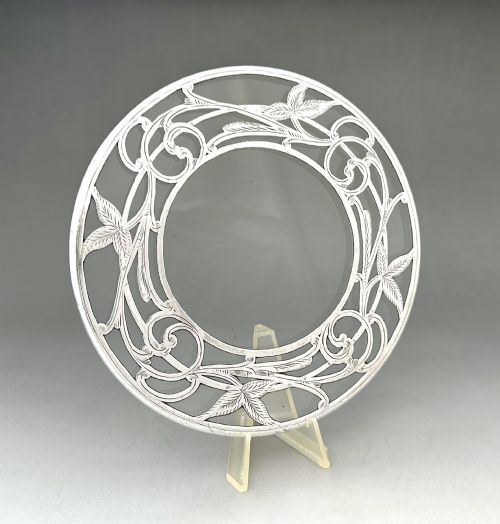
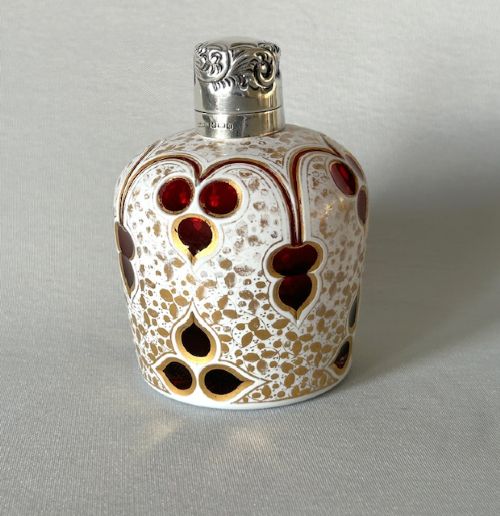
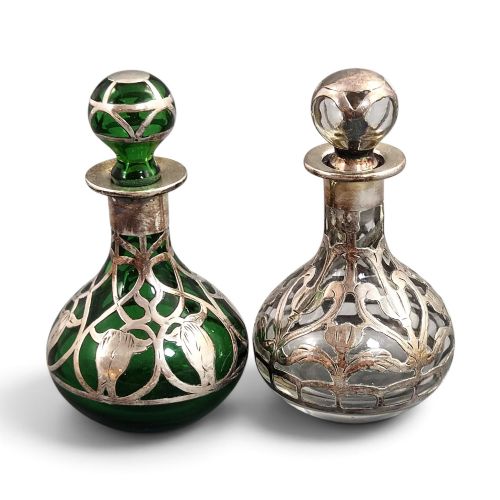
Makers of the period utilised rich coloured glasses alongside clear crystal, pairing them with hallmarked sterling silver collars, hinged lids, and intricate overlay work.
How They Were Made
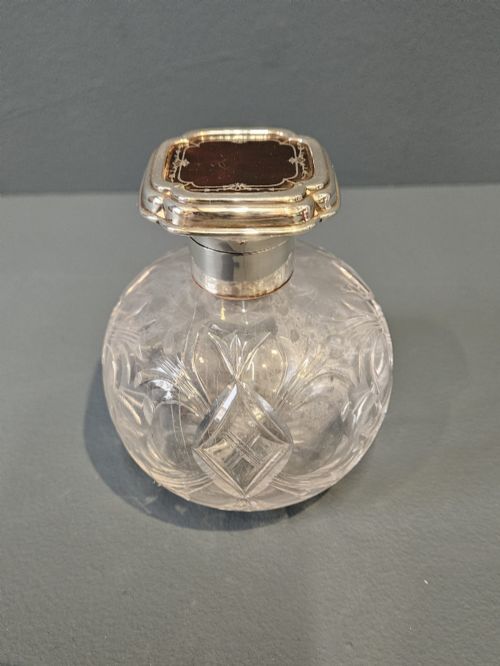
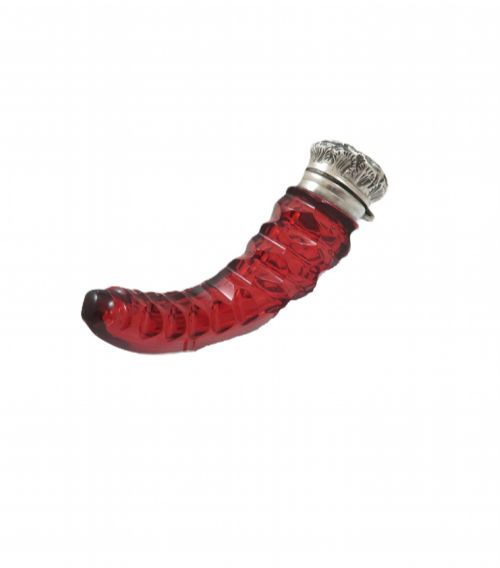
Craftsmen shaped the vessels using heavy lead crystal or coloured glasses such as cranberry, ruby, and amber, often applying deep hobnail cutting or overlay techniques.
Silversmiths then fitted these glass bodies with custom sterling silver collars, pierced overlays, or hinged caps bearing Birmingham and London hallmarks.
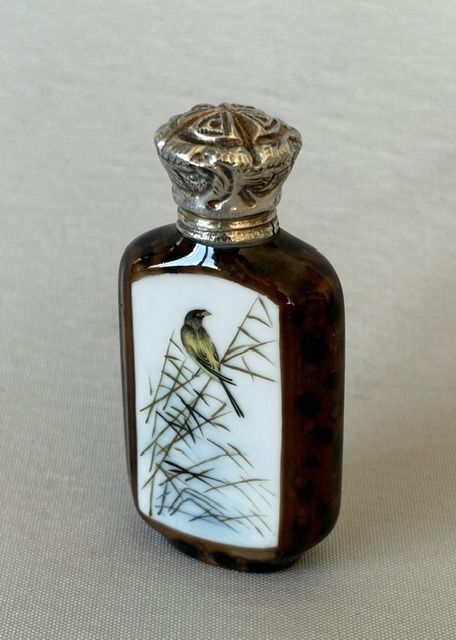
Specialist techniques like guilloche enamel, latticino, and flashed glass surfaces added distinct decorative texture to the finished bottles.
Edwardian Silver Glass Bottle Retail Price Guide 2026
Typical asking prices for edwardian silver glass bottle among the pieces listed under this phrase on Sellingantiques today, from the lower quarter to the upper quarter. They describe what is for sale here now, not the wider market.
What Varies in Quality
The distinction between standard examples and exceptional pieces rests upon the weight of the crystal, the crispness of the glass cutting, and the depth of the silver mount.
Makers known for high output produced standard collar bottles, whereas renowned silversmiths and glasshouses created multi-cased coloured glass pieces with heavy embossed silverwork.
Preservation of fragile elements like inner glass stoppers, original leather travel cases, and fully legible hallmarks elevates the desirability of any individual piece.
Gorham·Betjemann’s·Harold Bushell & Co·Walker & Hall·W.G. Sothers & Co·The Boots Company·Britton Gould & Co·Charles May·George Edwin Walton·Henry Matthews·Griffith & Co·George Henry James·Arthur Fenwick·J. Grinsell & Sons·Sanders & Aguilar·Synyer & Beddoes·J. Gloster·J & R Griffin·Hart & Sons·Arthur Willmore Pennington·William Hutton & Sons
The Edwardian Silver Glass Bottle Glossary
- Sterling silver
- A silver alloy containing 92.5 percent pure silver by mass, widely used for the protective collars and hinged lids on these bottles.
- Cranberry glass
- A rich red glass produced by adding gold chloride to the molten batch, frequently seen in Edwardian scent bottles.
- Cut crystal
- Lead glass shaped with faceted geometric patterns that refract light brilliantly through the sides of decanters and perfume flasks.
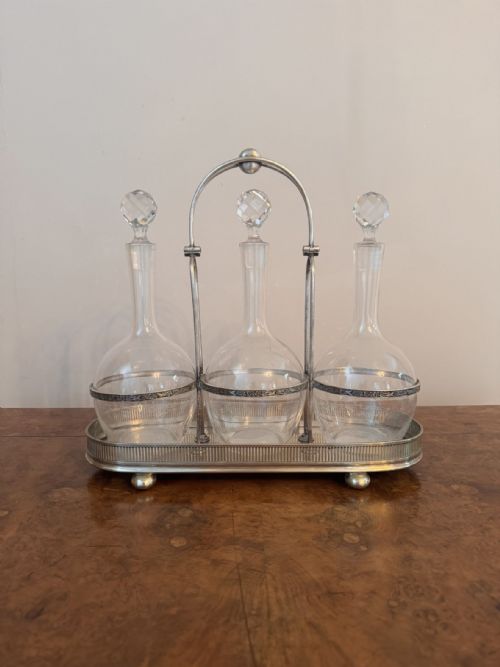
- Tantalus
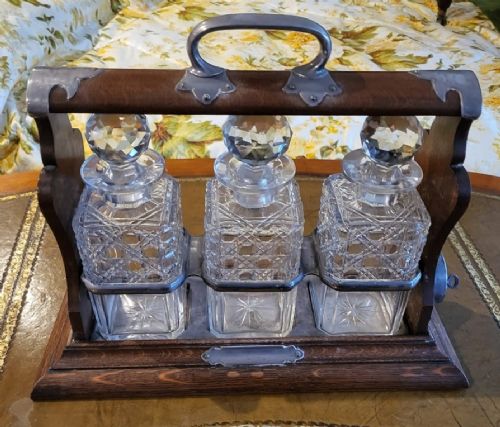
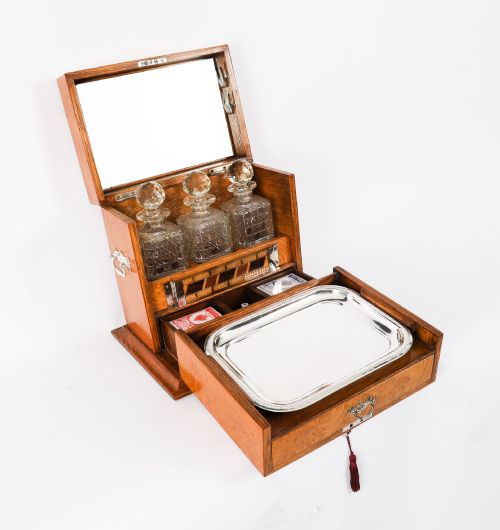
- A locking wooden frame with silver plated or silver mounts designed to secure spirit decanters while allowing their contents to remain visible.
- Guilloche enamel
- A decorative technique where precise geometric patterns are mechanically engraved beneath a translucent enamel layer.
Edwardian Silver Glass Bottle: Frequently Asked Questions
What is an edwardian silver glass bottle?
It is a small personal container, typically made for perfume or smelling salts, featuring a glass body fitted with a hallmarked sterling silver collar and cap.
These items date predominantly from the early twentieth century and reflect the ornate dressing table fashions of the period.
How do I identify the date of a silver mount?
British silver mounts carry official hallmarks stamped directly onto the metal, including a city mark, a standard mark, and a specific date letter.
Matching these stamps against assay office records reveals the exact year the piece was hallmarked.
Were these bottles meant for travel?
Many smaller perfume and cologne bottles were engineered specifically for travel, often nestled within fitted leather cases or secured on chatelaines.
Their heavy screw caps or tight-fitting silver hinged lids prevented spills while carried in luggage.
What types of glass were used?
Cranberry, ruby, amber, and deep blue glasses appear frequently alongside standard clear cut crystal and frosted glass.
Some exceptional examples incorporate complex overlay methods or delicate enamel painting over the glass surface.