



Edwardian Silver Cushion
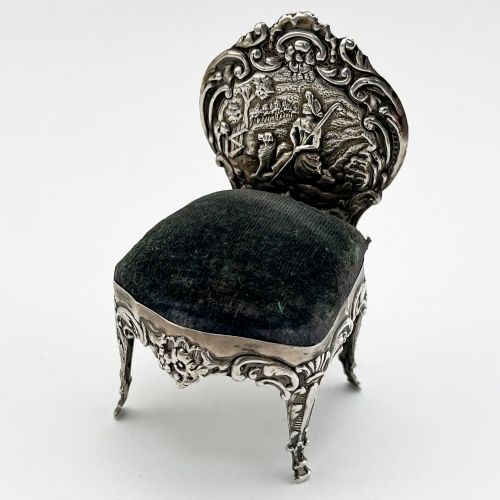
Edwardian silver cushion pieces combine miniature silver animal figures and novelty shapes with practical dressing table accessories.
Edwardian Silver Cushion
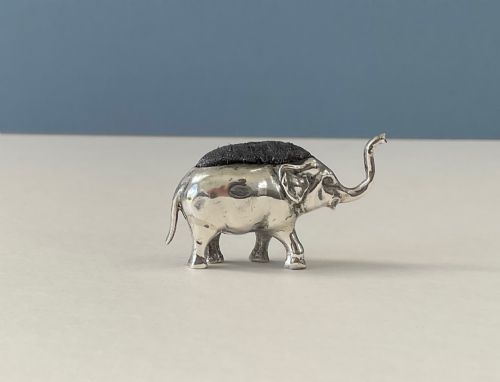
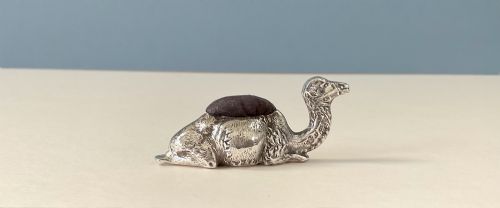
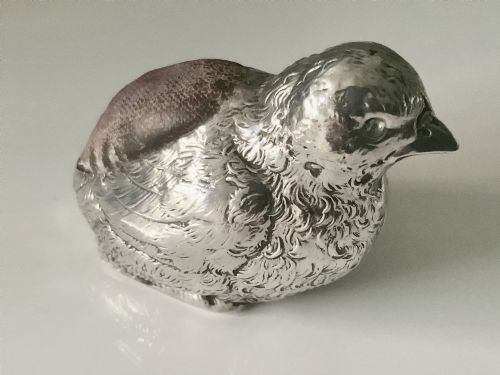
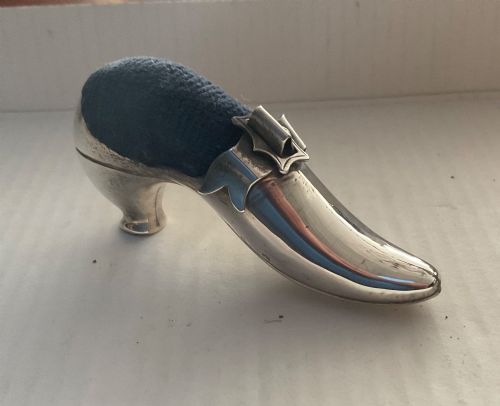
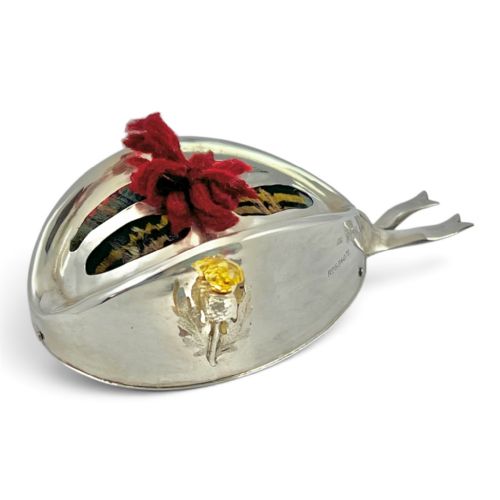
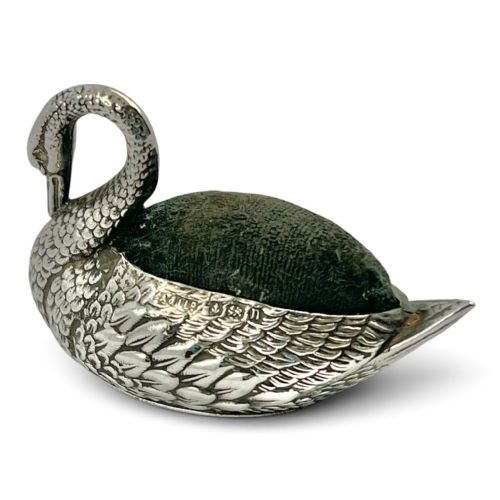
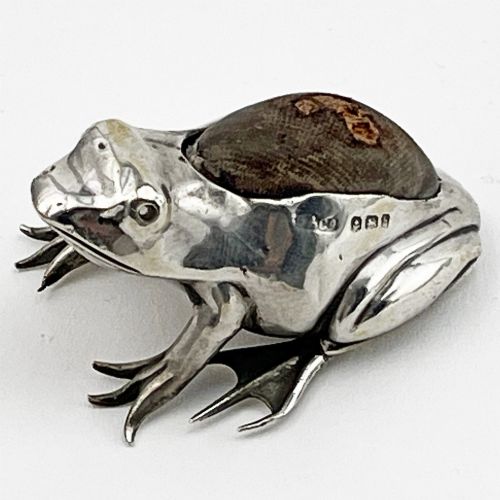
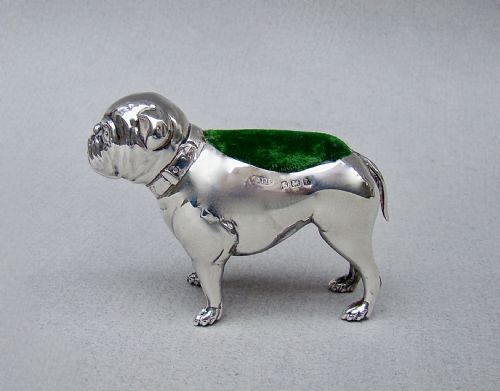
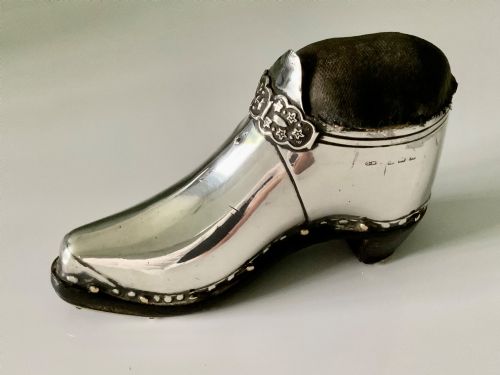
Buyers seeking an edwardian silver cushion typically encounter novelty pin cushions cast in sterling silver, often shaped as animals, birds, boots, and vehicles.
The form developed significantly during the Edwardian period, though examples span from the late Victorian era through the early decades of the twentieth century with diverse dressing table accessories.
Figural models such as pigs, chicks, ducks, and elephants dominate the available forms, reflecting a Victorian and Edwardian taste for whimsical silver objects.
Materials and Construction Techniques
Silversmiths utilised sterling silver to cast intricate hollow bodies, often employing Birmingham hallmarked sheet metal and specialised moulds for realistic animal detailing.
The internal cushioning traditionally consists of tightly packed felt, wool, or cotton stuffing covered in silk velvet or fabric to hold pins securely.
Makers integrated hallmarking stamps directly onto the silver bases, feet, or rims to record assay office locations and manufacturing dates.
Victorian silversmiths turned sewing needles into bristles by transforming ordinary pins into marching hedgehogs and hatching chicks.
Indicators of Quality and Craftsmanship
The integrity of the original fabric insert and the snugness of the silver mount distinguish well-preserved specimens from those with heavy alterations or modern replacements.
Maker marks attributed to prominent silversmiths elevate the standing of a piece within the broader category of novelty silver.
Adie & Lovekin·Sampson Mordan & Co·Levi & Salaman·Sydney & Co·The Boots Company·Artificer's Guild
The Edwardian Silver Cushion Glossary
- Novelty silver
- Silver items fashioned into humorous or realistic representations of everyday objects, animals, and transport. These pieces served both decorative and functional purposes on dressing tables.
- Sterling silver
- An alloy comprising ninety-two point five percent silver and seven point five percent other metals, usually copper. It provides the necessary durability for detailed silversmithing.
- Assay office
- An official body that tests the purity of precious metal items and stamps them with hallmarks. Common locations include Birmingham, Chester, and Sheffield.
- Chasing
- A metalworking technique where the silversmith punches and hammers the front surface of the metal to raise low relief details. It creates texture on animal fur and feathers.
- Pin cushion
- A small pad or container used for holding pins and needles in place. In silver forms, the cushion fits snugly inside a hollow metal casing.
Edwardian Silver Cushion: Frequently Asked Questions
How do I identify an Edwardian silver cushion?
Look for hallmarks stamped on the silver body indicating assay offices and date letters corresponding to the early nineteen hundreds. The distinctive figural forms usually depict animals or everyday objects combined with velvet padding.
Comparing the design characteristics to documented silversmith records helps confirm the manufacturing era.
Are the velvet inserts original?
Many surviving pieces retain their early fabric pads, though centuries of use often necessitated period-appropriate replacements. Original velvet or felt typically shows expected wear consistent with age.
Examining how the fabric fits into the silver bezel reveals whether the stuffing method respects traditional construction techniques.
Why are animal shapes so common?
Late nineteenth and early twentieth century silversmiths embraced whimsical designs to appeal to a growing market for novelty dressing table wares. Animals such as pigs, elephants, and birds offered charming subjects for detailed casting.
Buyers collected these figural pieces to display personal interests or assemble eclectic collections of miniature silver.