

Edwardian Silver Craft
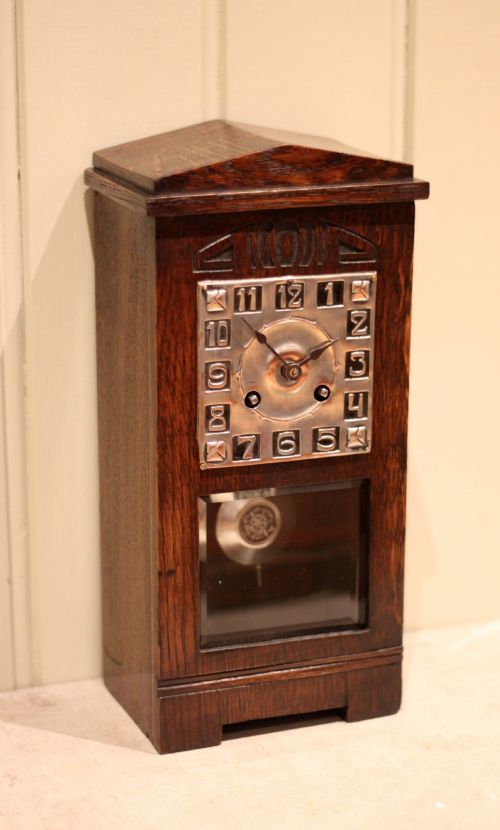
Edwardian silver craft brings together the hand-hammered surfaces and fluid organic lines of the Arts and Crafts and Art Nouveau movements in sterling silver and pewter.
Edwardian Silver Craft
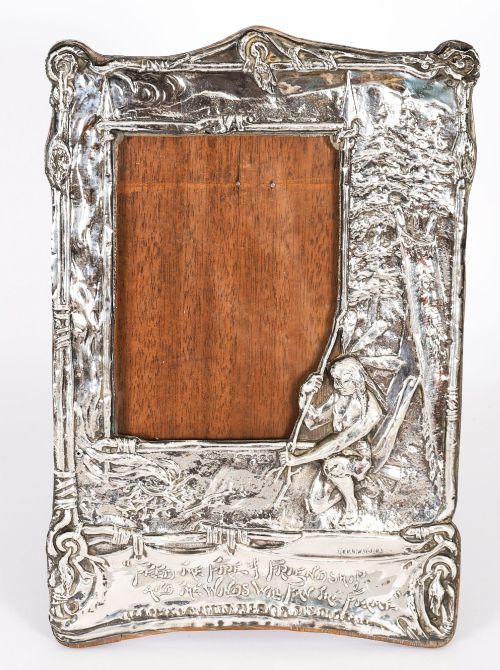
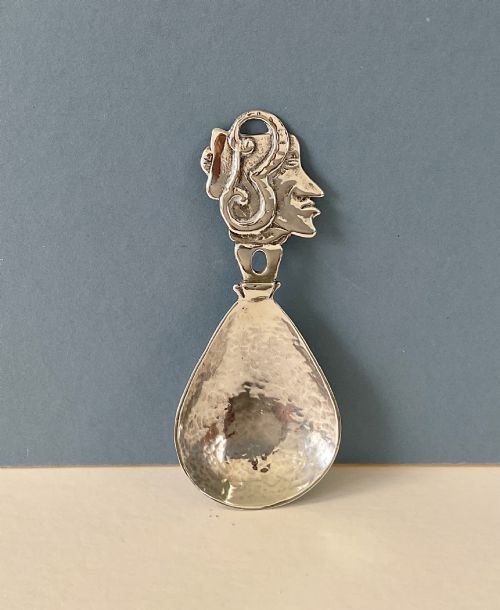
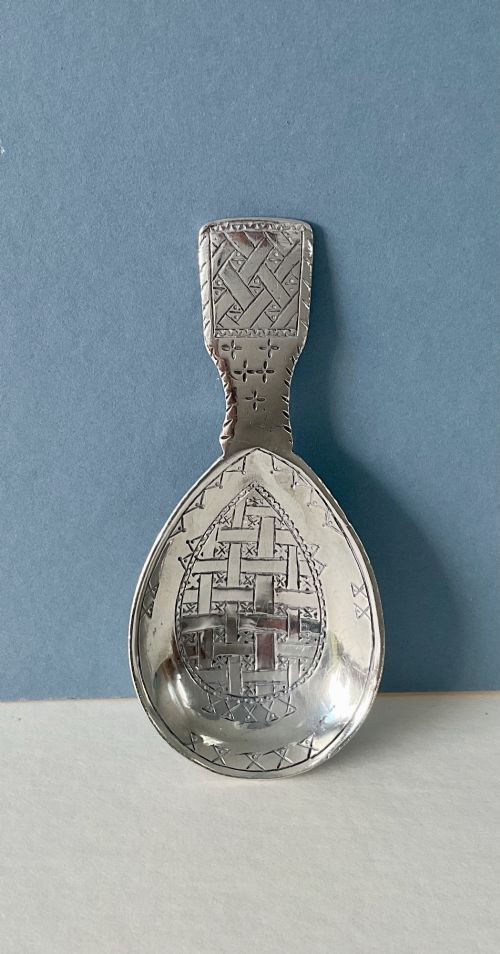
Edwardian silver craft encompasses domestic table items, personal accessories, and jewellery produced around the turn of the twentieth century. When searching for Edwardian silver craft, buyers encounter photo frames, caddy spoons, brooches, and pendants that display distinct handmade characteristics rather than factory uniformity.
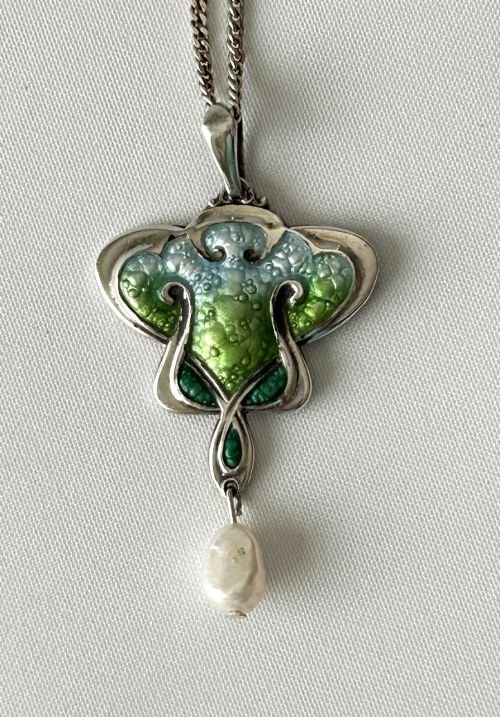
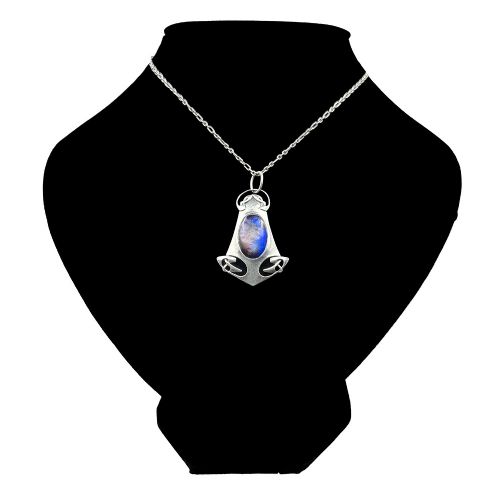
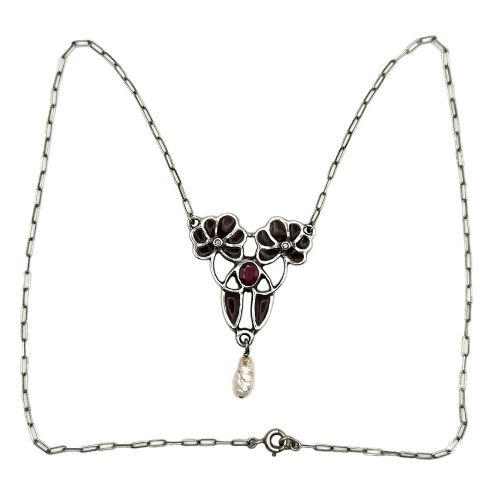
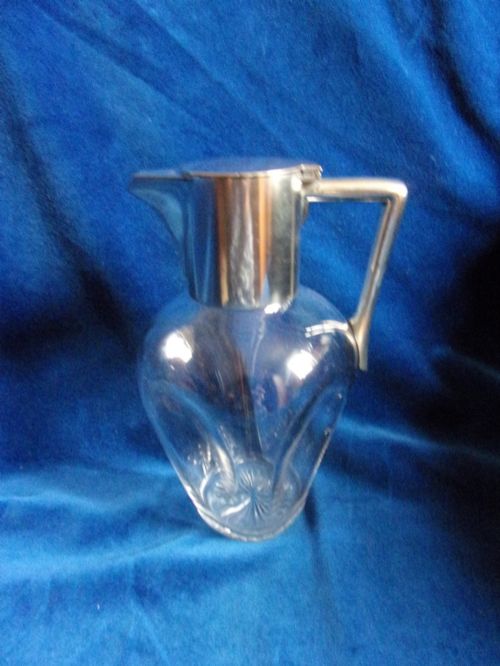
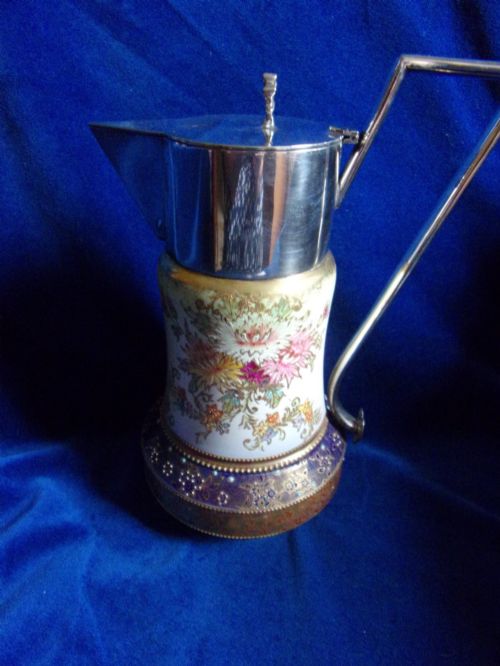
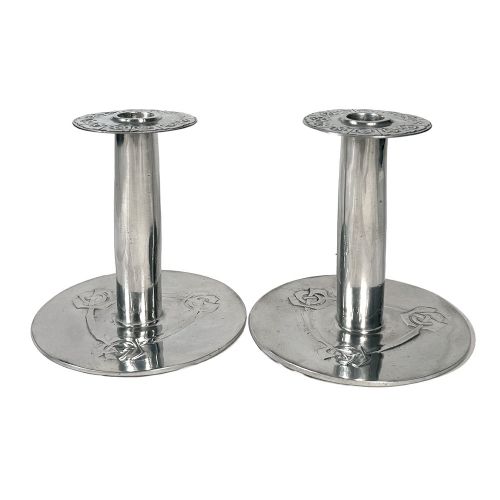
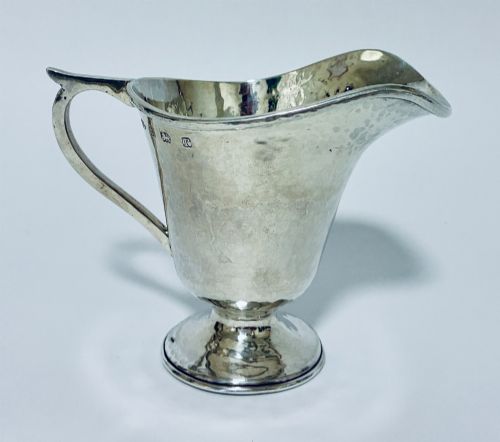
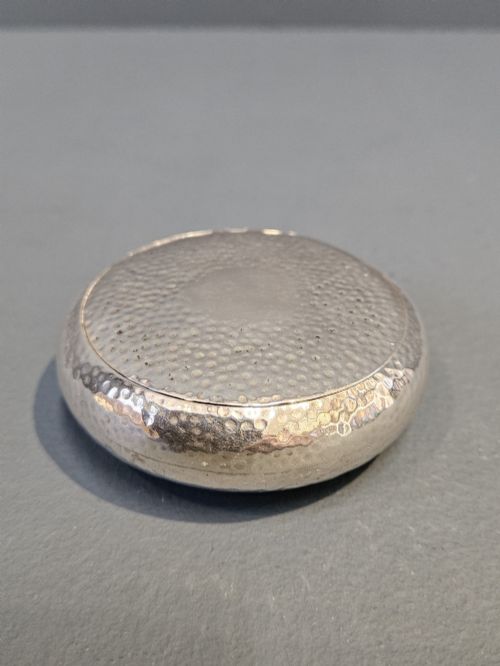
The objects frequently merge sterling silver with coloured enamel, pearls, moonstones, and glass cabochons. Forms range from utilitarian stamp cases and tobacco boxes to decorative bowls, candlesticks, and claret jugs originating from the Victorian, Edwardian, and subsequent decades.
Makers working within this sphere embrace vernacular styles such as Arts and Crafts and Art Nouveau. Pieces regularly span the years from the late nineteenth century through the 1930s, reflecting a sustained period of artisan production.
Materials and Techniques
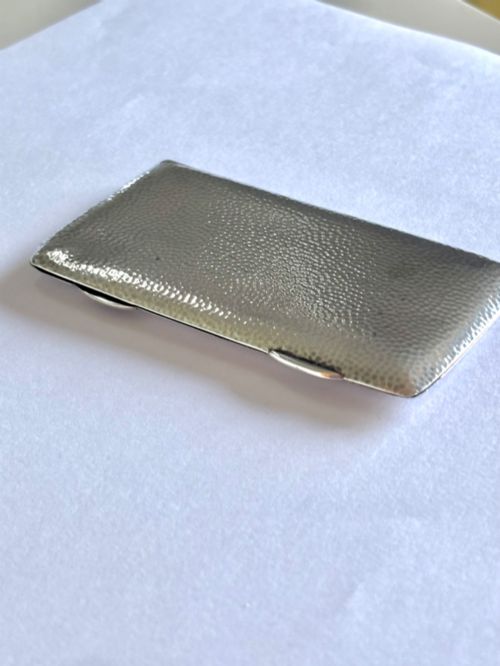
Makers utilise sterling silver, pewter, and sometimes silver gilt, shaping the metal through planishing and hammering techniques that leave visible tool marks on the surface. This deliberate texturing distinguishes artisan metalwork from smooth mass-produced silverware.
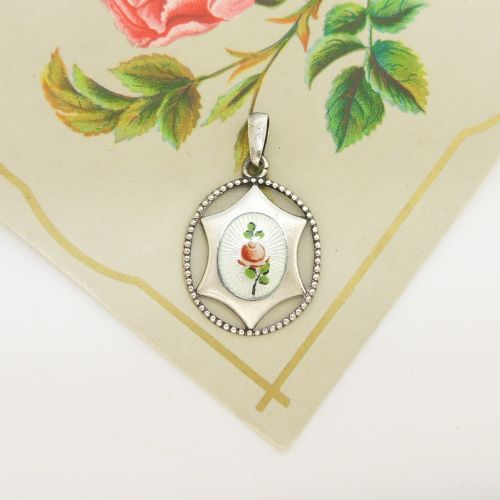
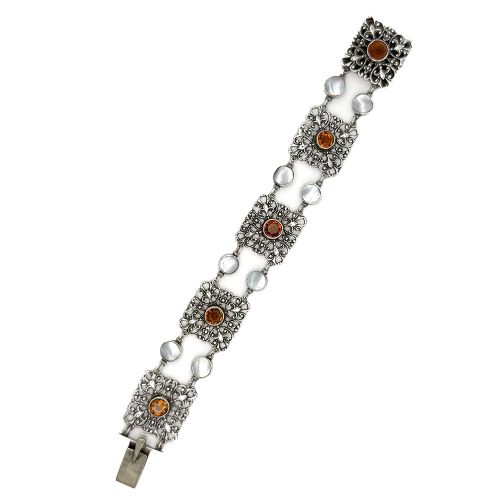
Vitreous enamel, plique-à-jour enamel, and semi-precious stones including citrine, opal, turquoise, and moonstone are set into the metalwork. These coloured elements punctuate the silver surfaces of pendants, buckles, and boxes.
Construction methods involve hand-beating bowls and jugs, soldering wire mounts for gemstone settings, and applying translucent enamel panels to frames and brooches.
Edwardian Silver Craft Retail Price Guide 2026
Typical asking prices for edwardian silver craft among the pieces listed under this phrase on Sellingantiques today, from the lower quarter to the upper quarter. They describe what is for sale here now, not the wider market.
The inventory records pieces dated across the Edwardian era, Victorian period, and into the 1930s.
Assessing Quality in Artisan Metalwork
Quality rests upon the crispness of the hand-hammered planishing marks and the balance of the proportions. A superior piece displays intentional, rhythmic texturing and secure, flush stone settings rather than careless pounding or loose bezels.
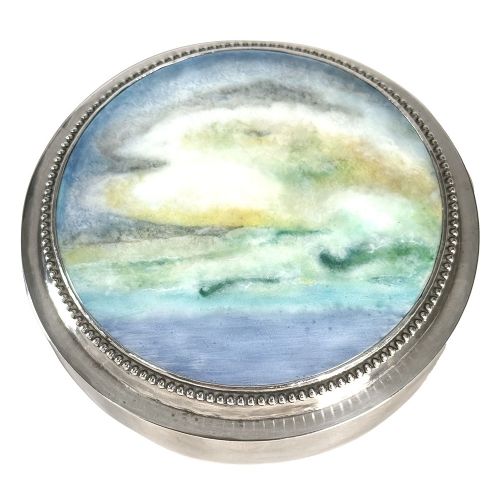
The complexity and depth of the enamel work further differentiate the range. High-grade examples utilise translucent plique-à-jour or finely shaded landscape enamel plaques that catch the light, whereas lesser pieces show flat, opaque colour without tonal variation.
The reputation of the workshop or designer influences the standing of an item. Pieces bearing documented association with prominent guilds or known makers exhibit superior finishing in the hinges, catches, and interior gilding.
Charles Horner·Lambert and Co·Sampson Morden·Amy Sandheim·Archibald Knox·Liberty and Co·Guild of Handicrafts·William Hutton and Sons·James Fenton·Goldsmiths and Silversmiths Company·Nathan and Hayes·Oliver Baker·The Gaskins
The Edwardian Silver Craft Glossary
- Planishing
- A metalsmithing technique using a specialised hammer to smooth and texture sheet metal by delivering light, controlled blows. This process hardens the silver while creating a faceted reflective surface.
- Plique-à-jour
- An enamelling technique where enamel is applied to open cells without a backing, allowing light to shine through the transparent colour like stained glass. It resembles miniature cloisonné without the metal base.
- Tyg
- A large drinking vessel featuring three or more handles designed for communal passing around a table. In silver and pewter, these take sturdy, multi-handled forms.
- Cabochon
- A gemstone shaped and polished with a smooth, rounded convex top rather than faceted edges. Moonstones and turquoise are frequently cut this way in this period.
- Tudric
- A trade name used by Liberty and Co for a brand of pewter alloy. Items in this metal are typically cast with organic motifs characteristic of the period.
Edwardian Silver Craft: Frequently Asked Questions
How do I clean enamelled silver?
Clean enamelled silver sections gently with a soft cloth and mild soapy water, avoiding abrasive polishes that scratch the glass surface.
Keep chemical dips away from enamel and stones, as harsh liquids can ruin the coloured glass and loosen adhesives in gemstone settings.
Can I wear antique silver brooches daily?
Wear antique brooches carefully on sturdy fabrics, as the pin mechanisms and delicate enamel or stone mounts were not engineered for rough everyday knocks.
Store them in dedicated velvet boxes or padded trays when not being worn to protect projecting bezels and fragile glass elements.
How do I identify a Liberty piece?
Look for stamped retailer marks, specific model numbers such as Tudric pewter codes, and characteristic designs associated with the firm's leading artists.
Examine the overall aesthetic, which typically combines Celtic revival motifs with organic Art Nouveau styling executed in silver or pewter.
What is the difference between pewter and silver?
Pewter is a base metal alloy composed largely of tin, offering a duller grey lustre and softer weight compared to bright sterling silver.
Silver carries official hallmarks denoting purity and metal office origin, whereas pewter items rely on maker stamps and trade names like Tudric.