




Edwardian Silver Boat
These pieces known as an edwardian silver boat combine practical service with period craftsmanship, offering a functional antique for the dining table.
Edwardian Silver Boat
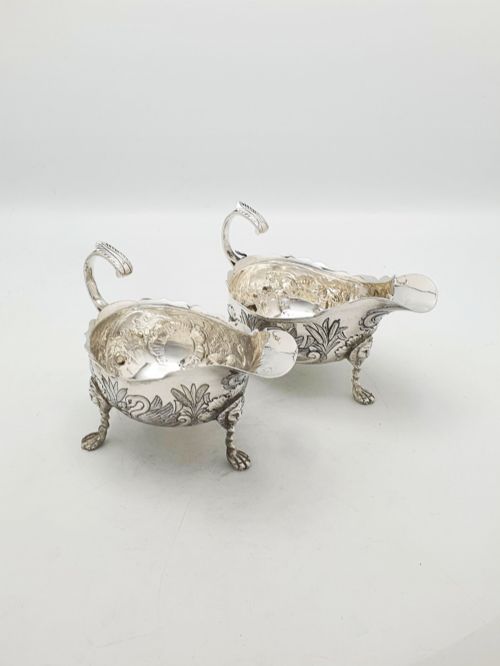
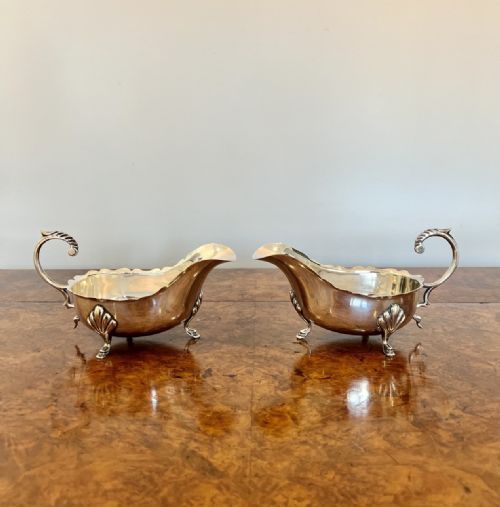
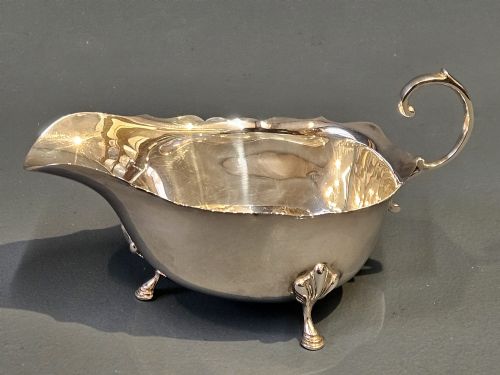
An edwardian silver boat encompasses a variety of vessel forms designed for the table, most notably sauce boats, gravy boats, and cream jugs from the early twentieth century. Buyers seeking this phrase typically encounter silver plated and sterling silver examples shaped for serving condiments and sauces during formal meals.
The selection ranges across Edwardian, George V, and Victorian periods, often taking the form of traditional sauce boats resting on integral stands or feet. Alongside conventional tableware, the category occasionally stretches to embrace related maritime and novelty forms sharing the silver boat silhouette.
How they were made
Makers utilised sterling silver and various base metals finished with silver plating or nickel plating to shape these vessels. Silversmiths employed techniques such as casting, hammering, and engraving to achieve the fluid curves and decorative borders characteristic of the period.
Surface ornamentation often involved chased details, Celtic style decoration, or crisp linear engraving that enhanced the metallic sheen. Plated items relied on electroplating over base metals like nickel and brass to provide an accessible durable finish.
Edwardian Silver Boat Retail Price Guide 2026
Typical asking prices for edwardian silver boat among the pieces listed under this phrase on Sellingantiques today, from the lower quarter to the upper quarter. They describe what is for sale here now, not the wider market.
What varies in quality
The distinction between standard table vessels and superior examples rests on the weight of the metal and the crispness of the chased or engraved detail. Heavier gauge sterling silver and deeply articulated mounts indicate a higher standard of manufacture.
Proportion and balance define the better pieces, where handles and spouts integrate harmoniously with the main body. The preservation of original plating without thinning or base metal exposure marks the upper tier of silver plated wares.
Joseph Rodgers
The Edwardian Silver Boat Glossary
- Sterling silver
- A standard alloy composed of pure silver and other metals, usually copper, to increase durability while maintaining a high purity standard.
- Silver plate
- A layer of pure silver applied to a base metal core such as nickel or brass through mechanical or electrochemical processes.
- Sauce boat
- An open vessel with a lip and handle designed specifically for serving gravies, sauces, or melted butter at the dining table.
- Gimbal
- A pivoted ring assembly used on ship lighting and lamps to keep the light source level regardless of the motion of a vessel.
- Pin cushion
- A small padded object used for holding pins, often fashioned in novelty animal or canoe forms during the Edwardian era.
Edwardian Silver Boat: Frequently Asked Questions
What is an Edwardian silver boat used for?
These vessels served primarily to hold and pour gravies, sauces, and cream during formal dining occasions. They sat centrally on the table or were passed by servants to accompany roast meats and puddings.
Today they function effectively for their original purpose or serve as decorative tableware displays on sideboards and dressers.
How do I clean antique silver boats?
Maintenance requires a soft microfiber cloth and a mild, reputable silver polish formulated specifically for antiques. Gentle application preserves engraved details and avoids wearing down any underlying plating.
Avoid abrasive cleaners and submerge items only when necessary, drying them thoroughly immediately afterwards to prevent water spots.
How can I tell sterling silver from silver plate?
Sterling silver pieces generally bear hallmarks indicating the standard of purity, the assay office, and the date of manufacture. Unmarked pieces or those showing a different base metal underneath worn areas typically indicate silver plate.
Weight and thermal conductivity also offer clues, as solid sterling feels heavier and warms differently in the hand than plated base metals.
Are these pieces suitable for daily use?
Solid sterling silver items handle regular use well provided they receive proper hand washing and careful storage. Silver plated examples require slightly more attention to ensure the plating remains intact over decades of service.
Using non abrasive utensils prevents scratching the interior surfaces during everyday dining.